
智能化变革

Search documents
展望全球航运未来,共话周期变革新机遇——首期北外滩国际航运论坛·汇智沙龙即将启幕
第一财经· 2026-03-18 08:51
Core Viewpoint - The shipping industry is undergoing significant transformation due to climate change, economic fluctuations, technological innovations, and geopolitical challenges, necessitating a shift towards green low-carbon transition and digitalization [1]. Group 1: Event Overview - The "Hui Zhi Salon" is an extension of the North Bund International Shipping Forum, aimed at creating a flexible and engaging platform for industry dialogue [1]. - Each session will focus on a core industry issue, collaborating with key enterprises or institutions to foster insights and solutions for the shipping industry's development challenges [1]. - The inaugural salon is scheduled for March 19, co-hosted with BIMCO, focusing on themes such as macroeconomic environment, industry challenges, green transition, artificial intelligence, and digitalization [1]. Group 2: Participants and Structure - The salon will feature representatives from international shipping organizations, shipping companies, relevant institutions, and government departments to share insights and explore collaboration opportunities [1]. - Key speakers include leaders from various organizations, such as Chen Yu from China Merchants Jinling Shipyard, Zhu Maijin from COSCO Shipping Energy Transportation, and Zhou Zhiyong from Shanghai Shipbuilding Research Institute [6][9][11].

李书福/朱华荣/冯兴亚/张国强等建言 全国两会向行业释放哪些信号?| 头条
第一商用车网· 2026-03-11 03:04
Core Viewpoint - The article discusses the key suggestions from representatives at the 2026 National People's Congress regarding the commercial vehicle industry, focusing on the transition towards quality improvement, environmental sustainability, and technological advancements in the context of the "dual carbon" goals and global competition [1][24]. Group 1: Suggestions for New Energy Vehicles - Li Shufu, Chairman of Geely Holding Group, proposed promoting methanol electric trucks to enhance operational capacity and meet "dual carbon" targets, particularly for medium to long-distance transportation [3]. - Li Haihua from Yuchai Group emphasized the need for differentiated implementation timelines for emission standards and support for hybrid power products to facilitate the transition from internal combustion engines to new energy [5]. - Zhang Guoqiang, Chairman of Yihua Tong, suggested developing hydrogen energy highways and supporting policies to promote the large-scale development of fuel cell vehicles [15]. Group 2: Policy Recommendations for Commercial Vehicles - Li Xiaohong, Chairman of Hunan Jiahui Group, recommended adjusting the total weight limit for 4.2-meter blue牌 trucks to 7.5 tons to address safety and operational mismatches [6][8]. - Liu Hui from Jiangling Motors proposed removing the 15-year mandatory scrapping rule for non-operating pickups to stimulate market demand and support rural revitalization [9][11]. - Yang Yongxiu from China FAW called for a timeline for the implementation of L3 autonomous vehicle regulations and a clear framework for liability [22]. Group 3: Industry Development and Globalization - Feng Xingya, Chairman of GAC Group, highlighted the need for a unified battery swap standard and legislative support for autonomous driving to enhance the global competitiveness of the automotive industry [13]. - Zhu Huaron, Chairman of Changan Automobile, suggested policies to support mergers and acquisitions to cultivate globally competitive leading enterprises [17][18]. - The article concludes that the suggestions from the representatives address critical pain points in the industry and propose solutions for future development, including the promotion of new energy vehicles and the establishment of a robust regulatory framework for autonomous driving [24].

10万一台?中产的豪车情怀不香了
凤凰网财经· 2026-02-09 12:40
Core Viewpoint - The luxury car era is facing a significant transformation, marked by price reductions and declining sales, particularly highlighted by Audi's A3 entering the 100,000 yuan price range, signaling a deeper crisis in the automotive industry [1][2]. Group 1: Audi's Price Reductions - Audi A3, a popular entry-level luxury compact sedan, has seen its prices drop significantly, with some dealers offering it for as low as 99,000 yuan, compared to its previous starting price of around 190,000 yuan during its peak sales years [2][3]. - Other Audi models, such as the A4L and Q3, have also experienced substantial price cuts, with discounts reaching up to 117,400 yuan for the A4L and 116,900 yuan for the Q3 [5][6]. Group 2: Sales Decline and Market Pressure - Audi's sales in China are projected to decline by 5% in 2025, returning to levels seen seven to eight years ago, with the brand's market share in China, its largest single market, dropping to 38% of global sales [6][16]. - The ongoing price war has led to significant financial strain on dealers, with over 52% of them reportedly operating at a loss, prompting numerous Audi 4S dealerships to close [7][14]. Group 3: Challenges in Electric Vehicle Transition - Audi's slow transition to electric vehicles (EVs) has been a critical factor in its current predicament, with the brand lagging behind competitors in key dimensions such as size, space, and technology [17][18]. - By 2025, Audi's electric vehicle sales accounted for only 13.7% of total sales, with a heavy reliance on the European market and minimal presence in the Chinese EV market [21][22]. Group 4: Brand and Strategic Issues - Audi's brand value is eroding as it struggles to adapt to changing consumer perceptions and technological advancements, leading to a disconnect with the Chinese market [26][27]. - The company's strategic inconsistencies, including a rapid reversal of plans to phase out internal combustion engines, have further damaged its credibility and market position [24][25].

三大指标“领跑”全球 我国造船业连续16年保持世界第一
Yang Shi Wang· 2026-02-08 22:31
Group 1 - The core viewpoint of the article highlights that China's shipbuilding industry continues to lead globally in three major indicators, maintaining its position as the world's largest shipbuilder for 16 consecutive years [2][3] - In 2025, China's shipbuilding completion volume reached 53.69 million deadweight tons, a year-on-year increase of 11.4%, accounting for 56.1% of the global market [2] - The new orders received amounted to 107.82 million deadweight tons, representing 69% of the global total, while the hand-held order volume reached 274.42 million deadweight tons, a 31.5% increase year-on-year, making it a historical high [2][3] Group 2 - Six major shipbuilding enterprises from China ranked among the top ten globally in terms of completion volume, new orders, and hand-held orders, with 16 out of 18 major ship types leading the world in new orders [3] - The industry is experiencing significant breakthroughs in high-end transformation, with the delivery of various world-class green and intelligent ships, indicating a shift towards high-quality development [3] - The integration of artificial intelligence in shipbuilding processes is enhancing efficiency and quality, with AI-driven logistics improving warehouse space utilization by 200% and production capacity by 25% [5]
宝马中国销量下滑本土化举措欲破体系适配难题
Zhong Guo Zheng Quan Bao· 2026-01-15 20:48
Core Insights - BMW's market share in China is declining, with projected sales of 625,500 units in 2025, down from 820,000 units in 2023, marking a nearly 20,000 unit decrease and consecutive annual declines [1] - The core issue lies in the mismatch between BMW's global standardized development model and the rapid iteration demands of the Chinese market, highlighting the inadequacy of traditional centralized decision-making in adapting to local consumer preferences [1][5] Group 1: Market Dynamics - The disconnect between BMW's global R&D system and the fast-paced Chinese market is evident, as the company follows a unified global vehicle development process while the local EV market evolves at an "18-month iteration per generation" pace [1] - The iX3, BMW's main electric model, has a longer development cycle compared to local competitors, resulting in slower localization and feature updates post-launch [1] Group 2: Strategic Misalignment - Consumer preferences in China are shifting towards smart cockpit and intelligent driving systems, which are significantly more valued than in European markets, leading to a migration from traditional luxury brands to new entrants [2] - BMW's iDrive system lags behind local brands like HarmonyOS in terms of localized voice interaction capabilities, which affects its competitiveness [2] Group 3: Financial Implications - BMW's dealer inventory pressure is rising, with terminal price reductions becoming commonplace; the gross profit margin for the top 100 dealers is projected to drop to 6.7% in 2024, with some dealers experiencing margins below this average [2] - The decline in brand value is reflected in the depreciation rates of models like the BMW 5 Series, which has seen a 3% to 5% drop in one-year resale value [3] Group 4: Future Strategies - BMW has designated 2026 as a pivotal year for transformation, planning to implement localized initiatives such as upgrading its Shenyang production base and collaborating with Huawei on a vehicle ecosystem based on HarmonyOS NEXT [4] - The core challenge remains balancing global standardization with local decision-making authority, as seen in the development of the new generation iX3, which is still primarily controlled by the Munich headquarters [4] Group 5: Market Outlook - The contraction of BMW's market share in China reflects the challenges of traditional automotive global division models in the era of smart technology; merely increasing investment may not resolve systemic inertia [5] - The upcoming launch of the domestically produced new generation iX3 will be a critical test for BMW to establish a more agile local response mechanism, which could either reverse its market decline or exacerbate its share pressures [5]
宝马2025年全球销量微增0.5%,中国市场连续两年下滑成最大挑战
Xin Lang Cai Jing· 2026-01-14 09:22
Core Insights - BMW Group reported a slight increase in global sales for 2025, delivering 2,463,715 vehicles, marking a 0.5% year-on-year growth, halting the decline seen in 2024 [2] - However, the Chinese market, BMW's largest single market, experienced a significant decline for the second consecutive year, with sales dropping 12.5% to 625,527 vehicles [2][5] - The contrasting performance across regions highlights the challenges faced by traditional luxury brands in adapting to the rapidly evolving automotive landscape, particularly in China [2][7] Global Performance Overview - BMW's global performance in 2025 can be summarized as "overall stabilization with regional differentiation," with a total of 668,000 vehicles delivered in Q4, a 4.1% decline year-on-year, but still achieving a 0.5% growth for the year [3] - The European market was a key driver, with sales reaching 1,016,360 vehicles, a significant increase of 7.3%, and electric vehicle sales in Europe surged by 28.2%, accounting for about 25% of total sales in the region [3][4] Regional Sales Breakdown - In the Americas, BMW's sales totaled 508,200 vehicles, reflecting a 5.7% increase, with the U.S. market contributing 417,638 vehicles, up 5% [4] - In contrast, the Asian market, particularly China, saw a decline, with total sales in Asia at 871,000 vehicles, down 9.3%, and the Chinese market's performance dragging down overall results [5][6] Electric Vehicle Transition - BMW's global electric vehicle sales reached 642,000 units in 2025, a growth of 8.3%, representing 26% of total sales, with pure electric vehicle sales at 442,000 units, up 3.6% [5] - The electric vehicle penetration rate in China was approximately 26%, lower than the average for luxury vehicles in the Chinese market, indicating challenges in competitiveness [5][7] Challenges in the Chinese Market - The decline in sales in China is attributed to increased competition from local brands like NIO and BYD, which are rapidly gaining market share in the high-end segment [7][8] - BMW's electric vehicle offerings in China, based on traditional fuel platforms, are perceived as less competitive compared to local brands, which are more aligned with consumer expectations for technology and performance [7][8] Strategic Responses - In response to the challenges, BMW plans to launch around 20 new models in China by 2026, including the new generation BMW iX3, designed specifically for the Chinese market [8][9] - Additionally, BMW has significantly reduced the official prices of 31 models in early 2026, with reductions exceeding 10% for many models, aiming to enhance market penetration and consumer appeal [9]

贵州制造以“智变”创“质变”
Xin Lang Cai Jing· 2026-01-07 22:24
Group 1 - The core viewpoint of the articles highlights the transformation of manufacturing in Guizhou through intelligent technology, emphasizing the shift from manual labor to automated processes, enhancing safety and efficiency in production [1][2]. - Guizhou's integration of information technology and industrialization is projected to reach a development level of 63.5 by November 2025, with numerical control rates and digital design tool usage increasing significantly [1]. - The establishment of the first fully automated and intelligent production line for electronic detonators by Panjiang Mining Explosives Company marks a significant milestone in the industry, showcasing advancements in safety management through the "Industrial Internet + Safety" system [1]. Group 2 - Guizhou Jiuhua Home Technology Company has implemented a flexible intelligent manufacturing system that utilizes unique QR codes for each product, streamlining the production process from design to installation [3]. - The company has achieved a balance between standardization and customization, allowing for a 50% reduction in workforce while nearly doubling monthly production capacity [3][4]. - Guizhou Weite Food Company is developing a customer management system that predicts customer ordering patterns, transforming supply chain operations from reactive to proactive [4][5]. Group 3 - The management logic within Guizhou Weite Food Company is undergoing a significant change, aiming to create a data-driven operational system that enhances efficiency and precision in management processes [5]. - The company has completed 80% of its system upgrade, which is expected to be fully operational by next year, moving towards a new phase of "precision operation" [5].
山海寻梦 不觉其远;前路迢迢 阔步而行 26家公司掌门人寄语2026
Shang Hai Zheng Quan Bao· 2026-01-04 21:00
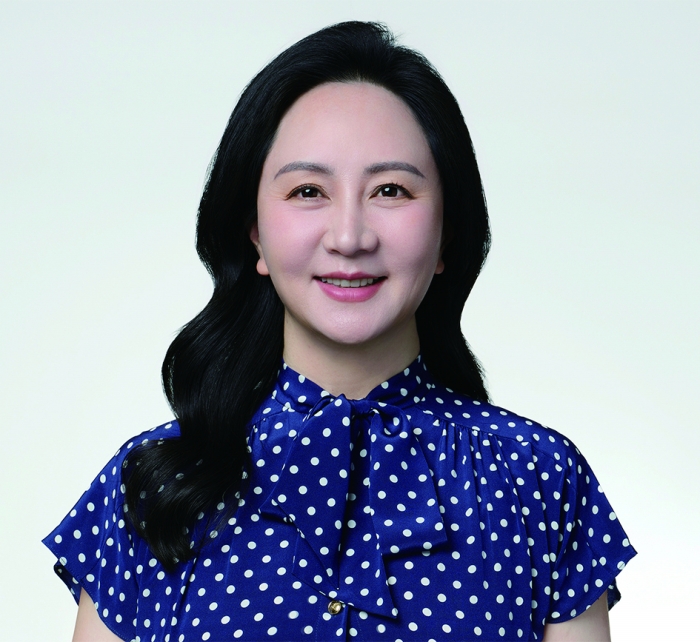
Group 1 - Huawei's rotating chairman Meng Wanzhou emphasizes the importance of resilience and professionalism in overcoming challenges and creating value in the face of the intelligent transformation wave, highlighting the need for strategic focus and organizational strength by 2026 [27] - Hengrui Medicine plans to increase R&D investment, focusing on oncology, autoimmune, and metabolic diseases, aiming to address unmet clinical needs and enhance international cooperation for global commercialization of Chinese innovative drugs by 2026 [28] - Wanhua Chemical's chairman Liao Zengtai aims to enhance operational quality and focus on technological innovation, particularly in battery materials and high-end new materials, to create a competitive advantage and develop an integrated growth model by 2026 [29] Group 2 - Muyuan Foods' chairman Qin Yinglin reflects on the company's journey from starting with 22 pigs to becoming the largest pig farming enterprise globally, emphasizing the importance of innovation and technology in achieving a dignified and efficient pig farming process by 2026 [30] - Gree Electric's chairman Dong Mingzhu commits to deepening core business and accelerating in smart equipment and new energy sectors, while focusing on green and digital transformation to enhance product quality and service for global users by 2026 [31] - Geely Holding Group's chairman Li Shufu highlights the importance of making bold decisions during critical moments, emphasizing the need to overcome challenges and maintain core values as the company approaches its 40th anniversary in 2026 [32] Group 3 - SAIC Motor's chairman Wang Xiaoqiu outlines the company's commitment to deepening reforms and focusing on intelligent and electric vehicle development, aiming for high-quality growth and user-centered innovation by 2026 [32] - Hengli Group's chairman Chen Jianhua stresses the importance of practical action and innovation in overcoming development challenges, encouraging a proactive approach to seize opportunities in the coming years [33] - LONGi Green Energy's chairman Zhong Baoshan believes the photovoltaic industry is at a pivotal moment, emphasizing the need for technological innovation to navigate challenges and capitalize on the global green energy transition [34] Group 4 - Inspur's chairman Li Jun emphasizes the transformative impact of artificial intelligence on the global economy and the importance of open collaboration to unlock AI's potential, with a focus on building a comprehensive innovation ecosystem by 2026 [35] - TCL's chairman Li Dongsheng highlights the need for strategic focus on achieving global leadership and enhancing core capabilities to drive high-quality development amid economic uncertainties in 2026 [36] - Trina Solar's co-chairman Gao Haichun emphasizes the company's evolution from a product supplier to a system-level innovator, focusing on creating solutions that transcend traditional competition by 2026 [38] Group 5 - JinkoSolar's chairman Li Xian-de discusses the potential of space photovoltaic technology as a sustainable energy solution for future AI power needs, marking the company's 20th anniversary with a vision for universal solar energy [39] - Leo Group's chairman Wang Xiangrong aims to enhance the company's strategic focus and sustainable value, emphasizing collaboration with customers and employees to achieve higher-dimensional value creation by 2026 [40] - Innovent Biologics' chairman Cui Jisong outlines the company's commitment to innovation and global expansion, aiming to launch multiple new drugs and maintain an entrepreneurial spirit in the face of uncertainty by 2026 [41]





山海寻梦,不觉其远;前路迢迢,阔步而行 26家公司掌门人寄语2026
Shang Hai Zheng Quan Bao· 2026-01-04 20:55
Group 1 - Huawei's rotating chairman Meng Wanzhou emphasized the importance of resilience and professionalism in overcoming challenges and creating value, highlighting the long-term strategic opportunities presented by the wave of intelligent transformation [25] - Hengrui Medicine's chairman Sun Piaoyang announced plans to increase R&D investment, focusing on oncology, autoimmune, and metabolic diseases, while promoting international cooperation and accelerating overseas clinical trials [26] - Wanhua Chemical's chairman Liao Zengtai aims to enhance operational quality and focus on technological innovation, particularly in battery materials and high-end new materials [27] Group 2 - Muyuan Foods' chairman Qin Yinglin expressed commitment to smart pig farming and improving animal health, aiming to enhance the quality and safety of pork for consumers [28] - Gree Electric's chairman Dong Mingzhu plans to deepen the core business while accelerating in smart equipment and renewable energy sectors, emphasizing a commitment to green and digital transformation [29] - Geely Holding Group's chairman Li Shufu highlighted the importance of making bold decisions during critical moments, focusing on core values and sustainable development [30] Group 3 - SAIC Motor's chairman Wang Xiaoqiu stated the company will deepen reforms and focus on intelligent and electric vehicle development, aiming for high-quality growth [30] - Hengli Group's chairman Chen Jianhua emphasized the need for a proactive approach to overcome challenges and achieve breakthroughs in the coming years [31] - LONGi Green Energy's chairman Zhong Baoshen believes the photovoltaic industry is at a pivotal moment, with significant opportunities for innovation and growth [32] Group 4 - TCL's chairman Li Dongsheng stressed the importance of maintaining strategic focus and enhancing core capabilities to achieve high-quality development [33] - Inspur's acting chairman Li Jun highlighted the transformative impact of artificial intelligence on the economy and the need for open and collaborative innovation [35] - Trina Solar's co-chairman Gao Haichun mentioned the company's evolution from a product supplier to a solution provider, focusing on system-level product innovation [36] Group 5 - JinkoSolar's chairman Li Xian-de discussed the potential of space photovoltaic technology as a sustainable energy solution for future challenges [37] - LEO Technology's chairman Wang Xiangrong emphasized the importance of creating value beyond mere data growth, focusing on sustainable and collaborative progress [38] - Innovent Biologics' chairman Cui Jisong outlined the company's commitment to innovation and global expansion in the next decade [39] Group 6 - Fosun International's chairman Guo Guangchang highlighted the growing demand for health and wellness, emphasizing the need to leverage the company's strengths in various industries [40] - Obsidian Technology's chairman Huang Yuanhao expressed the importance of innovation in robotics and AI vision, aiming to lead in the upcoming technological revolution [41] - Volkswagen's chairman Yang Guoping emphasized the commitment to brand and innovation as the company embarks on a new journey in the "14th Five-Year Plan" [42]

湾财周报|人物 董宇辉带货沙发陷“代工”风波;中国90后创办的Manus被扎克伯格巨资买下
Sou Hu Cai Jing· 2026-01-04 15:02
Group 1 - The acquisition of Manus by Meta for several billion dollars highlights the growing interest in AI technologies, with the founder being a Chinese millennial [15] - The listing of AI robotics company Woan on the Hong Kong Stock Exchange raised 1.64 billion HKD, with a subscription rate of 254.5 times for public offerings, indicating strong market interest [16] - Huawei's long-term strategic opportunity lies in the wave of intelligent transformation, which involves profound changes in organizational structure, business processes, and corporate culture [8][18] Group 2 - The automotive industry is experiencing a shift from an engineer-driven culture to a user-centric approach, as traditional models fail in the era of consumer sovereignty [10][19] - The former president of China Life Insurance, Yang Chao, was expelled from the party for serious violations, illustrating ongoing accountability in the insurance sector [20] - The recent appointment of Lu Wei as the president of Postal Savings Bank after leaving China CITIC Bank reflects the trend of cross-industry executive movements in China's banking sector [21]
