
新中式糕点

Search documents
叙永县周记黄垅酥新中式糕点店(个体工商户)成立 注册资本40万人民币
Sou Hu Cai Jing· 2025-12-16 10:17
Core Viewpoint - A new business, Zhouji Huanglong Su New Chinese Pastry Shop, has been established in Shuyong County, with a registered capital of 400,000 RMB, focusing on food sales and small catering services [1] Company Summary - The legal representative of the new pastry shop is Zhou Wenbin [1] - The business is registered as an individual industrial and commercial household [1] - The shop's operations include licensed projects such as food sales and small food workshops, which require approval from relevant authorities [1] Industry Summary - The general business scope includes the sale of pre-packaged food [1] - The shop is allowed to operate independently based on its business license, except for projects that require approval [1]
20年老字号破产清算,烘焙行业已经开始大洗牌?
Sou Hu Cai Jing· 2025-12-12 21:25
Core Insights - The article discusses the bankruptcy of "Floating Forest," a well-known bakery brand in Hangzhou, marking a significant event in the ongoing reshaping of the baking industry in China [2][19]. Company Overview - Floating Forest, established in 2000, initially thrived by adopting a "factory store + fresh baking" model, which allowed it to build a strong local reputation for affordable and quality cakes [3][4]. - The company went public on the New Third Board in 2016, becoming the first Taiwanese-funded bakery in Zhejiang to do so, amidst a booming baking market projected to grow significantly [4]. Decline Factors - The decline of Floating Forest can be attributed to several factors: - The traditional business model became increasingly unsustainable, with high sensitivity to customer traffic and revenue fluctuations, especially after the pandemic reduced demand for key cake consumption scenarios [5][12]. - The brand failed to innovate its product offerings and customer experience, lagging behind competitors who adapted to new consumer preferences for visually appealing and social media-friendly products [9][12]. - Financial and governance issues compounded the company's struggles, leading to multiple store closures and a loss of consumer trust, ultimately resulting in bankruptcy proceedings in October 2025 [12][19]. Industry Context - The baking industry is not experiencing an overall decline; rather, it is undergoing a significant reshuffle, with traditional brands facing intense pressure from new entrants and changing consumer preferences [14][19]. - New players in the market, particularly in the new-style pastry segment, are rapidly expanding, capturing market share from established brands [14]. - The competitive landscape is shifting from a focus on store quantity to operational efficiency, emphasizing the importance of supply chain management and customer engagement strategies [15][16]. Challenges for Regional Brands - Regional brands like Floating Forest are particularly vulnerable to market disruptions, often finding themselves in a cycle of high debt and declining revenues when faced with changing consumer dynamics [17][19]. - The article highlights that the failure of Floating Forest is emblematic of a broader trend affecting local brands that have not adapted to the evolving market landscape [20].


连云港海州:首店经济加速消费能级跃升
Yang Zi Wan Bao Wang· 2025-11-14 07:43
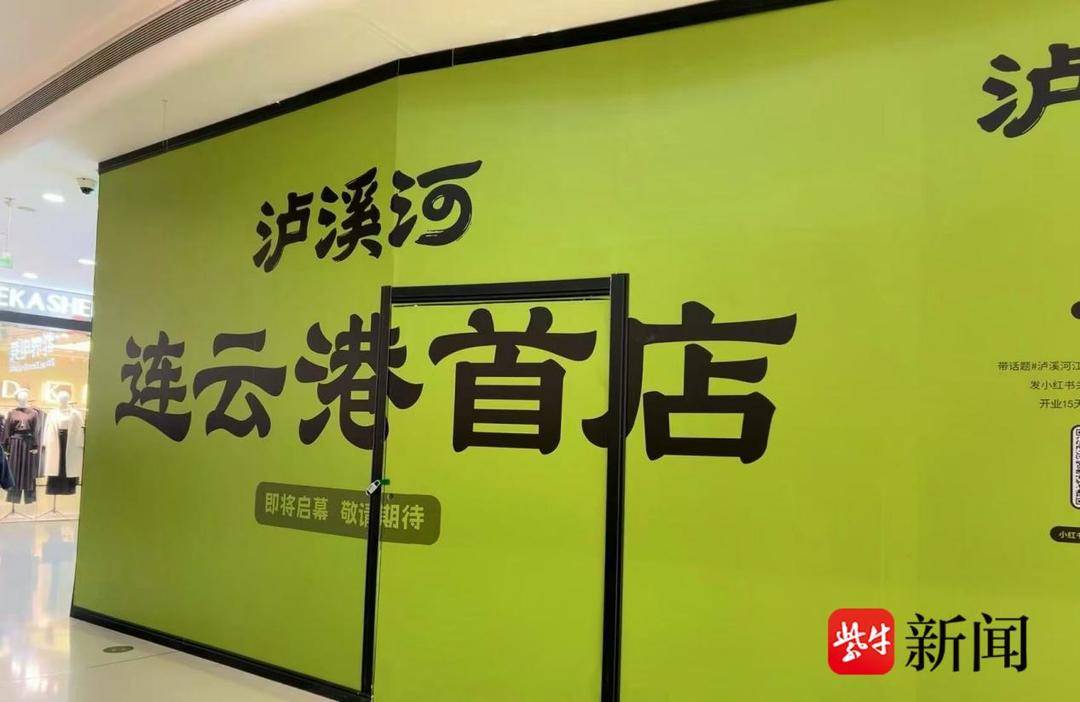
Core Insights - A series of popular brand flagship stores, including Lu Xi River, Hema Fresh, UR Fashion, and Ba Nu Hotpot, have signed agreements to open in Lianyungang's Haizhou District, covering key consumer sectors such as new-style pastries, premium fresh produce, fast fashion, and specialty dining, expected to open between late 2025 and early 2026 [2][4] - The initiative aims to enhance local consumer experiences and drive commercial upgrades in Haizhou, injecting lasting momentum into domestic demand [2] Group 1: Commercial Development - Haizhou District is focusing on becoming a regional consumer center by enhancing commercial quality, diversifying consumer offerings, and optimizing shopping experiences [2] - The district is transitioning from a single shopping model to a comprehensive consumption model that includes dining, entertainment, and shopping [2][4] - The newly introduced brands are strategically located in key commercial hubs like Wanda Plaza and Suning Plaza, creating a complementary and diverse commercial layout [2] Group 2: Market Recognition and Future Plans - The influx of flagship stores has attracted significant foot traffic and revitalized consumer activity, reflecting market confidence in the regional commercial environment and consumption potential [4] - Haizhou District plans to continue improving the business environment, attract high-quality commercial resources, and promote more premium commercial projects to enhance consumer experiences and elevate consumption levels [4]


活跃、旺盛;244.86%、128.04%……多组“关键词+数字”透视“五一”假期消费
Yang Shi Wang· 2025-05-07 02:58
Core Insights - The consumption market in China during the 2025 "May Day" holiday was vibrant, with significant growth in automotive, home appliances, and mobile phone sales, alongside strong demand in the restaurant and tourism sectors [1][12]. Consumption Trends - Foot traffic in 50 monitored pedestrian streets and shopping districts increased by 6.4% year-on-year, while shopping centers in 36 major cities saw a 6.5% rise in foot traffic [4]. - The overall sales revenue in consumption-related industries grew by 15.2% year-on-year during the holiday, indicating robust consumer demand [15]. Promotional Activities - The Ministry of Commerce organized various promotional events, including the 2025 International Consumption Season and the 6th "May 5 Shopping Festival," to stimulate consumption [5]. Trade-in Programs - From the beginning of 2025 to May 5, over 3.01 million applications for automotive trade-in subsidies were submitted, with 56.02 million units of 12 categories of home appliances and 4.219 million mobile devices purchased under trade-in programs [7][10]. Travel and Hospitality - Domestic tourism saw 314 million trips during the holiday, a 6.4% increase year-on-year, with total spending reaching approximately 180.27 billion yuan, up 8.0% [12]. - The accommodation sector experienced a revenue increase of about 13% compared to the previous year [12]. E-commerce Growth - Online retail sales of physical goods grew by 8.2%, with notable increases in digital and green products, including a 24.1% rise in smart home product sales [14]. - Online and offline retail sales increased by 34.7% and 34.5%, respectively, reflecting a simultaneous rise in consumer engagement across channels [20]. Payment Transactions - During the holiday, UnionPay and Internet payment platforms processed 23.439 billion transactions worth 7.64 trillion yuan, marking increases of 20.49% and 3.21% year-on-year [21]. - Transactions involving foreign visitors to China saw substantial growth, with transaction counts and amounts increasing by 244.86% and 128.04%, respectively [24].

“五一”假期 50个步行街和商圈客流量同比增长6.4%
Yang Shi Xin Wen· 2025-05-06 10:55
Group 1 - The core viewpoint of the article highlights the robust growth in China's consumer market during the "May Day" holiday, with significant increases in sales across various sectors including automobiles, home appliances, and mobile devices [1][2] - The Ministry of Commerce, in collaboration with relevant departments, organized several promotional activities such as the 2025 International Consumption Season and the "May 5 Shopping Festival," which contributed to vibrant consumer engagement [1] - Foot traffic in 50 monitored pedestrian streets and shopping districts increased by 6.4% year-on-year, while shopping centers in 36 major cities saw a 6.5% rise in customer visits during the holiday [1] Group 2 - The automotive sector experienced a surge in trade-in subsidy applications, with over 301 million applications from January to May 5, and more than 7 million applications during the holiday period alone [1] - The hospitality and tourism sectors thrived, with domestic travel reaching 314 million trips, a 6.4% increase year-on-year, and total spending by domestic tourists amounting to 180.27 billion yuan, reflecting an 8.0% growth [2] - New consumption trends are emerging, with online retail sales of physical goods increasing by 8.2% during the holiday, driven by strong demand for digital, green, and national trend products [2]