生产力工具

Search documents
对话美图CEO吴欣鸿:美图是AI受益者,产品增长有方法论
硬AI· 2026-03-30 00:58
Core Viewpoint - The article discusses the impact of AI on Meitu, questioning whether AI weakens or strengthens the company. The CEO emphasizes that profit growth is the key indicator of success, indicating user recognition through financial commitment [2][20]. Group 1: AI's Impact on Meitu - AI has unevenly affected Meitu's value chain, enhancing the production process while maintaining the company's distribution advantages through its large user base of 280 million monthly active users [4][25]. - The production process has been significantly transformed by AI, reducing costs and enabling greater supply capacity, allowing for more products to be offered to the market [5][21]. - The CEO highlights that while individual contributors can create high-revenue products, the company's scale and channel advantages are irreplaceable, making it difficult for individuals to replicate the success outside the company [6][25]. Group 2: Product Development and User Engagement - New products at Meitu are developed based on insights from existing user needs, with a focus on extending services to professional consumers and small to medium-sized businesses (SMBs) [7][45]. - The company avoids targeting the professional user market dominated by competitors like Adobe, as the cost of customer acquisition is higher and product requirements differ significantly [8][45]. - Meitu's strategy involves leveraging its existing user base to identify new product opportunities, ensuring low-cost customer acquisition [47]. Group 3: Revenue Model Evolution - The revenue model is shifting from advertising to subscriptions and now to token consumption, which is becoming a significant income source for Meitu [13][14]. - Token consumption is expected to grow rapidly, reflecting the increasing importance of this revenue stream in the company's future [14][41]. - The CEO notes that a healthy growth pattern includes simultaneous increases in user numbers and revenue, particularly in markets with strong payment willingness like Europe and the US [11][29]. Group 4: Future Outlook and Competitive Landscape - The company is focused on maintaining a competitive edge by continuously innovating and adapting to market demands, particularly in the AI-driven landscape [15][51]. - The CEO expresses confidence in the company's ability to enhance subscription rates and average revenue per user (ARPU) in productivity tools, indicating a strong market response to the value provided [49][50]. - The competitive landscape is seen as both crowded and open, with opportunities in less saturated vertical markets that have not been adequately addressed [52].


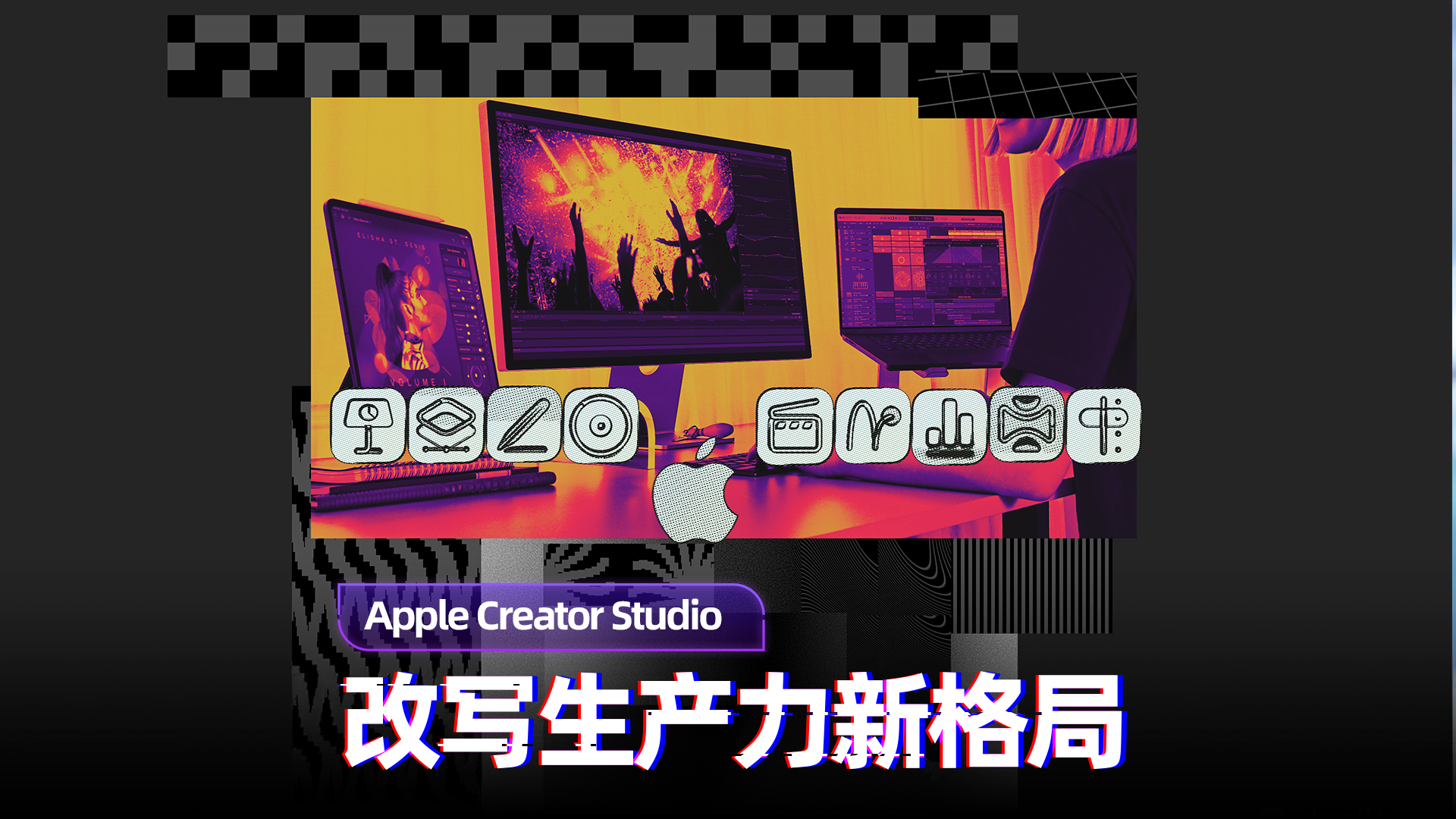
Apple Creator Studio体验:重新定义生产力工具
Xin Lang Cai Jing· 2026-01-29 01:44
Core Insights - Apple has launched the Creator Studio, offering a subscription model at 38 yuan per month for students at 18 yuan, which includes access to nine major software applications such as Final Cut Pro, Logic Pro, and Pixelmator Pro [1] Pricing and Value Proposition - The total original price for purchasing all included software separately is 4478 yuan, making the subscription a cost-effective option at the price of a coffee per month [1] - The first month of the subscription is free, providing an incentive for users to try the service [1] Features and Compatibility - The Creator Studio supports AI visual search and rhythm detection, enhancing user experience [1] - It is compatible with both Mac and iPad devices, broadening its accessibility [1]

小米手机高端路还没找准
3 6 Ke· 2025-09-28 04:35
Core Viewpoint - The article discusses the changing perception of Xiaomi, highlighting that despite its strong sales, it struggles with brand identity and user trust compared to Apple, particularly in the high-end market [1][23]. Group 1: Product Experience - The Xiaomi 17 Pro Max has a design and feel that closely resembles the iPhone 16 Pro Max, but there are still noticeable differences in weight and overall premium feel [3][4]. - Users often compare Xiaomi devices with iPhones, indicating that while Xiaomi's design is on par, it lacks the same level of perceived quality and trust [3][4]. Group 2: Brand Philosophy - Xiaomi's approach to product design is seen as lacking a cohesive philosophy, contrasting with Apple's minimalist and unified design ethos [5][14]. - The article emphasizes that Xiaomi's products, despite having high specifications, lack the "soul" that resonates with consumers, which is crucial for building a strong brand identity [6][14]. Group 3: Target Audience - The article identifies a key demographic for high-end devices as "productivity users," such as professionals who rely on their devices for work, rather than casual users or tech enthusiasts [15][21]. - Xiaomi's current marketing strategies focus on flashy features rather than addressing the needs of productivity users, which may hinder its ability to penetrate the high-end market [21][22]. Group 4: Market Perception - Despite high foot traffic in stores and impressive daily sales, Xiaomi's stock market performance reflects investor concerns about its long-term profitability and ecosystem integration [23][24]. - The article points out that Xiaomi's ecosystem lacks a seamless workflow compared to Apple's, which can deter potential high-end users from committing to the brand [25][26]. Group 5: Ecosystem Challenges - Xiaomi's ecosystem is described as fragmented, with products that do not work together as efficiently as Apple's, leading to doubts about reliability and user experience [24][27]. - The article suggests that Xiaomi needs to shift its focus from a self-contained ecosystem to one that fosters partnerships and collaboration, similar to successful models used by top companies like Tencent and Apple [28][29].

深度|Obsidian CEO:AI不是生产力工具的必需品,独特的产品哲学和社区文化才能保证基业长青
Sou Hu Cai Jing· 2025-08-24 03:25
Core Insights - Obsidian, led by CEO Steph Ango, has emerged as a unique note-taking application that prioritizes user data ownership and a minimalist philosophy over traditional growth strategies like heavy financing and user retention metrics [1][2][3] - The application allows users to create a personal knowledge graph by linking notes, which Ango describes as a "superpower" that enhances complex thinking [1][3] - Obsidian's business model is distinct, relying on services like synchronization and publishing, along with voluntary donations, achieving profitability since its inception [2][28] Group 1 - Obsidian operates without user registration, data tracking, or a focus on retention rates, instead using Markdown for data storage, ensuring users retain ownership of their notes [2][21] - The application has a small team of seven full-time employees, which fosters a flat organizational structure and self-driven work culture, allowing for agile decision-making and development [25][29] - Ango emphasizes that the company does not aim to become another Notion or a large empire, but rather to maintain a small team dedicated to refining a tool they personally enjoy using [2][23] Group 2 - The application has not integrated AI features, as Ango expresses concern that AI could replace users' thought processes, although the community has developed numerous AI-based plugins [3][31] - Obsidian's plugin ecosystem is a key growth driver, allowing users to customize their experience without the application becoming bloated with unnecessary features [13][17] - The company is currently developing a feature called Bases, which will allow users to visualize metadata in their notes, enhancing the application's functionality for project management and tracking [35]

vivo执行副总裁胡柏山:MR可以作为生产力工具
Xin Lang Ke Ji· 2025-08-20 08:30
Group 1 - The core viewpoint is that mobile devices have evolved into productivity tools, utilized by various professionals such as delivery personnel for their work [1] - The introduction of AI large models has significantly enhanced capabilities in video editing and other applications [1][2] - Mobile devices are now used for multiple purposes, including entertainment and productivity tasks like learning and office work [1] Group 2 - There has been a notable improvement in imaging capabilities, transitioning from flat images to those with depth information [2] - The integration of terminal and cloud large models allows for enhanced processing power, addressing limitations in mobile device capabilities [2] - The company emphasizes the importance of collaboration within the industry chain to achieve mutual prosperity, reflecting its cultural values [3]
从GPT-5看全球AI大模型竞争逻辑
2 1 Shi Ji Jing Ji Bao Dao· 2025-08-08 22:31
Core Insights - The release of GPT-5 by OpenAI marks a significant advancement in AI model intelligence, but Grok 4's performance in the ARC-AGI test highlights the competitive landscape in AI development [1][5] - The competition in AI models is characterized by a dual focus on technological breakthroughs and practical applications, reshaping the industry dynamics [1][5] Group 1: Technical Competitiveness - The core competitiveness of large models lies in their technical strength, which includes model scale and architecture, training data and algorithms, and reasoning capabilities [2] - Larger models typically have more parameters, enhancing learning and generalization abilities, but mere size increase does not guarantee superior performance [2] - The quality and quantity of training data are crucial for model performance, with OpenAI leveraging extensive datasets across various formats [2] Group 2: Application and User Experience - The application scenarios for large models are expanding, moving from text generation to fields like healthcare, finance, and education, necessitating tailored solutions for specific industries [3][4] - Enhancing productivity through AI tools is a primary application direction, with models needing to integrate seamlessly into workflows to provide intelligent services [3] - Natural language interaction is central to user experience, requiring models to exhibit fluid dialogue capabilities and understand user intent and emotions [4] Group 3: Market Dynamics and Future Outlook - The competition among companies is intensifying, with a focus on technological innovation as a key driver for market share [4][5] - Companies are seeking differentiation through specialized models, emphasizing controllability, safety, and enhanced user experiences [4] - The future of AI competition will hinge on the ability to create intelligent, safe, and practical models, with a strong ecosystem and clear business models being essential for success [5]
美图公司(1357.HK)深度:影像龙头 借AI推开世界之门
Ge Long Hui· 2025-07-31 02:50
Core Viewpoint - Meitu has successfully transitioned through three technological revolutions: from PC internet to mobile internet, and now to the AI era, enhancing its product offerings and user engagement [1] Group 1: Development Stages - The initial phase involved the launch of Meitu Xiuxiu in 2008, which simplified photo editing and attracted a large user base, reaching over 200 million users across PC and mobile by 2012 [1] - The company shifted focus to a subscription model starting in 2018, moving away from a traffic-based revenue model to enhance quality and user experience [1] - In the AI era, Meitu has integrated AI capabilities across all its products, resulting in increased monthly active users and improved payment rates [1] Group 2: Competitive Advantages - Meitu's strong channel capabilities and centralized operational system have allowed it to adapt to market changes and maintain a leading position in the beauty app sector [2] - The brand recognition and user loyalty built through Meitu Xiuxiu serve as a competitive advantage, enabling the company to quickly respond to market trends and consumer preferences [2] - The company leverages insights from its existing user base to innovate new products, such as Wink and Meitu Design Studio, which are informed by user needs [2] Group 3: Future Growth Strategies - Future growth for Meitu is centered around three main areas: global expansion, development of productivity tools, and ongoing investment in AI [3] - Meitu's products have strong competitive advantages in overseas markets, with clear operational strategies for international versions of its core products [3] - The company is expanding its productivity tools, like Meitu Design Studio, which targets the "communicator" user group and aims to democratize technology for consumers [3]
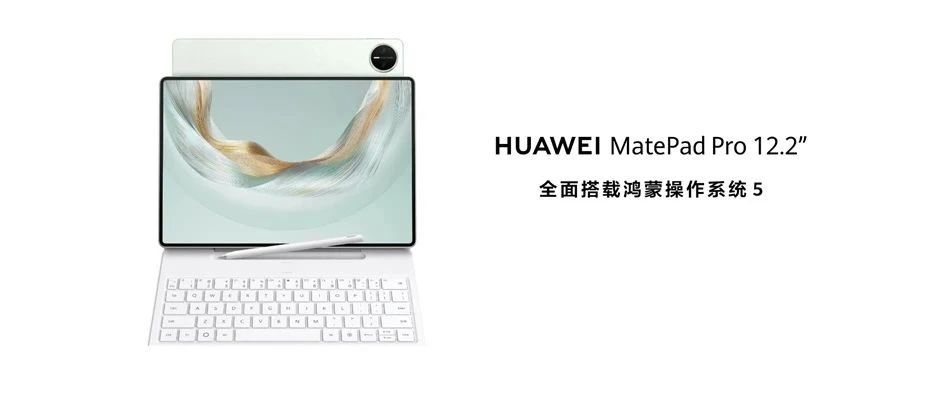
华为MatePad Pro 12.2 英寸发布,生产力与创作力成“平板电脑”核心基因
第一财经· 2025-07-24 10:16
Core Viewpoint - The article emphasizes the shift in the tablet market towards productivity and creativity, highlighting Huawei's MatePad Pro 12.2 inches as a leading example of this transformation, effectively addressing user needs through technological advancements and innovative features [1][25]. Market Position and Trends - Flexible working has become a new trend in the workplace, with increasing demand for productivity and creativity tools in mobile scenarios. Huawei's tablet leads the domestic market with a 34.5% market share in Q1 2023, showcasing its understanding of user needs and technological breakthroughs [1][2]. - Traditional tablets have struggled with positioning due to the dual pressures of expanding smartphone screens and increasingly lightweight laptops, leading to a decline in their unique entertainment appeal and limited functionality in professional settings [3][25]. Product Innovations - Huawei has continuously innovated its tablet offerings to fill the capability gaps of traditional tablets, with significant product iterations such as the MatePad Pro 11 inches in 2022 and the MatePad Pro 13.2 inches in 2023, which introduced PC-level capabilities and multi-window support [3][6]. - The MatePad Pro 12.2 inches features a dual-layer OLED screen, providing a peak brightness of 2000 nits and a contrast ratio of 2,000,000:1, ensuring clarity even in bright environments [22][23]. Software and User Experience - The integration of HarmonyOS 5 enhances the MatePad Pro 12.2 inches, offering a full-scene adaptation and advanced productivity tools, such as professional-grade applications for video editing and office tasks [10][12]. - The device includes the "Tiangsheng Huihua" app, which has gained popularity among creators, offering upgraded features like animation capabilities and realistic oil painting brushes, thus enhancing the mobile creative experience [14][15][18]. Future Directions - Huawei's approach signifies a shift from viewing tablets merely as entertainment devices to recognizing their potential as core productivity and creativity tools, setting a new benchmark in the tablet industry [19][20][25]. - The ongoing evolution of the MatePad Pro series and its associated applications aims to create a comprehensive mobile creative ecosystem, lowering barriers for creators and enhancing the quality of mobile production [18][24].
为什么我们对 25 年 AI 极度乐观?| 42章经
42章经· 2025-01-05 21:54
Core Viewpoint - The current AI market is experiencing a significant transformation, with optimism for 2024 and beyond, driven by advancements in technology and a shift in investment focus towards practical applications and embodied intelligence [1][3][4]. Summary by Sections AI Market Overview - In 2023, the AI market saw a surge in interest, reminiscent of the internet boom, as many internet professionals sought new opportunities in AI due to a lack of significant developments in the internet sector since 2015 [1]. - The influx of capital primarily targeted large model companies, with less focus on intermediate layers and applications [1]. 2024 Market Dynamics - The first half of 2024 is expected to be the lowest point for the primary market in the past decade, with minimal funding for new startups [2]. - A notable shift occurred post-September 2024, with a recovery in the financing market and the emergence of high-valuation startups [3]. - The focus in 2024 has shifted from large models to embodied intelligence, with some institutions also exploring AI hardware and consumer electronics [2]. Investment Trends - The valuation of application companies remains low, with most having zero annual recurring revenue (ARR) as they refine their products [2]. - The market is witnessing a bifurcation, with a preference for investing in founders with strong backgrounds and higher valuations [5]. Future Directions for AI - The anticipated trends for 2025 include a focus on application landing, particularly in productivity tools, which are expected to dominate the market [5][6]. - The concept of "Prosumer" or "Pro C" individuals is emerging, targeting a demographic that combines consumer traits with business capabilities [6]. Key Areas of Growth - Two promising areas for 2025 are Agents and multimodal applications, with Agents seen as a potential evolution of traditional SaaS models [7][9]. - The potential for Agents to disrupt existing SaaS companies is significant, as they may offer a results-based payment model rather than a subscription model [9][10]. Multimodal Applications - The future of AI products may lie in multimodal capabilities, allowing for a complete transformation in user interaction and content consumption [13][14]. - The development of products that integrate various forms of content and user interaction is expected to redefine how information is managed and utilized [14][15]. Conclusion - The AI market is poised for growth, with a strong emphasis on practical applications and innovative business models, suggesting a bright future for companies that adapt to these changes [16].