
绿色低碳出行

Search documents
不得以变相方式收取押金
Xin Lang Cai Jing· 2026-01-12 22:07
Core Viewpoint - The Kunming Municipal Government has issued the "Management Measures for Internet Rental Bicycles" to regulate the operation and management of internet rental bicycles, promote civilized usage, and establish a green low-carbon transportation system, effective from February 11, 2026 [1] Group 1: Planning and Construction - The transportation department must coordinate with urban management to plan parking points, facilities, and area management for internet rental bicycles, ensuring integration with public transport systems [1] - Parking points should be established in public spaces such as transportation hubs, commercial areas, and tourist attractions, with sufficient space reserved for pedestrian safety [1] Group 2: Parking Restrictions - Parking points are prohibited in areas that affect pedestrian and vehicle traffic, fire safety, and specific high-traffic locations such as hospital entrances and administrative vehicle prohibition zones [2] Group 3: Investment Mechanism - The investment mechanism for internet rental bicycles in Kunming must adhere to principles of fairness and transparency, requiring operators to have a business license, service facilities, and qualified management personnel [2] Group 4: Operational Management - Operators must register users with real-name verification, establish service agreements, and clearly define user rights and responsibilities, including age restrictions for renting bicycles [3] - Operators are encouraged to provide services without requiring deposits and must disclose pricing methods and details after order completion [3] - The management platform should facilitate data exchange to enhance integration with public transport services, promoting a unified green transportation system [3]
社论 | 公交免费,让群众更多分享发展红利
Xin Lang Cai Jing· 2026-01-05 16:39
Core Viewpoint - The implementation of free public transportation in cities like Wuxue and Inner Mongolia's Zhungeerqi aims to reduce the financial burden on citizens while promoting public transport as a public good and enhancing low-carbon travel initiatives [3][4]. Group 1: Free Public Transport Implementation - Wuxue City has initiated free public transport for urban areas and three major industrial parks, effectively eliminating commuting costs for residents [3]. - Inner Mongolia's Zhungeerqi has also launched a free bus service for all residents, allowing access with valid identification or transport cards [3]. - The free transport policy is expected to save families significant amounts on monthly transportation costs, potentially leading to a greater sense of financial relief over time [3]. Group 2: Benefits and Strategic Importance - The free bus service is seen as a direct and effective way to encourage the public to prioritize public transport, aligning with national strategies to develop a public transport-centric urban traffic system [4]. - The policy addresses the declining attractiveness of public transport amidst the rise of private vehicles and ride-hailing services, aiming to reverse the cycle of reduced ridership and service frequency [4]. - In smaller cities, the marginal benefits of free public transport are higher due to concentrated populations and limited urban areas, making the policy more feasible [4]. Group 3: Financial and Social Implications - The financial commitment from local governments is significant, with Wuxue expected to spend over 38 million yuan annually on this initiative [4]. - The free transport policy not only revitalizes public transport but also has indirect social benefits, such as improving the business environment and enhancing urban livability [5]. - The shift in urban development logic reflects a growing focus on citizen experiences in public services rather than solely on GDP growth [5]. Group 4: Operational Considerations - While free transport is a positive step, optimizing route layouts and scheduling is crucial for effective governance and service delivery [6]. - Ensuring the sustainability of financial support for the free transport initiative requires careful budgeting and operational efficiency [6]. - The initiative represents a commitment to public welfare and a vision for a greener, more convenient urban lifestyle [6].

助力绿色高效过江出行
Hang Zhou Ri Bao· 2025-11-18 03:00
Group 1 - The core initiative is to promote green and low-carbon travel in response to the traffic impact caused by the closure of Qianjiang Third Bridge, with a focus on public transportation information dissemination [1] - The "door-to-door visit to enterprises" activity was launched by the city's transportation bureau to engage with residents and provide information on public transport options [1] - The first event took place in Qianjiang Century City, covering five key residential communities, and included various forms of public engagement to enhance awareness of public transport [1] Group 2 - The public transport group has optimized the bus network since March, including the introduction of 47 five-minute connecting buses around 25 subway stations to alleviate cross-river traffic [1] - Specific travel handbooks have been created for different areas to address the traffic situation during the bridge and road closures, available through the public transport app and official WeChat [1] - The public transport group aims to continue the "door-to-door visit to enterprises" series to expand the coverage of public transport information and provide precise service guarantees for citizens [2]
2025动力电池应用生态展览会启幕 将持续至15日
Zhong Guo Xin Wen Wang· 2025-11-13 06:13
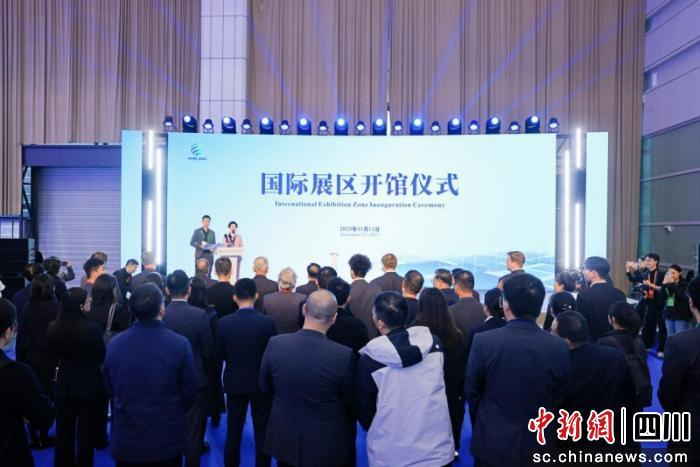
Core Insights - The 2025 World Power Battery Conference, hosted by the Sichuan Provincial Government, commenced on November 12 in Yibin, featuring a concurrent Power Battery Application Ecological Exhibition running until November 15 [1][2] Industry Overview - The exhibition focuses on the entire value chain of power batteries, emphasizing "material innovation, intelligent manufacturing, scenario reconstruction, and recycling," aiming to create a closed-loop ecosystem from laboratory to commercialization [2][4] - The exhibition covers a total area of 50,000 square meters, with over 230 participating companies and institutions from various countries, including the USA, UK, Germany, France, Switzerland, and Singapore [4][5] Exhibition Highlights - The exhibition features ten major zones, including areas for "14th Five-Year Plan" achievements, international exhibits, power battery and materials, energy storage, new energy vehicles, recycling and material regeneration, electric ship technology, and artificial intelligence [4][6] - Notable companies in attendance include industry leaders such as CATL, Tianyuan Group, and various international brands like Tesla, Mercedes-Benz, and BMW, showcasing cutting-edge technologies and applications in the power battery sector [5][6] Application Scenarios - Four major new application scenarios are highlighted, including electric ships and low-altitude economy, showcasing a complete industrial chain from manufacturing to service [6] - The solid-state battery exhibition area features top institutions demonstrating innovations from material breakthroughs to engineering applications [6] Engagement and Activities - The event includes a variety of interactive activities aimed at enhancing public engagement and understanding of the power battery industry [7][8] - A supply-demand matching conference is scheduled to facilitate collaboration among over 100 industry representatives, focusing on material innovation, sustainable development, and safety [7] - The "Yimao Global Trade" salon will address topics related to the international expansion of Chinese brands and compliance with EU regulations [8]

发票数据看消费:海南前三季度零售、文体等消费领域亮点纷呈
Hai Nan Ri Bao· 2025-10-21 01:29
Core Insights - The consumption market in Hainan is showing strong growth and potential, with various sectors such as retail, accommodation, dining, cultural sports, and travel experiencing significant increases in demand [1][2][3] Retail Sector - The retail market in Hainan is thriving, characterized by stable growth in essential goods and a surge in quality and technology-driven consumption. Notably, the retail of staple food items saw a remarkable increase of 252.62% year-on-year, while fruits, vegetables, and meat products also experienced growth rates of 11.92%, 20.83%, respectively [1] - Upgraded consumption demands are evident, with communication devices retailing increasing by 89.22%, and bicycles and other transportation equipment rising by 54.56%. Retail in department stores and household appliances grew by 33.77% and 36.81%, respectively [1] Accommodation and Dining Sector - The accommodation and dining industry in Hainan is progressing steadily, with personalized and experiential lodging demands on the rise. The revenue from homestay services increased by 14.72% year-on-year [2] - Chinese tea services have emerged as a new consumer hotspot, with revenue from tea house services soaring by 96.49%, while other beverages and cold drinks grew by 21.66% [2] Travel Sector - The passenger transport sector in Hainan is experiencing steady growth, with railway travel showing a remarkable increase of 49.62% in revenue. The convenience of the circular high-speed rail has stimulated intercity travel demand [2] - Air travel revenue increased by 19.09%, and maritime transport also saw a growth of 11.51%, ensuring stable travel demand across the island [2] Cultural and Sports Sector - Cultural and sports consumption in Hainan has significantly surged, with community activities and mass events driving a year-on-year increase of 377.74% in related revenue. The rise in health awareness has also led to a 42.73% increase in fitness-related activities [3] - The appeal of Hainan's tropical tourism resources continues to grow, with leisure sightseeing activities increasing by 20.17%, and cultural heritage protection efforts seeing a 24.59% rise in revenue [3]
海南前三季度零售、文体、旅客出行等领域呈显著增长态势
Zhong Guo Jing Ji Wang· 2025-10-20 14:21
Core Insights - The consumption market in Hainan is showing strong vitality and potential, with significant growth in various sectors such as retail, accommodation, dining, cultural sports, and travel during the first three quarters of 2025 [1] Retail Sector - The retail sector in Hainan is characterized by stable growth in traditional necessities, accelerated quality consumption, and popularity of tech products. Notably, the retail of staple foods saw a remarkable increase in invoiced amounts by 252.62% year-on-year [1] - Retail of fruits, vegetables, and meat products also experienced growth, with increases of 11.92%, 20.83%, and 20.83% respectively, indicating a solid foundation for essential consumer goods [1] - Upgraded consumption demands are evident, with retail of communication devices growing by 89.22% due to the demand for smart terminal updates, and bicycle retail increasing by 54.56% driven by green low-carbon travel concepts [1] - Other retail categories such as department stores and home appliances also saw significant growth, with increases of 33.77% and 36.81% respectively [1] Accommodation and Dining Sector - The accommodation and dining industry in Hainan is maintaining steady growth, with personalized and experiential accommodation demands being met, leading to a 14.72% year-on-year increase in invoiced amounts for homestay services [2] - In dining, the Chinese tea beverage sector has become a popular choice for leisure consumption, with tea house services seeing a remarkable growth of 96.49% [2] - Other beverage and cold drink services also grew by 21.66%, driven by seasonal consumption and expanded consumption scenarios [2] Travel Sector - The travel industry in Hainan is experiencing steady growth across different transportation modes. Railway passenger transport has shown significant performance with a year-on-year increase of 49.62%, facilitated by the convenience of the island's high-speed rail [2] - Air travel has also seen a growth of 19.09%, ensuring smooth access for domestic and international tourists [2] - Maritime passenger transport increased by 11.51%, with ferry services playing a crucial role in connecting the island with the mainland [2] Cultural and Sports Consumption - Cultural and sports consumption in Hainan has significantly increased, reflecting a release of residents' spiritual and cultural needs. Community cultural activities and mass events have driven a remarkable year-on-year growth of 377.74% in invoiced amounts for public cultural activities [3] - The rise in health awareness has led to a 42.73% increase in fitness and leisure activities [3] - The attractiveness of Hainan's tropical tourism resources continues to grow, with leisure sightseeing activities increasing by 20.17% [3] - Consumption related to the protection and inheritance of traditional culture has also progressed steadily, with a year-on-year increase of 24.59% in expenditures for cultural heritage protection [3]
发票数据看消费:海南前三季度部分消费领域呈现亮点
Zhong Guo Xin Wen Wang· 2025-10-20 08:32
Core Insights - The consumption sectors in Hainan showed significant growth in the first three quarters of 2025, particularly in retail, accommodation, dining, cultural, sports, and travel industries [1] Retail Sector - The retail market in Hainan demonstrated a trend of stable growth in essential goods, accelerated quality consumption, and increased demand for technology products. The retail sales of staple goods like grains and oils surged by 252.62% year-on-year [2] - Upgraded consumption demands were evident, with retail sales of communication devices increasing by 89.22%, and bicycles and similar transport equipment rising by 54.56% [2] - Retail sales of department stores and daily household appliances grew by 33.77% and 36.81% respectively, indicating a simultaneous rise in quality and convenience in daily consumer needs [2] Accommodation and Dining - The accommodation and dining sectors maintained steady growth, driven by personalized and experiential lodging demands, with the revenue from homestays increasing by 14.72% year-on-year [3] - Tea houses emerged as a new consumption hotspot, with revenue from tea services soaring by 96.49%, while other beverage services grew by 21.66% [3] Travel Sector - The passenger transport industry in Hainan experienced steady growth, with railway passenger transport revenue increasing by 49.62%, highlighting the convenience of the island's high-speed rail [4] - Air travel also saw a year-on-year increase of 19.09%, while maritime transport grew by 11.51%, indicating a robust influx of domestic and international tourists [4] Cultural and Sports Activities - Cultural and sports consumption in Hainan showed remarkable growth, with community activities and mass events driving a year-on-year increase of 377.74% in related revenues [5] - The rise in health awareness led to a 42.73% increase in fitness and leisure activities, while leisure sightseeing activities grew by 20.17% [5] - The protection and promotion of traditional culture also saw a steady increase, with revenues from cultural heritage preservation rising by 24.59% [5]
雅万高铁累计发送旅客超1200万人次
Ren Min Ri Bao· 2025-10-17 20:00
Core Viewpoint - The Jakarta-Bandung High-Speed Railway in Indonesia has been operational for two years, significantly enhancing passenger transport and contributing to regional economic development [1] Group 1: Operational Performance - As of October 17, the railway has transported over 12 million passengers, with a peak daily capacity of 26,700 passengers [1] - The average number of trains operating daily has increased from 14 at the start to 62 during peak periods [1] - The total safe operation mileage of the trains has exceeded 5.65 million kilometers [1] Group 2: Economic Impact - The railway has attracted over 500,000 international travelers, promoting models such as "high-speed rail + tourism" and "high-speed rail + urban development" [1] - It has accelerated the formation of the Indonesian high-speed rail economic corridor, serving as a new engine for regional economic growth [1] Group 3: Environmental Benefits - The Jakarta-Bandung High-Speed Railway is marked by its green and low-carbon travel, with a per capita carbon dioxide emission of only 6.9 grams per kilometer, significantly lower than that of fuel-powered cars [1] Group 4: Infrastructure and Connectivity - The railway, built through cooperation between China and Indonesia, spans 142.3 kilometers with a maximum speed of 350 kilometers per hour, reducing travel time between Jakarta and Bandung from over 3 hours to 46 minutes [1] - It has reshaped the travel dynamics between Jakarta and Bandung and stimulated socio-economic development along the route [1]
【环球财经】雅万高铁开通两年累计发送旅客超1200万人次
Xin Hua She· 2025-10-17 13:59
Core Insights - The Jakarta-Bandung High-Speed Railway (J-BHSR) has been operational for two years, with over 12 million passengers transported and a peak daily ridership of 26,700 [1][2] - The railway has significantly increased train frequency from an initial 14 trains per day to a peak of 62 trains [1] - The J-BHSR has attracted over 500,000 international travelers, contributing to the development of "high-speed rail + tourism" and "high-speed rail + urban development" models in Indonesia [1] - The railway is recognized for its low carbon emissions, with a per capita CO2 emission of only 6.9 grams per kilometer, much lower than that of fuel-powered cars [1] - The J-BHSR has a punctuality rate of over 95%, having operated 36,747 trains in two years [2] Operational and Economic Impact - The J-BHSR spans 142.3 kilometers with a maximum speed of 350 km/h, reducing travel time between Jakarta and Bandung from over 3 hours to 46 minutes [2] - The railway has reshaped travel dynamics between Jakarta and Bandung and has stimulated economic and social development along its route [2] - The service includes flexible pricing, multiple payment options, and various amenities at major stations, enhancing the travel experience for passengers [1]
雅万高铁开通两年累计发送旅客超1200万人次
Xin Hua She· 2025-10-17 13:12
Core Insights - The Jakarta-Bandung High-Speed Railway (J-BHSR) has been in operation for two years, with over 12 million passengers transported and a peak daily ridership of 26,700 [1][2] - The railway has significantly increased train frequency from an initial 14 trains per day to a peak of 62 trains, reflecting growing passenger demand [1] - The J-BHSR has attracted over 500,000 international travelers, contributing to the development of "high-speed rail + tourism" and "high-speed rail + urban development" models in Indonesia [1] - The railway is recognized for its low carbon emissions, with a per capita CO2 emission of only 6.9 grams per kilometer, much lower than that of fuel-powered cars [1] - The service features flexible pricing, multiple payment options, and various amenities at stations, enhancing the travel experience for passengers [1] Operational Safety - The operational team has implemented advanced risk monitoring systems and disaster prevention equipment, achieving a punctuality rate of over 95% with 36,747 trains operated in two years [2] - The J-BHSR spans 142.3 kilometers with a maximum speed of 350 km/h, reducing travel time between Jakarta and Bandung from over three hours to just 46 minutes [2] - The railway has transformed travel dynamics between Jakarta and Bandung while promoting economic and social development along its route [2]