
碳酸二甲酯(DMC)

Search documents
海科新源、比亚迪签署管输合作协议
Zhong Guo Hua Gong Bao· 2026-02-03 06:19
Core Viewpoint - Shandong Haike New Source Material Technology Co., Ltd. has signed a three-year pipeline transportation cooperation agreement with Shenzhen BYD Lithium Battery Co., Ltd. to ensure stable supply for BYD's electrolyte project in Yichang, Hubei [1] Group 1: Agreement Details - The agreement stipulates a supply guarantee of no less than 10 years for key products including Dimethyl Carbonate (DMC), Ethylene Carbonate (EC), and Ethyl Methyl Carbonate (EMC) [1] - The transportation will utilize a closed pipeline system to create an agile delivery system between upstream and downstream [1] Group 2: Innovation and Benefits - The core innovation lies in the implementation of a closed pipeline agile delivery model, addressing high transportation costs, long delivery cycles, and insufficient safety risk control in the new energy supply chain [1] - This model significantly reduces logistics costs and losses associated with road and rail transport, while ensuring product purity through a fully enclosed transportation environment and shortening delivery cycles [1]

海科新源携手比亚迪,10万吨/年溶剂管输直供,3年长约能否对冲价格战?
Mei Ri Jing Ji Xin Wen· 2026-01-26 23:57
Core Viewpoint - Haike New Source has signed a three-year long-term cooperation agreement with BYD Lithium Battery, securing a minimum annual supply of 100,000 tons of electrolyte solvents, which is expected to stabilize its revenue despite ongoing net losses [1][2]. Group 1: Cooperation Agreement - The agreement with BYD Lithium Battery is based on a pipeline transportation model, which allows for a close physical connection and significantly reduces logistics costs and safety risks [2]. - The cooperation involves four key electrolyte solvents: Dimethyl Carbonate (DMC), Ethylene Carbonate (EC), Ethyl Methyl Carbonate (EMC), and Diethyl Carbonate (DEC), which are crucial for lithium-ion battery production [2]. Group 2: Financial Performance - In 2024, Haike New Source reported total revenue of 3.615 billion yuan, a year-on-year increase of 7.49%, but net profit fell sharply to a loss of 267 million yuan, a decline of 944.35% [4]. - By the third quarter of 2025, the company achieved revenue of 3.653 billion yuan, a significant year-on-year growth of 43.17%, yet still reported a net loss of 128 million yuan [5]. - The company has faced challenges with increasing competition and declining product prices, which have adversely affected profit margins [4][5]. Group 3: Strategic Implications - The partnership with BYD may help alleviate the issue of low operational load at the Hubei project, potentially improving profit margins by spreading fixed costs over a larger volume of sales [5]. - However, this deepened reliance on a single major client could also increase the company's exposure to pricing power risks [5].
德普新材料DMC产业化项目获进展
Zhong Guo Hua Gong Bao· 2026-01-06 04:40
Core Viewpoint - The DMC industrial project in Xintai City, Shandong Province, with a total investment of 3.8 billion yuan, is currently undergoing equipment debugging in a local circular economy industrial park [1] Group 1: Project Details - The DMC project has a production capacity of 500,000 tons [1] - The project utilizes green production technology for dimethyl carbonate (DMC), employing self-developed biomimetic enzyme catalysts and the first domestic heat pump technology [1] Group 2: Efficiency Improvements - The integrated design achieves a 40% reduction in steam consumption and a 30% increase in heat transfer efficiency [1] - The comprehensive energy consumption per ton of product is reduced by 35% [1] Group 3: Environmental Impact - The project uses carbon dioxide as a primary raw material and aims to consume 300,000 tons of carbon dioxide annually [1] - Logistics costs are reduced by over 70% through the close integration of material and energy pipelines among enterprises in the industrial park [1]
一块煤的科技“升阶”——中国化学工程东华公司陕煤DMC项目建设纪实
Sou Hu Cai Jing· 2025-12-31 07:27
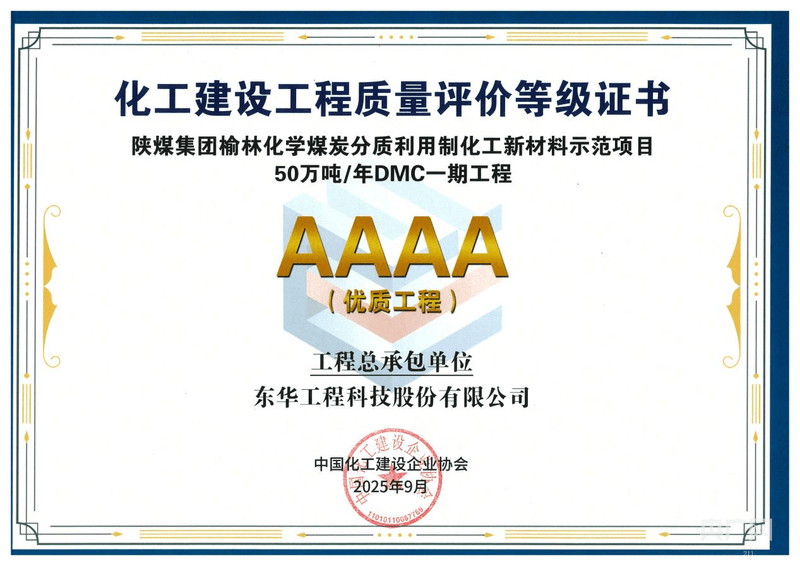
Core Viewpoint - The Shaanxi Coal DMC project, led by Donghua Engineering Technology Co., Ltd., has successfully passed the comprehensive acceptance and received a 4A quality evaluation for chemical construction projects in 2025, marking it as a high-quality engineering achievement [1][3]. Group 1: Project Overview - The Shaanxi Coal DMC project is the largest battery electrolyte solvent project in China, transforming coal into lithium batteries, showcasing a significant innovation in the transition from traditional coal chemical processes to high-end new energy applications [3][4]. - The project has a production capacity of 500,000 tons per year for DMC (Dimethyl Carbonate), which is a crucial raw material for lithium battery electrolyte solvents [4][6]. - The project utilizes a methanol vapor oxidation carbonylation method, recognized for its mild reaction conditions, safety, and low by-product generation, contributing to the clean and efficient utilization of coal resources [6][8]. Group 2: Project Significance - The project is pivotal for promoting the high-end, diversified, and low-carbon development of the coal chemical industry, aiding in the establishment of an internationally influential new energy industrial base in the region [4][15]. - The successful execution of the project reflects the company's commitment to sustainable development and its role as a leader in the green transformation of the chemical industry [15][16]. Group 3: Project Execution and Management - The project team has demonstrated high efficiency and quality, achieving a cumulative safe operation of 346 days without any accidents, and maintaining product quality at an industry-leading level [8][14]. - The project management emphasized safety, conducting 201 safety inspections and 12 emergency rescue drills, achieving a "zero accident, zero injury, zero pollution" safety and environmental goal [14][15]. - The team has implemented advanced project management practices, including real-time monitoring and feedback systems, to ensure effective communication and collaboration throughout the project lifecycle [14][15].


锂电溶剂龙头石大胜华拟赴港上市!巨亏之下,H股能救急吗?
Sou Hu Cai Jing· 2025-12-25 00:22
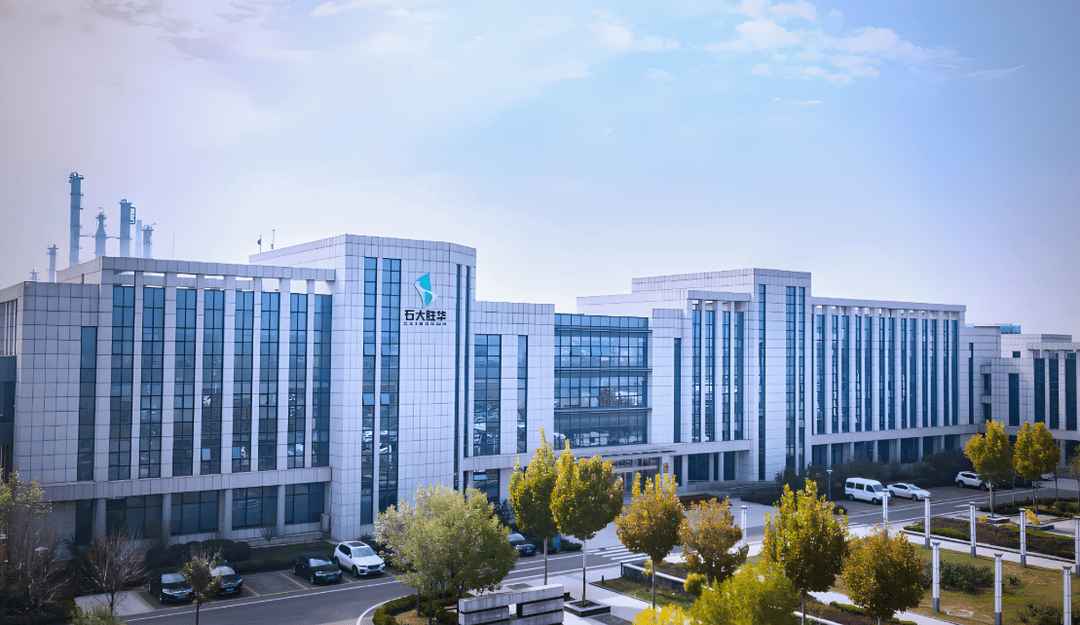
Core Viewpoint - The company, Shida Shenghua, is advancing its globalization strategy by planning to issue shares and list on the Hong Kong Stock Exchange to enhance its international capital operation platform and overall competitiveness [1] Group 1: Company Overview - Shida Shenghua, established in 2002 and headquartered in Dongying, is a full-chain company under Shida Holdings that provides lithium-ion battery electrolyte solvents, solutes, and additives [3] - The company has a production capacity of 500,000 tons/year for electrolytes, 800,000 tons/year for electrolyte solvents, 100,000 tons/year for solutes, and 21,000 tons/year for additives [3] Group 2: Financial Performance - The company has faced significant financial pressure, with a sharp decline in profitability. From 2022 to 2024, revenues were 8.316 billion yuan, 5.635 billion yuan, and 5.547 billion yuan, reflecting year-on-year changes of -17.86%, -32.24%, and -1.56% respectively [3] - Net profit attributable to shareholders dropped from 891 million yuan in 2022 to 18.726 million yuan in 2023 and further to 16.42 million yuan in 2024, with declines of 24.43%, 97.9%, and 12.32% respectively [3] Group 3: Recent Developments - In the first three quarters of this year, the company reported its first loss, with revenues of 4.635 billion yuan, a year-on-year increase of 11.41%, but a net profit of -62.2018 million yuan, a decline of 652.16% [4] - The loss is attributed to intense market competition and a decrease in product prices, leading to increased market investment and R&D expenses [5] Group 4: Accounts Receivable - The company's accounts receivable have remained high, with year-end balances of 870 million yuan, 613 million yuan, and 1.389 billion yuan from 2022 to 2024, reaching 1.706 billion yuan by September 2025 [6] Group 5: Stock Performance - Shida Shenghua was listed on the Shanghai Stock Exchange in May 2015 at an issue price of 6.51 yuan per share, with a peak price of 348.88 yuan in September 2021, followed by a decline [6] - In September this year, the stock price surged due to interest in lithium battery electrolytes, reaching a high of 110.56 yuan on November 17, before experiencing a pullback, closing at 79.45 yuan on December 24 [6]

2025年中国电解液溶剂行业政策、产业链全景、发展现状、重点企业及未来发展趋势研判:政策市场双向加持,电解液溶剂景气高涨[图]
Chan Ye Xin Xi Wang· 2025-11-24 00:50
Core Insights - The electrolyte solvent industry is crucial for the energy density, cycle life, and safety of batteries, with significant growth driven by policies and the dual demand from the new energy vehicle and energy storage markets [1][3][6] - China has become a global supply hub for electrolyte solvents, with substantial increases in output and exports, particularly in the context of the booming new energy vehicle sector [1][4][6] Industry Overview - Electrolyte solvents are essential components of electrolytes, facilitating ion transport in lithium-ion batteries, and must possess high dielectric constants, low viscosity, and chemical stability [2][3] - The solvent market is categorized into four main types: carbonate solvents, ether solvents, carboxylic ester solvents, and specialty solvents, each serving different battery technologies and applications [2] Policy Environment - Multiple policies have been introduced to support the electrolyte solvent industry, focusing on technological innovation, environmental standards, and recycling systems, which aim to enhance the industry's development and compliance with international standards [3][4] Industry Chain - The electrolyte solvent industry features a well-defined supply chain, with upstream raw materials supplied by major petrochemical companies, while leading firms like Haike New Source and Shida Shenghua dominate the midstream production segment [3][4][6] - The downstream market includes applications in new energy vehicles, energy storage systems, and consumer electronics, with the solvent quality accounting for 80%-85% of the electrolyte [3][4] Market Dynamics - The demand for electrolyte solvents is primarily driven by the new energy vehicle sector, which is expected to account for over 70% of the market by 2025, alongside a rapidly growing energy storage market [4][6] - The output of electrolyte solvents has seen a compound annual growth rate (CAGR) of 51.8% from 2019 to 2024, with projections indicating continued strong growth [6][7] Competitive Landscape - The industry is characterized by a concentration of leading companies such as Haike New Source and Shida Shenghua, which leverage technological advantages and large-scale production to maintain market leadership [7][8] - Haike New Source holds over 40% of the global market share in carbonate solvents, while Shida Shenghua is expanding its integrated supply chain capabilities [8][9] Future Trends - The electrolyte solvent industry is expected to evolve towards high-end technology, market concentration, and integrated production models, with a focus on developing high-purity, low-volatility solvents [10][11] - Companies will increasingly adopt vertical integration strategies to enhance cost control and supply chain stability, while also addressing global environmental regulations [12][13]

卫星化学(002648.SZ):碳酸酯可为下游电解液客户提供整体解决方案
Ge Long Hui· 2025-11-20 11:24
Core Viewpoint - Satellite Chemical (002648.SZ) has a current carbonate production capacity of 150,000 tons, which includes 60,000 tons of Dimethyl Carbonate (DMC), 50,000 tons of Ethylene Carbonate (EC), 40,000 tons of Diethyl Carbonate (DEC), and Ethyl Methyl Carbonate (EMC) [1] Group 1 - The company's carbonate products are utilized in downstream applications such as new energy and energy storage systems [1] - Satellite Chemical possesses a full industry chain advantage and a comprehensive product layout, covering four mainstream products used as lithium battery electrolyte solvents [1] - The company aims to provide overall solutions for downstream electrolyte customers [1]

卫星化学(002648.SZ):公司现有碳酸酯产能15万吨
Ge Long Hui A P P· 2025-11-18 01:33
Core Viewpoint - Satellite Chemical (002648.SZ) has a current carbonate production capacity of 150,000 tons, which includes 60,000 tons of Dimethyl Carbonate (DMC), 50,000 tons of Ethylene Carbonate (EC), 40,000 tons of Diethyl Carbonate (DEC), and Ethyl Methyl Carbonate (EMC) [1] Group 1 - The company’s carbonate products are utilized in downstream applications such as new energy and energy storage systems [1] - The company possesses a full industry chain advantage and a comprehensive product layout, covering mainstream products for four types of lithium battery electrolyte solvents [1] - The company aims to provide overall solutions for downstream electrolyte customers [1]
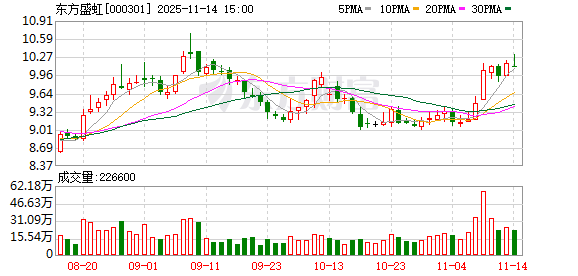
东方盛虹:公司目前拥有DMC产能7万吨/年,EC产能3.8万吨/年,装置运行平稳
Mei Ri Jing Ji Xin Wen· 2025-11-14 08:33
Group 1 - The core viewpoint is that Oriental Shenghong's subsidiary, Sierbang, produces high-purity ethylene carbonate (EC) and dimethyl carbonate (DMC), which can be used as key solvents in lithium battery electrolytes [2] - The company currently has a DMC production capacity of 70,000 tons per year and an EC production capacity of 38,000 tons per year, with stable operational performance [2]

锂电产业链集体大涨,海科新源8连阳
Huan Qiu Lao Hu Cai Jing· 2025-11-13 07:00
Core Viewpoint - The lithium battery industry chain has experienced a significant surge, driven by the rising prices of electrolyte additives and strong demand in the power battery and energy storage markets [1][2] Industry Overview - The recent increase in the lithium battery industry is closely linked to the price trends of electrolyte additives, with prices fluctuating daily and leading companies operating at full capacity [1] - The price of VC, a key additive in electrolytes, has risen significantly, with a reported increase of over 70% since June [1] Company Performance - Haike New Energy has signed contracts to supply nearly 800,000 tons of electrolyte solvents and additives over the next three years, indicating strong future demand [2] - The company is currently operating at nearly full capacity, with a production capacity utilization rate of 99.86% for its carbonate series [2] - Financial performance has shown improvement, with a 43.17% year-on-year increase in revenue for the first three quarters, reaching 3.653 billion yuan [2] - The company anticipates a recovery in solvent prices and is diversifying its product offerings to include solid-state electrolytes and new types of additives [2]