网红面包

Search documents
人均60元的网红面包,把年轻人割麻了
3 6 Ke· 2025-12-23 07:33
Core Viewpoint - The article discusses the rising prices of bread in China, highlighting the phenomenon of "luxury" bread and the changing consumer perception towards it, as well as the challenges faced by the baking industry in maintaining affordability and accessibility [2][44]. Price Trends - The price of bread has significantly increased, with items like a small toast priced at 28 yuan and bagels at 30 yuan, leading to comparisons with the cost of living and consumer wages [2][6][30]. - High-end bread brands are prevalent in major cities, with average prices ranging from 60 to 70 yuan, making it difficult to find options under 10 yuan [11][30]. Consumer Behavior - Consumers are increasingly surprised by the high prices of bread, which are now seen as a luxury rather than a staple food [9][11]. - The perception of bread has shifted from a simple food item to a status symbol, with consumers often feeling pressured to pay high prices for trendy options [6][51]. Market Dynamics - The baking industry is experiencing a rapid turnover, with more closures than openings among brands, indicating a challenging market environment [44][45]. - The average lifespan of a bakery is only 32 months, with 58% of stores closing within two years, reflecting the competitive and volatile nature of the industry [48][54]. Cost Factors - Rising costs in the baking industry are attributed to expensive ingredients, high labor costs, and significant rental expenses in prime locations [36][41]. - The trend of using premium ingredients and elaborate marketing strategies has further inflated prices, making it difficult for brands to offer affordable options [39][40]. Future Outlook - There is a growing demand for affordable bread options, with consumers expressing a desire for a "budget-friendly" alternative similar to the success of brands like "Mi Xue Bing Cheng" in the beverage sector [54][56]. - The industry faces a challenge in balancing quality and affordability, as consumers seek genuine and reasonably priced products amidst the trend of luxury bread [56].

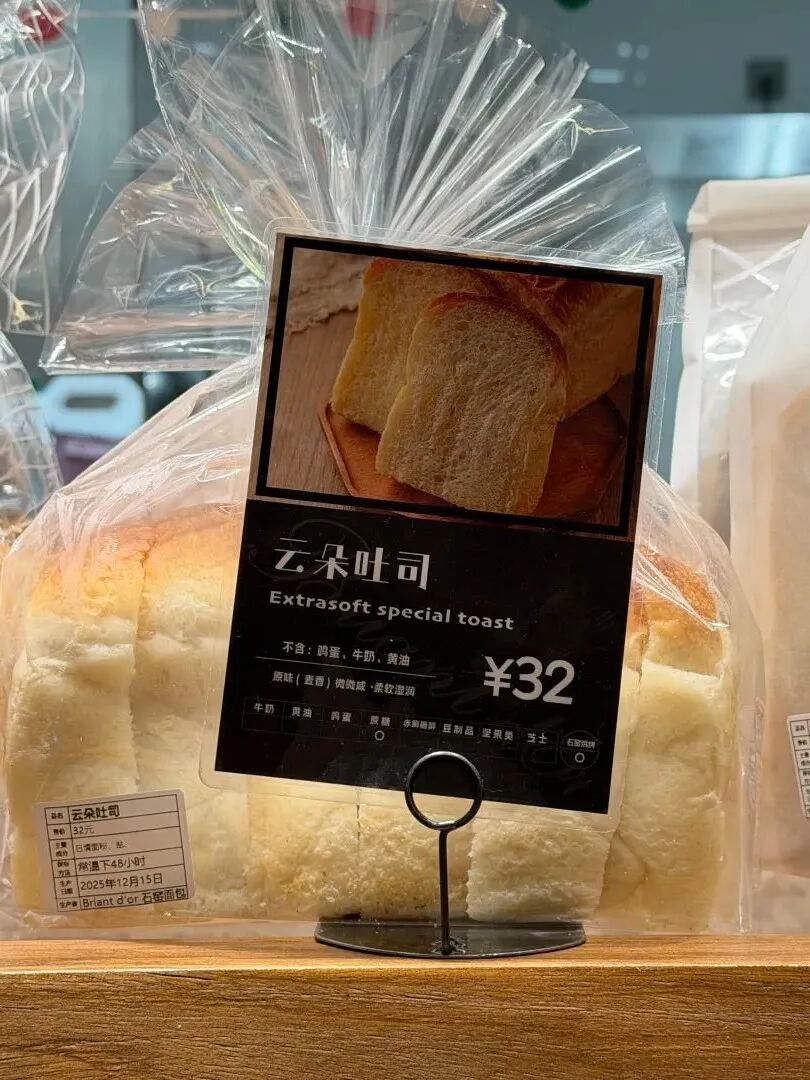
30元的蛋挞、50元的吐司、“店里永远排长队”……面包咋越来越贵?
Jing Ji Ri Bao· 2025-11-25 12:44
Core Viewpoint - The rising prices of trendy bakery products in China are attributed to various factors including high ingredient costs, long queues, and the need for continuous innovation to maintain brand appeal [3][6][7][14]. Pricing and Consumer Acceptance - In popular shopping districts like Xidan in Beijing, trendy bakery items are priced predominantly between 20 to 60 yuan, with few items below 10 yuan [3]. - Consumer reactions vary, with some accepting the prices for occasional purchases, while others feel that the quality does not justify the cost compared to cheaper supermarket options [3]. Factors Contributing to High Prices - Rising raw material costs are a significant factor in the price increase of bakery products, with many brands competing for high-quality ingredients [6]. - High labor costs and waste due to short product shelf life also contribute to the overall pricing strategy [6]. - The need for continuous product innovation and marketing efforts to maintain brand relevance leads to higher operational costs [7]. Marketing and Social Media Influence - Social media plays a crucial role in driving consumer interest and foot traffic to trendy bakeries, with topics like "must-try bakery items" gaining millions of views [8]. - The phenomenon of long queues at these bakeries is often shared on social platforms, enhancing their appeal as trendy spots [4]. Industry Challenges and Future Outlook - The bakery industry faces challenges such as product homogenization and declining registration of new baking businesses over the past five years [15]. - Issues like "scalpers" and negative queue experiences are eroding consumer trust in brands [15]. - Experts suggest that brands should invest in research and development for healthier product options and improve operational efficiency to reduce costs [15].
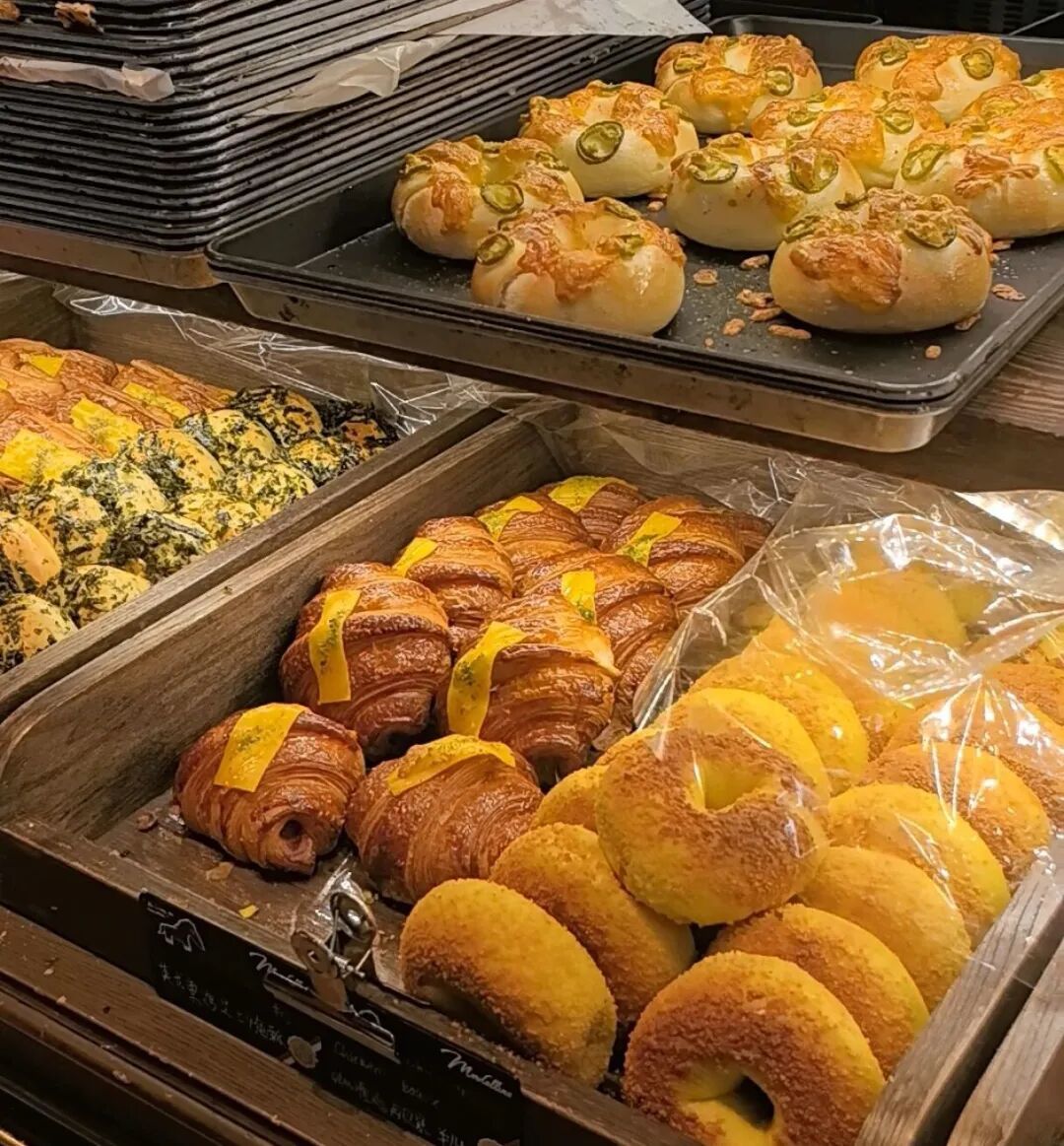
网红面包物有所值吗
Jing Ji Ri Bao· 2025-11-24 00:35
Core Viewpoint - The bakery industry is experiencing a contrasting trend compared to the competitive "9.9 yuan price war" in the tea and coffee sectors, with high-priced products becoming increasingly common in popular bakery stores [1][2] Pricing and Consumer Perception - High prices for bakery items, such as 30 yuan for egg tarts and 50 yuan for loaves of bread, are prevalent, with most products priced between 20 yuan and 60 yuan [1] - Consumers express mixed feelings about the high prices, with some willing to pay occasionally while others find the quality lacking compared to cheaper supermarket options [1] - Long queues at popular bakery stores have become a hallmark, with consumers often waiting hours to purchase trendy items [1] Cost Factors - Rising raw material costs are a significant factor driving up prices, as many brands are competing for quality ingredients [1] - High labor costs are also a concern, as training skilled bakers takes months, and the industry faces a high spoilage rate due to short product shelf life [1][2] - The operational costs, including rent and labor, contribute to the overall pricing strategy of bakery products [2] Marketing and Consumer Engagement - To maintain brand relevance, trendy bakeries are continuously launching limited products and engaging in marketing activities, which are reflected in their pricing [2] - Social media plays a crucial role in promoting bakery products, with topics related to "must-try bakery items" gaining millions of views [2] - The appeal of trendy bakeries lies in their ability to meet the emotional and experiential needs of younger consumers [2] Industry Challenges - Product homogeneity is a significant issue, with many new offerings lacking true innovation, leading to consumer fatigue [3] - The presence of counterfeit products and negative experiences, such as long wait times, are eroding brand loyalty [3] - The decline in the number of registered bakery-related businesses over the past five years indicates potential challenges in the industry [2] Future Directions - Experts suggest that brands should invest in research and development to create healthier products and innovate in ingredients and processes [3] - Operational improvements, such as centralizing production and adopting smart technology, could help reduce costs and waste [3] - Shifting marketing strategies from attracting new customers to retaining existing ones through transparency and trust-building is recommended [3]
35元一个的“沪币”面包,在四线小城杀疯了
虎嗅APP· 2025-11-07 10:16
Core Viewpoint - The rise of bread festivals in lower-tier cities reflects a growing demand for trendy and high-quality baked goods among young consumers, indicating a shift in consumer behavior and market dynamics in the baking industry [5][7][43]. Group 1: Bread Festival Trends - The first city bread festival was held in Lianyungang on November 2, with several other cities like Yancheng and Huai'an following suit, making bread festivals a new favorite autumn and winter activity [5][6]. - Bread festivals, once considered exclusive to major cities, are now attracting significant crowds in smaller cities, with events in Jiangmen and Shenyang drawing nearly 100,000 and 51,400 visitors respectively, generating substantial sales [13][25]. - The product offerings at these festivals show a remarkable similarity to those in first-tier cities, with many brands and products sharing names and styles, indicating a homogenization of the baking market across different city tiers [9][10][12]. Group 2: Consumer Behavior and Market Dynamics - Young consumers in smaller cities are increasingly seeking "upgraded" bread options, leading to a convergence in tastes and preferences with their counterparts in larger cities [7][8]. - The pricing of baked goods at these festivals is comparable to that in major cities, with most items priced between 10 to 40 yuan, making them accessible to a broader audience [12]. - The popularity of trendy bread products has led to a perception of these items as seasonal or regional specialties, with social media amplifying their desirability [21][24]. Group 3: Brand Expansion and Competition - Many emerging baking brands are using bread festivals as a platform to test new markets and expand their reach, resulting in a proliferation of similar brands across different cities [17][43]. - Traditional bakery chains like 85°C are struggling with declining sales and store closures, highlighting the competitive pressure from new, trendy brands that focus on niche products and social media marketing [25][26][27]. - The baking industry is becoming increasingly fragmented, with a significant number of small brands emerging, as indicated by the report predicting 338,000 bakery stores by 2025, with a large proportion being small-scale operations [34][35].
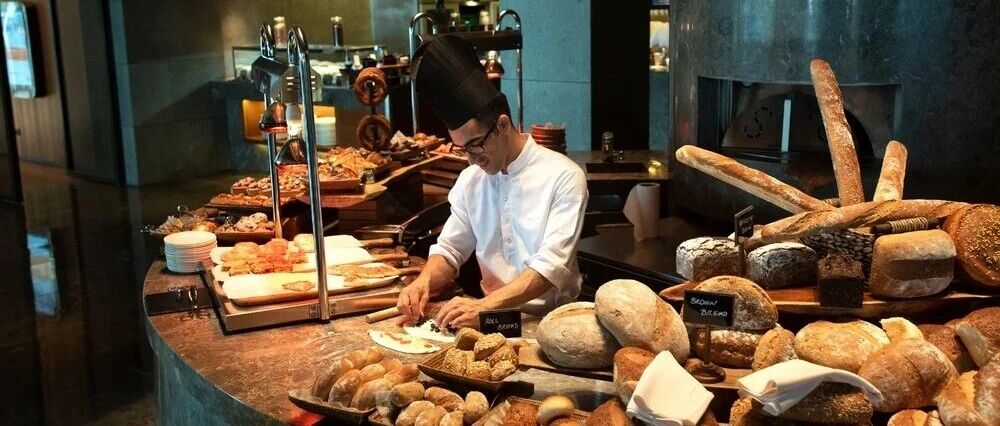
35元一个的「沪币」面包,在四线小城杀疯了
36氪· 2025-11-07 00:13
Core Viewpoint - The article discusses the rising trend of bread festivals in smaller cities in China, highlighting a shift in consumer behavior where young people are increasingly seeking high-quality, trendy bread products that were once considered exclusive to larger metropolitan areas [3][10][21]. Group 1: Bread Festival Phenomenon - The first bread festival in Lianyungang was held on November 2, with several other cities like Yancheng and Huai'an following suit, indicating a growing popularity of such events in autumn and winter [5][19]. - Bread festivals, initially perceived as a big city phenomenon, are now attracting significant crowds in smaller cities, with events in Jiangmen and Shenyang drawing tens of thousands of visitors and generating substantial sales [19][21]. - The pricing of bread at these festivals in smaller cities is comparable to that in major cities, with individual items typically priced between 10 to 40 yuan, often around 20 yuan [16][21]. Group 2: Market Dynamics and Consumer Behavior - The article notes that the product offerings at bread festivals in smaller cities closely resemble those in larger cities, with similar brand names and product types, indicating a convergence in consumer tastes [12][26]. - The expansion of trendy bread brands into smaller cities is narrowing the gap between urban and rural consumer experiences, as brands like HOT CRUSH have begun to open locations in less populated areas [22][26]. - Social media plays a significant role in driving the popularity of these bread festivals, as consumers share their experiences and promote the unique offerings available [24][55]. Group 3: Changing Landscape of Bakeries - The article contrasts the success of new trendy bakeries with the struggles of traditional chain bakeries like 85°C, which have seen a decline in sales and have closed multiple locations [38][39]. - New bakeries focus on niche products and unique offerings, often abandoning the traditional model of offering a wide range of baked goods, which has allowed them to capture consumer interest [42][44]. - The rise of social media and the desire for experiential consumption have made bread festivals and trendy bakeries appealing to consumers seeking a sense of happiness and fulfillment through food [58][63]. Group 4: Consumer Aspirations in Smaller Cities - Young consumers in smaller cities are increasingly seeking high-quality, trendy food experiences, reflecting a desire to enjoy the same lifestyle and products available in larger cities [66][72]. - The influx of trendy bakeries into smaller cities is filling a gap left by traditional private bakeries, catering to the growing demand for diverse and high-quality baked goods [73][75]. - The article emphasizes that this trend is not just a commercial phenomenon but also a reflection of changing lifestyles and aspirations among consumers in smaller cities [75].
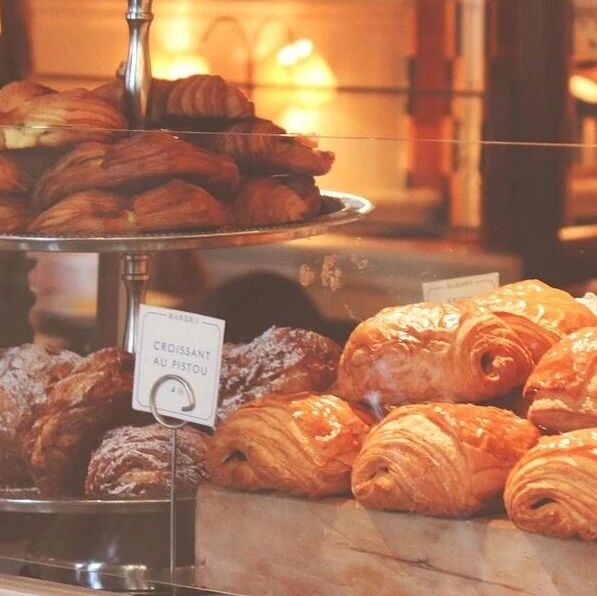
每年吃掉的贝果,连起来能绕地球两圈!这个“网红面包”到底有什么魔力?
东京烘焙职业人· 2025-06-06 06:52
严格来说,它已经在全球范围内红了600多年,是个老网红了。 毫无疑问,近两年年在国内爆火的单品面包,是贝果。 从被各大头部品牌的面包店单独分类开始,到北京、上海等大城市贝果专门店爆火,如北京的The Daily Bagel、Catch Bagel,上海的翠贝果、 Boom Boom Bagels等已经成为白领们的首选早餐店,与国内传统早餐品类豆浆油条打了个平手;再到连锁咖啡店的助推,贝果已经成为咖啡店标配 餐食,除了瑞幸、星巴克等,TIMS咖啡在之前公布2022年卖出950万个贝果,被戏称"Tims培养忠实用户咖啡没有做到,但贝果做到了。" 包括在采访的国内烘焙店铺主理人中,十家会有七家告诉我们,贝果是店里卖得最好的单品之一。 这些无不在昭示着贝果在国内的"顶级网红"身份,将在2025年持续下去。 本来在国内烘焙界,潮流产品呈现出的特征是"江山代有才人出,各领风骚数个月",见怪不怪了。但贝果还真不一样,值得我们单独为它写篇 文章,唠唠它的身份背景。 贝果真正的发源地有很多猜测,目前没有完全确切的证据能够表明哪种是正确的,但是毫无疑问的是,贝果最早是一种犹太面包。 贝果发源地猜测1:它最早源自中国新疆。 根据英 ...