可颂

Search documents
600多家店的桃酥巨头开始卖茶咖,最贵一杯9.9元
东京烘焙职业人· 2026-03-02 08:35
Core Viewpoint - The article discusses the recent opening of the first double-layer collection store by the new-style baking giant, Luxihe River, in Nanjing, which not only sells traditional pastries but also introduces tea and coffee, indicating a strategic expansion into the beverage market [5][40]. Group 1: Store Concept and Design - Luxihe River has launched its first double-layer collection store, featuring a spacious layout with a ground floor for freshly baked goods and a second floor designed for dining, equipped with seating areas for customers [9][13]. - The store's design incorporates fresh green and wooden elements, creating a modern and inviting atmosphere, with unique features like double arch doors and a vintage green cart that serves as an Instagram-worthy spot [11][32]. Group 2: Product Expansion - The new store has expanded its product offerings to include a variety of Western-style pastries such as donuts, croissants, and egg tarts, alongside traditional Chinese pastries like peach crisp and mung bean cake, enhancing its SKU diversity [15][18]. - The beverage section, named "Luxi Water Pavilion," introduces nine new drinks, including lemon tea and various coffee options, with prices remaining affordable, such as Americano at 5.9 yuan per cup [19][21]. Group 3: Market Trends and Strategic Positioning - The article highlights a trend in the tea and baking industry towards larger flagship stores, with Luxihe River's double-layer store being part of this movement, aiming to create a unique customer experience and enhance brand visibility [30][32]. - The integration of tea and coffee into a baking brand's offerings reflects a broader industry trend where traditional baking brands are exploring cross-category opportunities, as seen with other brands like Nayuki and Heytea [25][28]. Group 4: Innovation and Future Outlook - Luxihe River's continuous innovation in store formats, from handmade stores to themed stores, indicates a commitment to exploring market boundaries and adapting to consumer preferences [35][41]. - The article suggests that while the new store format serves as a testing ground for new concepts, its scalability remains uncertain, and the success of this model will depend on market reception over time [38][42].

【独家专访】欧包热销13年,稳居区域第一!这家烘焙小店靠什么留住客人?
东京烘焙职业人· 2026-02-26 08:33
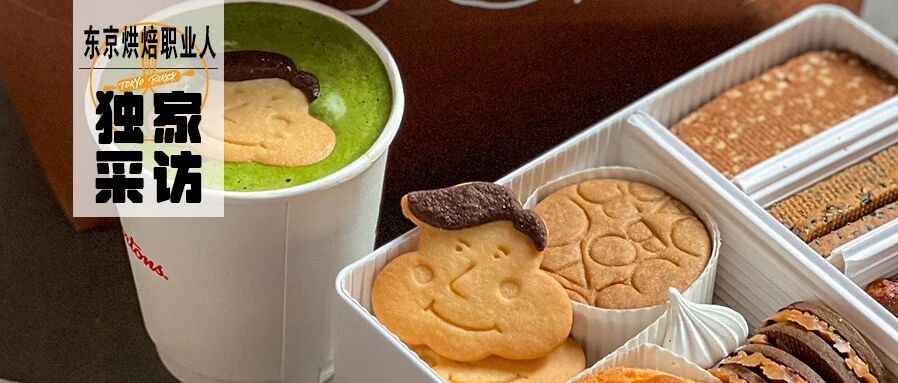
Core Viewpoint - The article highlights the entrepreneurial journey of "Chez BOA," a French bakery in Xi'an, emphasizing the unique partnership between the husband and wife team, their commitment to quality, and their innovative marketing strategies that focus on customer loyalty and product authenticity [2][5][12]. Group 1: Business Background - "Chez BOA" was founded by a couple, with the husband being a former baking school teacher and the wife his student, symbolizing their love and commitment through the bakery [5][6]. - The bakery started from humble beginnings without significant capital or prime location, relying on the wife's management skills to establish a foothold in the market [6][9]. Group 2: Product and Market Strategy - The bakery offers a diverse product line, including European-style bread, pastries, and even pasta, driven by a "technology + management" approach [12][20]. - The couple emphasizes a health-conscious philosophy, focusing on low oil and sugar content, which differentiates them from competitors who follow market trends [13][15]. - The bakery incorporates local flavors, such as using local jujube for yeast, enhancing its regional appeal while maintaining quality [21]. Group 3: Marketing and Customer Engagement - The transparent kitchen design serves as a marketing tool, fostering trust and allowing customers to witness the baking process, which encourages feedback and engagement [27][30]. - The bakery has built a strong private membership base of nearly 30,000, focusing on customer retention rather than mass advertising, which has sustained its revenue during challenging times [26][33]. - The couple's social media strategy shifted from product promotion to sharing authentic behind-the-scenes content, creating a genuine connection with customers [37]. Group 4: Future Plans - The couple aims to develop a "bread restaurant" concept that combines high-quality bread with healthy meal options, focusing on a holistic dining experience [39]. - They prioritize product development based on customer feedback, ensuring that offerings remain relevant and appealing over time [41].
烘焙时光集8|东京烘焙职业人 2018-2025热门文章精选
东京烘焙职业人· 2026-02-23 02:04
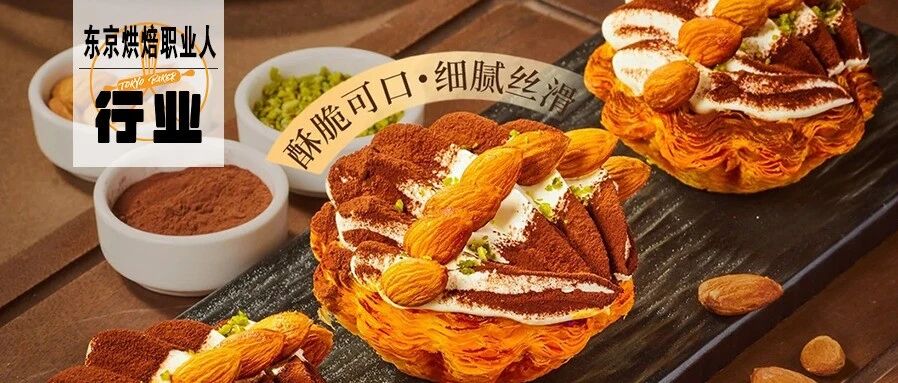
Core Insights - The article reflects on the journey of "Tokyo Baking Professionals" since its inception in 2015, highlighting the evolution and growth of the baking industry, as well as the craftsmanship and skills passed down through the years [1] Group 1: Industry Trends - The article emphasizes the importance of local flavor innovation as a key trend in the baking industry for 2025, suggesting that this approach resonates deeply with consumers [15] - The rise of domestic brands in the baking sector is noted, particularly in response to the increasing prices of imported butter and the growing popularity of local cream products [19][20] - The article discusses the shift towards online sales and delivery services in the baking market, indicating that brands are leveraging these channels to capture new customer segments [15] Group 2: Brand Highlights - The article features various successful baking brands, such as "可言可颂," which has gained popularity through a single product strategy, and "皇冠幸福里," which has thrived for 32 years by focusing on organizational, product, and community strengths [8][11] - The growth of "盒马烘焙" is highlighted, showcasing its strategic transformation towards industrialization in retail baking [11] - The article mentions the impressive performance of the Chinese team in international baking competitions, including a historic 4th place finish in the World Pastry Cup and a championship win at the Asian Pastry Cup [28][30][34] Group 3: Product Innovations - The article outlines various innovative baking products and techniques, such as the rise of "生" (raw) products like raw bread and donuts, which have gained traction from Japan to China [15] - It also discusses the increasing interest in matcha-flavored products among younger consumers, suggesting that matcha could become a leading trend in 2025 [15] - The article highlights the importance of ingredient transparency and competition in the baking industry, particularly following the removal of certain additives from products [15]
烘焙时光集7|东京烘焙职业人 2018-2025热门文章精选
东京烘焙职业人· 2026-02-22 02:05
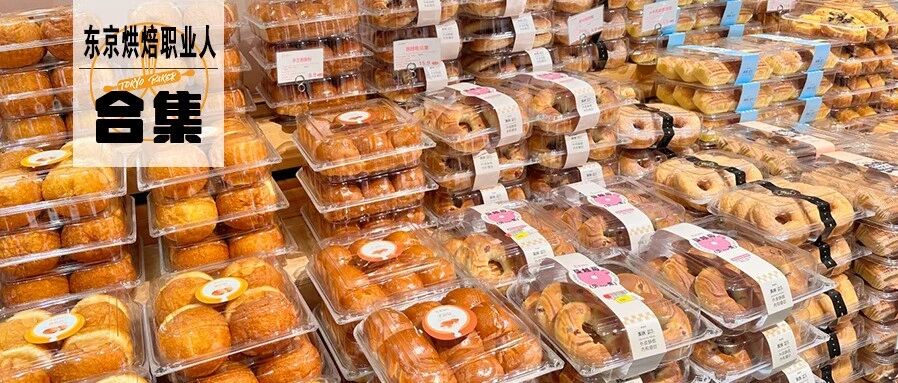
Core Insights - The article reflects on the journey of "Tokyo Baking Professionals" since its inception in 2015, highlighting the evolution and growth of the baking industry, as well as the craftsmanship and skills passed down through generations [1] Group 1: Popular Articles Collection - The collection features a compilation of popular articles from 2018 to 2025, showcasing in-depth articles, practical techniques, and industry insights that have resonated with readers [2][1] - The articles cover various themes, including unique bakery experiences, interviews with bakery owners, and innovative baking techniques that have gained popularity [5][6] Group 2: Store Exploration - The exploration of bakeries includes stories of unique shops, such as a bakery in Kyoto known for its natural yeast French bread, which sells out quickly [5] - Interviews with bakery owners reveal their journeys, such as a retired baker who runs a successful shop in a small alley and a designer who created a highly popular child-friendly bakery [5] - The collection also highlights the success of bakeries that have become local legends, such as a 70-year-old bakery in Japan attracting visitors from afar [5] Group 3: Technical Knowledge - Articles provide insights into essential baking techniques, such as understanding flour types, dough temperature management, and yeast usage [9] - The content emphasizes the importance of mastering various baking methods and ingredient substitutions to enhance baking skills [9] Group 4: Industry Insights - The article discusses trends in the baking industry, including the rise of health-conscious baking and the popularity of unique flavor combinations [15] - Insights into the challenges faced by bakeries, such as high product waste rates and market saturation, are also addressed, along with strategies for overcoming these issues [15]
烘焙时光集1|东京烘焙职业人 2018-2025热门文章精选
东京烘焙职业人· 2026-02-16 02:04
Core Viewpoint - The article reflects on the journey of "Tokyo Baking Professionals" since its inception in 2015, highlighting the evolution of the baking industry and the importance of craftsmanship and skill transmission. It serves as a compilation of popular articles from 2018 to 2025, aimed at providing warmth and professional support to baking enthusiasts during the New Year period [1]. Group 1: Popular Articles Collection - The collection includes articles that explore various baking shops and their unique offerings, such as a family-run French bakery and a dessert shop with a 15th-century history [5][6]. - It features insights into specific baking techniques and knowledge, including the appeal of a bakery run by three men and the significance of ingredients like yeast and salt in bread making [8][9]. Group 2: Technical Knowledge - The articles cover a wide range of technical knowledge related to baking, such as the importance of water in bread, the role of different types of flour, and the characteristics of various yeast types [10][12]. - It also discusses the significance of ingredients like dairy products and emulsifiers in baking, as well as the historical context of certain bread types like croissants [10][11]. Group 3: Inspiration Collection - The inspiration section includes creative ideas for sandwiches and showcases artistic bread made by students from Japanese baking schools [12]. - It highlights the 2018 World Baking Exhibition and the Bread World Cup, providing a visual representation of the industry's creativity and craftsmanship [12]. Group 4: Operational Insights - The operational articles focus on practical advice for opening and running a bakery, emphasizing the importance of product quality, customer relations, and effective marketing strategies [16]. - It addresses common challenges faced by bakery owners, such as managing unsold products and pricing strategies, providing case studies for better understanding [16].
面包刺客,正在失去年轻人
东京烘焙职业人· 2026-01-11 08:33
Core Viewpoint - The article discusses the rising prices of bread in the Chinese market, highlighting the disconnect between high prices and consumer willingness to pay, driven by factors such as cost increases and emotional value associated with premium products [8][20]. Group 1: Price Trends and Consumer Behavior - The average dining price for meals has approached levels seen in 2015, prompting many restaurants to lower prices to survive in a competitive market [8]. - Despite high prices, the demand for bread remains strong, with some popular bakeries experiencing long queues and even offering "resale" services at a markup [11][12]. - Consumers are increasingly willing to pay high prices for bread, associating it with emotional value and a sense of luxury in their fast-paced lives [20][21]. Group 2: Cost Factors Influencing Prices - High rental costs significantly impact bakery operations, with rents in prime locations consuming 15%-20% of sales [16]. - The trend of using premium ingredients has led to increased costs, as many brands compete on the quality of their raw materials [16]. - The "made fresh daily" model, while ensuring quality, raises labor costs and increases waste due to unsold products, with some bakeries reporting over 50% spoilage rates [19]. Group 3: Market Dynamics and Future Outlook - The bakery industry is undergoing a harsh consolidation phase, with a reported decrease of 87,658 bakery stores in the past year, and over 57% of new stores closing within two years [23][24]. - The high pricing strategy may not be sustainable as consumers become more rational and less willing to pay for inflated prices driven by marketing rather than product quality [24]. - The market may see a shift towards offering both high-quality and affordable products, as brands are pressured to focus on genuine quality and fair pricing to survive [27].
从“记录世界烘焙脉搏”到“解读世界烘焙脉搏”
东京烘焙职业人· 2026-01-05 08:33
Core Insights - The article emphasizes the evolution of the baking industry in China, highlighting the transition from being mere recorders and sharers of information to becoming decoders and connectors within the industry ecosystem [1] Group 1: Industry Trends - The potential for a leading global B2B brand in egg tarts is identified, with a focus on product development and brand co-creation as key strategies [2] - Hema, a supermarket brand, is noted for its rapid growth in the baking sector, reflecting new retail strategies that could serve as a reference for industrial baking [4] - The article discusses the importance of stability and emotional value in brand development, showcasing insights from 58 brand leaders [7] Group 2: Brand Innovations - Dingdong Maicai, an online fresh produce giant, has successfully entered the baking market, achieving over ten million in sales by leveraging its fresh food DNA [9] - The rise of Mr. Stone's Oven as a chain brand is highlighted, balancing artisanal quality with stable scalability [11] - Various boutique brands are mentioned, showcasing unique approaches to customer engagement and brand identity [12] Group 3: Consumer Preferences - The article notes a shift in consumer values, where baking brands must clearly define their purpose and the values they represent, moving away from a one-size-fits-all approach [13] - The growth of e-commerce in baking is discussed, with insights from leading e-commerce brand founders on navigating the market [14] Group 4: Product Development - The article outlines a variety of new recipes and techniques for 2025, emphasizing the connection between technological advancements and product innovation [19] - The rise of domestic butter brands and the potential of local cream products are highlighted as significant trends in the industry [22][24] - The article discusses the importance of local flour brands in reducing dependency on imports, marking a significant shift in the baking supply chain [26] Group 5: Competitive Landscape - The article reports on the competitive dynamics within the baking industry, including the impact of live-streaming e-commerce and the emergence of niche brands [16] - Insights into the success of brands like Keyan Keso, which gained popularity through a single product, are shared [18] Group 6: Industry Recognition - The achievements of the Chinese baking team in international competitions, including a historic fourth place at the World Pastry Cup, are celebrated [33][35] - The article highlights the increasing recognition of Chinese bakers on the global stage, with Chinese chefs being invited as judges in international competitions [41] Group 7: Future Outlook - The company plans to enhance industry information channels and explore new formats for brand storytelling in 2026, aiming to deepen connections within the baking community [44] - The article concludes with a forward-looking statement about the continued exploration of global baking trends and the importance of community feedback [45]
人均60元的网红面包,把年轻人割麻了
3 6 Ke· 2025-12-23 07:33
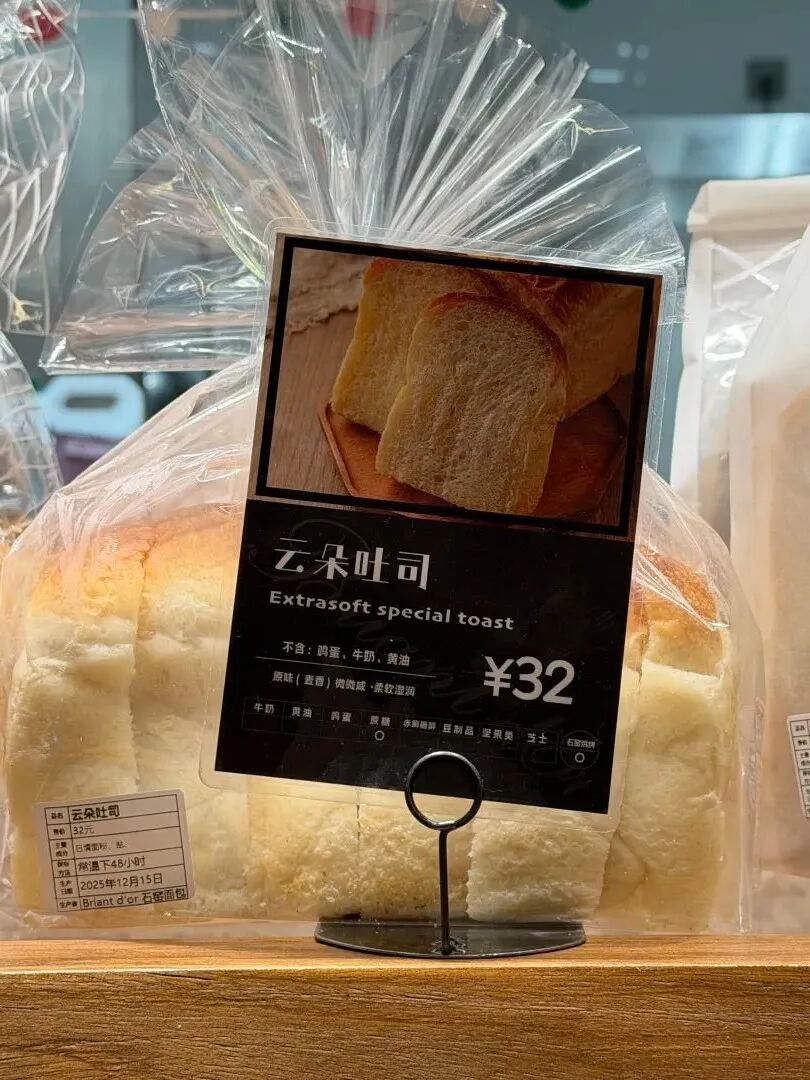
Core Viewpoint - The article discusses the rising prices of bread in China, highlighting the phenomenon of "luxury" bread and the changing consumer perception towards it, as well as the challenges faced by the baking industry in maintaining affordability and accessibility [2][44]. Price Trends - The price of bread has significantly increased, with items like a small toast priced at 28 yuan and bagels at 30 yuan, leading to comparisons with the cost of living and consumer wages [2][6][30]. - High-end bread brands are prevalent in major cities, with average prices ranging from 60 to 70 yuan, making it difficult to find options under 10 yuan [11][30]. Consumer Behavior - Consumers are increasingly surprised by the high prices of bread, which are now seen as a luxury rather than a staple food [9][11]. - The perception of bread has shifted from a simple food item to a status symbol, with consumers often feeling pressured to pay high prices for trendy options [6][51]. Market Dynamics - The baking industry is experiencing a rapid turnover, with more closures than openings among brands, indicating a challenging market environment [44][45]. - The average lifespan of a bakery is only 32 months, with 58% of stores closing within two years, reflecting the competitive and volatile nature of the industry [48][54]. Cost Factors - Rising costs in the baking industry are attributed to expensive ingredients, high labor costs, and significant rental expenses in prime locations [36][41]. - The trend of using premium ingredients and elaborate marketing strategies has further inflated prices, making it difficult for brands to offer affordable options [39][40]. Future Outlook - There is a growing demand for affordable bread options, with consumers expressing a desire for a "budget-friendly" alternative similar to the success of brands like "Mi Xue Bing Cheng" in the beverage sector [54][56]. - The industry faces a challenge in balancing quality and affordability, as consumers seek genuine and reasonably priced products amidst the trend of luxury bread [56].
网红面包物有所值吗
Jing Ji Ri Bao· 2025-11-24 00:35
Core Viewpoint - The bakery industry is experiencing a contrasting trend compared to the competitive "9.9 yuan price war" in the tea and coffee sectors, with high-priced products becoming increasingly common in popular bakery stores [1][2] Pricing and Consumer Perception - High prices for bakery items, such as 30 yuan for egg tarts and 50 yuan for loaves of bread, are prevalent, with most products priced between 20 yuan and 60 yuan [1] - Consumers express mixed feelings about the high prices, with some willing to pay occasionally while others find the quality lacking compared to cheaper supermarket options [1] - Long queues at popular bakery stores have become a hallmark, with consumers often waiting hours to purchase trendy items [1] Cost Factors - Rising raw material costs are a significant factor driving up prices, as many brands are competing for quality ingredients [1] - High labor costs are also a concern, as training skilled bakers takes months, and the industry faces a high spoilage rate due to short product shelf life [1][2] - The operational costs, including rent and labor, contribute to the overall pricing strategy of bakery products [2] Marketing and Consumer Engagement - To maintain brand relevance, trendy bakeries are continuously launching limited products and engaging in marketing activities, which are reflected in their pricing [2] - Social media plays a crucial role in promoting bakery products, with topics related to "must-try bakery items" gaining millions of views [2] - The appeal of trendy bakeries lies in their ability to meet the emotional and experiential needs of younger consumers [2] Industry Challenges - Product homogeneity is a significant issue, with many new offerings lacking true innovation, leading to consumer fatigue [3] - The presence of counterfeit products and negative experiences, such as long wait times, are eroding brand loyalty [3] - The decline in the number of registered bakery-related businesses over the past five years indicates potential challenges in the industry [2] Future Directions - Experts suggest that brands should invest in research and development to create healthier products and innovate in ingredients and processes [3] - Operational improvements, such as centralizing production and adopting smart technology, could help reduce costs and waste [3] - Shifting marketing strategies from attracting new customers to retaining existing ones through transparency and trust-building is recommended [3]
上海烘焙,怎么就成了全国最卷市场No.1?
东京烘焙职业人· 2025-11-03 09:29
Core Insights - Shanghai is the leading city in China's baking industry, with over 8,000 baking stores, accounting for a significant portion of the 338,000 nationwide [1][4] - The city's baking culture has evolved through distinct phases, each reflecting changes in consumer preferences and market dynamics [6][8] Group 1: Historical Development of Baking in Shanghai - The baking industry in Shanghai can be divided into four key phases, each marked by unique characteristics and consumer trends [8][10] - The first phase (1990s) saw the emergence of local brands and a mix of traditional and modern baking styles, with brands like 凯司令 and local shops gaining popularity [8][10] - The second phase (late 1990s to early 2000s) marked the entry of foreign and Taiwanese brands, leading to a brand-centric market with chains like 面包新语 and 克莉丝汀 becoming household names [12][14] - The third phase (mid-2000s) introduced boutique bakeries focusing on artisanal products, emphasizing quality ingredients and craftsmanship, with brands like Sunflour and 百丘 leading the way [17][20] - The fourth phase (late 2010s to early 2020s) saw a resurgence of local flavors and innovative concepts, blending traditional Chinese elements with Western baking techniques [22][24] Group 2: Factors Contributing to Shanghai's Dominance - Shanghai's unique consumer base, characterized by a willingness to experiment and a high aesthetic standard, has fostered a vibrant baking culture [32][34] - The city's dense urban structure and strong social media presence facilitate rapid brand visibility and consumer engagement, making it a trendsetter in the baking industry [35][37] - The evolution of baking entrepreneurs, often with international experience, has led to a focus on brand storytelling and lifestyle integration, enhancing product differentiation [38][40] - The discerning nature of Shanghai consumers drives continuous innovation among baking brands, ensuring that they remain at the forefront of market trends [41][46] Group 3: Current Trends and Consumer Behavior - The current baking landscape in Shanghai is marked by a diverse range of offerings, catering to various consumer segments and preferences [27][29] - The rise of health-conscious consumers has led to an emphasis on ingredient transparency, with terms like "French flour" and "natural yeast" becoming essential in brand positioning [48][50] - A shift in aesthetic preferences has emerged, with consumers favoring simplicity and authenticity over ostentation, reflecting a broader cultural trend towards minimalism [51][53] - The concept of baking as a lifestyle and cultural expression has solidified, with products serving as social currency and identity markers among consumers [55][57]