
美联储改革

Search documents
特朗普图穷匕见,他终于等到这一天:美国的印钞机,从此姓特
Sou Hu Cai Jing· 2026-02-03 04:37
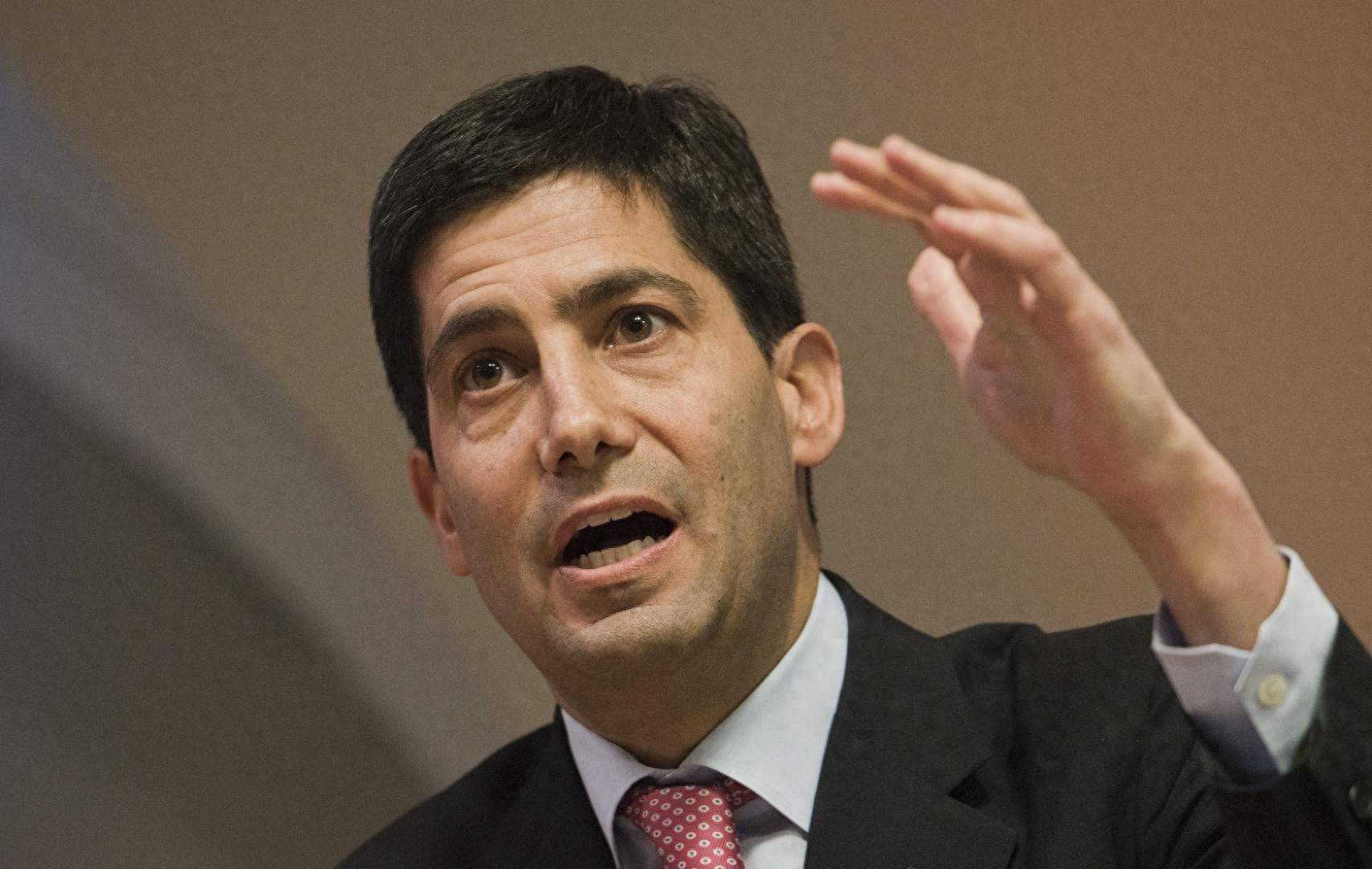
Core Viewpoint - The appointment of Kevin Warsh as the new Federal Reserve Chairman by President Trump signifies a major shift in the Fed's leadership and policy direction, potentially leading to significant reforms in monetary policy and the Fed's role in the global economy [1][16]. Group 1: Appointment and Implications - Trump's choice of Warsh is not merely a personnel change but indicates a desire for a transformative approach to the Federal Reserve, aiming for a more compliant institution that aligns with his economic policies [3][17]. - Warsh is praised by Trump as one of the best financial experts, suggesting high expectations for his leadership at the Fed [3][4]. - The transition is viewed as potentially the most significant leadership change at the Fed since Paul Volcker's appointment in 1979, which reshaped the Fed's credibility [16]. Group 2: Warsh's Background and Relationship with Trump - Warsh has a distinguished background, including degrees from Stanford and Harvard, and has built a strong network that connects him to Trump's political circle [4][6]. - His marriage into the Lauder family, which has ties to Trump, has facilitated his entry into Trump's inner circle, explaining Trump's long-standing familiarity with Warsh [7][9]. - Warsh's career trajectory includes becoming the youngest Fed governor at age 35 and navigating the challenges of the 2008 financial crisis, which has shaped his views on monetary policy [9][10]. Group 3: Policy Perspectives and Challenges - Initially supportive of the Fed's stimulus measures during the financial crisis, Warsh later expressed concerns about inflation risks associated with loose monetary policies, indicating a shift in his stance [10][12]. - His previous criticisms of the Fed's independence and calls for reform align with Trump's expectations for a more responsive Fed, suggesting a significant policy realignment [14][19]. - Warsh faces the dual challenge of satisfying Trump's demands while maintaining some level of independence and credibility within the Fed, particularly regarding interest rate decisions [19].

沃什的美联储“三板斧”:降息、缩表与改革能否落地
Sou Hu Cai Jing· 2026-02-02 04:07
Group 1 - Kevin Warsh has been nominated by Trump to lead the Federal Reserve, proposing three core strategies: interest rate cuts, balance sheet reduction, and institutional reform, which have garnered significant market attention [2] - The market sentiment has reversed, with expectations for interest rate cuts diminishing, as the Fed paused rate cuts in January 2026 due to persistent inflation and a stable labor market [3] - Warsh's plan to reduce the Fed's balance sheet while cutting rates has sparked debate, with concerns that this combination could tighten financial conditions if inflation does not decrease significantly [4] Group 2 - Warsh's policy framework relies heavily on the assumption that AI will drive productivity improvements, which he believes will help control inflation and create room for rate cuts [5] - The challenge for Warsh lies in the fact that interest rate decisions are made by the Federal Open Market Committee (FOMC), where he only has one vote, making it difficult to push for rate cuts without sufficient data support [6] - If Warsh cannot secure FOMC support for rate policies, he may pursue structural reforms within the Fed, which could have long-term implications for the central bank's independence and decision-making processes [8]
新浪财经资讯AI速递:昨夜今晨财经热点一览 丨2026年2月2日
Sou Hu Cai Jing· 2026-02-01 22:52
Group 1: Gold and Silver Market Dynamics - Recent fluctuations in gold and silver prices have led to significant market reactions, with gold experiencing its largest single-day drop since 1983 and silver prices plummeting by as much as 36% in a single day [1] - The Shenzhen Shui Bei market has shown a split response, with some investors engaging in panic selling while others are seizing the opportunity to buy at lower prices, leading to a surge in gold purchases [1][2] - Many banks have issued risk warnings, advising investors to approach the market with caution and avoid impulsive trading behaviors [1] Group 2: Real Estate Sector Outlook - The A-share and Hong Kong real estate sectors have shown strong performance, with several brokerage firms indicating that despite ongoing profit pressures, positive signals are emerging in the market [2] - Factors contributing to this stabilization include a slight decrease in the number of second-hand homes listed in major cities, supportive policy measures, and historically low valuations in the sector [2] - Institutions like CITIC Securities and Shenwan Hongyuan suggest that the most challenging period for the real estate sector may be over, recommending a focus on high-quality companies with core resources and operational capabilities [2] Group 3: Telecommunications Tax Changes - Major Chinese telecom operators, including China Mobile, China Unicom, and China Telecom, announced a tax adjustment that will increase the VAT rate on mobile data, SMS, and broadband services from 6% to 9% starting January 1, 2026 [3] - This change is expected to have a direct impact on the revenue and profit margins of these telecom companies [3] Group 4: Federal Reserve Leadership Changes - The nomination of Kevin Warsh as the new Federal Reserve Chair by Trump has caused significant market turbulence and a reevaluation of the Fed's role [4] - Warsh's reformist stance is anticipated to lead to aggressive interest rate cuts and a reduction of the Fed's balance sheet, aiming to diminish the Fed's power and size [4] - However, his radical approach may heighten tensions within the Fed and the broader market, facing substantial resistance and uncertainty [4] Group 5: Shenzhen Economic Performance - Shenzhen's GDP reached 3.87 trillion yuan in 2025, marking a 5.5% year-on-year growth, the highest among the top five cities [5] - The city is recognized as a leader in industrial output and foreign trade, contributing 10% of the national total [5] - Shenzhen also excels in various key areas, including the total number of business entities, R&D investment intensity, international patent applications, and cross-border e-commerce scale [5] Group 6: Capital Market Regulation - Regulatory authorities have emphasized the need to consolidate the positive momentum in capital markets, focusing on risk prevention, enhanced regulation, and promoting high-quality development [6] - Plans to deepen reforms in the ChiNext board and implement measures to support new productive forces have been outlined [6] - The guidelines for strategic investors indicate a minimum holding ratio of 5%, encouraging long-term capital to engage more deeply in corporate governance [6] Group 7: Banking Sector Adjustments - Ningbo Bank has reduced its interest rate on demand deposits to 0%, with other banks also lowering rates on gold accounts due to increased market volatility [8] - This trend is part of a broader strategy to manage risks and lower funding costs, potentially paving the way for future reductions in loan interest rates [8] Group 8: Silver Market Auction - A silver building in Hunan, constructed with 2.5 tons of silver, is set to be auctioned at a valuation of only 6.88 yuan per gram, significantly below market prices, raising public interest in asset valuation methods [7] Group 9: Oracle's Financial Challenges - Oracle is facing significant financial pressure due to aggressive expansion in AI data centers, leading to considerations of layoffs affecting 20,000 to 30,000 employees and potential divestitures of its Cerner medical software division [10] - The company has seen its stock and bond prices under pressure as several banks have ceased lending to its data center projects, exacerbating its financing challenges [10]



“变革派”沃什登场 各界重估美联储
Sou Hu Cai Jing· 2026-02-01 16:09
Group 1 - The core viewpoint of the articles revolves around the nomination of Kevin Walsh as the new Federal Reserve Chairman, which has led to significant shifts in market expectations regarding Federal Reserve policies [1][2] - Walsh's criticism of the Federal Reserve's expanding role and his calls for reform have garnered support from key figures, including Treasury Secretary Mnuchin, who has also condemned the Fed's "mission creep" [1][2] - The potential for Walsh to lead reforms at the Federal Reserve is contingent upon Senate approval, and he is expected to face skepticism regarding his commitment to independent policy-making [2][3] Group 2 - Walsh's past as a vocal critic of the Federal Reserve raises concerns about his ability to build trust with current FOMC members and staff, which may hinder his reform efforts [2][3] - The articles highlight Walsh's intention to reduce the Fed's reliance on traditional economic data and forecasts, advocating for a shift towards real-time information [4][5] - The Federal Reserve's balance sheet has expanded dramatically due to quantitative easing (QE), and Walsh's views suggest a desire to reduce the Fed's bond holdings, which could impact long-term borrowing costs [5][6] Group 3 - Walsh's proposed reforms include modifying the 1951 Treasury-Fed Accord, which is crucial for maintaining the Fed's independence from political pressures [8] - The articles emphasize that the new Chairman's influence will largely depend on their ability to persuade other FOMC members and communicate effectively with the public [8] - The potential success or failure of Walsh's leadership could have lasting implications for the Federal Reserve's reputation and its ability to achieve its dual mandate of full employment and price stability [8]
“变革派”沃什登场,引发对美联储角色全面重估
Di Yi Cai Jing· 2026-02-01 13:33
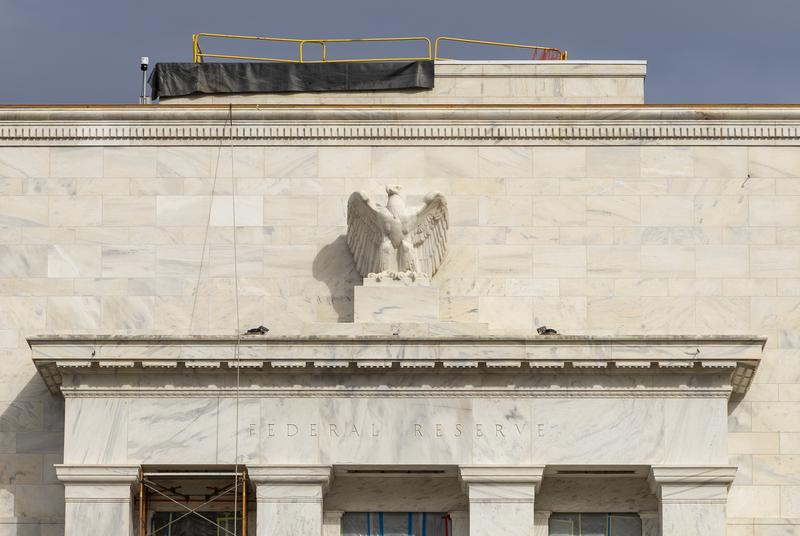
Core Viewpoint - The nomination of Kevin Warsh as the new Federal Reserve Chair has led to a significant shift in global investor expectations regarding Fed policies, with concerns about potential reforms and the implications for monetary policy and market stability [1][2]. Group 1: Warsh's Background and Views - Kevin Warsh, a former Fed governor, has been a vocal critic of the Fed's expanding role and policies since the 2008 financial crisis and the pandemic [1][2]. - Warsh advocates for a "revolution" within the Fed, suggesting a need to change its operational framework and economic thinking [5][11]. - He has expressed skepticism about the Fed's reliance on traditional economic models and data, arguing for a focus on real-time information and a reduction in dependence on lagging government data [8][7]. Group 2: Potential Reforms and Challenges - Warsh's leadership may lead to a reduction in public comments from FOMC officials and a shift away from data dependency in policy-making [4]. - Concerns exist regarding Warsh's close ties to the Trump administration and the potential for significant staff reductions at the Fed, which could impact its operational capacity [5][11]. - The Fed's current staff may resist Warsh's proposed reforms due to his critical stance on existing policies and the internal dynamics of the Fed [6][11]. Group 3: Market Reactions and Economic Implications - The announcement of Warsh's nomination resulted in a decline in U.S. stock indices, a drop in precious metal prices, and a rebound in the dollar and U.S. Treasury yields, indicating market apprehension about future Fed policies [1]. - Analysts predict that any significant reduction in the Fed's bond holdings could lead to increased long-term borrowing costs, affecting market stability [10][11]. - Warsh's views on the Fed's past quantitative easing measures and his desire to shrink the balance sheet could lead to a reevaluation of the Fed's role in fiscal matters [9][11].
中信证券:沃什被提名新任联储主席对市场影响几何?
Xin Lang Cai Jing· 2026-02-01 07:21
Core Viewpoint - The nomination of Kevin Warsh as the next Federal Reserve Chairman by President Trump aims to satisfy multiple demands, indicating a potential return to monetarism and the advancement of Fed reforms, although the aggressive implementation of "balance sheet reduction + interest rate cuts" may face constraints [1][2][4]. Group 1: Nomination and Background - Warsh's nomination is seen as fulfilling Trump's desire for a chairman who meets various criteria, including loyalty and independence, while also shifting towards a more dovish stance on interest rates [2][10]. - Warsh has a background in Morgan Stanley and served as a Fed governor from 2006 to 2011, where he was a key link between Wall Street and the Fed during the financial crisis [2][10]. Group 2: Economic Policy Implications - Warsh's return to the Fed may signify a resurgence of monetarist principles, advocating for controlling money supply to manage inflation expectations rather than maintaining high interest rates [3][11]. - He has criticized quantitative easing (QE) for exacerbating wealth inequality and has called for a clear exit strategy from such policies, suggesting that the Fed's balance sheet should only meet currency circulation needs [3][11]. Group 3: Regulatory and Monetary Policy Directions - Warsh is expected to focus on regulatory simplification and may adjust leverage ratios, reflecting his long-standing criticism of the Dodd-Frank Act and Basel III [4][12]. - The proposed combination of "balance sheet reduction + interest rate cuts" aims to support fiscal and real economic growth while addressing wealth disparity and inflation expectations, but current economic conditions may limit the extent of these measures [4][12]. Group 4: Market Reactions and Asset Implications - Warsh's nomination is likely to create significant short-term market volatility, but the long-term investment logic for certain assets may remain unchanged [5][13]. - In the currency market, Warsh advocates for a stable monetary policy to maintain a strong dollar, opposing currency devaluation for trade advantages [5][13]. - The bond market may experience further steepening of the yield curve if aggressive rate cuts or balance sheet reductions are pursued, making policy decisions critical for bond yields [5][13]. - The stock market outlook appears favorable overall, but increased volatility may arise from the Fed's smaller bank policies, with a focus on opportunities for small businesses [5][14].

沃什被提名为下任美联储主席
Sou Hu Cai Jing· 2026-01-31 06:55
Core Viewpoint - Kevin Walsh has been nominated by President Trump to be the next Chairman of the Federal Reserve, potentially replacing Jerome Powell, whose term ends in May 2024 [1] Group 1: Background of Kevin Walsh - Walsh, born in 1970, previously worked at Morgan Stanley focusing on mergers and acquisitions and served as a Federal Reserve Governor from 2006 to 2011, making him the youngest in that role at the time [2] - During the 2008 financial crisis, Walsh was a key liaison between then-Fed Chairman Ben Bernanke and Wall Street, supporting tight monetary policies [2] - He has provided economic policy advice to Trump and has personal ties to him through family connections [2] Group 2: Policy Shifts - Initially a supporter of free trade and a hawkish monetary policy stance, Walsh has recently aligned with Trump's tariff policies and calls for quicker interest rate cuts [2][3] - Walsh has criticized the Fed's post-crisis loose monetary policies, stating that the refusal to lower interest rates was a significant mistake [3] - He now advocates for lower interest rates and comprehensive reforms of the Fed, including reducing its balance sheet and easing bank regulations, which contrasts with typical rate-cutting scenarios [3] Group 3: Market Reactions and Uncertainties - Market reactions to Walsh's nomination are uncertain, especially given his recent shift towards Trump's administration [4] - There is skepticism regarding whether Walsh's nomination will be confirmed by the Senate, particularly in light of ongoing investigations into Powell by the Justice Department [4]
德商银行:沃什或从2026年年中开始降息
Sou Hu Cai Jing· 2026-01-30 14:57
Core Viewpoint - Analysts from Deutsche Bank, Bernd Weidensteiner and Christoph Balz, suggest that Kevin Warsh, the Federal Reserve chair nominee by Trump, will initially focus on building consensus within the Fed before gradually implementing further interest rate cuts starting mid-2026 [1] Group 1: Economic Outlook - The current strong performance of the U.S. economy makes Trump's call for "the lowest interest rates in the world" unlikely to be adopted [1] - There is a possibility that the Fed's monetary policy may become excessively accommodative, which could be disconnected from the current economic fundamentals [1] Group 2: Federal Reserve Reforms - Warsh advocates for reforms within the Federal Reserve, and his stance on defending the Fed's independence may differ from previous chairs, potentially increasing inflation risks [1]
贝莱德高管里德尔成美联储主席最热门人选
Sou Hu Cai Jing· 2026-01-25 13:23
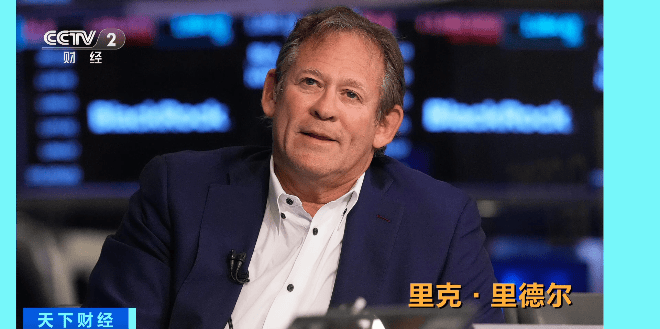
Core Viewpoint - The potential successor to the Federal Reserve Chair, Rick Rieder, has gained significant attention following President Trump's praise, with his nomination probability rising from 4% to approximately 50% [1][3]. Group 1: Nomination Context - President Trump expressed a strong impression of Rieder after a recent meeting, which has led to increased market expectations for his nomination [3]. - Current Federal Reserve Chair Jerome Powell's term is set to end in May this year, making Rieder one of the final candidates for the position [3]. Group 2: Candidate Profile - Rieder lacks traditional central banking experience but has been a key decision-maker at BlackRock for over a decade, currently serving as Senior Managing Director and Chief Investment Officer for Global Fixed Income [5]. - He manages a substantial asset portfolio of approximately $2.4 trillion, equivalent to about 16.7 trillion yuan [5]. Group 3: Policy Proposals - Rieder's emergence as a candidate is attributed to his reform ideas for the Federal Reserve, which align closely with the Trump administration's goals [5]. - He has publicly advocated for lowering the benchmark interest rate to around 3%, suggesting a reduction of at least 50 basis points from the current level, which he believes is closer to the neutral balance point [5].

Polymarket:贝莱德里德尔跃居美联储主席最大热门
Sou Hu Cai Jing· 2026-01-25 00:55
Core Viewpoint - The probability of Rick Riedel being elected as the Chairman of the Federal Reserve has surged to 54%, significantly ahead of the second-ranked candidate, Christopher Waller, at 29% [1] Group 1 - The prediction platform Polymarket indicates a strong likelihood of Riedel's election as Fed Chair [1] - Riedel's extensive experience on Wall Street and his open stance towards Federal Reserve reforms are enhancing his chances for the position [1]