美股波动

Search documents
银河期货:降息预期、央行购金与美股波动共振 黄金反弹格局能否延续?
Jin Tou Wang· 2026-02-10 10:21
Macro News - The probability of the Federal Reserve cutting interest rates by 25 basis points by March is 17.7%, while the probability of maintaining rates is 82.3% [1] - By April, the cumulative probability of a 25 basis point cut rises to 32.4%, with a 63.5% chance of rates remaining unchanged, and a 4% chance of a 50 basis point cut [1] - By June, the probability of a cumulative 25 basis point cut reaches 50.4% [1] - The White House's Hassett predicts a decline in employment, stating that AI will boost productivity and reduce labor demand [1] Institutional Views - Recent market sentiment has improved, with a V-shaped rebound in U.S. stocks and a weakening dollar, leading to a recovery in gold and silver prices from previous pessimism [1] - The People's Bank of China has increased its gold reserves, and U.S. Treasury Secretary Yellen indicated that the recent drop in gold prices was primarily driven by speculative selling and market rumors about domestic commercial banks potentially reducing their exposure to U.S. Treasuries [1] - These factors have collectively strengthened market confidence in precious metals like gold [1] - The recent price fluctuations are attributed to emotional and risk releases following rapid price increases, while the macroeconomic environment supporting gold and silver's long-term trends remains favorable [1] - This week will see the release of important data, including U.S. retail sales, non-farm payrolls, and CPI, but with the upcoming Chinese New Year, a cautious approach of light positions or staying out of the market is advised [1]
【申万宏源策略】如何看待美股近期波动加剧?——全球资产配置风险聚焦系列之三
申万宏源证券上海北京西路营业部· 2025-11-11 02:50
Core Viewpoint - The article discusses the recent increase in volatility in the US stock market and its implications for global asset allocation strategies [2] Group 1: Market Volatility - The US stock market has experienced significant fluctuations, raising concerns among investors about potential risks in asset allocation [2] - Factors contributing to this volatility include macroeconomic indicators, interest rate changes, and geopolitical tensions [2] Group 2: Global Asset Allocation - Investors are advised to reassess their global asset allocation strategies in light of the heightened market volatility [2] - The article emphasizes the importance of diversification across different asset classes to mitigate risks associated with market fluctuations [2] Group 3: Economic Indicators - Key economic indicators, such as inflation rates and employment data, are highlighted as critical factors influencing market sentiment and investment decisions [2] - The article notes that changes in these indicators can lead to rapid shifts in market dynamics, impacting investor confidence [2]


华尔街警告:美股估值高企与不确定性恐引发新一轮波动
Ge Long Hui A P P· 2025-10-14 10:03
Core Insights - Wall Street strategists warn that the U.S. stock market may face more volatility in the short term due to government shutdowns, trade uncertainties, and high valuations [1] - The market's sensitivity to news reflects its fragility, with the S&P 500 index having gone 97 trading days without a 5% pullback, exceeding the long-term average of 59 days, indicating a potential technical correction [1] - Analysts from Morgan Stanley and JPMorgan highlight the risks of market corrections due to high valuations, crowded positions, and trade instability [1] Group 1 - Multiple institutions believe that political and fiscal news, along with Federal Reserve policies, could trigger greater volatility in the final months of the year [1] - Simplify's multi-asset strategy head, Paisley Nardini, emphasizes the market's heightened sensitivity to news [1] - Morgan Stanley's Michael Wilson points out the ongoing risk of corrections in the short term [1] Group 2 - JPMorgan's Andrew Tyler warns of increased short-term risks due to high stock valuations and trade uncertainties [1] - The S&P 500's extended period without a significant pullback suggests a potential shift towards a technical correction phase [1]
小心美股“波动十月”!高盛预警:历史显示比其他月份更动荡
Zhi Tong Cai Jing· 2025-09-26 01:29
Group 1 - The S&P 500 index experiences approximately 20% higher historical price volatility in October compared to other months, according to Goldman Sachs [1][2] - The actual volatility of the S&P 500 index increased by 26% from August to October, indicating a trend of rising market fluctuations [1] - October is a critical period for investors and companies due to year-end performance evaluations, leading to increased trading volume and volatility [1] Group 2 - Goldman Sachs plans to purchase short-term options on days with significant events and avoid volatility products on non-event days to manage market fluctuations [2] - The upcoming earnings season is expected to be the period with the highest stock price volatility of the year, with over 450 significant events planned in the next four months that could impact global markets [2] - The list of significant events includes high-profile fashion shows and corporate activities, particularly in the healthcare sector, which are expected to create volatility opportunities [2]
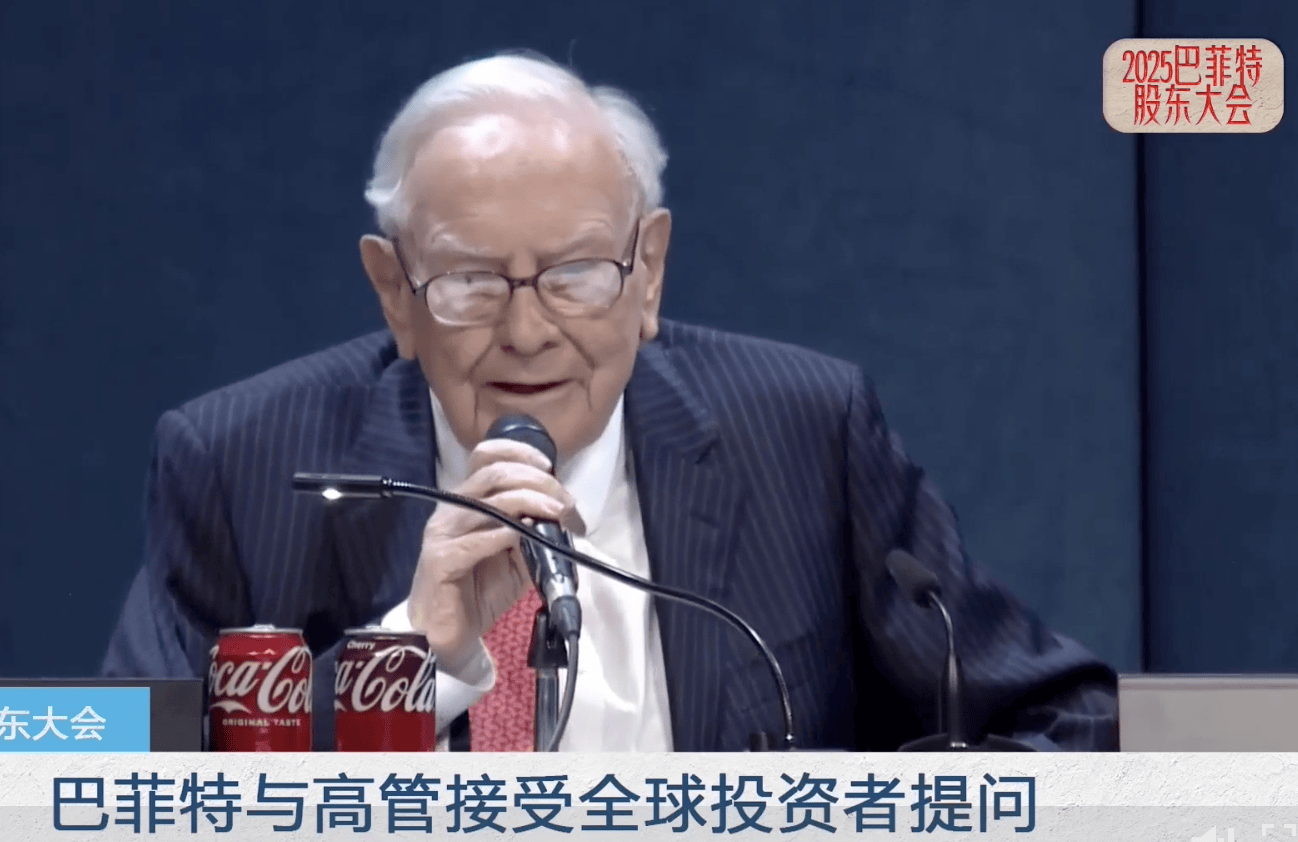
官宣年底退休,最后一届“巴菲特股东大会”说了什么?
Sou Hu Cai Jing· 2025-05-03 18:30
Core Insights - The annual Berkshire Hathaway shareholder meeting took place in Omaha, marking Warren Buffett's 60th year at the helm and potentially his last full participation [2][13] - Buffett announced he will step down as CEO by the end of the year, with Greg Abel set to take over, indicating a transition of power within the company [13][14] Trade Policy Discussion - Buffett emphasized that trade should not be used as a weapon and highlighted the importance of balanced trade for global benefit [3][4] - He noted that macroeconomic and geopolitical events, including trade policies, could impact Berkshire's operations in the future [4] Real Estate vs. Stock Market - Buffett stated that real estate is more challenging to navigate compared to the stock market, which offers more opportunities and quicker transactions [4][5] - He pointed out the complexities involved in real estate transactions, contrasting them with the rapid trading environment of the stock market [4] Investment Patience Principle - Buffett discussed the importance of knowing when to act quickly in investments, stating that sometimes it is necessary to break the patience principle to seize opportunities [6][7] - He advised that while patience is important, investors should not hesitate when a favorable opportunity arises [7] Successor Discussion - Buffett confirmed Greg Abel as his successor, highlighting the difficulty of finding exceptional talent in the capital investment industry [8][9] - He emphasized the importance of building a trustworthy team and the challenges associated with it [9] Market Volatility - Buffett reassured investors that recent market fluctuations are normal and should not cause panic, referencing historical market behaviors [9][10] - He encouraged investors to adapt their mindset to the inherent volatility of the stock market [10] Berkshire's Asset Allocation - Abel discussed Berkshire's strong balance sheet and the strategic use of cash reserves for future investments [11][12] - He reiterated that the company will maintain its investment philosophy and risk management strategies consistent with its past practices [12] CEO Transition Announcement - Buffett confirmed his retirement as CEO at the end of the year, while expressing his intention to remain involved in the company [13][14] - He praised Abel's capabilities, indicating confidence in the future leadership of Berkshire Hathaway [13]