自动化技术

Search documents
香港中华煤气(0003.HK)2025年度业绩:业务核心利润升4% 纯利持平 全年派息维持35港仙
Ge Long Hui· 2026-03-20 09:36
Core Insights - Hong Kong and China Gas Company Limited reported a 4% increase in core operating profit for the fiscal year 2025, with a stable net profit of HKD 57 billion [1][2] - The company is focusing on enhancing operational efficiency, restructuring its business, and diversifying its energy portfolio [1] Group 1: Financial Performance - The company's after-tax operating profit and core operating profit were HKD 7.5 billion and HKD 6 billion, respectively, reflecting increases of 2% and 4% [1] - The board proposed a final dividend of HKD 0.23 per share, bringing the total annual dividend to HKD 0.35 per share [3] Group 2: Business Development - In the Hong Kong utility sector, the company is providing gas and energy management solutions to new restaurant brands and large public facilities, maintaining stable gas sales volume [1] - The company is actively promoting the application of natural gas in the industrial market and upgrading old communities to use pipeline gas, achieving gas sales of 36.35 billion cubic meters [2] Group 3: Renewable Energy Initiatives - The company added 500 megawatts of distributed solar photovoltaic capacity, bringing the total installed capacity to 2.8 gigawatts, with solar power generation increasing by 36% to 2.48 billion kWh [3] - The company is expanding its renewable fuel production capacity, with EcoCeres's new plant in Malaysia expected to increase annual output from 350,000 tons to 770,000 tons by the end of 2025 [2] Group 4: Strategic Partnerships and Innovations - The company has established a joint venture with Foshan Energy to build a new green methanol plant, with an expected initial capacity of 200,000 tons by 2028 [2] - The company is leveraging artificial intelligence, big data, and automation technologies to enhance competitiveness and corporate value [3]

香港中华煤气(00003.HK)2025年度业绩:业务核心利润升4% 纯利持平 全年派息维持35港仙
Ge Long Hui· 2026-03-20 09:18
Core Viewpoint - Hong Kong and China Gas Company Limited reported a stable performance for the fiscal year 2025, focusing on quality improvement, business restructuring, and diversification in energy business, with a robust business framework established [1] Financial Performance - The company's after-tax operating profit and core business profit were HKD 7.5 billion and HKD 6 billion, representing increases of 2% and 4% respectively [1] - Shareholders' profit attributable was HKD 5.7 billion, remaining similar to the previous year [1] - The board proposed a final dividend of HKD 0.23 per share, totaling HKD 0.35 per share for the year, including an interim dividend [5] Business Development - In the Hong Kong public utility sector, the company provided gas and energy management solutions to mainland restaurant brands and emerging food service operators, maintaining overall gas sales [3] - The company introduced the first integrated hydrogen power generator for the 15th National Games golf event, promoting green energy [3] - In mainland China, gas sales volume was 36.35 billion cubic meters, remaining stable, with a slight increase in urban gas pricing [3] Renewable Energy Initiatives - The company is expanding its sustainable aviation fuel (SAF) production, with a new facility in Malaysia expected to increase annual capacity from 350,000 tons to 770,000 tons by the end of 2025 [3] - A joint venture with Foshan Energy for green methanol production is underway, with an initial capacity of 200,000 tons expected by 2028 [4] - Distributed solar photovoltaic capacity increased by 500 megawatts, reaching a total of 2.8 gigawatts, with a 36% rise in solar power generation to 2.48 billion kWh [4] Strategic Initiatives - The company aims to leverage opportunities in green and low-carbon development, participating in the establishment of national zero-carbon parks as part of the national "14th Five-Year Plan" [4] - The establishment of a smart living service platform, "Mingqi Home," has aggregated a customer base of 46 million gas users across Hong Kong and mainland China [4]


投资人抢着加码!Anthropic新一轮融资额有望翻倍,估值达到3500亿美元!
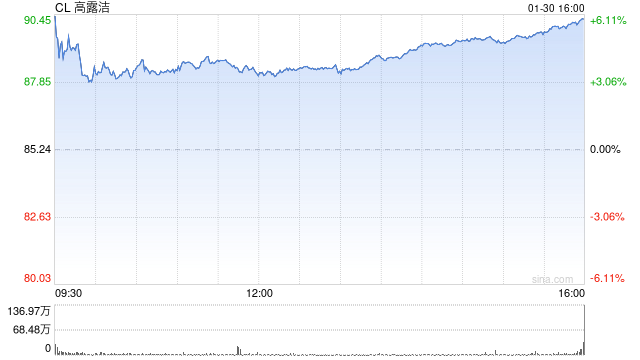
Hua Er Jie Jian Wen· 2026-02-07 02:02
Core Insights - Anthropic, an AI startup, is entering the final stages of a large-scale financing round expected to exceed $20 billion, with a potential valuation of $350 billion [1] - The initial fundraising target was around $10 billion, but investor demand has significantly surpassed expectations, leading to a potential doubling of the financing amount [1] - Major institutional investors, including Coatue Management, GIC, and Iconiq Capital, have committed over $1 billion each, while strategic investors Nvidia and Microsoft plan to invest up to $15 billion each [1] Company Developments - Anthropic's annualized revenue surpassed $9 billion last summer, indicating strong commercialization progress [1] - The company recently launched a new AI model aimed at optimizing enterprise task automation, which has led to significant sell-offs in software and financial services stocks, affecting market valuations by billions [1] - The coding agent tool developed by Anthropic has become a preferred choice among enterprises and developers, solidifying its competitive advantage in the enterprise AI market [1] Market Context - The current financing round coincides with OpenAI's negotiations for a new funding round potentially reaching $100 billion, which could set a new record for AI financing globally [3] - Both Anthropic and OpenAI are preparing for IPOs, indicating a significant shift in the AI industry landscape [3] - The rising valuations in the AI sector are accompanied by substantial capital pressures related to building data centers, procuring chips, and recruiting top talent [3]
四中全会精神在基层丨不到30秒,一辆汽车出口!这座港口涌动“开放密码”
Xin Hua Wang· 2026-02-04 15:31
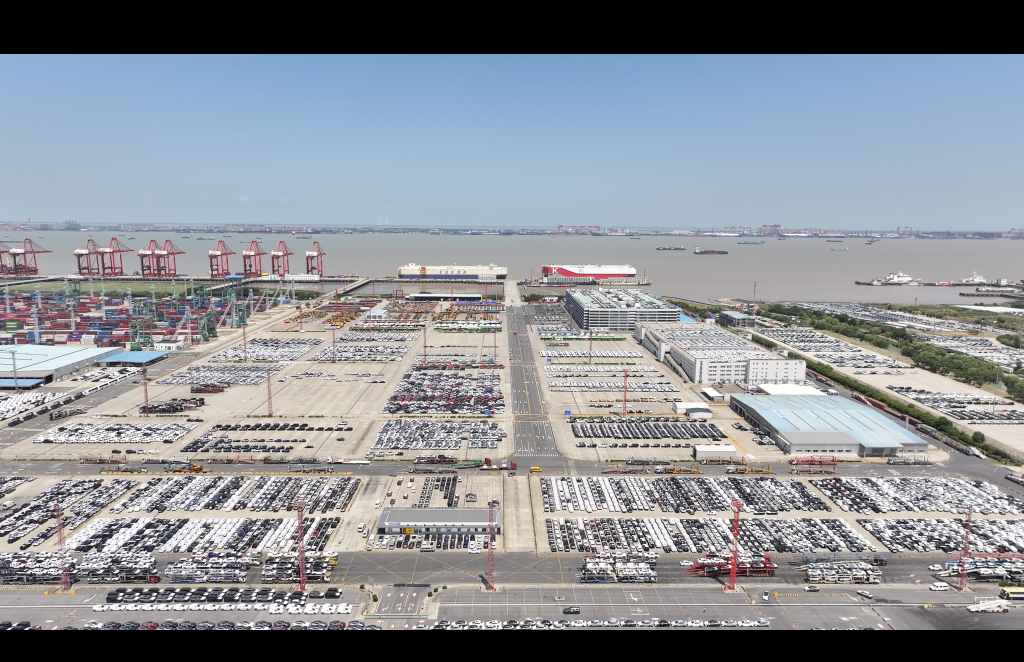
Core Insights - The article highlights the significant growth of the automotive export sector in Shanghai, particularly through the Haitong Automotive Roll-on/Roll-off Terminal, which is set to export 1.457 million vehicles by 2025, marking a 15% year-on-year increase [1] - Shanghai's total import and export volume reached 4.51 trillion yuan, a historical high, with exports increasing by 10.8% [1] Group 1: Terminal Operations and Growth - The Haitong Terminal has expanded its operations from a single port to a collaborative model involving two ports and three locations, increasing its vehicle handling capacity from 2.06 million in 2021 to 3.98 million by 2025, representing a growth of over 90% [3] - The export volume of vehicles from the terminal is projected to rise from 900,000 in 2021 to 2.74 million by 2025 [3] Group 2: Logistics and Infrastructure - The "Two Ports and Three Locations" model integrates resources and enhances logistics efficiency, addressing challenges such as tight shipping schedules and limited space [3] - The terminal has established 12 international automotive roll-on/roll-off shipping routes, covering 295 ports in 135 countries and regions, with a projected volume of over 200,000 for "water-water transport" by 2025 [3] Group 3: Future Development and Sustainability - The terminal aims to focus on green and intelligent development during the 14th Five-Year Plan, enhancing its green energy systems and achieving near-zero carbon emissions [4] - Plans include the implementation of a unified data platform, automated handling, and AI decision-making systems to transform port operations [4]
行业聚焦:全球财务援助管理软件行业头部生产商市场份额及排名调查(附核心企业名单)
QYResearch· 2026-02-04 04:01
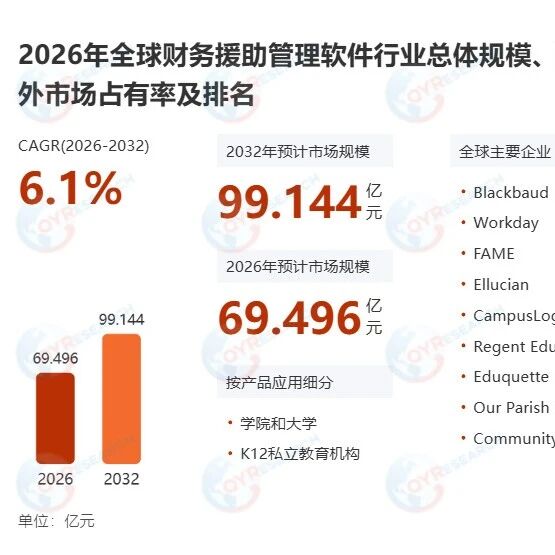
Core Viewpoint - The article discusses the growing importance and market trends of financial aid management software, highlighting its role in enhancing compliance, reducing costs, and improving the overall management of financial aid processes in educational institutions and public sectors [4][6]. Market Trends - The global financial aid management software market is projected to reach USD 960 million by 2032, with a compound annual growth rate (CAGR) of 6.2% over the coming years [6]. - The software is evolving from customized projects to platform-based services, with a significant focus on compliance auditing, fund traceability, and real-time monitoring [4][15]. - Cloud-based solutions currently dominate the market, accounting for approximately 54.0% of the total market share [8]. Market Drivers - The expansion of educational and social funding is driving the demand for specialized management software, as governments increase financial investments in education equity and social welfare [16]. - There is a rising need for compliance and transparency, prompting organizations to adopt information systems to mitigate compliance risks [16]. - The complexity of management and rising labor costs necessitate the shift from traditional manual systems to automated software solutions [16]. Market Challenges - The lengthy decision-making cycles and complex procurement processes of major clients, such as government and educational institutions, pose challenges for market expansion [17]. - High customization demands due to varying policies across regions increase development and implementation costs [17]. - Data security and privacy concerns are critical, as the software handles sensitive personal financial and identity information [17]. Key Players - Major players in the global financial aid management software market include Workday, Blackbaud, Unit4, Ellucian, and TADS, with the top five companies holding approximately 42.1% of the market share by 2025 [11]. Application Segments - Colleges and universities represent the primary demand source for financial aid management software, accounting for about 53.3% of the market share [12].
市值突破1万亿美元!沃尔玛完成“传统零售公司的深刻转型”,股价两年翻倍
美股IPO· 2026-02-04 01:02
Core Viewpoint - Walmart's e-commerce business is rapidly expanding, with analysts predicting annual sales will reach approximately $140 billion, marking its first profitable year as an independent department last year. Walmart has emerged as a strong competitor to Amazon, although its market capitalization remains significantly lower at $2.6 trillion compared to Amazon's [1][3]. Group 1: E-commerce Growth - Walmart's transformation is centered around the rapid expansion of its e-commerce business, which is expected to exceed $700 billion in total revenue this month [6]. - The company now offers same-day delivery services to 95% of U.S. households, and its e-commerce division achieved profitability for the first time last year [6]. - Analysts highlight Walmart's transformation as one of the most profound changes seen in retail companies, posing challenges to competitors like Amazon [6]. Group 2: Valuation and Market Position - Walmart's market capitalization surpassed $1 trillion, making it the first traditional retailer to reach this milestone, joining a club previously dominated by tech giants [3]. - Despite its significant growth, Walmart's valuation remains low compared to tech giants, with Amazon's market cap at $2.6 trillion [9]. - The Walton family's stake in Walmart, which amounts to 44% of the company, is now valued at over $440 billion, reflecting the increase in the company's valuation [9]. Group 3: Technological Investments - Walmart is actively investing in artificial intelligence and automation, which has attracted investor interest in tech stocks [7]. - The company has partnered with OpenAI and Google to integrate online shopping into their search chatbots, enhancing customer experience [7]. - Investments in automation have led to cost savings, allowing Walmart to maintain a global workforce of approximately 2.1 million employees despite revenue growth [7]. Group 4: Historical Context and Investor Sentiment - Ten years ago, Walmart's success was uncertain as Amazon was rapidly growing, leading to significant investments in employee wages and online business development [8]. - In late 2016, Walmart's market cap was only $212 billion, and Warren Buffett's Berkshire Hathaway sold most of its shares due to concerns about retail changes [8]. - Following these investments, Walmart's sales surged, driven by e-commerce growth and consumer demand for low prices during inflationary periods [8].

市值突破1万亿美元!沃尔玛完成“传统零售公司的深刻转型”,股价两年翻倍
Hua Er Jie Jian Wen· 2026-02-04 00:40
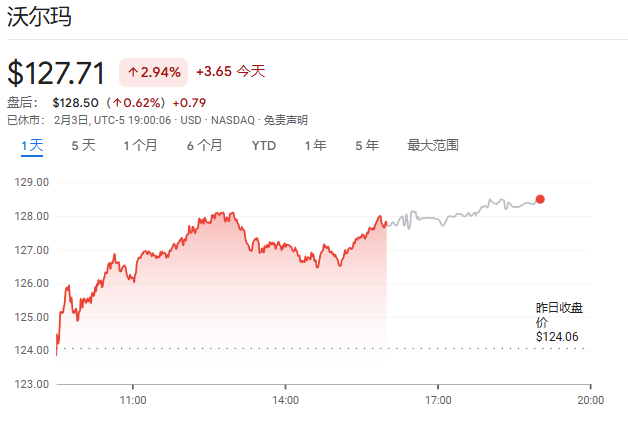
Core Viewpoint - Walmart's market capitalization surpassed $1 trillion, making it the first traditional retailer to reach this milestone, joining a club previously dominated by tech giants [1] Group 1: Company Transformation - Walmart's stock price has more than doubled in the past two years, outperforming the S&P 500 index [1] - The achievement reflects the success of Walmart's ten-year transformation, which involved investing billions in e-commerce, positioning it as a strong competitor to Amazon [1] - The company's e-commerce sales are expected to reach approximately $140 billion for the year, marking its first profitable year in this segment [1][3] Group 2: E-commerce Growth - Analysts predict Walmart's annual revenue will exceed $700 billion, although Amazon's revenue is expected to surpass Walmart's for the first time [3] - Walmart can now offer same-day delivery services to 95% of U.S. households, showcasing significant progress in its e-commerce operations [3] - The profitability of Walmart's e-commerce division is seen as a pivotal moment for investors [3] Group 3: Technological Investments - Walmart is embracing AI and automation technologies, which have attracted investor interest in tech stocks [4] - The company has partnered with OpenAI and Google to integrate online shopping into their search chatbots, enhancing customer experience [4] Group 4: Competitive Positioning - Walmart's combination of workforce, procurement, and technology has been crucial to its success, allowing it to compete effectively against strong rivals like Amazon and Costco [5] - Despite revenue growth, Walmart has maintained a global workforce of approximately 2.1 million employees [5] Group 5: Historical Context - Ten years ago, Walmart's future was uncertain as Amazon was rapidly growing, leading to significant investments in employee wages and online business development [6] - In late 2016, Walmart's market value was only $212 billion, and major investors like Berkshire Hathaway sold off their shares due to concerns about retail industry changes [6] Group 6: Valuation Comparison - Walmart's market capitalization is still significantly lower than Amazon's $2.6 trillion, and it remains below other tech giants like Nvidia and Apple [7] - Walmart has absorbed a significant portion of tariffs imposed during the previous administration, impacting its pricing strategy [7] - The increase in Walmart's valuation has significantly boosted the wealth of the Walton family, who hold 44% of the company's shares, now valued at over $440 billion [7]
美国政府停摆,非农数据又“鸽”了
Xin Lang Cai Jing· 2026-02-03 17:46
Group 1 - The U.S. Senate passed a funding bill for multiple federal departments just hours before funding was set to run out, but the House of Representatives will not vote on it until they reconvene, leading to another government shutdown [1][3] - The partial government shutdown has delayed the release of the January non-farm payroll report, creating a data gap for the market following recent volatility in precious metal prices [1][3] Group 2 - The Bureau of Labor Statistics (BLS) announced that due to the government shutdown, the January employment report scheduled for release on February 6 will be postponed, along with the December 2025 job vacancies report [3][4] - The current economic environment shows conflicting signals, with strong GDP growth but a weak labor market, as evidenced by a significant drop in average monthly job additions since March [4][5] Group 3 - The non-farm payroll data is crucial for assessing the U.S. economy, with expectations that the reported job additions for the year ending March 2025 may be overstated by approximately 180,000 jobs [5][6] - The overall labor market is experiencing slow growth, with a notable increase in the proportion of long-term unemployed individuals, indicating a potential shift in employment dynamics [5][8] Group 4 - Analysts suggest three potential scenarios for the U.S. economic outlook: an acceleration in hiring to match strong growth, a slowdown in growth to align with weak employment, or structural changes due to advancements in AI and automation [6][7] - The upcoming non-farm payroll data could significantly influence market trends, particularly regarding the Federal Reserve's interest rate decisions, as concerns about labor market weakness persist [7][9]

美国政府停摆 非农数据又“鸽”了
Bei Jing Shang Bao· 2026-02-03 13:57
Group 1 - The U.S. Senate passed a funding bill for multiple federal departments just hours before funding was set to run out, but the House of Representatives has not yet voted on it, leading to a potential government shutdown again within three months [1][3] - The partial government shutdown has delayed the release of the January non-farm employment report, creating a data gap in the market following volatility in precious metal prices [1][3] - The Bureau of Labor Statistics (BLS) announced that due to the government shutdown, the scheduled release of the January employment report will not occur on time, and data collection and processing will be paused [3][4] Group 2 - The current economic situation shows mixed signals, with strong GDP growth but a weak labor market, as evidenced by a significant drop in average monthly job additions since March [4][6] - The January employment report was expected to show an increase of 80,000 jobs, up from 50,000 in December, but the labor market has been under scrutiny due to layoffs from major companies like Amazon and UPS [4][6] - The overall labor market is experiencing slow growth, with a notable increase in the proportion of long-term unemployed, indicating potential economic pressures affecting hiring [6][9] Group 3 - The non-farm payroll data is crucial for assessing the U.S. economy, with expectations that the reported job increases may be overstated by approximately 100,000 jobs due to discrepancies with tax data [6][8] - The Federal Reserve's interest rate decisions may be influenced by the labor market's performance, with a potential for rate cuts if employment data continues to show weakness [8][9] - Analysts suggest three possible scenarios for the U.S. economy: faster hiring to match growth, a slowdown in growth to align with weak job additions, or structural changes due to advancements in technology [7][9]

高露洁销售额增长,但消费者不确定性令前景蒙上阴影
Xin Lang Cai Jing· 2026-01-31 01:21
Core Viewpoint - The consumer goods industry is currently facing significant challenges due to consumer uncertainty regarding the economic outlook, leading to a reluctance to stock up on everyday items like toothpaste and dishwashing liquid [2][8]. Group 1: Company Performance - Colgate's CEO Noel Wallace indicated that the company does not expect a significant improvement in the U.S. economy in the coming quarters, despite a slight anticipated improvement in trends [9]. - Colgate has provided a broader performance outlook for the next year, expecting sales growth of 2% to 6% and organic sales growth of 1% to 4%. Analysts predict that the company's sales will reach approximately $21 billion by 2026, reflecting a 3% increase from last year [9]. - In the latest quarter, Colgate reported a 5.8% year-over-year sales increase, reaching $5.23 billion, surpassing Wall Street's expectations of $5.12 billion, primarily due to price increases offsetting flat sales volume [10]. Group 2: Financial Insights - Excluding a $794 million impairment charge related to its skin health business, Colgate's earnings per share were $0.95, exceeding analyst expectations of $0.91 [12]. - The company experienced a loss in the latest quarter, primarily due to the impairment charge, as the growth rate of the affected product category was below expectations [11]. Group 3: Strategic Initiatives - Colgate's new growth strategy aims to leverage artificial intelligence and automation to accelerate product development, optimize marketing for new and existing products, and respond more quickly to changes in consumer demand [10]. - The company is also implementing operational streamlining and cost-reduction measures to increase investments in faster-growing emerging markets [10].