
自贸试验区制度创新

Search documents
市场万花筒丨货物通关有了新模式
Ren Min Ri Bao· 2025-12-17 04:47
Group 1 - The Hunan Free Trade Zone (FTZ) has introduced a new management model for the comprehensive bonded zone to streamline the entry and exit of goods and personnel, significantly reducing vehicle wait times from 30-50 minutes to approximately 40 seconds [2] - Over the past five years, the Hunan FTZ has established 54,700 new enterprises, attracted 575 major projects with a total investment of 767.37 billion, and generated 109 institutional innovation results, with 7 being replicated nationwide [2] Group 2 - The Chenzhou area has implemented a new function in its processing trade management system that allows companies to simultaneously handle selective tax collection and centralized reporting for domestic sales, effectively reducing costs for companies like Delta Electronics by nearly 15 million [3] - The Hunan FTZ has achieved significant results in cooperation with African countries, including the establishment of four African shipping routes and the opening of a headquarters for deep cooperation in economic and trade with Africa [4] Group 3 - Hunan's trade with Africa has maintained an average annual growth rate of 14.3% from 2021 to 2024, with the trade volume ranking first in Central and Western China, and the import and export value reaching 53.99 billion in the first eleven months of this year [5]
自贸试验区十年撬动哪些改革?
Sou Hu Cai Jing· 2025-12-03 10:56
Core Insights - The article highlights the significant role of China's Free Trade Zones (FTZs) in driving institutional innovation and expanding openness over the past decade, contributing to approximately 20% of the country's foreign investment and import-export volume despite occupying less than 0.4% of the national land area [4][3]. Group 1: Institutional Innovation and Economic Impact - Over the past ten years, 22 FTZs have been established, leading to the replication and promotion of 302 institutional innovations at the national level and over 2800 innovations at the provincial level [3][4]. - The implementation of the "direct release" regulatory model in the Yangshan Special Comprehensive Bonded Zone has significantly improved customs efficiency, reducing logistics costs by 12% and transportation time by 25% for vehicles [2][4]. Group 2: Sector-Specific Innovations - The Fujian FTZ has developed a safety standard for lithium battery exports, facilitating compliance and enhancing export efficiency, with exports exceeding 100 billion yuan for two consecutive years [5][6]. - The Tianjin FTZ has introduced a green channel for urgently needed imported drugs, allowing for expedited approval processes that can be completed in as little as three weeks, significantly benefiting patients [7][11]. Group 3: Financial Services and International Standards - The Guangdong FTZ has pioneered financial innovations, such as cross-border currency settlement services, attracting high-tech enterprises and enhancing the region's financial ecosystem [8][9]. - The Shanghai International Reinsurance Registration and Trading Center aims to establish a globally recognized standard for reinsurance transactions, enhancing operational efficiency through standardized documentation and blockchain technology [11][12]. Group 4: Future Directions and Challenges - The FTZs are expected to continue exploring higher levels of openness and deeper reforms, addressing challenges such as insufficient top-level design and the need for more systematic pilot experiences [16][17]. - The Chinese government plans to enhance the policy framework for FTZs, focusing on facilitating trade, investment, and data flow while integrating technological and industrial innovation [18][19].

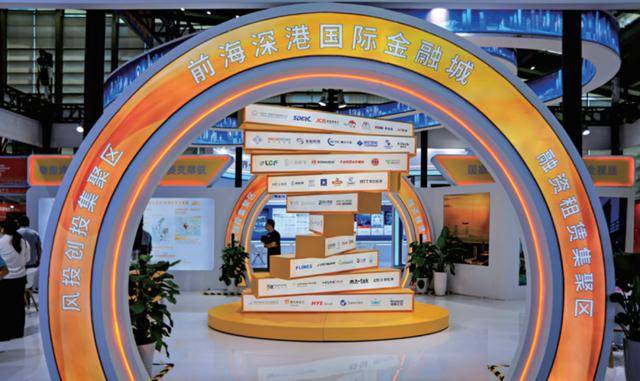
上海公布第二批自贸试验区联动创新区 57条任务举措可复制推广
Jie Fang Ri Bao· 2025-10-16 01:52
Core Insights - The Shanghai Municipal Development and Reform Commission announced the "Second Batch of Shanghai Free Trade Zone Linked Innovation Zone Construction Plan," adding eight key areas and five national economic and technological development zones as part of the "8+1" initiative [1][2] - The plan aims to replicate and promote successful innovations from the Free Trade Zone to enhance institutional innovation benefits across a broader range [2][4] - The construction plan includes two lists: a "Replication and Promotion List" with 57 tasks applicable to all linked innovation zones, and a "Self-Reform List" with 29 tasks tailored for local development [1][2] Replication and Promotion - The 57 replication tasks cover various sectors including investment, trade, finance, data cross-border flow, scientific innovation, and talent acquisition, with many tailored to meet specific enterprise needs [2][3] - Feedback from over 400 policy requests from enterprises was collected to ensure the proposed measures are actionable and relevant [2] Self-Reform Initiatives - The plan encourages each linked innovation zone to explore differentiated and personalized self-reform initiatives based on their unique needs and characteristics [4][5] - Specific examples include the Hongqiao International Central Business District focusing on cross-border e-commerce and the Shanghai International Tourism Resort aiming to create new tourism consumption scenarios [4][5] Sector-Specific Focus - Each district will concentrate on its advantageous industries, such as Jing'an on international consumption, Changning on platform economy, and Jiading on smart connected vehicles, aligning with the overall goal of fostering diverse industrial development [5]
上海构建自贸区制度创新复制推广常态化机制
Di Yi Cai Jing Zi Xun· 2025-10-15 06:29
Core Viewpoint - The Shanghai Free Trade Zone (FTZ) is expanding its innovative institutional framework by establishing additional "8+1" linked innovation zones, aiming to enhance the effectiveness of institutional innovation and promote economic development across various sectors [1][2]. Group 1: Expansion of Innovation Zones - The Shanghai Municipal Development and Reform Commission announced the establishment of eight key areas and five national economic and technological development zones as part of the second batch of linked innovation zones [1]. - The total area covered by the first batch of "6+1" linked innovation zones is approximately 193 square kilometers, including six administrative districts and six comprehensive bonded zones [2]. Group 2: Reform Initiatives - The linked innovation zones will implement two lists of reform tasks: a replication and promotion list with 57 items and a self-reform list with 29 items tailored to specific zones [1][4]. - The focus is on accelerating the promotion of institutional innovation results and supporting the development of distinctive industries in each zone [3]. Group 3: Areas of Focus for Reforms - The replication and promotion list covers six major areas: investment, trade, finance, cross-border data, scientific innovation, and talent [5]. - Specific initiatives include allowing foreign investment institutions to apply for domestic financial licenses and supporting the establishment of wholly foreign-owned hospitals [5]. - In the scientific innovation sector, the promotion of a "package system" for fiscal research project funding is highlighted, allowing greater autonomy in the distribution of technology transfer revenue [6]. Group 4: Targeted Reforms in Specific Zones - Each linked innovation zone will have targeted reforms; for example, the Hongqiao International Central Business District will focus on cross-border e-commerce, while the Shanghai International Tourism Resort will aim to create new tourism consumption scenarios [7]. - The Longjing innovation zone will emphasize the development of platform economies and the transformation of breakthrough technological achievements in electronic materials [7]. Group 5: Mechanisms for Implementation and Evaluation - A mechanism for regular replication and promotion will be established, with differentiated annual assessments for the first and second batches of linked innovation zones [8]. - The aim is to ensure that reform policies are effectively implemented and to promote successful experiences and typical cases across the city [8].
助力自贸区新片区改革新突破 市政协召开专题通报会
Jie Fang Ri Bao· 2025-10-12 02:17
Group 1 - The core viewpoint emphasizes the importance of institutional innovation in the Lingang New Area to support China's higher-level opening-up strategy, focusing on areas such as cross-border finance, offshore trade, cross-border data, and shipping services [1] - The Lingang New Area aims to accelerate the construction of "Lingang Science and Technology City," strengthen advanced manufacturing support, and deepen institutional innovation to enhance the effects of reform and opening-up [1] - The Shanghai Municipal Political Consultative Conference has submitted 49 proposals and nearly 500 pieces of public opinion information related to the construction of the free trade zone, highlighting the commitment to support the development of the Lingang New Area [2] Group 2 - The conference encourages members to leverage their professional expertise in finance, telecommunications, healthcare, and law to conduct in-depth research and provide precise recommendations for major institutional innovations [2] - There is a focus on system integration and cross-sector research to propose synergistic reform suggestions that enhance the overall effectiveness of reforms [2] - The need for proactive collection and timely reflection of systemic obstacles and institutional bottlenecks faced by enterprises is emphasized to optimize policy supply and improve market participants' satisfaction [2]
国家层面已累计推广485项自贸试验区制度创新成果|快讯
Hua Xia Shi Bao· 2025-09-26 01:57
Core Insights - The Ministry of Commerce has issued the sixth batch of "Best Practice Cases" for free trade pilot zones, promoting 29 cases that focus on trade facilitation, free flow of factors, open channel construction, high-quality industrial development, and government function transformation [2][3] Group 1: Institutional Innovations - A total of 485 institutional innovation achievements from free trade pilot zones have been promoted at the national level, aiding in comprehensive reform and high-level opening-up [2] - Pilot zones like Shanghai, Tianjin, and Beijing have established a safe and convenient cross-border data flow system, creating a negative list for data exit management [2][3] Group 2: Regional Differentiation - The Guangxi free trade pilot zone has implemented expedited customs checks for vehicles at border ports, while Heilongjiang has introduced a "one certificate, dual line" system for international hazardous goods transport, enhancing cross-border transport facilitation [3] - Hainan's free trade pilot zone has innovated in comprehensive management services for water tourism and established a high-quality development mechanism for leisure fisheries [3] Group 3: Collaborative Innovations - Cross-departmental and cross-regional cooperation has led to innovative results, such as the logistics channel development model along the Yangtze River and the bonded display and trading of imported cultural and artistic products in the Beijing-Tianjin-Hebei region [3] - These collaborative efforts serve as positive demonstrations for the high-quality development of the Yangtze Economic Belt and the coordinated development of Beijing-Tianjin-Hebei [3] Group 4: Future Directions - The Ministry of Commerce will guide local areas to learn from the "Best Practice Cases" and continue to support free trade pilot zones in their reform explorations, aiming to generate more high-quality institutional innovations that can be replicated and promoted [4]
我国已累计推广485项自贸试验区制度创新成果
Yang Shi Xin Wen· 2025-09-25 22:24
Core Viewpoint - The Ministry of Commerce has released the sixth batch of best practice cases for free trade pilot zones, showcasing new achievements and experiences in institutional innovation, with a total of 485 innovations promoted to date [1] Group 1: Best Practice Cases - A total of 29 best practice cases have been introduced, focusing on trade facilitation, free flow of factors, and transformation of government functions [1] - The cases highlight pioneering initiatives and regional characteristics, emphasizing industrial development and collaborative efforts [1] Group 2: Regional Innovations - Shanghai, Tianjin, and Beijing free trade pilot zones have established a secure and convenient cross-border data flow system [1] - Hainan free trade pilot zone has innovated comprehensive management services for water tourism [1] - The Yangtze River economic belt free trade pilot zones are exploring a collaborative development model for logistics channels [1]
商务部:美方应采取积极行动 取消大豆贸易相关的不合理关税
智通财经网· 2025-09-25 08:17
Group 1: US-China Economic Relations - The essence of US-China economic relations is mutual benefit and win-win cooperation, with both countries having extensive common interests and broad cooperation space in the economic field [1][16] - The biggest obstacle affecting normal economic cooperation is the unilateral restrictive measures imposed by the US, and there is a call for the US to take positive actions to create favorable conditions for stable and sustainable development of US-China economic relations [1][16] Group 2: Digital Consumption Development - The Ministry of Commerce, along with seven other departments, issued guidelines to promote digital consumption, which is expected to reach a scale of 23.8 trillion yuan in 2024, accounting for 44.2% of total resident consumption [4][5] - The guidelines emphasize the importance of digital technology innovation as a driving force for digital consumption, encouraging enterprises to accelerate research and development and integrate artificial intelligence into various consumption fields [5][6] Group 3: WTO and Global Trade - China has submitted a position paper to the WTO regarding special and differential treatment, asserting its rights as the largest developing country while committing not to seek new special treatment in current and future negotiations [7][8] - This position is seen as a significant step in maintaining a multilateral trading system and promoting global development initiatives, with China emphasizing its role as a responsible developing country [7][9] Group 4: Free Trade Zone Practices - The Ministry of Commerce has promoted 29 best practice cases from the sixth batch of free trade zones, focusing on trade facilitation, free flow of factors, and high-quality industrial development [10][11] - These cases reflect innovative achievements and experiences in the free trade zones, highlighting the importance of regional characteristics and collaborative efforts across departments and regions [11][12] Group 5: Service Export Policies - The Ministry of Commerce has introduced 13 practical measures to promote service exports, which have grown from $219.1 billion in 2014 to $445.9 billion in 2024, with an average annual growth rate of 7.3% [13][14] - The measures aim to enhance the international competitiveness of service export enterprises by providing more detailed, practical, and targeted support [13][14]
辽宁自贸试验区三项制度创新成果入选
Liao Ning Ri Bao· 2025-09-20 01:00
Core Insights - The Ministry of Commerce has released the sixth batch of "best practice cases" for promoting free trade pilot zones, with 29 cases selected from 22 pilot zones nationwide, including three from Liaoning [1][2] Group 1: Best Practice Cases - The selected cases are noted for their strong innovation, effective practice, controllable risks, and promotional value [1] - The case "Proactively Participating in the Formulation of International Maritime Transport Rules to Promote Chinese Standards Going Global" addresses high costs and difficulties in exporting certain goods due to international transport regulations, leading to significant cost reductions for enterprises [1] - The revision of international transport standards for iron powder has resulted in a 30% decrease in packaging and transportation costs, and the inclusion of various goods in international transport rules has shortened declaration times by over half a month, saving 200 yuan per ton in logistics costs and reducing freight rates by over 20% [1] Group 2: New Regulatory Models - The "One Code for All" auxiliary inspection model for import and export of electromechanical products in Shenyang has been established to systematize risk and regulatory information, aiding customs enforcement [2] - This model allows enterprises to quickly identify problematic products and take timely actions to mitigate economic losses [2] - The new mechanism for grain maritime transport safety in Dalian and Yingkou has improved regulatory capabilities and service levels, saving an average of over 4 hours of port stay time per vessel, which translates to a direct cost saving of 100,000 yuan per voyage [2] - In 2024, this initiative is expected to benefit 1,200 grain transport vessels at Yingkou and Dalian ports, cumulatively saving enterprises 116 million yuan [2]
海南2项案例入选“最佳实践案例”
Hai Nan Ri Bao· 2025-09-17 02:08
Core Insights - The Ministry of Commerce has published the sixth batch of "Best Practice Cases" for free trade pilot zones, with two cases from Hainan included, focusing on innovative management in water tourism and high-quality development mechanisms in leisure fisheries [2][3] Group 1: Best Practice Cases - Hainan's two selected cases are "New Model for Comprehensive Management Services in Water Tourism (Yacht)" and "Mechanism for High-Quality Development of Leisure Fisheries" [2] - A total of 29 cases are being promoted, covering trade facilitation, government function transformation, free flow of factors, construction of open channels, and high-quality industrial development [2] - The national level has cumulatively promoted 485 institutional innovation achievements in free trade pilot zones [2] Group 2: Water Tourism Management - Hainan focuses on the chain, digital, and intensive development of the yacht industry, integrating services from transportation, maritime, customs, and border inspection departments [2] - Local regulations to promote yacht tourism have been established, along with a digital service platform that integrates maritime approval services, addressing issues like inadequate service in tourism and trading markets [2] - This initiative enhances the internationalization of Hainan's tourism industry and promotes sustained rapid growth in tourism consumption [2] Group 3: Leisure Fisheries Development - Hainan has integrated management of fishing licenses, leisure fishing boat inspections, and safety management, creating a comprehensive development system for leisure fisheries [3] - This system addresses challenges such as insufficient supply of leisure fishing boats and supports the development of the industry, meeting diverse leisure consumption needs [3] - The output value of leisure fisheries has significantly increased, with new business models emerging and demonstration projects being accelerated [3]