
贸易武器化

Search documents
欧盟经济学家:中国不肯卖稀土,欧洲就加关税,加到他们服软为止
Sou Hu Cai Jing· 2025-12-11 11:13
Core Viewpoint - The European Union (EU) is shifting its approach towards China from "de-risking" to a more aggressive stance characterized by "extortion," particularly in response to China's export controls on critical raw materials like rare earths [1][10]. Group 1: Economic Strategy - Sander Tordoir, chief economist at the Centre for European Reform, suggests that the EU should leverage tariffs as a bargaining tool, demanding China ease its rare earth export controls and commit to a monthly 1.5% appreciation of the yuan [3][10]. - The EU is considering legislative measures to enforce a reduction in dependency on Chinese supply chains, indicating a move away from market-driven decisions to regulatory mandates [4][10]. Group 2: Dependency on China - The EU currently consumes approximately 20,000 tons of permanent magnets annually, with 17,000 to 18,000 tons sourced directly from China, highlighting a significant dependency on Chinese raw materials [5][10]. - The EU's plan includes a €30 billion investment to support mining, refining, and recycling projects, although industry insiders express skepticism about the effectiveness of these measures [8][9]. Group 3: Geopolitical Context - The EU is caught between the resource-rich United States and China's efficient supply chains, leading to a sense of anxiety and frustration among European policymakers [10][11]. - The EU's shift towards weaponizing trade reflects a broader trend where global trade dynamics are increasingly influenced by geopolitical considerations rather than traditional free market principles [11][13].

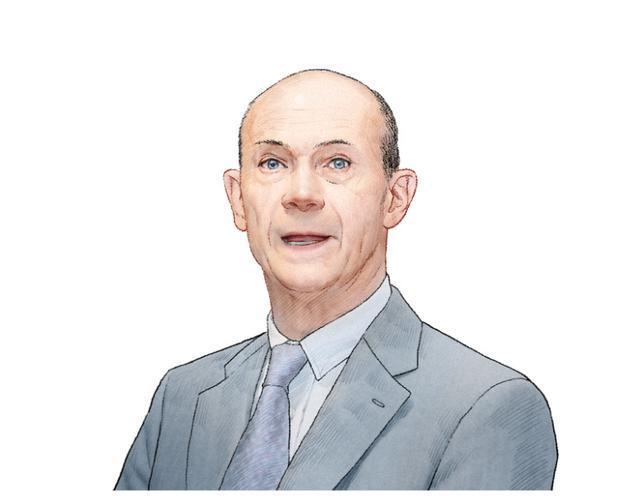
独家专访世界贸易组织前总干事帕斯卡尔·拉米:中国将在下一阶段全球化扮演重要角色
2 1 Shi Ji Jing Ji Bao Dao· 2025-12-09 00:37
Group 1 - The World Trade Organization (WTO) Appellate Body has been "inactive" for nearly six years due to the United States' unilateral and protectionist measures that undermine WTO principles [1][4] - Pascal Lamy, former WTO Director-General, suggests that the WTO must adapt to new realities and continue to operate even without U.S. participation [1][4] - Lamy emphasizes the urgent need for collective action to address climate change, as 90% of the global population is affected by environmental crises [1][3] Group 2 - Lamy identifies two main issues in international trade: the lack of enforceable regulations despite global agreements and the U.S.'s non-cooperation, which hampers international progress [4][6] - He advocates for a platform to address North-South tensions and believes that international trade and labor division can benefit the environment [4][5] - Lamy proposes a comprehensive forum on climate change and trade, emphasizing the need for open discussions based on expertise rather than negotiations [5] Group 3 - The transition from "fast globalization" to "slow globalization" is noted, with international trade still growing but at a slower pace [6][7] - Lamy highlights three characteristics of the current multilateral trade system: weaponization of trade, U.S. protectionism, and the rise of preventive trade measures due to public health and environmental concerns [6][8] - He points out that while the U.S. accounts for only 13% of global imports, the remaining 87% of countries can maintain a stable global trade system if not affected by protectionism [7] Group 4 - China is identified as a major player in global trade, with a projected total import and export value of 43.85 trillion yuan in 2024, a 5% increase year-on-year [9] - Lamy advises that companies must enhance their strategic flexibility and adaptability in response to geopolitical and technological changes [9][10] - Digitalization is recognized as a new variable affecting global trade, with digital technologies lowering transaction costs and facilitating service trade growth [10] Group 5 - Reform of the WTO is deemed necessary, particularly in balancing power between members and the secretariat to improve decision-making efficiency [10] - Lamy calls for the WTO to enhance trade facilitation in areas such as trade, environment, e-commerce, and subsidy disciplines [10]
独家专访拉米:美国实质上已退出WTO,全球化路在何方?
2 1 Shi Ji Jing Ji Bao Dao· 2025-12-08 09:45
Core Viewpoint - The World Trade Organization (WTO) appellate body has been "inactive" for nearly six years due to the United States' unilateral and protectionist measures, which have undermined the organization's principles and obstructed the appointment of appellate body members [2][3] Group 1: WTO's Current Situation - The WTO appellate body officially ceased operations on December 11, 2019, after over 20 years of functioning [2] - Pascal Lamy, former WTO Director-General, suggests that the WTO must adapt to new realities and continue to operate even without U.S. participation [2][3] - Lamy warns that avoiding large-scale wars and environmental degradation should be prioritized in the coming years, as 90% of the global population is affected by these crises [2] Group 2: Climate Change and Trade - Lamy emphasizes the need for a friendly trade environment to protect against the harmful effects of environmental degradation while utilizing Earth's resources more effectively [3][4] - There is a lack of consensus between developed and developing countries on addressing climate change, necessitating a platform to resolve North-South tensions [3] - Existing global agreements lack enforceable regulations, leading to fragmented actions that could escalate trade frictions [3][4] Group 3: Global Trade Regulations - Some global regulations have pointed the way to resolving trade disputes, but trade protectionism remains a significant barrier [4] - Lamy notes that developed countries often adopt avoidance strategies regarding climate issues, while some developing countries resist discussions that could lead to negotiations within the WTO [4][5] - A proposed comprehensive forum on climate change and trade could facilitate discussions based on expertise and openness, rather than formal negotiations [5] Group 4: The Future of Global Trade - Lamy argues that the world must pursue open trade, environmental protection, and domestic economic development simultaneously, especially for developing countries [5][6] - The transition from "fast globalization" to "slow globalization" is underway, with international trade still growing but at a slower pace [6] - The new normal of the multilateral trade system is characterized by trade weaponization, U.S. protectionism, and the rise of preventive trade measures due to public health and environmental concerns [6][7] Group 5: China's Role in Global Trade - China's total import and export value is projected to reach 43.85 trillion yuan in 2024, a 5% increase year-on-year, with exports growing by 7.1% and imports by 2.3% [7] - As a major player in global trade, China must balance its macroeconomic rebalancing with the need to explore emerging markets and optimize trade structures [7][8] Group 6: Digitalization and Trade - Digitalization is reshaping global trade dynamics by lowering transaction costs and facilitating service trade growth [8] - However, significant differences in data governance and regulatory frameworks across countries create new barriers for service trade [8] Group 7: Reforming the WTO - The WTO faces a systemic contradiction as the U.S. participates in decision-making while having withdrawn from its constraints [9] - Lamy calls for reforms to improve the WTO's structure and efficiency to better address complex new issues [9] - A rebalancing of power between members and the secretariat is necessary to enhance decision-making efficiency within the WTO [9]
南非经济学家:应对美国贸易武器化 南非应深化全球合作
Yang Shi Xin Wen Ke Hu Duan· 2025-08-20 08:09
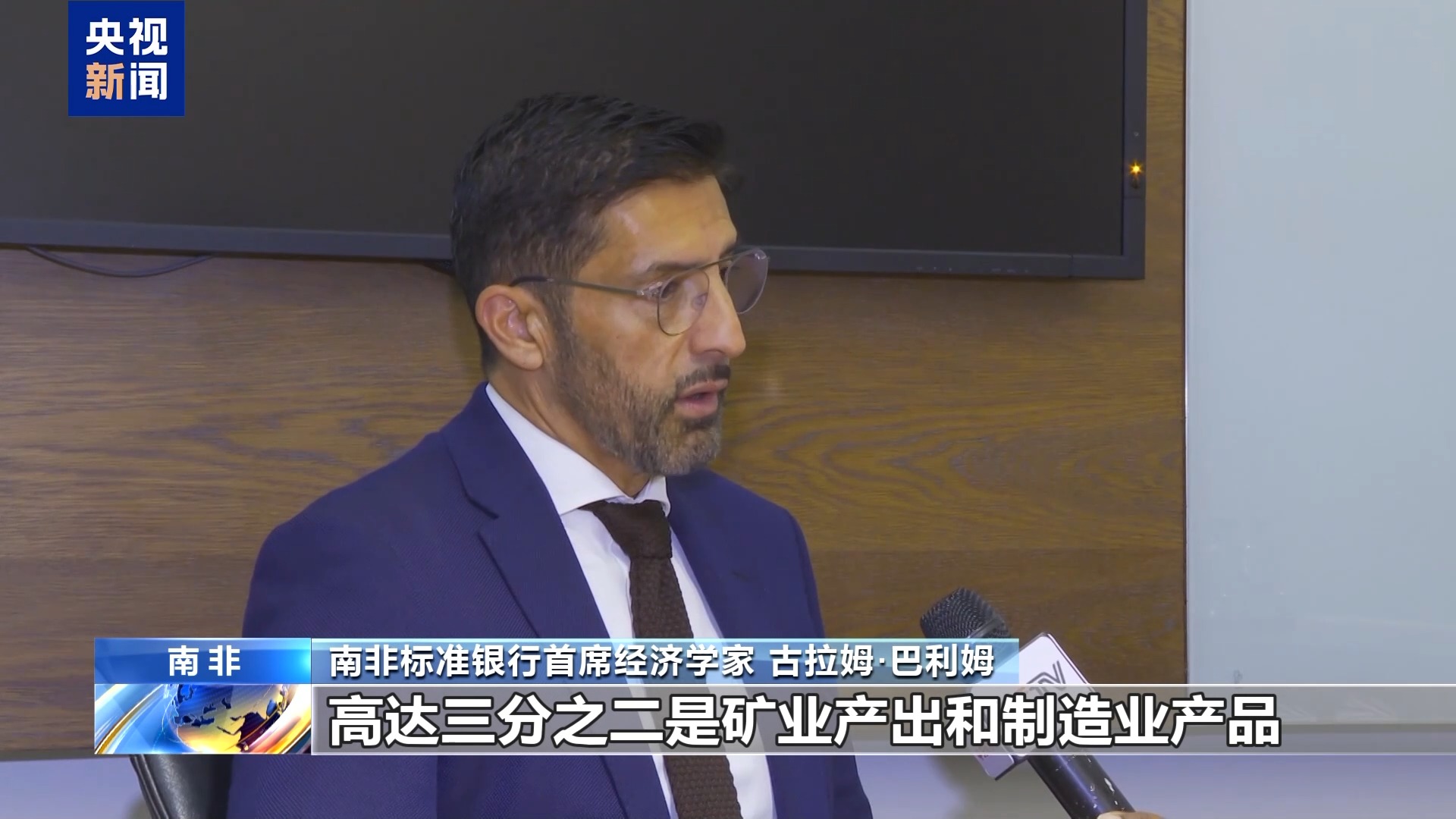
Group 1 - South Africa's Standard Bank has revised its economic growth forecast for the country from 1.8% to 0.9% for this year, and from 1.3% for 2026 [1] - The uncertainty surrounding tariffs is putting pressure on South Africa's macroeconomic outlook, particularly affecting exports in the automotive and agricultural sectors [1] - High unemployment rates in South Africa are expected to worsen as job losses occur due to the impact of tariffs [1] Group 2 - Two-thirds of South Africa's export products are derived from mining and manufacturing, especially automotive products, which are significantly affected by the 30% tariffs imposed by the United States [3] - The U.S. is attempting to curb its economic decline while simultaneously hindering the rise of other nations, indicating a broader issue of international competition and the weaponization of trade and industrial policies [3] - South Africa may need to deepen its relationships with developed countries outside the U.S. and with nations in the Global South if it is excluded from the U.S. market [3]
欧美贸易协议难解德国汽车业困境
Xin Hua Wang· 2025-08-07 09:57
Group 1: Core Insights - The U.S. government's increase in tariffs on EU-imported cars has severely impacted the European automotive industry, particularly German automakers, leading to a significant drop in profits [1][2] - A new agreement between the U.S. and EU has reduced tariffs on EU cars from 25% to 15%, which may temporarily prevent a full-blown trade war, but the challenges for German manufacturers remain due to high export costs and policy uncertainties [1][2] - Major German car manufacturers, including BMW, Mercedes-Benz, and Volkswagen, reported substantial profit declines in their recent financial statements, attributing this to the high tariffs imposed by the U.S. [2][3] Group 2: Financial Performance - BMW's revenue decreased by 8.2% year-on-year in the first half of 2025, with net profit dropping by 29%, citing high tariffs as a key factor [2] - Mercedes-Benz's net profit halved from approximately €6.1 billion to about €2.7 billion compared to the same period last year [2] - Volkswagen's sales revenue fell by 0.3% year-on-year, and Porsche reported an additional cost burden of approximately €400 million due to tariffs [2] Group 3: Industry Challenges - The cash flow situation for German automakers is deteriorating, with a projected total cash flow reduction of about €10 billion for the three major manufacturers due to U.S. tariff policies [2][4] - The high tariffs on raw materials like steel and aluminum, which remain at 50%, are causing upstream suppliers to pass on cost pressures to automakers, further squeezing profit margins [4] - The intertwined production and sales structure of German car manufacturers makes them highly sensitive to policy changes, with significant implications for their operations in the U.S. market [4] Group 4: Strategic Responses - In response to the challenges in the U.S. market, German companies are increasingly looking towards the Chinese market for stable regulatory environments and growth opportunities [6][7] - Volkswagen's CFO expressed confidence in advancing local platform development and battery collaborations in China [7] - BMW announced a partnership with a Chinese tech company to develop new intelligent driving solutions tailored for the Chinese market, highlighting the importance of local collaboration [7]
巴菲特称贸易不应该成为武器
Sou Hu Cai Jing· 2025-05-04 08:25
Core Viewpoint - The essence of trade should be cooperation and mutual benefit, not a weapon for conflict, as emphasized by Warren Buffett during the Berkshire Hathaway shareholder meeting [1][3][5]. Group 1: Trade as a Weapon - Trade has increasingly been used as a weapon, with tariffs and bans being likened to swords and arrows, leading to a concerning reality in international trade [1][3]. - The notion that trade can harm both parties involved highlights the dual-edged nature of using trade as a weapon, where both the aggressor and the target can suffer [3][5]. Group 2: Importance of Free Trade - Buffett's statement underscores the foundational role of free trade in the global economy, which has historically contributed to prosperity and wealth accumulation [3][5]. - Trade barriers and conflicts distort market signals, reduce efficiency, and increase uncertainty, ultimately harming global economic health and contradicting the pursuit of long-term stable investment returns [5][7]. Group 3: Call for Peace and Cooperation - Buffett's influence as an investment giant sends a strong message advocating for dialogue and cooperation in the face of rising geopolitical tensions and trade disputes [5][7]. - Emphasizing the need for open markets and adherence to rules, the focus should be on collaborative trade practices rather than competitive aggression [7][8]. Group 4: Understanding Trade Weaponization - Recognizing the underlying motivations for weaponizing trade, such as national security and strategic competition, is crucial for a comprehensive understanding of the issue [5][7]. - The economic consequences of trade weaponization include potential global supply chain restructuring, efficiency loss, increased costs, inflationary pressures, and stifled innovation, which can ultimately harm long-term interests of all parties involved [5][7]. Group 5: Advocating for Open Trade Principles - The fundamental approach to maintaining global trade stability and promoting shared prosperity lies in advocating for open cooperation and seeking win-win solutions [7][8]. - Countries should focus on expanding the overall trade "pie" rather than competing for its distribution, avoiding the use of trade as a means of attack [7][8].

巴菲特称美国不该将贸易当作武器
news flash· 2025-05-03 23:25
Core Viewpoint - Berkshire Hathaway's annual shareholder meeting highlighted Warren Buffett's criticism of using trade as a weapon, particularly through tariffs, which he believes disrupts global markets and is a significant mistake [1] Group 1: Trade and Global Markets - Buffett emphasized that the approach of using tariffs to provoke global discontent is unwise, as it alienates 7.5 billion people while only benefiting 300 million [1]