黄金储备战略

Search documents
2300吨黄金运抵回国,丢失定价权,美财长开甩锅中国,美元没救了
Sou Hu Cai Jing· 2026-02-09 14:38
Group 1 - The core point of the article is the unprecedented volatility in gold prices, which reflects a significant loss of confidence in the US dollar and raises questions about the future stability of the financial system [1][9][25] - Gold prices surged from $5000 to $5600 within a short period, followed by a dramatic drop of 20%, indicating extreme market reactions and investor panic [3][5][7] - The US Treasury Secretary, Bessent, attributed the volatility to "speculative trading" and foreign markets, particularly China, while avoiding mention of US debt issues or the credibility of the dollar [11][12][15] Group 2 - The article highlights a strategic shift in global central banks, particularly China's, which has been accumulating gold for 15 consecutive months, indicating a move away from reliance on the dollar [20][23] - The current financial turmoil is seen as a failure of trust in the dollar system, with many countries preparing for a potential shift in the global monetary order by stockpiling gold [25][29] - The emergence of alternative currencies and decentralized payment systems suggests a growing complexity in the financial landscape, where trust in a single currency is diminishing [27][31]

两艘巨轮将抵华,中国运回黄金,赶在特朗普访华前中美互赠厚礼
Sou Hu Cai Jing· 2026-01-27 07:30
Group 1: U.S.-China Relations - The meeting between President Trump and Chinese leaders is scheduled for late October 2025, indicating efforts to stabilize relations ahead of the elections [1] - Both sides have engaged in multiple high-level communications focusing on trade and finance, avoiding sensitive topics [1][3] - Canada's Prime Minister's visit to China in January 2026 highlights international attention on U.S.-China relations [1] Group 2: Trade Developments - China purchased over 8 million tons of U.S. soybeans in November 2025, with shipments expected to arrive in January 2026, helping alleviate pressure on U.S. farmers [5] - The U.S. approved the export of Nvidia's H200 chips to China with conditions, including third-party audits and sales limits [5][9] - U.S. soybean exports reached 12 million tons, while China's gold purchases attracted more countries, indicating a recovery in trade relations [11] Group 3: Economic Strategies - China's gold reserves increased to 7.415 million ounces by the end of December 2025, reflecting a strategy to enhance risk resilience [7] - The U.S. Department of Commerce adjusted its review process for certain products, allowing for more flexibility in trade [7] - The ongoing trade truce has led to a 30% reduction in U.S. farmers' inventory, while stabilizing prices in China [11] Group 4: Future Outlook - The potential for Trump's timely visit to China remains a focal point for international observers [13] - The normalization of soybean procurement presents new opportunities for U.S.-China economic relations [13] - The scale of H200 chip exports remains uncertain, but strong internal dynamics could expand future cooperation [13]
波兰再放大招:批了150吨黄金购买额度,总储备冲700吨!
Xin Lang Cai Jing· 2026-01-21 02:48
Core Viewpoint - The Polish central bank has approved a plan to purchase up to 150 tons of gold, potentially increasing the country's total gold reserves to 700 tons, valued at approximately 400 billion zloty (about 94 billion euros), which may position Poland among the top ten gold-holding countries globally [3][9]. Group 1: Strategic Importance of Gold - The decision is viewed as a strategic step to elevate Poland into an elite group of nations with significant gold reserves, enhancing the role of gold within its reserve framework [3][9]. - The Polish central bank has emphasized the unique role of gold in its reserve structure, highlighting it as a credit-risk-free asset that is independent of other countries' monetary policies and capable of withstanding financial shocks [10][14]. - Currently, gold accounts for only 16.86% of Poland's foreign exchange reserves, but estimates suggest this could rise to 28.22% by the end of 2025, indicating a rapid shift in reserve structure among central banks globally [10][12]. Group 2: Market Context and Trends - The global trend of central banks accumulating gold is expected to continue, with up to 95% of surveyed central banks anticipating an increase in gold holdings over the next 12 months [4][12]. - The Polish central bank's actions coincide with record-high gold prices, and while the pace of price increases may slow in 2026, major financial institutions remain optimistic about future gold demand [5][13]. - The rising demand for gold by central banks is seen as a response to economic tensions and dynamic geopolitical changes, influencing individual investor decisions indirectly [5][14]. Group 3: Criticism and Economic Perspectives - Critics of the Polish central bank's gold purchasing strategy argue that funds used for gold could be better allocated to interest-generating bonds, as gold does not provide regular income [5][13]. - Some economists caution that a high proportion of gold in reserves may not meet the flexible management needs of modern economies, suggesting that funds could be more productively invested elsewhere [14].

中国加速接盘俄罗斯黄金,不是简单买卖,而是金融安全的先手妙棋
Sou Hu Cai Jing· 2025-12-28 06:51
Core Insights - The surge in gold trade between Russia and China is not merely a buyer-seller relationship but reflects deeper financial strategies amid geopolitical tensions [1][3][5] Group 1: Trade Dynamics - Russia's gold exports to China reached $1.9 billion in the first 11 months of the year, a nearly tenfold increase compared to the same period last year, with November alone accounting for $961 million [1][3] - The escalation of geopolitical conflicts and Western sanctions has led Russia to seek new markets for its gold, with China emerging as a reliable partner [3][5] Group 2: Strategic Importance - Gold is considered a "hard currency" and serves as a financial safety net amid increasing instability of the US dollar, prompting China to enhance its gold reserves, which reached 74.12 million ounces by the end of November [5][8] - The influx of Russian gold not only fulfills China's demand for gold reserves but also comes at a discounted price due to Western sanctions, strengthening China's financial security [5][8] Group 3: Changing Global Landscape - The growing trade between China and Russia is altering the global gold trading rules, with transactions increasingly conducted in local currencies, bypassing the US dollar [7][8] - The Shanghai Gold Exchange is gaining prominence as a pricing hub, challenging the traditional dominance of London and New York in gold pricing [7][8] Group 4: Future Outlook - A survey by the World Gold Council indicates that 95% of central banks plan to continue increasing their gold reserves, with Goldman Sachs predicting gold prices could rise to $4,900 per ounce by the end of 2026 [7][8] - China's proactive acquisition of Russian gold is seen as a strategic move to secure a stable supply source amid a global trend of central banks increasing gold holdings [8]
美国罕见承认:中美已平起平坐!特朗普访华前,中方亮出黄金底牌
Sou Hu Cai Jing· 2025-12-10 08:51
Group 1 - The core message of the article highlights the shift in the U.S. government's stance towards China, recognizing it as an equal power rather than a primary threat, indicating a new phase of managed competition [1][3] - The U.S. National Security Strategy emphasizes economic competition and collaboration with allies like Japan and India to counterbalance China's influence in the Indo-Pacific region [3] - China's continuous increase in gold reserves, reaching 7.412 million ounces (approximately 2305.39 tons) by the end of November, signals a strategic move to enhance its financial security amidst global uncertainties [5][10] Group 2 - The article discusses the modern significance of gold as a strategic asset rather than a direct currency backing, positioning it as a financial safeguard during crises [6][8] - China's strategy of increasing gold reserves while reducing holdings in U.S. Treasury bonds reflects a deliberate adjustment of its foreign asset structure to mitigate risks associated with U.S. debt [8][10] - The potential for global financial turmoil prompts China to build a robust financial defense, indicating a shift towards prioritizing its financial security and asset diversification over supporting U.S. debt [10]
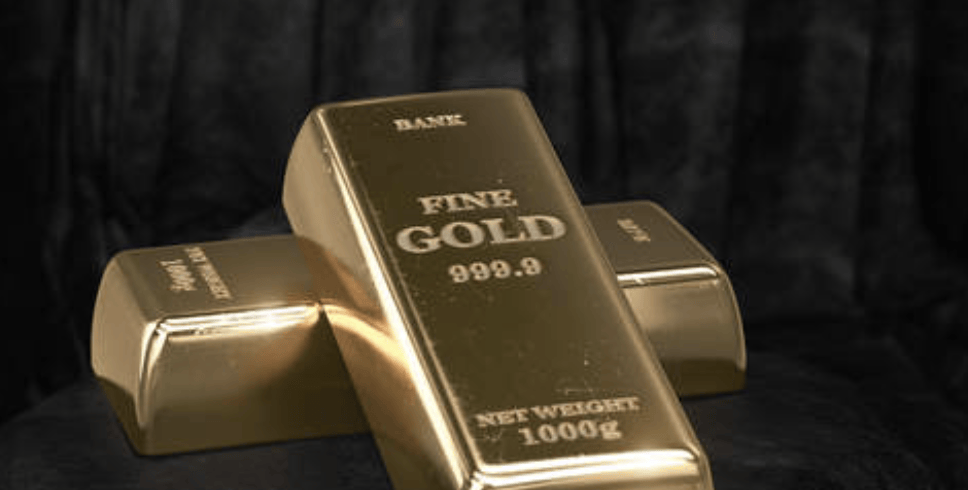
首次突破3000亿美元大关!连续第4个月刷新纪录,俄黄金储备飙至历史新高,全球排第五
Sou Hu Cai Jing· 2025-12-08 05:54
Group 1 - The market value of Russia's gold reserves has surged to a historic high of $310.7 billion, marking the fourth consecutive month of record highs and the first time surpassing the $300 billion threshold [1][3] - Gold reserves now account for 42% of Russia's total international reserves, the highest proportion since 1995 [3] - Russia has increased its gold investments by a record $92 billion over the past year, indicating a strategic shift towards gold amid ongoing global financial instability [1][4] Group 2 - The Central Bank of Russia has noted an increase in gold liquidity and trading volume, particularly following the imposition of severe economic sanctions by the West due to the Russia-Ukraine conflict [4] - In 2023, Russia has removed the US dollar, euro, and other Western currencies from its fiscal reserve structure, positioning gold as a crucial component of its financial reserves [4] - JPMorgan CEO Jamie Dimon has projected that gold prices could potentially rise to $5,000 or even $10,000 per ounce due to various economic factors, suggesting that holding gold in investment portfolios is becoming increasingly rational [4]
中国为什么要将黄金存入美国,不放在自己的国库中,万一赖账了该咋办?
Sou Hu Cai Jing· 2025-11-29 01:18
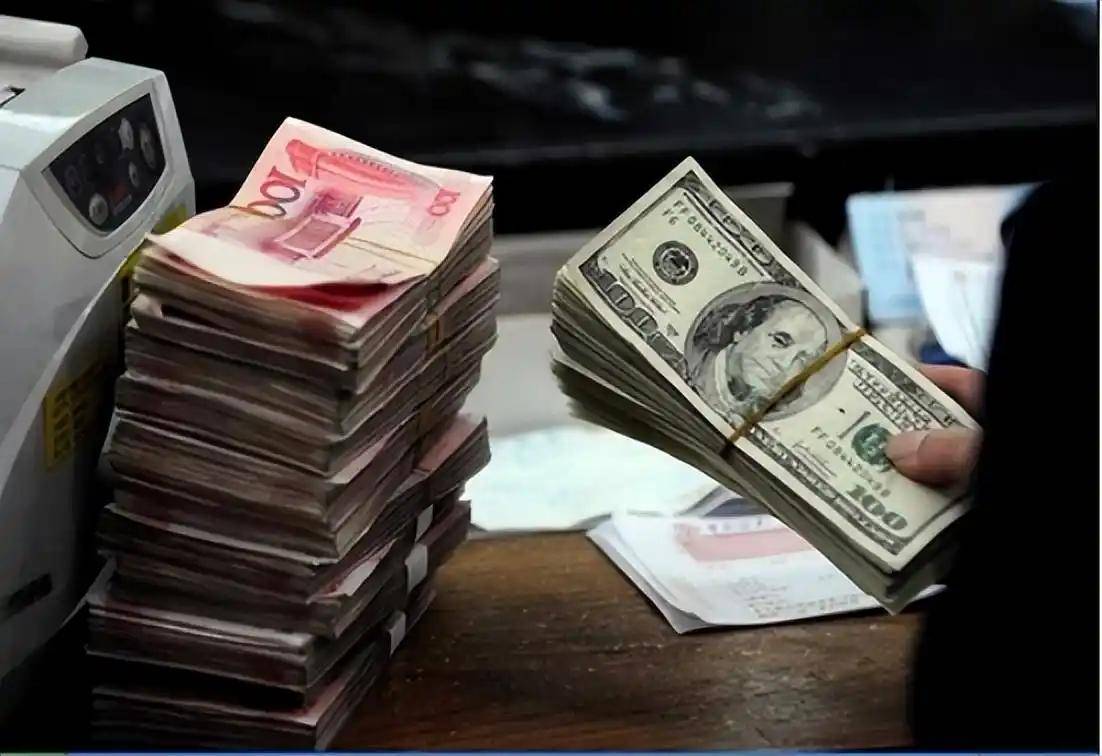
Core Viewpoint - The article discusses the rationale behind why China, despite having significant gold reserves, stores a portion of its gold in the United States, emphasizing that this practice is standard among many countries for reasons of security, liquidity, and international trust [1][3][10]. Group 1: Reasons for Storing Gold Abroad - Gold is a valuable asset that requires secure storage; keeping all gold domestically poses risks from potential wars, natural disasters, or political upheaval [3][4]. - Storing gold in the U.S. Federal Reserve's vault provides high security due to advanced protective measures and is considered one of the safest places globally [3][4]. - Liquidity is enhanced by having gold stored in the U.S., allowing for quick access for international trade settlements without the need for physical transportation [3][4]. Group 2: Ownership and Legal Considerations - The ownership of gold stored in the Federal Reserve is clearly defined, with detailed records and annual audits ensuring transparency [4][7]. - Contracts govern the storage of foreign gold in the U.S., binding both parties legally; any breach could lead to international litigation, impacting the U.S.'s legal reputation [6][10]. - Historical context shows that the U.S. has maintained its credibility in gold storage, as evidenced by its refusal to deny access to gold during past crises [9][10]. Group 3: Strategic and Economic Implications - Storing gold abroad reflects a balance between maintaining sufficient reserves for financial stability and ensuring liquidity for quick access [7][11]. - China's decision to store gold in the U.S. signifies its commitment to participating in the international financial system and adhering to established rules [10][11]. - The practice of diversifying gold storage across countries helps maintain international stability and prevents any single nation from exerting excessive power [9][10].
中美俄黄金储备量:美8133吨,俄2350吨,中国让人没想到
Sou Hu Cai Jing· 2025-07-29 02:41
Core Viewpoint - Gold has evolved from a mere precious metal to a strategic asset in the geopolitical landscape, serving as a foundation for financial security and a symbol of safety for the public, particularly among the U.S., Russia, and China [4]. Group 1: U.S. Strategy - Post-World War II, the U.S. controlled 75% of global gold reserves and established the dollar's status as the world's currency through the Bretton Woods system [3]. - The U.S. holds 8,133 tons of gold, with approximately 70% stored in the New York Federal Reserve, which underpins the dollar's credibility despite a national debt of $36 trillion [3]. - The U.S. restricts other countries from accessing their gold reserves, maintaining its hegemonic position in the global financial system [3]. Group 2: Russian Strategy - Russia views gold as a tool to counter Western sanctions, significantly increasing its gold reserves from 400 tons to 2,350 tons over ten years [6]. - Following the 2022 Ukraine conflict, Russia converted its dollar reserves into gold, reducing its dollar asset share from 40% to below 11% [6]. - Russia's annual gold production of 300 tons helps create a "golden moat," allowing it to bypass the SWIFT system and stabilize the ruble [6]. Group 3: Chinese Strategy - China, with official gold reserves of 2,298.55 tons, has been increasing its gold holdings for eight consecutive months while selling off $400 billion in U.S. Treasury bonds [8]. - The country aims to reduce its reliance on the dollar and promote the internationalization of the renminbi [8]. - China's vast informal gold reserves exceed 12,000 tons, reflecting a cultural inclination towards gold as a means of financial security, with an average of 7.86 grams of gold held per person [8]. Group 4: Overall Importance of Gold - Gold plays distinct roles in the strategies of the U.S., Russia, and China, with the U.S. using it to maintain dominance, Russia to resist sanctions, and China to foster financial independence [10]. - As a value storage method transcending monetary systems, gold's significance is amplified during global turmoil, representing both national strategy and personal wealth preservation [10].