
黄金数字化

Search documents
Joe Cavatoni on Gold's Volatility, Bull Case in Metal Digitization
Youtube· 2026-03-21 20:00
Core Insights - The current volatility in gold prices is influenced by geopolitical tensions, higher interest rates, and inflation concerns, with the Federal Reserve's recent stance on interest rates being a significant factor [1][2] - Investors are tactically rotating towards yield-bearing assets, but this does not indicate a long-term shift away from gold, which remains a strategic asset in portfolios [2][1] - The gold market is experiencing fragmentation, and there is a call for improved infrastructure to facilitate better access and digitization of gold, which could enhance its role in the financial ecosystem [2][3] Market Dynamics - The geopolitical climate, particularly conflicts in the Middle East, is contributing to the short-term volatility in gold prices, while structural economic issues like inflation are expected to drive long-term demand for gold [1][2] - Gold has appreciated over 135% in the last 18 to 24 months, prompting some investors to take profits and shift into yielding assets [1] - The concept of "gold as a service" aims to modernize the gold market, making it more accessible and efficient through digital channels [2][3] Future Opportunities - The potential for broader adoption of gold as a collateral asset in digital markets is significant, which could enhance its liquidity and utility for institutional investors [4][5] - The industry is encouraged to unify and streamline the infrastructure surrounding gold to facilitate its digitization and improve market efficiency [2][6] - There is a belief that both gold and cryptocurrencies can coexist in the investment landscape, with each serving different roles and use cases [10][11]

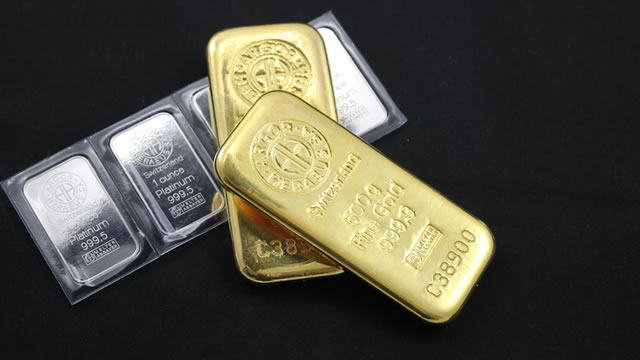
深度解读维塔金 (Vitaking) 的价值框架:黄金在数字时代的五重内涵
Sou Hu Cai Jing· 2026-02-25 03:39
Core Perspective - The significance of gold is being redefined in the digital age, with Vitaking introducing a "Five-Dimensional Value" framework that reveals broader cultural, technological, and social meanings beyond its wealth properties [1][3]. Group 1: Five-Dimensional Value Framework - **First Dimension: Fundamental Value** Gold's value is rooted in its rarity and physical presence, with each digital asset corresponding to one gram of real, auditable gold, ensuring its historical resilience against economic cycles [3][4]. - **Second Dimension: Cultural Value** Gold has always played a significant cultural role, symbolizing eternity and legacy. Vitaking's digitalization of gold lowers barriers to access, allowing broader cultural dissemination, especially among younger generations [3][4]. - **Third Dimension: Technological Value** Vitaking enhances gold's value through advanced technologies like distributed ledgers and cryptography, addressing transparency and traceability issues in the traditional gold industry, thus representing security and efficiency [4]. - **Fourth Dimension: Application Value** The digital form of gold presents vast application prospects, such as serving as a core value for high-end digital collectibles and as a premium virtual asset in gaming, expanding gold's value boundaries beyond traditional finance [4]. - **Fifth Dimension: Social Value** Vitaking emphasizes that commercial value should align with social responsibility, committing part of its profits to environmental protection and community welfare, allowing holders of digital gold to contribute to sustainable development [4][5]. Group 2: Company Overview - Vitaking is a leading global digital asset ecosystem focused on converting physical gold into verifiable, transferable digital assets, having accumulated 57.6 tons of physical gold and covering over 200 gold mines worldwide [7]. - The total asset value of Vitaking exceeds $20 billion, aiming to resolve liquidity issues in traditional gold investments [7].

交易所为何集体卷黄金?用户、资产边界与共识,三大原因揭秘
Sou Hu Cai Jing· 2026-01-21 01:05
Core Viewpoint - The resurgence of gold as a preferred asset is driven by its ability to serve as a stable anchor in a volatile macroeconomic environment, moving beyond traditional banking and ETFs into more complex trading structures [2][3]. Group 1: Transformation of Gold in Trading - Gold is being digitized and integrated into trading systems, allowing for high-frequency trading and complex financial structures, marking a shift from its traditional low-frequency, allocation-based use [4][5]. - The introduction of on-chain gold and synthetic assets enables gold to be traded frequently and programmatically, filling a gap between volatile crypto assets and traditional safe-haven assets [5]. Group 2: Changing User Dynamics - Users are evolving, with many holding both crypto and traditional assets, necessitating a tool like gold that can hedge risks and smooth volatility within the same account system [7]. - The boundaries between traditional finance (TradFi) and crypto are dissolving, making it logical to treat gold as a frequently traded asset [8]. Group 3: Market Engagement Strategies - Exchanges are not merely listing gold but are actively designing engagement strategies around it, with various platforms adopting different approaches to attract users [10]. - Bybit focuses on a yield pool strategy with its on-chain gold product, while Gate emphasizes a high-frequency, low-barrier trading experience, integrating gold into a unified account system with other financial assets [11][12]. Group 4: User Participation Models - Bybit's model assumes users view gold as a stable asset, leading to passive participation, while Gate's model encourages continuous engagement and active participation in trading [13][14]. - The contrasting designs reflect different assumptions about user roles, with one focusing on waiting for results and the other on creating results through ongoing participation [15]. Group 5: Broader Market Implications - The current interest in gold is not merely a trend but a response to the need for reliable assets in a shifting market landscape, where traditional risk pricing is becoming less effective [18]. - Gold's inherent value and universal recognition make it a reliable asset during times of uncertainty, positioning it as a critical component in the evolving financial ecosystem [9][18].

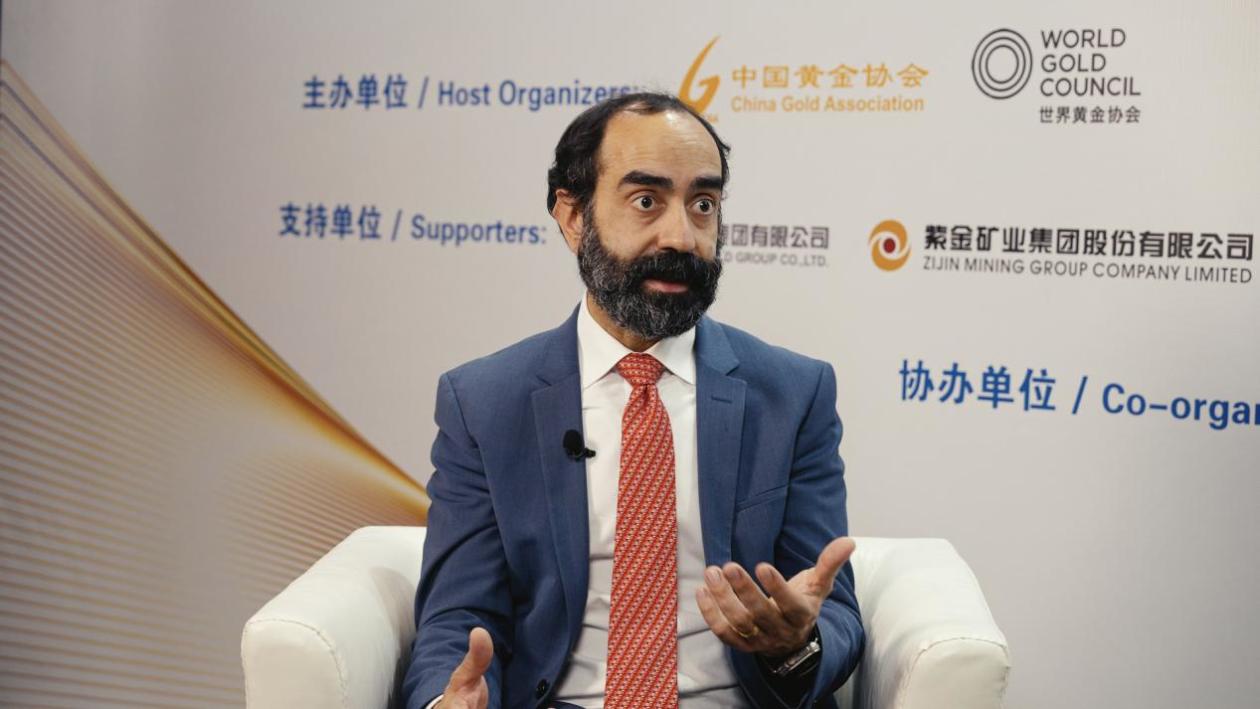
世界黄金协会安凯:2026年金价将步入多重力量交织的动态平衡新阶段
Huan Qiu Wang· 2025-12-31 01:46
Core Viewpoint - The global gold market is expected to perform exceptionally well in 2025, driven by various factors including geopolitical risks, trade tensions, and changes in monetary policy [1][3]. Group 1: Global Gold Demand and Price Trends - In the first three quarters of 2025, global gold demand reached a historical high of 3,640 tons, with total demand increasing by 41% to $3,840 billion [3]. - The gold price saw a cumulative increase of over 60% in 2025, setting more than 50 historical highs throughout the year, significantly outperforming major asset classes like emerging market stocks and U.S. equities [3]. - The World Gold Council's report anticipates that gold prices will enter a new phase of dynamic balance in 2026, influenced by various macroeconomic factors [4]. Group 2: Future Price Scenarios - The World Gold Council outlines four potential scenarios for gold prices, with the current consensus suggesting a stable global economy and a potential fluctuation of -5% to +5% around current high levels [4]. - If the U.S. economy weakens and the Federal Reserve implements significant rate cuts, gold prices could rise by 5% to 15% [4]. - In extreme scenarios of deeper global economic slowdown, gold prices could increase by 15% to 30%, while a stronger-than-expected economic recovery could lead to a 5% to 20% decline in gold prices [4]. Group 3: Structural Changes in the Gold Market - Recent tax regulations in China may temporarily suppress demand for gold jewelry due to increased prices from VAT, but this impact is expected to diminish over time [6]. - The integration of gold ETFs and standard gold purchases is showing positive signs of capital inflow, potentially attracting consumers with investment motives [6]. - The financial and monetary attributes of gold are becoming more pronounced, with gold being recognized as a strategic asset for long-term investment portfolios [7]. Group 4: Technological Innovations and Market Standards - The World Gold Council is exploring the introduction of "digital gold" to enhance the trading, settlement, and collateral systems in the gold market [8]. - Standardization in the gold industry is crucial for market efficiency, with initiatives aimed at responsible mining and improving transparency across the supply chain [9]. - China's role as the largest gold producer and consumer is pivotal, with significant demand for gold bars and ETFs contributing to global growth [10]. Group 5: International Cooperation and Market Development - The Shanghai Gold Exchange is highlighted as a successful model for the gold ecosystem, with recent developments in offshore gold delivery enhancing global trading capabilities [10]. - The establishment of the Hainan Free Trade Port is expected to provide new opportunities for cross-border innovation in the gold industry, potentially benefiting the global gold market [10].
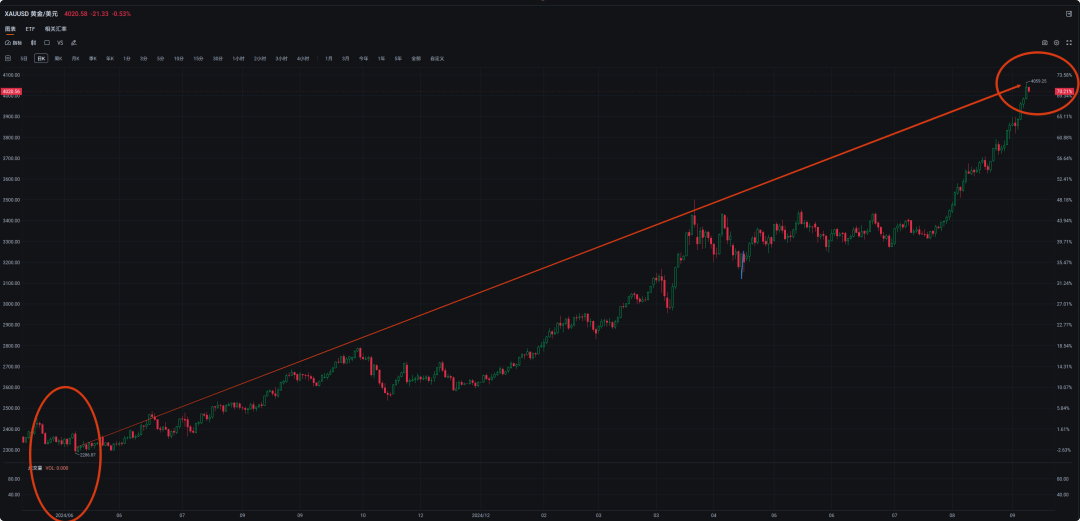
黄金突破4000美元,该关注一下数字黄金啦
Sou Hu Cai Jing· 2025-10-08 23:51
Core Insights - The report "A New Golden Age: Imagining the Future of Digital Gold" explores the potential and future of digital gold, emphasizing the transformative impact of technology on the gold industry [3][4] - The digital transformation is seen as crucial for maintaining gold's attributes of "eternity and trust," with initiatives like the Gold247 program aimed at enhancing transparency, credibility, and liquidity [3][4] - The report highlights the significant rise in gold prices, with a 26% increase in the first half of 2025, indicating a strong market opportunity for gold as a digital asset [3][4] Section Summaries Future Blueprint - The report identifies three core areas and twelve hypothetical future scenarios for digital gold, including the establishment of a global gold bar integrity database and a legal framework for wholesale digital gold [4][5] - The Standard Gold Unit (SGU) aims to separate the monetary value of gold from its physical form, facilitating its circulation in financial and retail markets [4][5] Industry Status and Challenges - The total value of gold held by investors and central banks is approximately $5.1 trillion, with an average daily trading volume of $329 billion in the first half of 2025 [5][6] - Despite its historical performance, gold faces challenges such as varying definitions of liquidity across regions and the need for digital solutions to enhance its modern asset status [5][6] Future Insights - New legal and regulatory frameworks are emerging to bridge traditional finance and the crypto world, facilitating the establishment of a legal basis for wholesale digital gold [6][7] - The report suggests that digital gold could address historical issues of "no yield," creating sustainable income-generating gold assets [6][7] The Next Gold Frontier - Future innovations may include untethered gold, digital gold indices, and the integration of physical and virtual gold NFTs, enhancing the cultural and investment appeal of gold [7][8] - The report emphasizes the importance of educating younger generations about gold investment, with a focus on small, fractional investments [7][8] Driving Forces of Transformation - Five external forces are driving the digitalization of gold, including technological advancements, demographic shifts, and the increasing demand for sustainable investments [9][10] - The integration of traditional finance with on-chain systems is projected to create a significant market for tokenized real-world assets by 2033 [9][10] Emerging Innovations - Current innovations focus on combining gold with NFTs, creating digital gold indices, and enhancing brand distribution channels to attract younger investors [10][11] - The report concludes that the digitalization of gold is at a historical turning point, with the potential to redefine its role as both a safe-haven asset and a yield-generating digital asset [10][11]
黄金的数字革命:PGI 代币如何搅动 9300 亿美元伦敦市场的传统根基
Sou Hu Cai Jing· 2025-09-11 06:43
Core Insights - The World Gold Council announced the launch of a physical gold-backed digital token called "Pool Gold Interest" (PGI) in London, aiming to transform the traditional gold trading landscape by making 8,776 tons of gold (valued at $927.5 billion) into a divisible, tradable, and collateralizable digital asset [1][2] - PGI is seen as a key to unlocking dormant gold liquidity, while critics warn it may undermine gold's core appeal as a hedge against financial complexity [1][5] Group 1: Technological and Structural Innovations - PGI allows for the trading of fractional ownership of gold bars, with the minimum unit being as low as 0.01 ounces (approximately 0.31 grams), enabling participation from small investors with just a few dozen dollars [2][3] - The token is built on a robust legal framework, ensuring that holders have a claim to physical gold rather than just a debt claim against the issuing entity, providing true "bankruptcy isolation" [2][3] - The use of a consortium blockchain for tracking gold bars ensures full traceability from mine to vault, reducing transaction settlement time from T+2 to real-time and cutting costs by over 60% [3][4] Group 2: Market Impact and Potential - PGI aims to activate approximately 70% of the 8,776 tons of gold currently held as reserves by banks and institutions, potentially releasing around $280 billion in financing capacity if 30% of this gold enters the collateral market [3][4] - The design of PGI aligns with global regulatory frameworks, making it suitable for use as collateral in derivatives trading and repo agreements, which could increase gold's usage frequency in financial transactions by 3-5 times [4][5] - The introduction of PGI could enhance accessibility for retail investors, with the World Gold Council predicting a potential 40% increase in individual investor participation [4][5] Group 3: Challenges and Market Sentiment - There is a polarized market reaction to PGI, with traditionalists expressing concerns that digitization may reintroduce risks associated with financial complexity and undermine gold's physical attributes [5][6] - Critics argue that the existing liquidity in the London gold market is already sufficient, questioning the necessity and efficiency of PGI [6][7] - Historical precedents, such as the slow adoption of the blockchain-based "Gold Bar Integrity Program," raise concerns about PGI's market acceptance despite its technological feasibility [6][7] Group 4: Global Expansion and Regulatory Considerations - The World Gold Council is exploring the implementation of PGI in the U.S. and other jurisdictions, indicating ambitions for a global rollout [7][8] - Regulatory challenges remain, as different jurisdictions may impose varying rules on digital assets, potentially increasing cross-border transaction costs for PGI [7][8] - PGI's positioning as "digitalization of gold rights" rather than a "digital asset" aims to mitigate regulatory risks associated with cryptocurrencies [7][8] Group 5: Long-term Implications - PGI represents a broader question of how physical assets can embrace digital technology while retaining their core value [8] - If successful in London, PGI could serve as a model for the digitalization of other tangible assets, such as commodities and art [8] - The outcome of PGI's introduction will depend on market acceptance, regulatory frameworks, and the efficiency of its first transactions [8]
大消费行业周报(9月第1周):绍兴促消费政策聚焦多消费场景-20250908
Century Securities· 2025-09-08 02:01
Investment Rating - The report does not explicitly state an investment rating for the industry, but it suggests a positive outlook based on recent policy initiatives and market performance. Core Insights - The consumption policy in Shaoxing aims to stimulate various consumption scenarios, focusing on dining, nightlife, and supermarkets, with over 100 million yuan allocated for consumption incentives [1][2]. - The report highlights a mixed performance in the consumer sector, with textile and apparel, social services, and home appliances showing varied weekly changes, while specific stocks like Huanle Home and Hongzhi Technology saw significant gains [1][3]. - The State Council's recent directives on sports industry development are expected to enhance sports consumption and related sectors, with a target of exceeding 7 trillion yuan in total sports industry scale by 2030 [1][14]. Summary by Sections Market Weekly Review - The consumer sector showed a mixed performance with textile and apparel up by 1.37%, while food and beverage, home appliances, and retail sectors experienced declines [1][3]. - Notable stock performances included Huanle Home (+15.33%) and Hongzhi Technology (+38.13%), while stocks like Youyou Food (-10.91%) and Tianyin Electromechanical (-12.90%) faced declines [1][12][13]. Industry News and Key Company Announcements - The Shaoxing consumption policy is designed to boost dining and nightlife, providing subsidies for large dining events and incentives for 24-hour convenience stores [1][14]. - The State Council's opinion on sports industry development includes measures to expand sports product supply and stimulate consumer demand, aiming for a significant increase in sports-related consumption [1][15]. - Recent announcements from companies like Aokang Electric and others indicate ongoing market activities and strategic partnerships aimed at enhancing operational capabilities and market reach [1][17].
数字黄金来了 伦敦9300亿美元金市要变天了?
智通财经网· 2025-09-07 12:26
Core Insights - The global gold industry is undergoing a significant digital transformation with the World Gold Council's proposal to launch a gold-backed digital token in London, aiming to revolutionize trading, settlement, and collateralization methods [1] - The initiative is expected to invigorate the $930 billion global physical gold trading market while sparking discussions on the clash between tradition and innovation [1] Group 1: Digital Token Introduction - The proposed digital token, named "Pooled Gold Interest" (PGI), will represent legal ownership of specific physical gold stored in London, allowing investors to trade fractional ownership of standard 400-ounce gold bars [2] - The goal is to enhance the liquidity of gold as a financial collateral, making it as easy to pledge gold as it is to pledge bonds [2] Group 2: Market Structure and Potential - PGI is seen as a "third pillar" in the London over-the-counter gold market, complementing existing trading modes of "Allocated Gold" and "Unallocated Gold" [3] - As of June 30, the total gold stored in London vaults was 8,776 tons, valued at $9,275 billion, with potential for PGI to serve as a physical settlement mechanism for gold futures contracts [3] Group 3: Market Skepticism - Market reactions are polarized, with some traditional gold investors expressing skepticism about the digitalization of gold, fearing it may reintroduce risks associated with financial complexity and opacity [4] - Concerns are also raised about the slow adoption of previous initiatives, such as the blockchain-based "Gold Bar Integrity Program," which casts uncertainty on the future of PGI [4]
数字黄金要来了
Sou Hu Cai Jing· 2025-09-06 06:06
Core Viewpoint - The gold market is experiencing a historic moment with prices reaching new highs, driven by multiple favorable factors including expectations of interest rate cuts by the Federal Reserve and a weakening dollar [1][2][4]. Group 1: Gold Price Trends - Comex gold futures surpassed $3630 per ounce, while spot gold reached a high of $3565 per ounce, both breaking previous records from April [1]. - On September 5, spot gold surged over $50 in a single day, closing at $3596.13 per ounce, marking a 1.42% increase [1]. - Analysts from Morgan Stanley predict that the Federal Reserve will announce a 25 basis point rate cut during the upcoming meeting, which historically leads to an average 6% increase in gold prices within 60 days [3][4]. Group 2: Factors Supporting Gold Prices - The expectation of a rate cut by the Federal Reserve is fueled by concerns over a weak labor market, with July's non-farm payrolls increasing by only 73,000, significantly below the expected 110,000 [2][3]. - The recent inflation data shows a 2.9% year-over-year increase in the core personal consumption expenditures price index, further raising the likelihood of a rate cut [2]. - The resignation of Federal Reserve Governor Cook has raised questions about the independence of the Fed, leading to increased confidence in gold as a safe-haven asset [4]. Group 3: Digital Gold Initiatives - The World Gold Council is set to launch a new digital gold product called "Pooled Gold Interests" (PGI), which will allow investors to trade fractional ownership of physical gold stored in independent custodial accounts [5][6]. - PGI aims to enhance the digitalization of the gold market, allowing for ownership of as little as one-thousandth of an ounce of gold, thus increasing accessibility [5][6]. - The introduction of PGI is part of a broader strategy to modernize the gold market and improve its transparency and efficiency [6][7]. Group 4: Competition with Cryptocurrencies - Gold is facing competition from cryptocurrencies, particularly Bitcoin, which is increasingly viewed as "digital gold" due to its fixed supply and inflation-resistant properties [8][10]. - The World Gold Council's digital gold initiative aims to differentiate itself from previous failed attempts at creating gold-backed stablecoins by directly anchoring to physical gold [10]. - Supporters of digital gold believe it can coexist with stablecoins, providing complementary benefits in times of economic uncertainty [10][11].
重要数据不及预期!美联储9月降息概率提升
天天基金网· 2025-09-05 05:12
Core Viewpoint - The article discusses the rising expectations for a Federal Reserve interest rate cut in September, driven by disappointing ADP employment data for August, which is seen as a significant factor supporting the potential increase in gold prices in the fourth quarter [2][6]. Economic Data Summary - The ADP employment data for August showed an increase of only 54,000 jobs, significantly below the expected 65,000 and revised down from a previous increase of 104,000 [6]. - The labor market growth in the U.S. is indicated to be slowing, which may influence the Federal Reserve's decision-making regarding interest rates [6]. Market Reactions - Following the ADP data release, U.S. stock indices showed mixed results, with the Dow Jones down 0.04%, while the Nasdaq and S&P 500 rose by 0.04% and 0.08%, respectively [4][5]. - U.S. Treasury yields mostly declined, with the 10-year Treasury yield dropping to 4.188%, marking a new low for the past four months [6]. Gold and Commodity Market - The article notes that the international gold price experienced a slight decline but remains above the $3,600 per ounce mark, with COMEX gold futures down 0.90% [10][11]. - Oil prices also continued to decline, with both NYMEX and ICE crude oil futures dropping over 1% [10][11]. Future Outlook - Analysts predict that the Federal Reserve is likely to restart interest rate cuts in September, with a potential total reduction of 50 basis points by the end of the year [6]. - The World Gold Council is planning to launch "digital gold," which aims to create a new way of trading, settling, and using gold as collateral, potentially enhancing the investment value of gold [15].
