黑水军

Search documents
前暗访记者用十个问题指出理想车主乱停车到底是怎么回事
理想TOP2· 2026-03-19 11:36
Core Viewpoint - The article discusses the organized smear campaigns against Li Auto and its owners, highlighting the psychological and social dynamics that contribute to the perception of Li Auto owners as irresponsible drivers. It emphasizes the role of "black water armies" in manipulating public opinion and spreading misinformation about the brand and its customers [18][19][30]. Group 1: Organized Smear Campaigns - There has been a significant increase in organized attacks against Li Auto and its owners, including the invasion of personal information and the fabrication of false information to damage the company's reputation [18]. - The black water army's tactics include collecting materials, malicious editing, and controlling thousands of accounts to disseminate negative content about specific automotive brands [19]. - The article notes that these smear campaigns are not random but are premeditated actions aimed at creating division among car owners and damaging the brand's image [18][30]. Group 2: Psychological Factors - The phenomenon known as the "pregnancy effect" is discussed, where individuals become more aware of certain behaviors or characteristics once they are focused on them, leading to a skewed perception of reality [15]. - The article suggests that the perception of Li Auto owners as irresponsible is influenced by this psychological bias, as people are more likely to notice and share negative behaviors associated with the brand [14][15]. Group 3: Response and Mitigation - Li Auto's legal department has been actively collecting evidence and reporting these smear campaigns to law enforcement, resulting in some arrests of individuals involved in these organized attacks [22]. - The company acknowledges the difficulty in combating these smear campaigns but emphasizes the importance of gathering evidence and raising awareness among its customer base [22][23]. - Li Auto encourages its owners to remain calm and to educate others about the tactics used in these smear campaigns, promoting adherence to traffic regulations as a universal principle [23].


大佬的2025 | | 雷军不服
Sou Hu Cai Jing· 2026-02-23 11:39
Core Viewpoint - The year 2025 presents significant challenges for major players in the tech and internet sectors, shifting from rapid growth to a more demanding environment that tests judgment and endurance [1][2]. Group 1: Company Performance and Challenges - Xiaomi's first-generation SU7 has delivered over 381,000 units in less than two years, showcasing a remarkable achievement in the automotive sector [3]. - Despite the impressive sales figures, 2025 has been marked by controversies and criticisms surrounding product safety and marketing practices, leading to a perception of a "downward spiral" for the company [4][5]. - The SU7 incident in March 2025, which resulted in a fatal accident, has raised serious concerns about the safety of Xiaomi's vehicles and has led to increased scrutiny from regulatory bodies [15]. Group 2: Leadership and Public Perception - Lei Jun, the founder of Xiaomi, has faced significant public backlash and criticism, feeling that many of the concerns raised about the company are misinterpretations or attacks from competitors [6][7]. - Despite the challenges, Lei Jun remains defiant, emphasizing that the criticisms do not reflect the true quality of Xiaomi's products and asserting that the company is a victim of misinformation [19][21]. - The company's stock price has seen a decline, dropping to approximately 900 billion HKD from a peak of 1.5 trillion HKD earlier in the year, reflecting the impact of negative public sentiment on market performance [21]. Group 3: Strategic Adjustments and Future Outlook - In response to the controversies, Xiaomi is making efforts to improve its marketing strategies and product safety measures, including recalling vehicles with safety issues and redesigning certain features [22][23]. - There is a growing expectation for Lei Jun to innovate beyond past practices and to lead Xiaomi into a new era of technological advancement, which could solidify the company's reputation as a trusted brand [24].

雷军被骂到不敢说话,这是汽车圈最大悲剧
Xin Lang Cai Jing· 2026-01-11 02:27
Group 1 - Lei Jun, the CEO of Xiaomi, has expressed feeling psychologically affected by online abuse, indicating that it has made him cautious in his public communications [5][12] - The automotive industry is experiencing intense competition, leading some companies to resort to unethical practices, such as hiring "black water armies" to attack competitors [8][12] - There are two types of "black water armies": one funded by competing car companies to discredit rivals, and another that generates negative content for profit through artificial intelligence [9][10] Group 2 - The existence of "black water armies" is illegal, and companies should engage in fair competition to reduce their prevalence [12] - Genuine criticism from ordinary users is acceptable, but it should not cross the line into defamation or misinformation [14][16] - Xiaomi has acknowledged its marketing controversies and is willing to make adjustments, which has garnered some support from the public [16][18]
雷军发起8大公关反击
Sou Hu Cai Jing· 2026-01-06 10:53
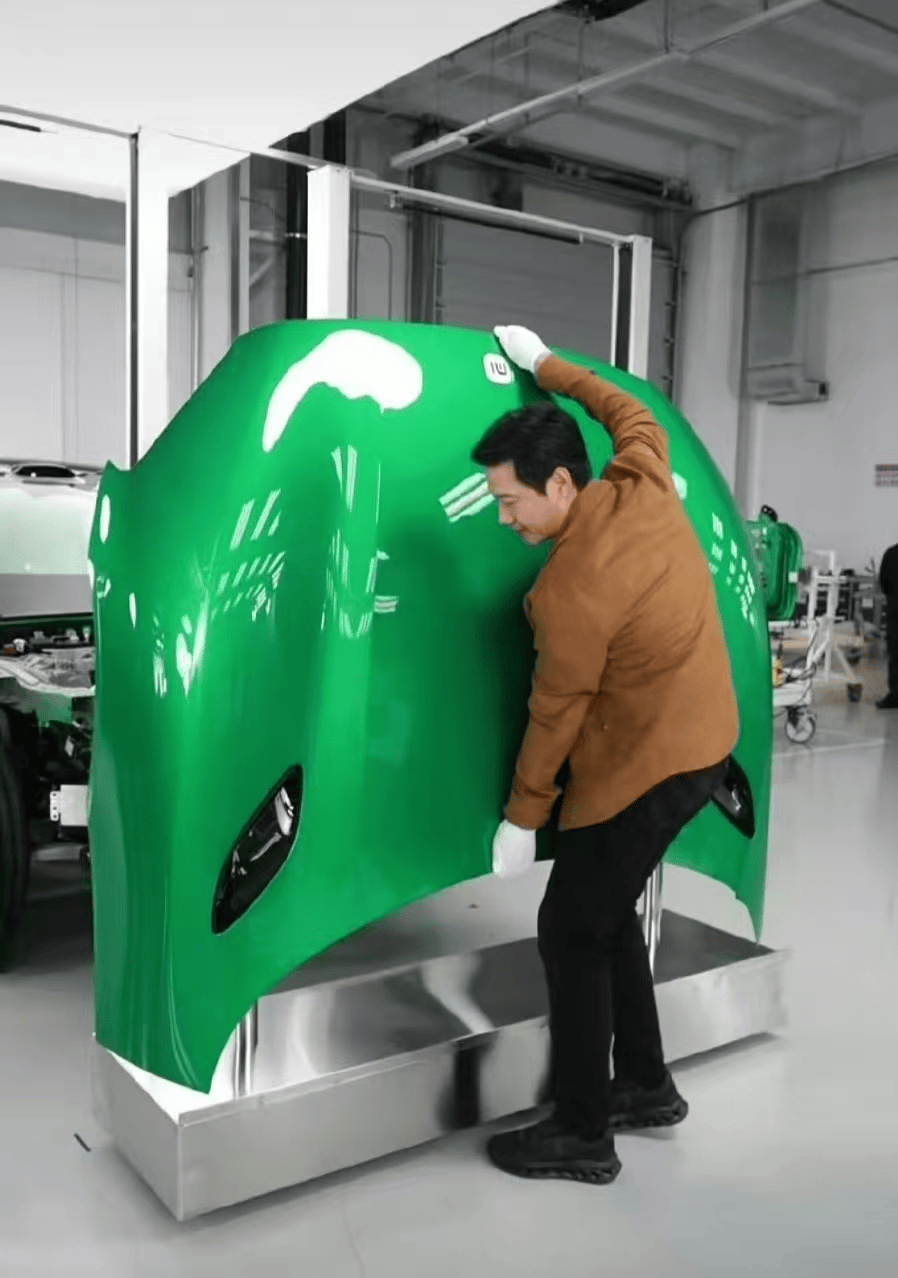
Core Viewpoint - The live stream hosted by Lei Jun aimed to counter various rumors and criticisms surrounding Xiaomi's automotive division, particularly focusing on safety concerns and misinformation spread by online "black water armies" [1][2]. Group 1: Response to Safety Concerns - The live stream featured a detailed disassembly of the Xiaomi Yu7 standard version, emphasizing the vehicle's safety features, including a 3.2mm thick high-strength aluminum alloy anti-collision beam and a detachable honeycomb aluminum energy-absorbing box [2][4]. - Lei Jun highlighted the design of the Yu7, which includes a long front end for aesthetic appeal and enhanced safety through a longer collision buffer zone [4]. Group 2: Addressing Misinformation - The term "Green Belt Warrior" was labeled as a malicious edit, with claims that it was a deliberate attempt to mislead the public about Xiaomi vehicles following a series of traffic accidents [5]. - Xiaomi's public relations team is actively working to support affected car owners in gathering evidence against online harassment and misinformation campaigns [5]. Group 3: Clarification of Misunderstandings - The claim that the Yu7 could travel 1300 kilometers on a single charge was described as taken out of context; Lei Jun clarified that this was based on a specific test conducted under controlled conditions [6]. - The phrase "200 kilometers instant stop" was also misinterpreted, with comparisons made to casual expressions that do not accurately reflect the technical specifications of vehicle braking [7]. Group 4: Legal and Public Relations Strategy - The rumor of Xiaomi having a 7000-member legal team was dismissed as false, with the company expressing intentions to strengthen its legal team to combat defamation and misinformation [9]. - The decision to close comment sections during product launches was explained as a measure to protect the experience of genuine users from coordinated attacks by online trolls [6]. Group 5: Marketing Practices - The controversy surrounding "small print marketing" was defended as a compliant practice rather than deceptive marketing, with the company emphasizing transparency in its promotional materials [10].
雷军回应一切
Sou Hu Cai Jing· 2026-01-05 19:51
Core Viewpoint - Lei Jun addressed various controversies surrounding Xiaomi during a four-hour New Year's live stream, emphasizing the need for timely responses to public concerns and clarifying misconceptions about the company [2][5][6] Group 1: Response to Controversies - The necessity of responding to public opinion was highlighted, with Lei Jun acknowledging that past assumptions about product quality being sufficient were naive [5] - Lei Jun expressed frustration over the negative narratives and misinformation propagated by online critics, particularly regarding the "Green Belt Warrior" label [7][10] - The company plans to take legal action against malicious attacks and misinformation campaigns targeting Xiaomi [7][12] Group 2: Clarifications on Specific Issues - Regarding the "Green Belt Warrior" controversy, it was stated that the issue stemmed from malicious editing and labeling by critics [7] - The decision to disable comment sections during live events was explained as a measure to protect user experience from coordinated attacks by online trolls [8] - Lei Jun clarified the claim of achieving 1300 kilometers on a single charge, stating it was based on a real test and not an exaggeration [10][11] Group 3: Addressing Misunderstandings - The company refuted claims about preventing farmers from selling Xiaomi products, asserting that such accusations were based on misunderstandings and misrepresentations [13] - The use of small print in marketing materials was acknowledged as a common industry practice, with a commitment to improve communication to avoid misinterpretation [14][15]

雷军恐惧流言日
36氪· 2026-01-05 13:35
Core Viewpoint - The article discusses Xiaomi's recent live stream led by Lei Jun, where he addressed various controversies and criticisms surrounding the company, particularly focusing on the impact of "black water armies" (organized online attacks) on his public persona and the company's reputation [4][5][30]. Group 1: Controversies and Responses - Lei Jun expressed his frustration over the negative impact of online attacks, stating that they have caused him significant psychological distress and made him cautious about his public statements [5][8]. - The live stream served as a platform for Lei Jun and the new PR head, Xu Jieyun, to clarify misconceptions, including the misinterpretation of the vehicle's performance claims and the company's policies [14][15]. - Lei Jun highlighted the organized nature of the online attacks, mentioning that a few individuals manipulate thousands of accounts to spread false information about Xiaomi [14][30]. Group 2: Product Performance and Sales - In 2025, Xiaomi delivered 410,000 vehicles, exceeding the initial target of 350,000, indicating strong sales performance despite the controversies [34]. - The Xiaomi YU7 has seen high demand, but the delivery timeline remains long, with reports of up to seven to eight months for customers [32]. - The SU7 Ultra faced a significant drop in monthly sales from thousands to below 100 units due to previous controversies, reflecting the potential long-term impact of negative publicity on sales [31]. Group 3: Future Goals and Strategies - Lei Jun set ambitious goals for 2026, aiming for 550,000 vehicle deliveries, which he considers a challenging yet achievable target [34]. - The company plans to address the issue of "small font marketing" practices, which have drawn criticism, by committing to changes in their marketing strategies [20]. - Xiaomi's management is focused on combating the influence of "black water armies" while also addressing deeper issues within the company to restore its public image [30].
小米和雷军:总有刁民要害朕?
Sou Hu Cai Jing· 2026-01-04 12:08
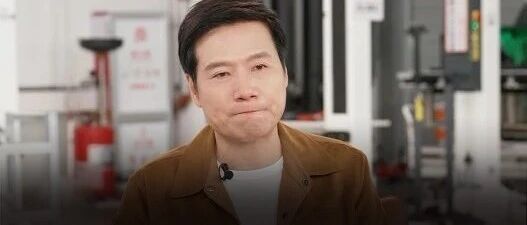
Core Viewpoint - Xiaomi faces both challenges and opportunities in 2025, with increasing negative sentiment towards the company and its CEO Lei Jun, particularly regarding Xiaomi's automotive ventures [1] Group 1: Response to Negative Sentiment - Lei Jun and Xiaomi's new PR head Xu Jieyun publicly addressed widespread rumors about Xiaomi's cars, claiming that negative narratives are manipulated by a small group using multiple accounts to discredit the brand [3][5] - Lei Jun shared his personal experience of driving from Beijing to Shanghai, emphasizing the impressive range of Xiaomi's vehicles, and criticized the negative portrayal of the company's marketing claims [5] - Xu Jieyun acknowledged the issue of "small print marketing" as an industry norm, admitting it can mislead consumers and promising to improve communication by using clearer messaging [6] Group 2: Legal and Public Relations Strategy - Xiaomi has initiated legal actions against those spreading false information, indicating a commitment to protecting its brand reputation [3][8] - Lei Jun refuted claims of having a 7,000-member legal team, emphasizing the need for constructive criticism rather than baseless attacks [8] Group 3: Comparison with Competitors - The article compares Xiaomi's situation to Tesla, noting that while Tesla faces significant negative press, CEO Elon Musk does not attribute sales declines to external factors like "water armies," instead focusing on product adjustments [10] - The commentary suggests that Xiaomi should avoid falling into the trap of blaming external forces for its challenges and instead focus on improving product quality and public relations [10]
雷军直播拆小米YU7,公布41万辆交付量,怒怼黑粉:别拿小米当流量密码
Sou Hu Cai Jing· 2026-01-04 11:45
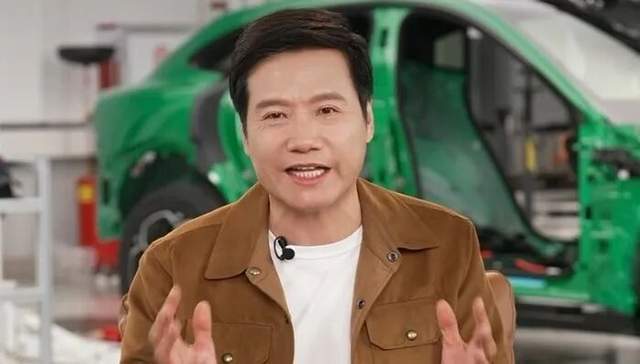
Core Viewpoint - The live stream hosted by Xiaomi's founder Lei Jun aimed to address recent criticisms and concerns regarding Xiaomi's automotive products, particularly the new Xiaomi YU7 model [2][3] Group 1: Live Stream and Product Focus - The live stream was initially planned as a New Year's event but was postponed due to Lei Jun's illness, ultimately becoming the first major live stream of 2026 [2] - The core activity involved engineers disassembling the new Xiaomi YU7 to respond to various doubts raised online about Xiaomi's automotive offerings [2] - Lei Jun emphasized the importance of transparency and welcomed more influencers to review Xiaomi cars, urging fair commentary rather than sensationalism [2] Group 2: Response to Criticism and User Engagement - Lei Jun acknowledged the overwhelming criticism faced by the company over the past six months, including organized attacks, and stated that Xiaomi is committed to addressing these issues seriously [2] - The company encourages users who face malicious attacks to report them, promising full support for user rights protection [3] - Xiaomi remains open to constructive feedback from genuine users but will not tolerate defamation or attacks against its customers [3] Group 3: Delivery and Marketing Practices - During the live stream, Lei Jun announced that Xiaomi's total vehicle deliveries for 2025 exceeded 410,000 units [3] - In response to recent controversies regarding "small print marketing," Lei Jun declared that Xiaomi would immediately rectify these practices, acknowledging that they have been a common industry issue [3] - The company recognized that past marketing strategies focused too heavily on legal compliance at the expense of user experience, and they plan to optimize this approach moving forward [3]
新年首播拆小米YU7,雷军回应“小字营销“等质疑!小米汽车26年交付目标55万辆
Sou Hu Cai Jing· 2026-01-04 10:14
Core Viewpoint - Xiaomi's chairman Lei Jun addressed concerns regarding the materials used in their vehicles during a live stream, emphasizing transparency and inviting scrutiny from the public and media [1]. Group 1: Vehicle Production Goals - Xiaomi aims to deliver 300,000 vehicles by early 2025, increasing the target to 350,000, with an annual goal of over 410,000 vehicles. By 2026, the company plans to focus more on automotive production, setting a delivery target of 550,000 vehicles [4]. Group 2: Response to Marketing Practices - Lei Jun acknowledged the issue of "small print marketing" as an industry norm and committed to immediate changes, stating that previous practices were more about legal compliance than customer perception [5]. - The company’s strategic marketing department noted that the use of small print in promotional materials has been a common practice, but they recognize the need to improve customer communication [5]. Group 3: Addressing Negative Publicity - The term "Green Belt Warrior" was described as a result of malicious editing and labeling by individuals aiming to create negative narratives about the company [6]. - Lei Jun explained that disabling comments during live streams was a measure to prevent spam attacks, ensuring a better experience for genuine users [7]. - The claim of having 7,000 legal staff was dismissed as exaggerated, with a focus on combating misinformation and protecting the brand's reputation [8]. - Lei Jun expressed frustration over the various criticisms faced by the company, emphasizing the importance of objective feedback while condemning malicious attacks [9]. Group 4: Clarification on Misunderstandings - The rumor that "Xiaomi prevents farmers from selling millet" was clarified as a misunderstanding, with the company asserting that there is no connection between its brand and the agricultural product [10].
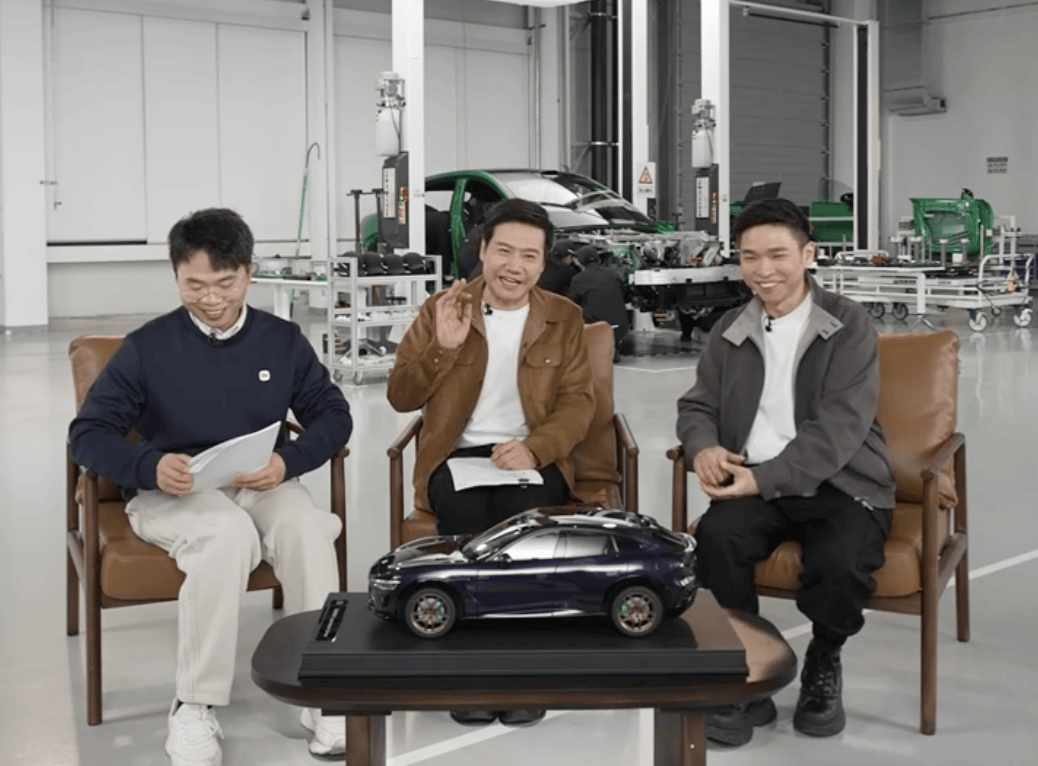
雷军回应“小字营销、不让农民卖小米、7000名法务”等问题
Sou Hu Cai Jing· 2026-01-04 04:02
Core Viewpoint - Xiaomi's CEO Lei Jun addressed various concerns regarding Xiaomi's automotive division during a live stream, emphasizing the company's commitment to transparency and quality while responding to criticisms and rumors circulating online [3][6][10]. Group 1: Company Response to Criticism - Lei Jun stated that the live stream aimed to address numerous questions and criticisms about Xiaomi's vehicles, particularly the YU7 model, which has been popular since its release [6][10]. - Xiaomi's Assistant to the Chairman, Xu Jieyun, highlighted that the "Green Belt Warrior" label circulating online is a result of malicious editing and targeted attacks against Xiaomi car owners, asserting that the company stands firmly with its customers [7][10]. - The company plans to actively respond to criticisms moving forward, as suggested by its community of fans, and will conduct further live streams to clarify issues [6][11]. Group 2: Sales and Future Goals - Xiaomi delivered 410,000 vehicles last year and has set a target of 550,000 vehicle deliveries for 2026 [6]. - The company aims to enhance its legal team to combat misinformation and protect its brand reputation, particularly against organized online attacks [4][10]. Group 3: Industry Practices and Changes - Lei Jun acknowledged that "small print marketing" is a common industry issue and committed to improving clarity in product labeling moving forward [10]. - The company will implement changes to ensure that product annotations are displayed in a clearer font to address consumer concerns [10].