
智能网联新能源汽车

Search documents
北京出手!智驾车专属险要来了
21世纪经济报道· 2026-03-30 10:59
Core Viewpoint - The Beijing Financial Regulatory Bureau has announced the development of specialized insurance products for intelligent connected new energy vehicles, which will cover levels L2 to L4 of automated driving, addressing the unique risks associated with these vehicles [1][3]. Group 1: Need for Specialized Insurance - The rapid development of the intelligent connected vehicle industry necessitates specialized insurance due to the complexity of risks associated with advanced driving technologies [3]. - Current commercial vehicle insurance does not adequately cover the unique scenarios and hardware/software losses related to intelligent connected vehicles [3][4]. Group 2: Characteristics of Specialized Products - The specialized insurance products will be optimized from existing new energy vehicle insurance, clarifying definitions, standardizing terms, and expanding coverage to ensure uniform adaptation for L2 to L4 vehicles [4]. - Expected characteristics of the specialized products include more comprehensive coverage, increased coverage limits, and improved customer service [4]. Group 3: Timeline for Availability - The specialized insurance products will be rolled out in phases, starting with L2 level vehicles, primarily targeting new energy vehicles purchased in Beijing [6]. - For L3 and L4 vehicles, those legally tested or certified for road use in Beijing will also be eligible for the specialized products, with plans to expand availability as data and experience are accumulated [6]. Group 4: Integration with Existing Insurance Framework - The specialized products will utilize the existing car insurance framework to maintain legal consistency and ensure efficient compensation for accident victims [9]. - This approach aims to balance interests among stakeholders and facilitate rapid resolution of traffic accident disputes, thereby supporting industry innovation [9][10]. Group 5: Future Steps - The Beijing Financial Regulatory Bureau plans to collaborate with industry associations and insurance companies to develop product terms, conduct rate assessments, and enhance data exchange mechanisms [10]. - Efforts will also focus on training personnel and conducting simulations to ensure high-quality service delivery for the new insurance products [10].


北京智驾车将有商业保险 适配L2-L4全级别
财联社· 2026-03-29 09:39
Group 1 - The article highlights that Beijing has taken the lead in the country by initiating the development and application of commercial insurance products for intelligent connected new energy vehicles [1] - The new insurance products will largely follow the existing commercial vehicle insurance system for new energy vehicles, focusing on providing risk coverage for specific intelligent driving scenarios and hardware/software losses [1] - The insurance is designed to be compatible with all levels of intelligent connected new energy vehicles, from L2 to L4, addressing gaps in current insurance definitions that primarily consider human driving scenarios [1]

全球产业格局之变原因何在?
Sou Hu Cai Jing· 2026-02-27 08:56
Core Insights - The global economic landscape is undergoing a systematic restructuring due to changes in the global power dynamics, stages of productivity development, and deepening contradictions within capitalism [1][3]. Group 1: Global Economic Trends - The capitalist contradictions have become increasingly evident during the process of economic globalization, leading to a significant imbalance in global industrial division, with developed countries experiencing industrial hollowing [3]. - The share of manufacturing employment in the U.S. has decreased from 12.7% in 2000 to a projected 8% in 2025, marking a 20-year low [3]. Group 2: Technological Advancements and Industry Shifts - The emergence of new technologies has rendered traditional industrial development models unsustainable, creating opportunities for emerging industries and reshuffling national industrial advantages [4]. - The blurring of boundaries between manufacturing and services due to the proliferation of digital technologies has led to new business models such as "product as a service" and personalized customization, significantly increasing industrial value [4]. Group 3: Geopolitical and Technological Competition - Technological leadership is now a cornerstone of national security and geopolitical power, with new technologies like artificial intelligence breaking traditional paths of innovation [5]. - The imposition of "associated blockades" has forced developing countries to pivot towards foundational research and original innovation, as they can no longer rely on traditional methods of technology acquisition [5]. Group 4: State Intervention and Regulatory Dynamics - As global industrial competition intensifies, reliance solely on market forces is insufficient for ensuring industrial security, necessitating state intervention and rule-making as essential strategies [6]. - The increasing prominence of externality issues, such as climate change and supply chain resilience, has led to a shift from market-driven to "state strategy + market mechanism" dual-driven industrial organization [6].
重庆将携手四川新增打造3个万亿级产业集群
Zhong Guo Xin Wen Wang· 2026-02-26 14:22
Group 1 - Chongqing aims to become a significant growth pole and new driving force in the Chengdu-Chongqing economic circle during the 14th Five-Year Plan, with plans to develop three new trillion-yuan industrial clusters: intelligent connected new energy vehicles, software information services, and food and agricultural product processing [1] - The city will collaborate with Sichuan to accelerate the establishment of a nationally influential economic center and technology innovation hub, as well as a western financial center and cultural tourism corridor [1] - Chongqing plans to enhance existing advantages in four trillion-yuan industrial clusters, including electronic information, while adding three new clusters to solidify regional development [1] Group 2 - The city will fully implement national regional strategies, including the New Era Western Development and the Yangtze River Economic Belt, while deepening connections with major regions such as the Yangtze River Delta and the Guangdong-Hong Kong-Macau Greater Bay Area [2] - Efforts will be made to strengthen innovation collaboration with universities, research institutions, and quality enterprises in the western provinces, particularly in aerospace and electronic information sectors [2] - Chongqing will optimize land use and productivity layout to enhance regional policy effectiveness, supporting the development of urban sub-centers and regional centers to achieve coordinated growth [2]
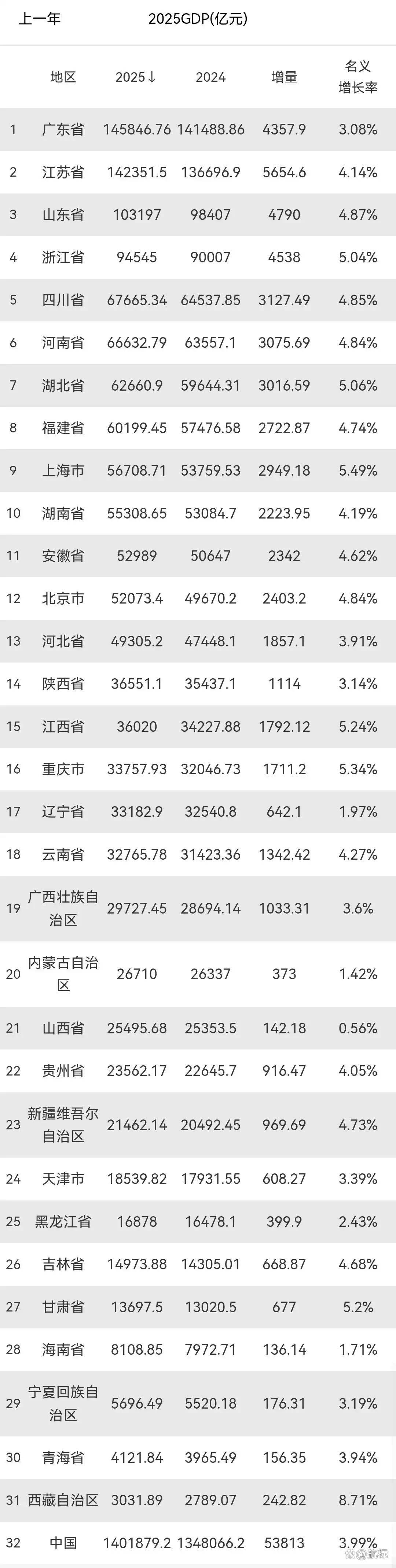
31省2025全年GDP大洗牌:江苏增速增量远超广东,安徽约5.3万亿,重庆逆袭辽宁!
Sou Hu Cai Jing· 2026-02-23 16:28
Core Insights - The economic performance of China's 31 provinces is crucial for the overall stability and growth of the national economy, with significant changes in rankings observed for 2025 [1] - Guangdong remains the top province by GDP, but Jiangsu is closing the gap with a notable increase in growth rate and GDP increment [3][5] - The competition between provinces is characterized by different growth strategies, with Jiangsu focusing on balanced development across multiple cities and sectors [3] - Anhui has shown remarkable growth by leveraging its geographical advantages and integrating into the Yangtze River Delta economic circle [5] - Chongqing has surpassed Liaoning by shifting its focus to smart and connected electric vehicles, highlighting the importance of industry transformation [7] - The overall economic landscape in China is evolving, with multiple provinces finding their unique paths to growth, rather than a simple east-west divide [9] Summary by Category GDP Rankings and Growth Rates - Guangdong's GDP for 2025 is projected at 145,846.76 billion, with a nominal growth rate of 3.08% [1] - Jiangsu's GDP is expected to reach 142,351.5 billion, with a higher growth rate of 4.14% and an increment of 5,654.6 billion [3] - Shandong and Zhejiang follow with GDPs of 103,197 billion and 94,545 billion, respectively, both showing growth rates above 4% [1] Economic Strategies and Transformations - Jiangsu's growth is attributed to its deep-rooted manufacturing sector, with high-tech manufacturing value-added increasing by 11.9% [3] - Anhui's strategy involves collaboration with neighboring provinces, achieving a GDP of 53,000 billion and a growth rate of 5.5% [5] - Chongqing's focus on electric vehicles has led to its GDP reaching 33,757.93 billion, surpassing Liaoning's 33,182.9 billion [7] Regional Highlights - Shandong becomes the first northern province to exceed a 10 trillion GDP, maintaining economic stability in the north [9] - Henan shows a growth rate of 5.6%, leading the central region [9] - The overall economic picture for 2025 indicates a diversified growth pattern across various provinces, moving away from a simplistic east-west economic divide [9]
“十四五”广东现代化产业体系建设实现多项“全国第一” 广东工业机器人服务机器人产量均居全国首位
Nan Fang Ri Bao Wang Luo Ban· 2026-02-09 09:14
Core Insights - The press conference highlighted the achievements of Guangdong's modern industrial system construction during the 14th Five-Year Plan period, showcasing significant advancements in various sectors. Group 1: Industrial Development - Guangdong's new industrialization has progressed significantly, with the AI core industry expected to reach a scale of 300 billion yuan by 2025, and the production of industrial and service robots ranking first in the country [1] - The province produced over 6.9 million civilian drones last year, maintaining its position as the national leader [2] - Guangdong's manufacturing sector includes 44 industrial products with over 10% national market share, 23 products with over 20%, and 11 products with over 30% [2] Group 2: Service Sector Growth - The quality and efficiency of the service industry have improved, with new business models like home services and fresh e-commerce emerging, leading to a projected 9.6 billion tourists and 1.24 trillion yuan in tourism revenue by 2025 [3] - The province has seen a significant increase in the number of listed companies, with over 220 new listings, bringing the total to 1,224 and a total market value of 30.8 trillion yuan, an increase of 14.6 trillion yuan [2] Group 3: Infrastructure and Innovation - By the end of 2025, Guangdong's high-speed rail operating mileage is expected to reach 3,411 kilometers, a 65.2% increase from 2020 [3] - The province has established six national manufacturing innovation centers and 28 key manufacturing pilot platforms, leading the nation in both categories [4] - R&D investment in Guangdong is projected to rise from 347.99 billion yuan in 2020 to 535 billion yuan by 2025, with R&D intensity increasing from 3.14% to 3.6% [4] Group 4: Agricultural and Consumer Sector - The total output value of agriculture, forestry, animal husbandry, and fishery in Guangdong is expected to reach 979.87 billion yuan by 2025, with a year-on-year growth of 4.9% [6] - The province's consumer goods replacement program achieved sales of 264.2 billion yuan, accounting for 10% of the national total, benefiting 61 million people [6]

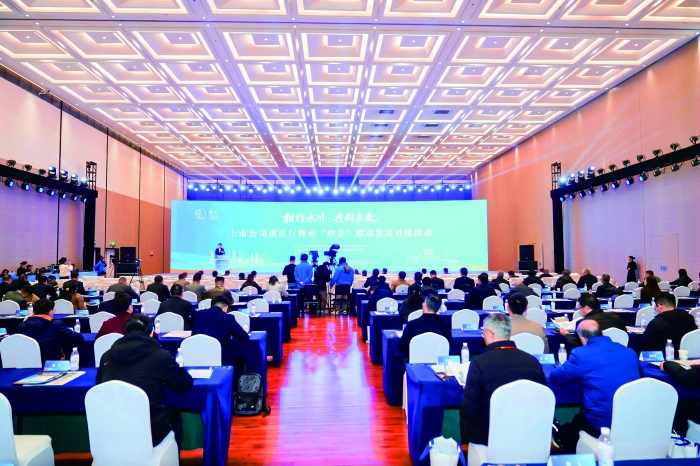
相约永川 共创未来——上市公司重庆行暨重庆市“四企”联动发展对接活动
Shang Hai Zheng Quan Bao· 2026-02-08 17:31
Core Viewpoint - Yongchuan is rapidly transforming into a modern city with strong industrial capabilities and innovative potential, positioning itself as a key player in the Chengdu-Chongqing economic circle [1] Group 1: Event Overview - The Chongqing Investment Promotion event held in Yongchuan attracted around 300 representatives from listed companies, strong enterprises, and investment institutions to discuss development opportunities [1] - The event was themed "Meet in Yongchuan, Create the Future Together" and was co-hosted by various governmental and media organizations [1] Group 2: Industrial Development - Yongchuan is focusing on high-quality manufacturing development, with a "3322" modern manufacturing cluster system targeting key industries such as intelligent connected new energy vehicles, motorcycles, and artificial intelligence [4] - The region's GDP has been steadily increasing, with a projected industrial output value of 1,050.7 billion by 2025 and a total of 394 industrial enterprises [4] Group 3: Investment Opportunities - A total of 26 key investment projects were signed during the event, with a planned investment of 9.6 billion in sectors like new energy vehicles and advanced manufacturing [4] - Companies are expressing strong interest in investing in Yongchuan, recognizing its vibrant industrial ecosystem and potential for collaboration [5][7] Group 4: Talent and Education - Yongchuan is recognized as a vocational education hub, attracting investment institutions to collaborate with local educational resources to cultivate high-quality talent [7] - The region's educational advantages are seen as a significant asset for companies looking to establish operations in Yongchuan [7] Group 5: Future Prospects - Yongchuan is positioning itself as a center for advanced manufacturing and innovation, with plans to develop new industries such as low-altitude economy and biotechnology [8] - Financial institutions are committing significant resources to support Yongchuan's development, with plans for 10 billion in credit support over the next five years [9]
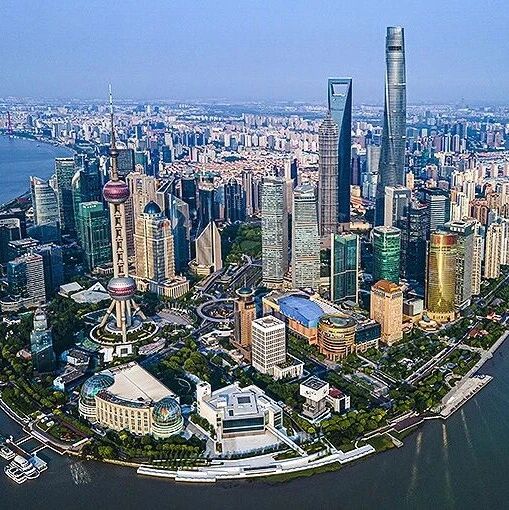
上海市经信委:聚焦智能终端、商业航天等,再造万亿级产业新增量
第一财经· 2026-02-07 13:42
Core Viewpoint - Shanghai is focusing on enhancing its industrial capabilities and core competitiveness in 2026, the first year of the "14th Five-Year Plan," by implementing strategies across four key areas [3]. Group 1: National Strategy Implementation - The city will continue to maintain its advantages in leading industries such as integrated circuits and artificial intelligence, aiming for double-digit growth in manufacturing output [3]. - The integration of "IC + AI" will be leveraged to elevate the overall industrial system [3]. Group 2: Industrial Transformation and Upgrading - Shanghai aims to accelerate the transformation of industries like petrochemicals, steel, and light industry towards digitalization and greening, with plans to establish 500 advanced intelligent factories during the "14th Five-Year Plan" [4]. - The application density of industrial robots is targeted to reach 600 units per 10,000 people, and 200 green manufacturing enterprises at the municipal level will be created [4]. Group 3: Economic Growth and New Industries - The city plans to significantly increase the total industrial economy by developing six emerging pillar industries, including next-generation electronic information and intelligent connected new energy vehicles, targeting new sectors like smart terminals and commercial aerospace [3][4]. - The goal is to generate a trillion-level increase in industrial output [3]. Group 4: Industrial Ecosystem Optimization - Shanghai will guide districts to deepen their leading industries through an industrial map, aiming to create 25 billion-level sub-sectors [4]. - The city's industrial added value grew by 5.1% last year, with total output reaching 4.07 trillion yuan, marking a historical high [4]. - The proportion of "new manufacturing" increased from 40% to 45%, while the share of three leading industries in manufacturing rose from 7.8% to 12.4% [4].
瞄准新赛道,上海将再造万亿级产业新增量
Xin Lang Cai Jing· 2026-02-07 11:29
Group 1 - Shanghai aims to expand its industrial economy by focusing on six emerging pillar industries, including new-generation electronic information and intelligent connected vehicles, targeting a trillion-level industrial increment [1][3] - By 2025, Shanghai's industrial added value is projected to grow by 5.1%, with total output reaching 4.07 trillion yuan, marking a historical high [3] - The city will maintain its advantages in leading industries such as integrated circuits and artificial intelligence, accelerating breakthroughs across the entire industrial chain with double-digit growth in manufacturing output [3] Group 2 - Shanghai plans to promote the transformation and upgrading of traditional industries like petrochemicals and steel towards digitalization and greening, aiming to establish 500 advanced intelligent factories during the 14th Five-Year Plan [3] - The city will create 200 green manufacturing enterprises at the municipal level and enhance the business environment to support outstanding companies [3] - Shanghai will guide districts to cultivate leading industries based on an industrial map, aiming to develop 25 billion-level niche markets [3]
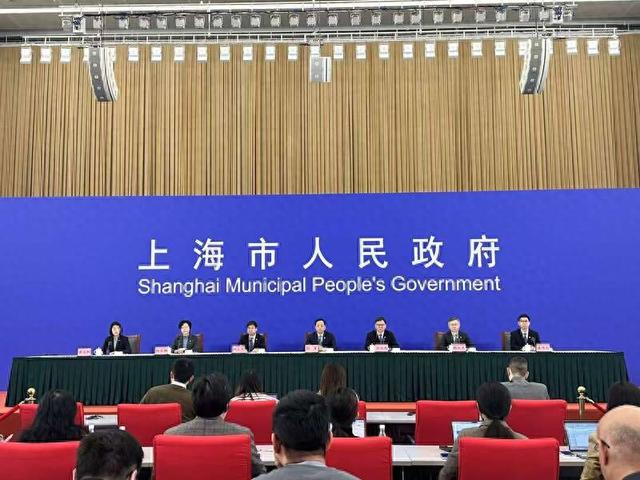
大飞机、大邮轮接连取得突破,上海如何进一步提升产业核心竞争力?
Xin Lang Cai Jing· 2026-02-07 05:15
Core Insights - Shanghai aims to achieve an industrial output value exceeding 4 trillion yuan by 2025, marking a historical high, with significant advancements in key sectors such as large aircraft and cruise ships [1] Group 1: Industrial Growth and Achievements - In the past year, Shanghai's industrial added value grew by 5.1%, reaching a total output value of 4.07 trillion yuan, a record high [1] - The proportion of strategic emerging manufacturing industries increased from 40% at the beginning of the 14th Five-Year Plan to 45%, while the share of the three leading industries in manufacturing rose from 7.8% to 12.4% [1] Group 2: Future Development Strategies - Shanghai will focus on four key areas: 1. Implementing national strategies to maintain advantages in integrated circuits and artificial intelligence, aiming for double-digit growth in manufacturing output [2] 2. Accelerating industrial transformation towards digital and green development, with plans to establish 500 advanced intelligent factories and achieve an industrial robot application density of 600 units per 10,000 people [2] 3. Expanding the industrial economy by developing six emerging pillar industries, targeting new sectors such as smart terminals and commercial aerospace [2] 4. Enhancing the industrial ecosystem by guiding districts to cultivate leading industries and creating 25 billion-yuan-level niche markets [2] Group 3: Leadership and Contribution - Shanghai will leverage its leading role to contribute to the construction of a manufacturing powerhouse, embodying a commitment to national responsibilities and innovation [3]