网络购物

Search documents
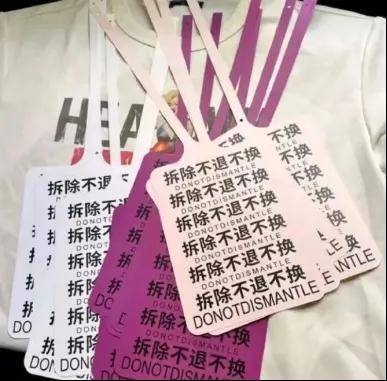
比脸还大的“巨型吊牌” 实际是电商信任的“巨型危机”
Sou Hu Cai Jing· 2026-02-05 07:15
Group 1 - The emergence of oversized anti-theft tags on online clothing reflects merchants' response to the abuse of the "seven-day no-reason return" policy, which has led to increased operational costs due to returned items that are often worn or stained [1][3] - The return rate for women's clothing in e-commerce is as high as 50%-60%, indicating a distorted consumer mentality where purchasing is perceived as renting, undermining the trust foundation of the online shopping environment [3][4] - The oversized tags serve as a physical deterrent to discourage opportunistic consumers who exploit return policies, highlighting the imbalance in platform rules that favor consumer protection over merchant interests [3][4] Group 2 - The concept of "trust cost" in e-commerce is rising, as merchants bear the financial burden of a few dishonest consumers, which may ultimately be passed on to all consumers [4][5] - While oversized tags may temporarily reduce return rates, they are a stopgap measure; a comprehensive credit system is essential for long-term resolution [5][6] - Rebuilding trust requires collective efforts from consumers, merchants, and platforms to foster a fair shopping environment, emphasizing the importance of integrity and responsibility in online transactions [5][6]

淘宝闪购的红包怎么暴涨?这份攻略让你省钱事半功倍
Sou Hu Cai Jing· 2026-01-23 16:46
Core Insights - The article discusses strategies for maximizing the value of red envelopes during Taobao's flash sale events, emphasizing that understanding platform rules and employing systematic methods can lead to significant increases in the amount of red envelopes received [4][5][6][7] Group 1: Red Envelope Acquisition Strategies - Users can access red envelopes through the "Flash Sale" section on the Taobao app, where daily available envelopes are often highlighted [4] - The task center within the flash sale channel offers additional rewards for completing simple tasks, which can enhance user engagement and increase future red envelope amounts [5] - Following and engaging with specific stores can yield exclusive store-specific red envelopes that often provide greater discounts than general platform envelopes [6] Group 2: Cross-Platform and Timing Strategies - Users can also benefit from cross-platform strategies by accessing red envelopes through other Alibaba ecosystem applications like Alipay, which can synchronize rewards to their Taobao accounts [6] - Timing is crucial, as the platform tends to release more attractive red envelopes during specific time slots or promotional events, making it essential for users to participate promptly [7] - Establishing a systematic approach to managing red envelopes, such as tracking different sources and setting reminders, can significantly enhance the overall benefits users receive [7] Group 3: Effective Usage of Red Envelopes - The ability to stack multiple red envelopes from various sources at checkout allows users to maximize their discounts, often surpassing the value of a single large envelope [6] - Continuous participation and strategic engagement with the platform can lead to a gradual increase in red envelope amounts, highlighting the importance of user persistence and understanding of platform mechanics [7]


阿里:加大投入淘宝闪购以达到市场绝对第一
第一财经· 2026-01-08 05:43
Group 1 - The core viewpoint of the article highlights that Alibaba's Taobao Flash Sale has made significant progress in the latest quarter [1] - Alibaba Group has clarified its investment strategy for Taobao Flash Sale, aiming for market share growth and committing to increased investment to achieve absolute market leadership by 2026 [1]

让“幽灵网店”无处藏身(金台锐评)
Ren Min Ri Bao· 2025-12-17 22:11
Core Viewpoint - The existence of "ghost online stores" undermines market fairness and consumer trust, posing risks to both consumers and legitimate businesses while challenging regulatory effectiveness [1][2]. Group 1: Issues with Ghost Online Stores - Ghost online stores provide false information to evade regulation, violating legal obligations and harming consumer rights [1]. - Consumers face economic losses and safety risks when purchasing counterfeit goods from these stores, as they cannot claim refunds or compensation due to the sellers' anonymity [1]. - Legitimate businesses are negatively impacted as ghost stores exploit low prices from infringing goods, disrupting healthy market competition and innovation [1]. Group 2: Regulatory Responses and Solutions - The key to addressing the issue of ghost online stores lies in improving regulations to verify the identity of online sellers and prevent infringement [2]. - The recent draft regulation by the State Administration for Market Regulation outlines responsibilities for e-commerce platforms to verify seller information and enhance cross-regional law enforcement cooperation [2]. - E-commerce platforms are required to prominently mark stores with false information, which will deter consumers from purchasing from these sellers, thereby disrupting their profit model [2]. Group 3: Future Expectations - There is an expectation for new regulations to be refined based on public opinion, with a focus on clarifying responsibilities, improving mechanisms, and strengthening penalties to purify the online business environment [3].
诚信网购不容恶意“蹭穿”(纵横)
Ren Min Ri Bao· 2025-12-11 22:11
Group 1 - The rise of "7-day no-reason return" policies has made it easier for consumers to return online purchases, but some individuals exploit this system by using items for temporary purposes and returning them afterward [1] - To combat the issue of "wear and return," some retailers have implemented larger tags and even security features on clothing, which increases operational costs and can lead to unsold seasonal inventory [1] - The increasing costs associated with anti-fraud measures may be passed on to all consumers through higher prices, creating a vicious cycle that harms the healthy development of the market [1] Group 2 - The foundation of e-commerce development is built on trust, and sustainable growth requires a consumer ecosystem based on integrity rather than just enhanced security measures [2] - A healthy e-commerce environment can only be achieved when every transaction is based on mutual trust, which can help to reduce high return rates [2]
黑猫投诉公布双11消费投诉报告:抖音投诉率最高 淘宝回复率最低
Sou Hu Cai Jing· 2025-11-25 05:39
Core Insights - The report by Heimao Complaints reveals the consumption and complaint situation during the longest Double Eleven shopping festival from October 9 to November 14, 2025 [1] Group 1: Consumption Trends - The Double Eleven promotional period set a record with a total of 13.938 billion express packages delivered nationwide from October 21 to November 1 [1] - There was a significant increase in "self-indulgent" consumption, with notable growth in categories such as interests, antiques, and trendy toys [1] - AI smart devices saw explosive growth, with sales of AI tablets and smartphones increasing by 200% and 150% respectively [1] - Instant retail participation surged, with Taobao Flash Sale integrating 400,000 brand stores, and the number of zero-order stores doubling year-on-year [1] Group 2: Complaint Trends - Apparel complaints topped the list with over 5,200 cases, followed by beauty and daily appliances with over 4,000 complaints each [1] - Due to the Sudan Red incident, complaints against domestic beauty brands rose from less than 40% to nearly 70% [1] - Complaints regarding smart home devices, such as robotic vacuum cleaners and floor washers, exceeded 530 cases, primarily related to faults and leaks [1] - Logistics complaints surpassed 70,000, with package damage accounting for nearly 21% of these complaints [1]
网络购物平台出现多种新型不规范行为
Xin Lang Cai Jing· 2025-11-20 21:20
Core Insights - The article presents a viewpoint on the current market trends and investment opportunities within a specific industry [1] Group 1 - The industry is experiencing significant growth, with a projected increase in market size by 15% over the next year [1] - Key players in the market are expanding their operations, leading to increased competition and innovation [1] - Recent technological advancements are driving efficiency and reducing costs for companies within the sector [1] Group 2 - Consumer demand is shifting towards sustainable and eco-friendly products, influencing company strategies [1] - Regulatory changes are impacting operational frameworks, necessitating adjustments from industry participants [1] - Financial performance metrics indicate a positive outlook, with several companies reporting earnings growth of over 20% year-on-year [1]
更隐蔽的电商“新套路”如何破
Jing Ji Wang· 2025-11-20 02:59
Core Insights - The article highlights the emerging issues in online shopping, particularly with the rise of AI technologies and new business models, leading to consumer complaints about deceptive practices [1][2]. Group 1: Issues in Online Shopping - Consumers have reported various deceptive practices by merchants, including the use of AI to create fake endorsements and misleading promotional tactics [1]. - Some merchants exploit loopholes in regulations regarding returns and refunds, complicating the consumer experience [1]. - The use of web scraping to gather competitor data has also been noted as a concerning practice in the industry [1]. Group 2: Legal and Regulatory Challenges - Despite existing consumer protection laws, enforcement remains challenging due to technical barriers in gathering evidence against online fraud [1][2]. - The need for updated enforcement standards to address new forms of online misconduct, such as "AI fake hosts" and "scene promotions," is emphasized [2]. - The article calls for enhanced regulatory measures, including the use of big data and AI for real-time monitoring of online transactions and advertising [2]. Group 3: Recommendations for Improvement - The article suggests that social governance should align with legal protections to effectively address new challenges in online shopping [2]. - It advocates for simplifying consumer rights processes and promoting online dispute resolution mechanisms to lower the burden of proof for consumers [2]. - Platforms are encouraged to adopt a long-term vision for industry reputation, moving away from short-term profit strategies and ensuring compliance with regulations [2][3].
双十一没落了?23年销售额1.13万亿,24年1.44万亿,25年让人惊讶
Sou Hu Cai Jing· 2025-11-16 19:46
Core Insights - The 2023 Double Eleven sales reached 1.13 trillion yuan, with projections for 2024 at 1.44 trillion yuan and 2025 exceeding 1.6 trillion yuan, reflecting a year-on-year growth of 14.2% [3][32] - Despite the impressive sales figures, consumer sentiment has shifted, with 63% of respondents feeling that Double Eleven lacks presence and excitement compared to previous years [6][12] - The shopping festival has evolved from a concentrated event into a more extended promotional period, diminishing the urgency and excitement traditionally associated with it [14][35] Sales Performance - The total sales for Double Eleven in 2023 were 1.13 trillion yuan, with expectations for 2024 to rise to 1.44 trillion yuan and 2025 to surpass 1.6 trillion yuan, indicating a significant growth trajectory [3][32] - The sales growth from 2024 to 2025 is projected at 14.2%, showcasing a robust market despite changing consumer behaviors [3] Consumer Behavior - A survey indicated that 63% of consumers feel that Double Eleven has lost its significance, reflecting a shift in shopping habits and attitudes towards promotional events [6][12] - Consumers are increasingly focused on practical purchases rather than impulsive buying, with a preference for items that meet specific needs rather than following trends [22][35] - The rise of personalized shopping experiences through algorithmic recommendations has led to more targeted purchasing, reducing the influence of collective shopping frenzies [37] Market Dynamics - The competitive landscape has changed, with platforms like Douyin and Pinduoduo gaining traction, leading to a fragmented attention span among consumers [20] - The traditional dominance of platforms like Tmall and JD has been challenged, as consumers now have multiple options for shopping, both online and offline [20] - The shift towards quality over quantity in consumer preferences has forced businesses to adapt their strategies, focusing on product value rather than just low prices [41] Industry Implications - The evolution of Double Eleven signifies a transition from a "shopping festival" to a "regular discount period," emphasizing the need for businesses to adapt to changing consumer expectations [35][48] - Companies must prioritize product quality and customer service to retain consumer loyalty, moving away from reliance on promotional events for sales [41] - Platforms should shift from creating elaborate promotional events to providing consistent value and service, aligning with the new consumer mindset [43]
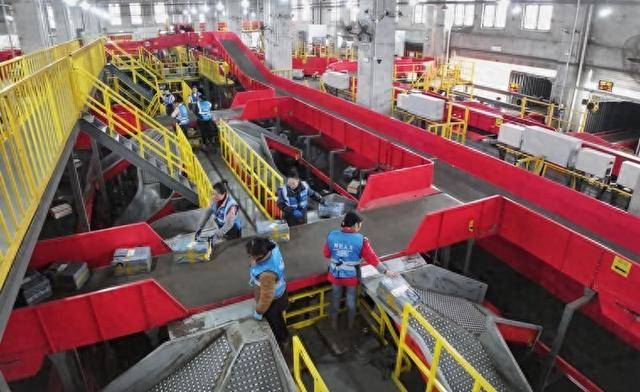
虚假登记、老板失联、维权困难……“幽灵网店”如何破?
Xin Lang Cai Jing· 2025-11-15 00:15
Core Viewpoint - The article discusses the issue of "ghost online stores," which are fraudulent e-commerce shops that evade consumer protection and regulatory oversight by providing false contact information, making it difficult for consumers and authorities to address complaints [3][4]. Group 1: Definition and Impact of Ghost Online Stores - "Ghost online stores" are defined as illegal businesses that operate online while intentionally providing false addresses and phone numbers, making it impossible for consumers to reach them for complaints [3]. - These stores not only deceive ordinary consumers but also pose challenges to well-known brands by misusing their trademarks and avoiding regulatory scrutiny [3][4]. - Over half of the online counterfeit cases investigated by market regulatory authorities involve "ghost online stores," highlighting the persistent nature of this issue [3]. Group 2: Regulatory Response - The State Administration for Market Regulation has drafted the "Regulations on E-commerce Platforms Assisting in the Investigation of Trademark Infringement Cases (Draft for Public Comment)" to address the challenges posed by "ghost online stores" [3][4]. - The new regulations aim to integrate e-commerce platforms into the trademark infringement governance system, emphasizing the responsibility of these platforms in protecting intellectual property rights [5][6]. Group 3: Key Measures in the New Regulations - The regulations outline specific measures for e-commerce platforms, including notifying them to take protective actions when evidence of trademark infringement is found [6]. - Platforms are required to prominently mark shops with false address information and inform them to provide accurate details to assist regulatory investigations, effectively warning consumers of potential risks [6]. - The regulations also address jurisdictional conflicts in cases involving multiple regions, enhancing the efficiency of law enforcement resources and case handling [6][7]. - Non-compliance by e-commerce platforms will result in legal action from market regulatory authorities [6]. Group 4: Overall Significance - The draft regulations represent a strategic move to tackle the clear enforcement challenges in the e-commerce sector, establishing a "prominent marking" system and creating responsive channels between departments and platforms to improve enforcement efficiency [7].