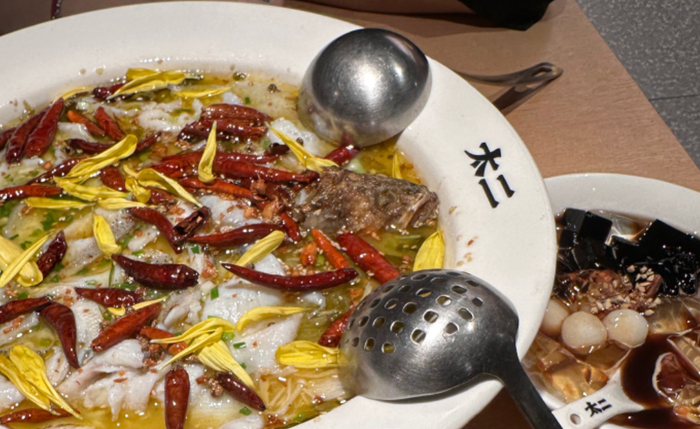
酸菜鱼餐饮

Search documents
太二、渝是乎集体“弃牌”:酸菜鱼为何被踢出C位
Xin Lang Cai Jing· 2026-02-03 17:46
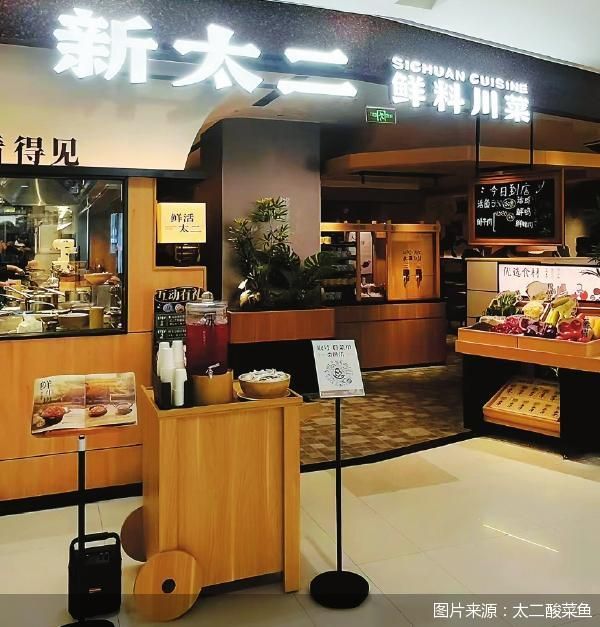
品类边界全面拓宽 前不久,太二在广州、深圳等核心市场陆续将几家门店升级为"新太二·鲜料川菜",招牌从"太二酸菜 鱼"变更为强调川味属性的新名称。菜单重构力度显著,围绕"鲜活"推出全新菜单,在门店承诺活鱼每 日到店、牛肉鲜切现做以及鲜鸡每日送达,强化"鲜活食材"品牌定位。截至2025年12月31日,太二累计 落地"鲜活"模式门店243家,覆盖全国60个核心城市,含6家焕新升级的"新太二·鲜料川菜"门店。 酸菜鱼赛道迎来标志性市场转型。近日,太二、渝是乎两大酸菜鱼头部品牌正在淡化"酸菜鱼"核心招牌 菜地位,鱼你在一起、姚姚酸菜鱼一众连锁品牌也开启品类拓展。这一轮集体转型的背后,体现出酸菜 鱼品类市场从蓝海扩张进入红海存量竞争。与此同时,品类高度同质化、预制菜冲击堂食消费、大单品 模式触达增长天花板等多重问题叠加,让酸菜鱼企业普遍陷入"僵化",从而不得不主动求变为消费热情 升温。 转型背后是无法回避的行业困境与业绩压力。以太二为例,作为九毛九集团的支柱品牌,太二品牌2025 年上半年收入同比下滑13.3%,翻台率和同店日均销售额均不理想,也是集团旗下品牌中关店数最多的 品牌。不过,九毛九集团近期披露的内容提到,集团 ...


酸菜鱼失宠
Bei Jing Shang Bao· 2026-02-03 15:49
酸菜鱼赛道迎来市场转向。太二、渝是乎两大酸菜鱼头部品牌正淡化"酸菜鱼"的核心招牌菜地位,鱼你 在一起、姚姚酸菜鱼等连锁品牌也开启品类拓展。此轮集体转型的背后,体现出酸菜鱼品类市场从蓝海 扩张进入红海存量竞争。同时,品类高度同质化、预制菜冲击堂食消费、大单品模式触达增长天花板等 问题叠加,让酸菜鱼企业普遍陷入"僵化",不得不主动求变以提升消费热情。 品类边界全面拓宽 前不久,太二在广州、深圳等核心市场陆续将几家门店升级为"新太二·鲜料川菜",招牌从"太二酸菜 鱼"变更为强调川味属性的新名称。同时,围绕"鲜活"推出全新菜单,在门店承诺活鱼每日到店、牛肉 鲜切现做以及鲜鸡每日送达,强化"鲜活食材"品牌定位。截至2025年12月31日,太二累计落地"鲜活"模 式门店243家,覆盖全国60座核心城市,含6家焕新升级的"新太二·鲜料川菜"门店。 太二的转变仅是酸菜鱼赛道转型浪潮中的缩影之一,越来越多主打酸菜鱼的品牌正弱化这一大单品。北 京商报记者注意到,近期北京多家渝是乎门店已完成品牌升级,将原有的招牌直接简化为"渝是乎·川渝 小炒",彻底抹去"酸菜鱼"字样,视觉体系同步更新,"全是真现炒,炒出山城烟火气"的宣传语占据门 ...
太二酸菜鱼以精细化管理推动福田“安心餐厅”建设
Zhong Guo Jing Ji Wang· 2025-12-15 08:02
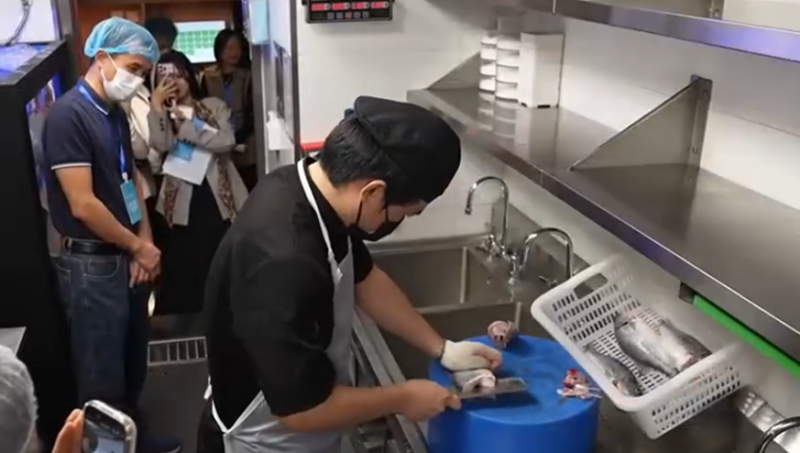
Group 1 - The "Anxin Restaurant" initiative is led by the Shenzhen Consumer Council in collaboration with the Futian District Consumer Council, aiming to enhance brand influence and promote high-quality development in the local catering industry [1] - The initiative includes the release of the first national group standard, the "Anxin Restaurant Guidelines," and plans to upgrade to the "Anxin Restaurant Construction Specifications" by 2025 to further standardize the industry [1] - A recent promotional event titled "Futian Shares Anxin 'Food' Light" was held to showcase the "Anxin Restaurant" concept, inviting various stakeholders to experience the standardized construction process [1] Group 2 - At the Tai Er Sauerkraut Fish restaurant, staff demonstrated the entire process of preparing signature dishes, emphasizing transparency and quality confidence [3] - The restaurant implements a three-tier system of food safety awareness through strict pre-job training, daily self-checks before meals, and weekly store supervision [3] - Currently, there are 206 certified Anxin Restaurants in the district, including 31 five-star, 46 four-star, and 129 three-star establishments, with well-known brands like Tai Er Sauerkraut Fish actively participating [3]
餐饮行业唯一入选!鱼你在一起跻身《大国品牌》年度品牌榜单
Qi Lu Wan Bao· 2025-11-26 07:12
Core Viewpoint - The brand "Fish You Together" has been recognized as a leading Chinese food brand, emphasizing the importance of storytelling in Chinese cuisine and its global outreach [1][2]. Group 1: Brand Recognition and Achievements - "Fish You Together" won the Annual Brand Award at the CCTV 2025 "National Brand" ceremony, highlighting its innovative spirit and social contributions [1]. - The brand has over 2,500 stores globally, covering more than 360 cities, and is recognized as the number one brand in the world for sauerkraut fish by Frost & Sullivan [2]. Group 2: Social Responsibility and Rural Revitalization - The brand's development reflects its commitment to social responsibility, particularly in rural revitalization efforts in Henan Province, where it has transformed traditional farming practices [3]. - Through an "order agriculture" model, the brand has invested 3 million yuan to ensure farmers' financial security, leading to significant income increases for local farmers [3]. Group 3: Global Expansion Strategy - "Fish You Together" has implemented a comprehensive global strategy that includes supply chain, investor, and service exports, aligning with China's 14th Five-Year Plan for cross-border industrial layout [4][5]. - The brand's successful entry into the Malaysian market, with six new store openings in September 2025, exemplifies its effective global expansion [5]. Group 4: Localization and Cultural Integration - The brand has adopted a "standardization + localization" approach, introducing menu items that cater to local tastes, such as Thai-style fish dishes, while incorporating local cultural elements into store designs [6][7]. - This strategy has facilitated the brand's transition from being perceived as a "Chinese brand" to a "local choice" in international markets [6]. Group 5: Industry Integration and Value Creation - "Fish You Together" exemplifies the integration of agriculture, industry, and services, acting as a demand insight and value integrator within the food industry [7]. - The brand's standardization efforts have improved the quality and processing of agricultural products, significantly increasing their market value [7]. Group 6: Future Vision and Brand Philosophy - The brand's core values focus on creating happiness for users, providing entrepreneurial opportunities for partners, and revitalizing rural economies, aligning with the broader goals of high-quality development [8]. - The recognition as a "National Brand" is seen as both an acknowledgment of past achievements and a new starting point for future growth [8].
曾排队两小时的网红店,如今多地闭店!太二怎么了?
Xin Jing Bao· 2025-09-23 02:31
Core Viewpoint - The recent decline in popularity and closure of multiple "Tai Er" restaurants indicates a significant shift in consumer preferences within the sauerkraut fish market, despite the overall growth of the industry [2][6][28] Company Performance - "Tai Er" once enjoyed immense popularity, with a seating turnover rate of 4.8 in 2019, comparable to "Hai Di Lao" [7] - The company expanded aggressively, opening over 500 stores from 2019 to 2024, averaging 100 new locations per year [7] - However, the COVID-19 pandemic led to a decline in revenue and profit, with a 13.3% year-on-year drop in revenue to 19.48 billion yuan in the first half of 2025 [11][17] - The number of self-operated restaurants decreased from 612 to 547 within six months, indicating a loss of 65 locations [19] Market Competition - Competitors like "Yu Ni Zai Yi Qi" and "Lao Tang Yu" are thriving, with "Yu Ni Zai Yi Qi" operating 2,437 stores and opening 40 new locations in August 2023 [5] - The average consumer spending at new brands is significantly lower, with "Lao Tang Yu" offering meals at an average of 26.55 yuan [5] Consumer Perception - There is growing consumer dissatisfaction regarding portion sizes and pricing, with many feeling that "Tai Er" has reduced food quality while increasing prices [11][28] - The introduction of a new "5.0 Fresh Model" aimed at revamping the menu with fresh ingredients has not fully addressed consumer concerns [16][28] - The perception of using pre-prepared ingredients has raised doubts about the freshness of the food served, impacting customer trust [27][28] Strategic Challenges - The attempt to diversify into delivery services faced setbacks, including regulatory issues that harmed the brand's reputation [25] - The competitive landscape is increasingly challenging, with lower-priced alternatives and home-cooked meal options becoming more appealing to consumers [28]
太二自救:关低效店、拓三大单品
Xin Lang Cai Jing· 2025-09-20 11:45
Core Insights - The controversy surrounding pre-made dishes has highlighted the operational challenges faced by the company, particularly in relation to its brand image of using fresh ingredients and live fish [1][5][7] - The company has experienced a significant decline in store numbers and revenue, indicating a broader trend of underperformance within the industry [3][4][8] Group 1: Company Performance - Six out of 23 stores in Hangzhou have closed, marking the first contraction in store numbers since the company went public [3] - The parent company reported a revenue of 27.53 billion yuan for the first half of 2025, a 10.1% decline year-on-year, with the flagship brand generating 19.46 billion yuan, down 13.25% [7][8] - The average table turnover rate has decreased from 2.7 to 2.2, indicating reduced customer throughput and potential revenue loss [9][10] Group 2: Operational Challenges - The reliance on a central kitchen and pre-made ingredients has led to a trust crisis among consumers, as evidenced by complaints regarding food safety and quality [6][7] - The company's previous model of high turnover and high customer spending is becoming unsustainable due to rising operational costs and changing consumer preferences [16][22] Group 3: Market Dynamics - The competitive landscape for the company's core product, sauerkraut fish, has intensified, with over 2,000 new stores opening in the past year, leading to a decline in consumer interest [22] - The shift in consumer behavior towards value and quality has rendered the previous business model less effective, necessitating a reevaluation of store formats and pricing strategies [23][24] Group 4: Strategic Responses - The company has initiated a transformation plan, including the introduction of new store formats and menu diversification, but the effectiveness of these changes remains uncertain [20][21] - Comparisons with other successful brands indicate that a shift away from reliance on high-priced, large-format stores towards more community-oriented and cost-effective models may be necessary for survival [23][24]
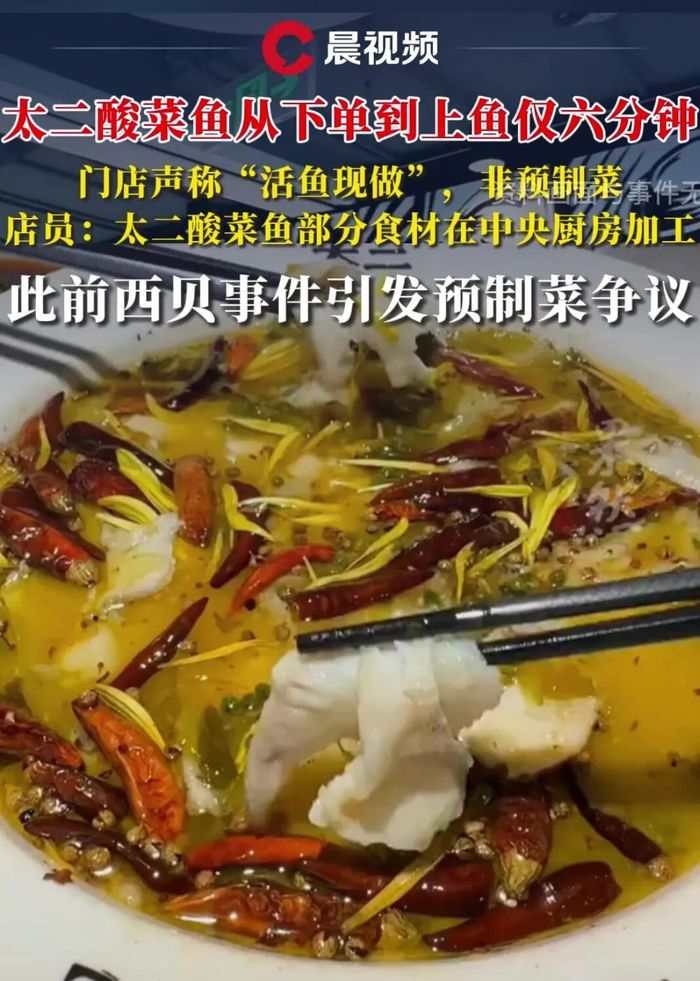
太二酸菜鱼回应“活鱼现杀”争议,网友:你“现杀”包装袋是吧?
Zhong Guo Xin Wen Wang· 2025-09-17 14:28
Core Viewpoint - The discussion around the use of pre-prepared dishes in restaurant chains, particularly regarding the "live fish" claim by Tai Er, has intensified, leading to public scrutiny and debate about the authenticity of their food preparation methods [1][3]. Company Response - The parent company of Tai Er, Jiumaojiu Group, stated that Tai Er focuses on "live fish, fresh chicken, and fresh beef" as core offerings, aiming to enhance the dining experience through delicious food, a comfortable environment, and sincere service [1]. - As of September 16, 2023, Tai Er has launched 68 upgraded "fresh live" stores, with plans to reach 150 by the end of the year and complete all store upgrades by 2026 [1]. Operational Insights - A store manager confirmed that fish is delivered daily and processed in the morning, including bleeding, killing, and marinating, with additional fish preparation based on customer flow [2]. - The preparation process takes approximately 40 to 50 minutes, indicating that fish is not killed upon order but rather in advance to ensure timely service [2]. Financial Performance - Jiumaojiu Group reported a revenue of 2.753 billion yuan for the first half of 2023, a year-on-year decline of 10.14%, with Tai Er's revenue at 1.946 billion yuan, down 13.25% [4]. - The average customer spending at Tai Er increased slightly from 71 yuan to 73 yuan, but same-store sales fell by 19% [4]. - The total number of Tai Er stores decreased from 614 to 566 year-on-year, reflecting a reduction of 48 stores [6]. Market Position - Jiumaojiu Group operates multiple brands, including Tai Er, and has expanded its market presence to Southeast Asia and North America [4]. - The company aims to reach a target of 1,000 Tai Er stores, contingent on adapting to customer needs [7].
6分钟上菜?太二酸菜鱼回应是否“预制”
新浪财经· 2025-09-17 09:13
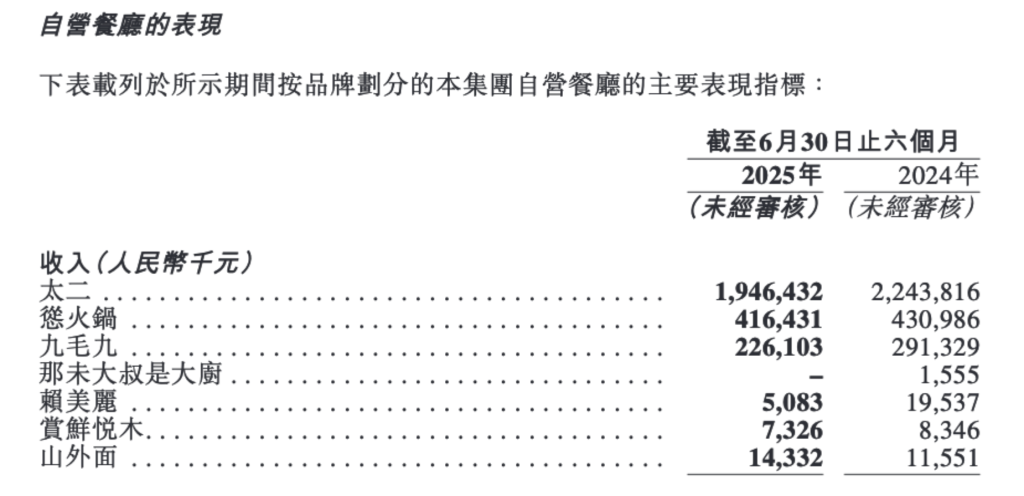
Core Viewpoint - The article discusses the declining performance and reputation of the restaurant chain "Tai Er" (太二酸菜鱼), highlighting issues related to food quality, customer satisfaction, and financial performance, which have led to a significant drop in stock price and market confidence [3][4][15]. Financial Performance - Tai Er's revenue for the first half of 2025 was 1.946 billion RMB, down 13.3% from 2.248 billion RMB in the same period last year, indicating a severe decline in its core brand performance [10][11]. - The operating profit for Tai Er was 262 million RMB, a decrease of 15.65% year-on-year, reflecting a deterioration in its profitability [10]. - The number of self-operated Tai Er restaurants decreased from 612 to 547, a reduction of 65 locations, contributing to the decline in same-store sales [11]. Customer Experience and Quality Issues - Reports indicate that customers have experienced issues with food quality, such as fish tasting sour and having a poor texture, leading to dissatisfaction [8][10]. - Complaints on platforms like Black Cat Complaints focus on food safety, including foreign objects in food and health issues after consumption [8]. Market Position and Brand Perception - The once-popular brand is losing its appeal, as consumers are no longer willing to wait in long lines for its offerings, indicating a shift in consumer sentiment [4][18]. - The brand's single-product strategy has shown vulnerability as market novelty fades and competition increases, leading to inevitable performance declines [4][18]. Stock Market Reaction - The stock price of the parent company, Jiumaojiu (九毛九), has plummeted from nearly 38 HKD at its peak to the current range of 2-3 HKD, representing a market value loss of over 90% [15]. - The company was recently removed from the "Hong Kong Stock Connect" list due to not meeting market capitalization and liquidity requirements, further impacting investor confidence [15][13]. Industry Competition - The competitive landscape has intensified, with many imitators entering the market, leading to a decrease in Tai Er's unique selling proposition [4][18]. - Analysts suggest that the brand's previous "internet celebrity" status is diminishing, making it more susceptible to price sensitivity and quality scrutiny from consumers [17][18].

6分钟上菜? 太二酸菜鱼回应是否“预制”
Xin Lang Cai Jing· 2025-09-17 08:45
Core Viewpoint - The recent controversy surrounding the speed of service at Tai Er Suancaiyu has highlighted concerns about the quality of its food and the use of pre-prepared ingredients, leading to a significant decline in the company's stock price and consumer trust [2][5][10]. Company Performance - Tai Er Suancaiyu's revenue for the first half of 2025 was 1.946 billion RMB, down 13.3% from 2.248 billion RMB in the same period last year, indicating a severe decline in its core brand performance [5][6]. - The number of self-operated restaurants decreased from 612 to 547 within a year, reflecting a loss of 65 locations, which has contributed to the overall decline in sales [6][7]. - The table turnover rate for Tai Er Suancaiyu was 3.1 times per day in the first half of 2025, compared to 3.8 times for competitors like Haidilao, showing a significant drop from its peak of 4.8 times in 2019 [7][9]. Market Reaction - The stock price of the parent company, Jiumaojiu, has plummeted from nearly 38 HKD at its peak in 2021 to the current range of 2-3 HKD, representing a market value loss of over 90% [9][10]. - Jiumaojiu was recently removed from the "Hong Kong Stock Connect" list due to not meeting market capitalization and liquidity requirements, further impacting investor confidence [9][10]. Industry Context - The competitive landscape has intensified, with the novelty of Tai Er Suancaiyu's brand diminishing, leading to increased price sensitivity among consumers [10]. - The brand's reliance on a single popular dish strategy has proven vulnerable as market freshness wanes and imitators proliferate, resulting in inevitable performance declines [10].
太二酸菜鱼,沈阳门店全关门了!
Zhong Guo Jing Ying Bao· 2025-09-17 00:18
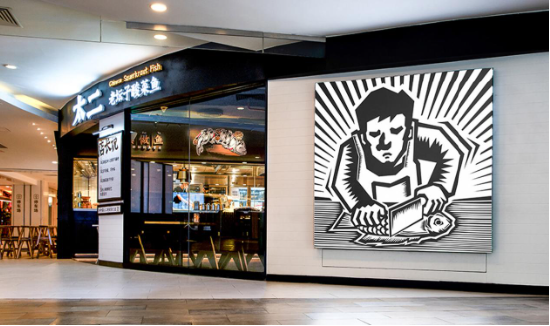
Core Viewpoint - The recent closure of all Tai Er Sauerkraut Fish stores in Shenyang has raised concerns about the brand's performance and consumer interest [3][6]. Company Performance - Tai Er Sauerkraut Fish has confirmed that all its stores in Shenyang have closed, with the last one shutting down on September 1, 2023 [6]. - The company has seen a significant decline in its self-operated restaurant count, dropping from 612 to 547 in the first half of the year, a reduction of 65 stores [8]. - The revenue from Tai Er Sauerkraut Fish was reported at 19.48 billion yuan, a year-on-year decrease of 13.3%, contributing to a total revenue decline of 10.14% for its parent company, Jiumaojiu [8]. Industry Context - The overall market for sauerkraut fish restaurants has faced challenges, with a net decrease of 3,331 stores in the past year despite 7,256 new openings, indicating a tough competitive environment [8]. - The rise of pre-prepared dishes has further squeezed the survival space for traditional dine-in restaurants like Tai Er Sauerkraut Fish [8].