香水香氛

Search documents
进出口双破20%增长 中国香水贸易额超130亿元
Zhong Guo Jin Rong Xin Xi Wang· 2026-01-30 13:29
新华财经上海1月30日电(杨子华)据海关统计数据,2025年我国香水及花露水进出口额达到131亿元,同比增长23.15%。其中,全年进口额为86亿元, 同比增长21.59%;出口额45.77亿元,同比增长26.22%。 数据来源:中国海关统计数据在线查询平台 转自:新华财经 华泰证券研究认为,当前国内品牌以国风或清雅香型切入香水香氛市场,并在线下零售场景和线上直播及内容电商渠道等不断革新,国内消费者对于各 类香型的认知正逐渐清晰,人均年香水支出有望随渗透率抬升而进一步提高。 淘宝平台数据显示,2025年全年销量排名前二十的香水品牌均由国际品牌主导,品牌均价在300元左右。抖音作为国货品牌消费的主场之一,不定所 (ImSole)、拂若里等本土品牌增长势头迅猛,依靠性价比实现规模渗透。 艾媒咨询一项针对国内消费者调研显示,香水核心使用场景为约会/社交,占比达到59%;休闲出游占比46%。购买原因排名首位的是"取悦自己",占比 60%;其次是社交增魅力,占比45%。淘宝、京东等综合电商平台是核心购买渠道,品牌官网、小程序,直播电商紧随其后。 国际香水巨头科蒂(Coty)集团2026财年第一季度(2025年7月至9月 ...


超10起,欧莱雅看好的这一赛道热度不减
3 6 Ke· 2026-01-04 04:14
Core Insights - The global beauty market is experiencing a slowdown, yet L'Oréal's acquisition of Creed for €4 billion (approximately ¥32.82 billion) indicates a strong belief in the future of the high-end fragrance segment [1] - Major players like LVMH and Estée Lauder are also making strategic investments in niche fragrance brands, highlighting the resilience and growth potential of this category [1][3] Group 1: Market Dynamics - The fragrance market is projected to reach $76.71 billion (approximately ¥540.5 billion) by 2025 and $112.46 billion (approximately ¥792.4 billion) by 2030, with a compound annual growth rate of 7.95% [15] - Despite a general slowdown, high-end fragrances are showing significant growth, with brands like Issey Miyake and Narciso Rodriguez reporting increases of 16% and 13% respectively [4][14] - The investment landscape is shifting towards niche high-end fragrances, as major companies seek to capture unique brand stories and cultural narratives [23][38] Group 2: Strategic Investments - In 2025, over ten investments in fragrance brands were recorded, with equity investments becoming the primary method, indicating a long-term strategic focus [16] - L'Oréal's aggressive strategy includes multiple investments in high-end fragrance brands within a short timeframe, enhancing its premium portfolio [17] - Estée Lauder's investment in the Mexican brand XINÚ and LVMH's investment in BDK Parfums reflect a focus on regional characteristics and quality ingredients [19] Group 3: Supply Chain and R&D - Major companies are investing in upstream R&D capabilities, with Unilever spending £8 million (approximately ¥7.53 billion) on new fragrance research facilities in the UK and the US [24] - Chanel has invested €150 million (approximately ¥1.24 billion) in a new fragrance production facility in France, while L'Oréal is enhancing its manufacturing capabilities in northern France [27][28] Group 4: Talent Acquisition - The fragrance industry is witnessing significant executive changes, with over ten high-level appointments in 2025 among major companies like Hermès and LVMH [29][30] - The competition for talent in the fragrance sector is intensifying, as companies recognize the importance of strategic leadership in navigating market challenges [32] Group 5: Chinese Market Insights - The Chinese fragrance market is expected to grow to ¥25 billion in 2024, with a year-on-year increase of 20.8%, indicating substantial growth potential [43] - Despite the dominance of international brands, local brands are beginning to carve out niches by integrating unique cultural narratives into their offerings [46][50] - The market's low penetration rate of 5% compared to 30%-40% in Western markets suggests significant opportunities for growth in the Chinese fragrance sector [43]



颖通集团:如何抓住“嗅觉经济”的风口?
Sou Hu Cai Jing· 2025-11-25 09:50
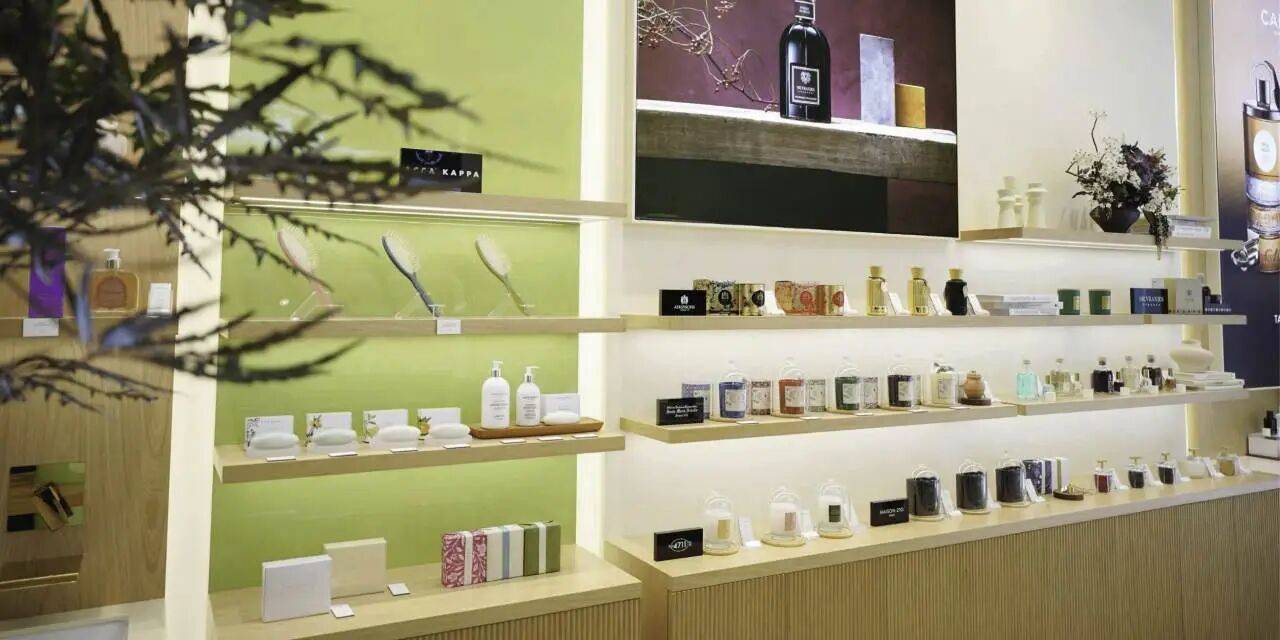
Core Insights - The article discusses the evolution of the fragrance market in China, highlighting the shift towards niche and artisanal perfumes as consumers seek unique personal branding through scent [3][4][8] - The concept of "scent identity" is emerging, where consumers use fragrances to establish social recognition and express individuality [3][7] - The market is experiencing significant growth, with retail sales expected to rise from 114 billion yuan in 2018 to 249 billion yuan in 2024, and projected to reach 339 billion yuan by 2028, reflecting a compound annual growth rate of 8% [8][20] Group 1: Company Overview - Ying Tong Group, established in 1987, introduced the first imported perfume to China and has since witnessed the transformation of the Chinese fragrance market [4][5] - The company has partnered with 73 external brands, with 61 holding exclusive rights, covering luxury and niche brands, making it a key player in the industry [5][10] - Ying Tong's fragrance business accounted for 80.9% of its revenue as of March 31, 2025, underscoring its role as a cash flow pillar [5] Group 2: Market Dynamics - The Chinese fragrance market has evolved through various stages, from slow growth in the 1980s to a high-quality development phase since 2015, with increasing consumer awareness and demand for premium products [6][8] - The market is characterized by competition between international and local brands, with local brands capturing 18% of the market share in 2023 [10][20] - The rise of the "scent economy" indicates that fragrance has become a necessity for consumers, with significant increases in demand for scented personal care and home products [7][20] Group 3: Strategic Initiatives - Ying Tong is focusing on building a brand matrix, identifying channel opportunities, and establishing an operational sharing mechanism to enhance collaboration across its diverse brand portfolio [12][13] - The company is expanding its retail presence with over 100 self-operated retail outlets and 8,000 retail points, alongside a robust online presence [14] - Ying Tong is also investing in its own brand, "Santa Monica," to fill market gaps and enhance competitiveness through localized product development [15][16] Group 4: Consumer Engagement - The company emphasizes the importance of creating engaging consumer experiences through innovative retail concepts like "Scent Box," which combines brand incubation and consumer education [18][19] - Ying Tong aims to target younger consumers and educate them about fragrance, leveraging digital tools for personalized marketing and cross-brand recommendations [21][22] - The company is exploring new market opportunities by collaborating with various sectors, including hospitality and smart home brands, to expand its fragrance offerings [20][21]
颖通控股(06883):全渠道精耕的香水品牌管理商
HTSC· 2025-11-11 08:51
Investment Rating - The report initiates coverage on Ying Tong Holdings with a "Buy" rating and a target price of HKD 2.86, corresponding to a 14X FY26E PE [1][6][8]. Core Insights - Ying Tong Holdings is a leading high-end perfume brand management company in China, providing distribution and market deployment services for 73 external brands as of FY25. The company is expected to benefit from the recovery in high-end consumption and the increasing penetration of perfumes and fragrances [1][3][20]. - The Chinese perfume market is projected to reach RMB 26.5 billion in 2024, with a CAGR of 15.1% from 2019 to 2024, significantly higher than the global expected growth rate of 3.5% during the same period [2][20]. - The company has established a diverse brand matrix, extending from perfumes to skincare, home fragrances, and personal care, enhancing its market coverage across various consumer segments [3][22]. Summary by Sections Company Overview - Ying Tong Holdings is recognized as the largest non-brand owner perfume group in China, with a market penetration rate of 9.30% as of 2023, ranking third in the market [24][25]. - The company has a stable supply chain, with its top two suppliers, EuroItalia and Yite, accounting for 59.4% of total procurement in FY25, indicating strong long-term partnerships [3][22]. Growth Drivers - The company is expanding its self-operated retail stores and proprietary brands, which are expected to create new revenue and profit growth points. The self-operated brand "Shi Fen Qi He" aims to enhance customer experience through a multi-price product display [4][20]. - Ying Tong is also exploring external acquisitions to diversify its brand matrix and strengthen its market presence, particularly in lower-tier cities [4][23]. Market Dynamics - The report highlights the significant growth potential in the Chinese perfume market, with current penetration rates in the single digits compared to over 20% in the U.S. and 50% in Europe. This indicates substantial room for growth as consumer education progresses [2][20]. - The expansion of fragrance categories into personal care and home cleaning products is expected to further enlarge the market size, with the fragrance personal care market projected to reach RMB 50 billion by 2025 [20]. Financial Projections - The forecast for Ying Tong Holdings' net profit attributable to the parent company for FY26E, FY27E, and FY28E is RMB 261 million, RMB 327 million, and RMB 412 million, respectively, with corresponding EPS of RMB 0.19, RMB 0.24, and RMB 0.30 [6][12].
闻献的进击
Bei Jing Shang Bao· 2025-10-21 15:35
Core Insights - The fragrance market is expanding, and the brand Wenxian is accelerating its offline channel development by opening new stores, including a recent one in Wuhan [1][2] - Wenxian has opened at least 25 stores nationwide and plans to expand to 35 by the end of this year, indicating a strong growth trajectory [1][2] - The brand targets the high-consumption "Generation Z" demographic, with product prices ranging from 450 to 2250 yuan [2] Market Overview - The Chinese fragrance market was valued at 24.9 billion yuan last year and is projected to exceed 33.9 billion yuan by 2028, with a compound annual growth rate of 8% from 2024 to 2028 [2] - The number of fragrance-related enterprises in China has surpassed 328,000, with 97,000 new registrations in 2023, reflecting a decade-long growth trend [2] Competitive Landscape - Wenxian faces significant competition, particularly from established players like L'Oréal and Estée Lauder, which are expanding their high-end fragrance portfolios [3] - L'Oréal's recent acquisition of Creed and other luxury brands indicates a restructuring in the high-end fragrance market, posing challenges for emerging brands like Wenxian [3]
闻献的“进击”
Bei Jing Shang Bao· 2025-10-21 11:06
Core Insights - The fragrance market is experiencing significant growth, with the brand Wenxian rapidly expanding its offline presence by opening new stores [2][3] - Wenxian aims to target the high-spending Generation Z demographic, with product prices ranging from 450 to 2250 yuan [3] - The overall fragrance market in China is projected to grow from 24.9 billion yuan in 2024 to over 33.9 billion yuan by 2028, with a compound annual growth rate of 8% [3] Company Expansion - Wenxian has opened at least 25 stores across various cities, including Shanghai, Beijing, and Chengdu, with plans to reach a total of 35 stores by the end of the year [2] - The brand's rapid expansion is likely influenced by market conditions and potential investments, as new brands typically enter a growth phase once they gain market recognition [2][3] Market Dynamics - The fragrance market is thriving despite a general slowdown in cosmetic consumption, with over 328,000 fragrance-related companies currently registered in China [3] - The first quarter of 2025 saw fragrance imports surpass body care products, making it the second-largest category of cosmetic imports in the country [3] Competitive Landscape - Wenxian faces challenges from established competitors like L'Oréal and Estée Lauder, which have made significant acquisitions and hold strong positions in the high-end fragrance market [4][5] - The brand's focus on "experiential marketing" through offline stores is seen as a key competitive advantage, although the high costs associated with store operations present a challenge for return on investment [4]
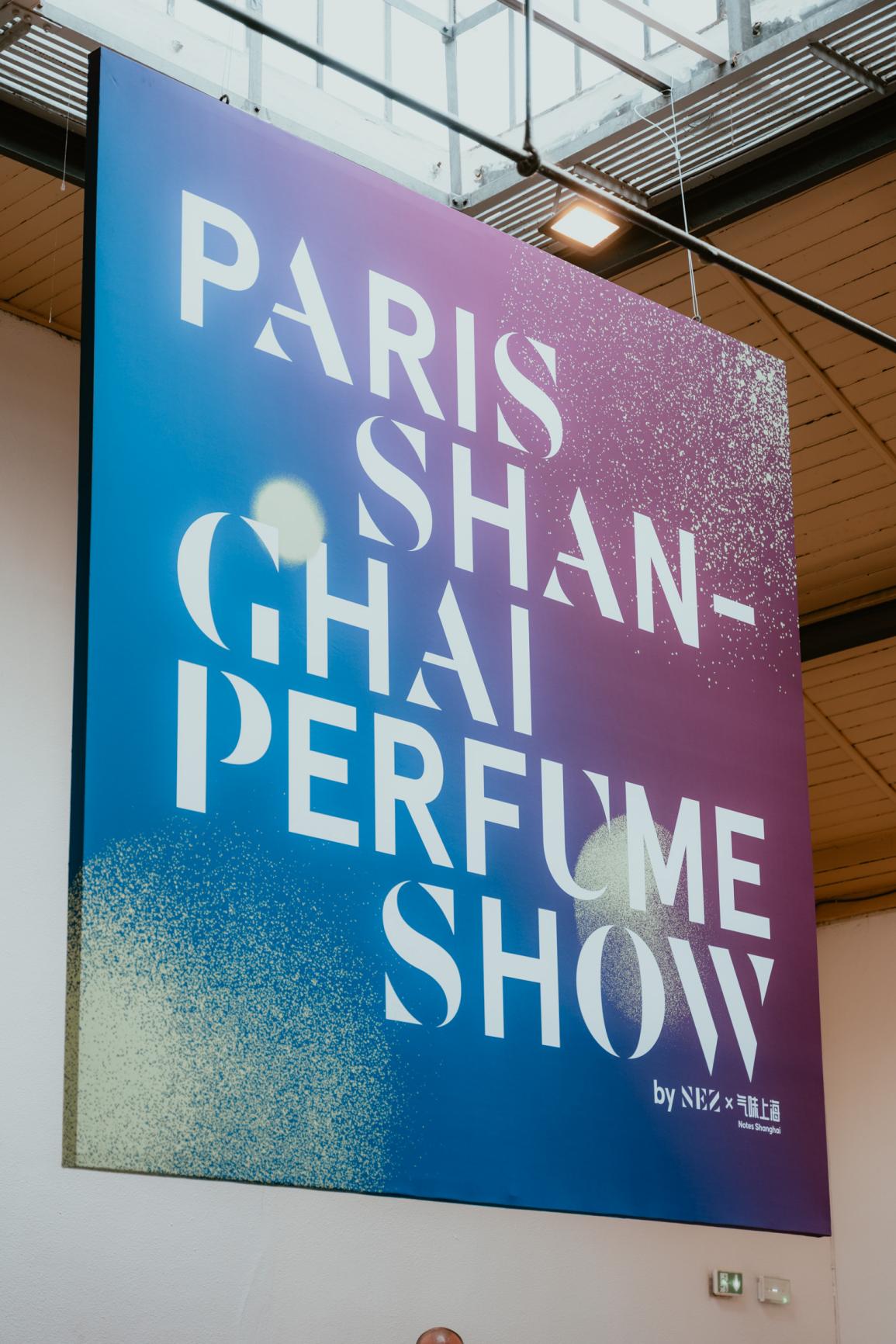
从上海到巴黎,气味上海的国际首秀
Guo Ji Jin Rong Bao· 2025-09-28 14:12
Core Insights - The "Paris–Shanghai Perfume Show" marks a significant milestone for the Chinese perfume industry, showcasing its first large-scale collective presence in France, indicating a move towards globalization [1][12] - The event serves as a bridge for cultural exchange between Chinese and international fragrance markets, helping overseas brands understand the Chinese market while assisting Chinese brands in entering the global stage [3][12] Group 1: Event Overview - The exhibition featured over 20 Chinese local perfume brands, including emerging creators and award-winning works, highlighting the originality and cultural expression of Chinese perfumers [4][12] - The event facilitated initial connections between participating brands and buyers/distributors from France and Europe, laying a foundation for future commercial cooperation and market expansion [4][12] Group 2: Industry Discussions - Sixteen industry conferences and roundtable forums were held, gathering experts, creators, and observers to analyze challenges, trends, and prospects in both Chinese and international perfume markets [6] - Topics discussed included market overview and strategic potential, social media and digital ecology, regulatory interpretations, new aesthetics and design trends, and the cross-cultural evolution of olfactory culture [6] Group 3: Cultural Exchange - A special exhibition titled "Culture From The East" focused on contemporary Chinese brands in the beauty and lifestyle sectors, exploring how they reshape cultural narratives through modern design and global language [6] - The event also featured a cross-border fragrance experience in Shanghai, showcasing the artistic universe of the Parisian brand Diptyque, enhancing cultural dialogue between China and France [7][10] Group 4: Future Prospects - The "Paris–Shanghai Perfume Show" is positioned as a pivotal opportunity for Chinese brands to transition from "invited participants" to "leading curators" in the global fragrance dialogue [12][13] - The upcoming "Scent Shanghai 2025" exhibition in Shanghai will further expand the international presence of Chinese perfume brands, with over 200 premium fragrance brands and 100 global beauty brands expected to participate [13]
中国香水香氛行业白皮书
Deloitte· 2025-09-19 01:57
Investment Rating - The report indicates a positive investment outlook for the Chinese perfume and fragrance industry, highlighting its resilience and growth potential in the face of global market fluctuations [10][11][12]. Core Insights - The Chinese perfume and fragrance industry is experiencing a transformation from "transactional purchasing" to "value resonance consumption," where consumers prioritize emotional connections and cultural narratives over mere product functionality [10][25]. - The market is witnessing a significant shift towards emotional and experiential consumption, particularly in lower-tier cities, which are becoming key growth drivers due to their untapped potential [12][33]. - International brands are increasingly localizing their strategies to resonate with Chinese consumers, while domestic brands are focusing on deepening their presence in the local market and exploring global opportunities [40][46]. Summary by Sections Part 1: Resilient Growth of the Chinese Consumer Market - The report decodes the "ice-fire resilience" of the Chinese consumer market, driven by policy stimulation and inherent growth dynamics, particularly in lower-tier cities [18][19]. - The retail sales growth rate of consumer goods has shown a positive trend, with a peak in May 2025, indicating a recovery in consumer sentiment [21][25]. - The shift from survival consumption to development-oriented consumption is emphasized, with a focus on enhancing the quality and cultural aspects of products [25][26]. Part 2: Evolution of the Chinese Perfume and Fragrance Market - The Chinese perfume market is projected to grow significantly, with an expected compound annual growth rate (CAGR) of 8% from 2024 to 2028, reaching a market size of 33.9 billion yuan [58][59]. - The report highlights the dual leadership of the Chinese market, where local beauty brands demonstrate resilience alongside global growth engines [56][58]. - The concept of the "olfactory economy" is emerging, where fragrances extend beyond traditional products to become integral to lifestyle experiences [65][66]. Part 3: Consumer Behavior Insights in the Chinese Perfume Market - There is a notable increase in interest among consumers in lower-tier cities, indicating a growing market for fragrances [14][33]. - The report identifies a trend of personalized scent experiences, where consumers seek unique olfactory identities [36][39]. - The evolving consumer landscape is characterized by a shift towards emotional and experiential connections with brands [52][53]. Part 4: Product Development Trends in the Chinese Perfume Market - The industry is moving towards a new era of fragrances that integrate sensory experiences into daily life, emphasizing lifestyle solutions [47][48]. - The report discusses the evolution of fragrance products, highlighting the importance of cultural narratives and emotional connections in product development [15][16]. Part 5: Marketing Development Trends in the Chinese Perfume Market - Marketing strategies are evolving to focus on emotional resonance and cultural narratives, moving from symbolic consumption to value co-creation [16][55]. - The integration of digital platforms and experiential marketing is reshaping how brands connect with consumers [16][55]. Conclusion - The report concludes that the Chinese perfume and fragrance market is poised for robust growth, driven by emotional consumption trends, the awakening of lower-tier markets, and the collaborative efforts of international and domestic brands [51][54].
中国香水市场不断增长 未来有哪些机会点?
Zhong Guo Jing Ying Bao· 2025-09-17 10:47
Core Insights - The Chinese perfume market is poised for significant growth, with projections indicating a compound annual growth rate (CAGR) of 8%, leading to a market size exceeding 33.9 billion yuan by 2028 [1] Market Dynamics - The global perfume market is expected to grow at a rate of 4% to 6% over the next four years, with China showing a high single-digit growth rate [1] - International brands dominate the all-channel perfume market, particularly in online platforms like Taobao and JD, while domestic brands are gaining traction on Douyin, where they hold a significant share of the top 20 rankings [2][3] - The competition landscape reveals two growth paths for brands: one focuses on deep cultural expression and product value, while the other relies on quick responses to emerging consumer needs [2] Domestic Brand Growth - The number of registered fragrance companies in China has exceeded 200 annually for five consecutive years, with local brands like Guanya and Wenxian gaining recognition and investment [3] - Domestic beauty companies are entering the perfume sector, with notable launches and revenue growth in the fragrance category [3] - Local brands benefit from a complete beauty supply chain, allowing for efficient production and cost control, although they still lag behind international brands in research and development [3] Consumer Trends - There is a shift in consumer demand from functional products to those that offer emotional connections, indicating a high growth potential in the Chinese market [4] - The penetration rate in lower-tier cities presents significant growth opportunities, as these markets are awakening and showing higher sales growth compared to first-tier cities [4][5] - The male fragrance market is identified as a substantial growth area, with consumers increasingly purchasing complementary products like home fragrances and body lotions [5] Technological Advancements - AI technology is transforming the fragrance industry by enhancing research and development processes, improving consumer experience, and streamlining retail operations [6] - AI can analyze vast amounts of data to predict trends and consumer preferences, aiding perfumers in creating popular scents [6] - Intelligent fragrance recommendations through AI can significantly boost online purchasing confidence by addressing the challenge of trying scents virtually [6]
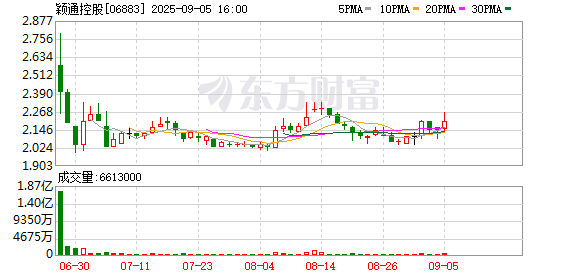
“香水第一股”颖通控股CEO林荆回应:每年都有品牌可能续签
Mei Ri Jing Ji Xin Wen· 2025-09-07 12:40
Core Viewpoint - The global fragrance market is expected to maintain a growth rate of 4% to 6% over the next four years, with China's fragrance market projected to grow at a compound annual growth rate (CAGR) of 8% from 2024 to 2028, indicating a strong trend in the fragrance sector despite overall pressure on the beauty industry [2][6]. Industry Overview - The fragrance segment has shown resilience, with companies like Estée Lauder and L'Oréal reporting growth in their fragrance businesses amidst declines in other product lines [6]. - The Chinese fragrance market is anticipated to exceed 33.9 billion yuan by 2028, with a 3.6% year-on-year growth in fragrance sales in the offline market for 2024, contrasting with a 7.9% decline in overall beauty sales [6]. Company Insights - Ying Tong Holdings, listed in Hong Kong, has faced market skepticism since its IPO, primarily due to its heavy reliance on brand agency agreements, with a significant portion of its brand authorizations expiring within a year [3][4]. - As of May 31, Ying Tong managed 72 external brands, with its own brand revenue accounting for less than 1% in Q1 of this year [4]. - The CEO of Ying Tong indicated plans to enhance their own brand, Santa Monica, through product refinement and potential partnerships or acquisitions to scale up [4]. Market Dynamics - The fragrance market is increasingly influenced by the "scent economy," with a notable rise in male fragrance consumption, which is expected to grow from 37.1% in 2023 to 40.1% in 2024 [5][7]. - The competition among brands is intensifying, with international brands still dominating the market, while domestic brands are beginning to emerge [8][9]. Future Trends - The white paper indicates that the consumer base for fragrances is shifting, with a significant increase in the proportion of fragrance users in first-tier cities [7]. - Ying Tong's strategy for introducing new brands focuses on proven success in foreign markets, product quality, and the willingness of brand owners to adapt to the Chinese market [9].