
家居香氛

Search documents
超10起,欧莱雅看好的这一赛道热度不减
3 6 Ke· 2026-01-04 04:14
Core Insights - The global beauty market is experiencing a slowdown, yet L'Oréal's acquisition of Creed for €4 billion (approximately ¥32.82 billion) indicates a strong belief in the future of the high-end fragrance segment [1] - Major players like LVMH and Estée Lauder are also making strategic investments in niche fragrance brands, highlighting the resilience and growth potential of this category [1][3] Group 1: Market Dynamics - The fragrance market is projected to reach $76.71 billion (approximately ¥540.5 billion) by 2025 and $112.46 billion (approximately ¥792.4 billion) by 2030, with a compound annual growth rate of 7.95% [15] - Despite a general slowdown, high-end fragrances are showing significant growth, with brands like Issey Miyake and Narciso Rodriguez reporting increases of 16% and 13% respectively [4][14] - The investment landscape is shifting towards niche high-end fragrances, as major companies seek to capture unique brand stories and cultural narratives [23][38] Group 2: Strategic Investments - In 2025, over ten investments in fragrance brands were recorded, with equity investments becoming the primary method, indicating a long-term strategic focus [16] - L'Oréal's aggressive strategy includes multiple investments in high-end fragrance brands within a short timeframe, enhancing its premium portfolio [17] - Estée Lauder's investment in the Mexican brand XINÚ and LVMH's investment in BDK Parfums reflect a focus on regional characteristics and quality ingredients [19] Group 3: Supply Chain and R&D - Major companies are investing in upstream R&D capabilities, with Unilever spending £8 million (approximately ¥7.53 billion) on new fragrance research facilities in the UK and the US [24] - Chanel has invested €150 million (approximately ¥1.24 billion) in a new fragrance production facility in France, while L'Oréal is enhancing its manufacturing capabilities in northern France [27][28] Group 4: Talent Acquisition - The fragrance industry is witnessing significant executive changes, with over ten high-level appointments in 2025 among major companies like Hermès and LVMH [29][30] - The competition for talent in the fragrance sector is intensifying, as companies recognize the importance of strategic leadership in navigating market challenges [32] Group 5: Chinese Market Insights - The Chinese fragrance market is expected to grow to ¥25 billion in 2024, with a year-on-year increase of 20.8%, indicating substantial growth potential [43] - Despite the dominance of international brands, local brands are beginning to carve out niches by integrating unique cultural narratives into their offerings [46][50] - The market's low penetration rate of 5% compared to 30%-40% in Western markets suggests significant opportunities for growth in the Chinese fragrance sector [43]


颖通集团:如何抓住“嗅觉经济”的风口?
Sou Hu Cai Jing· 2025-11-25 09:50
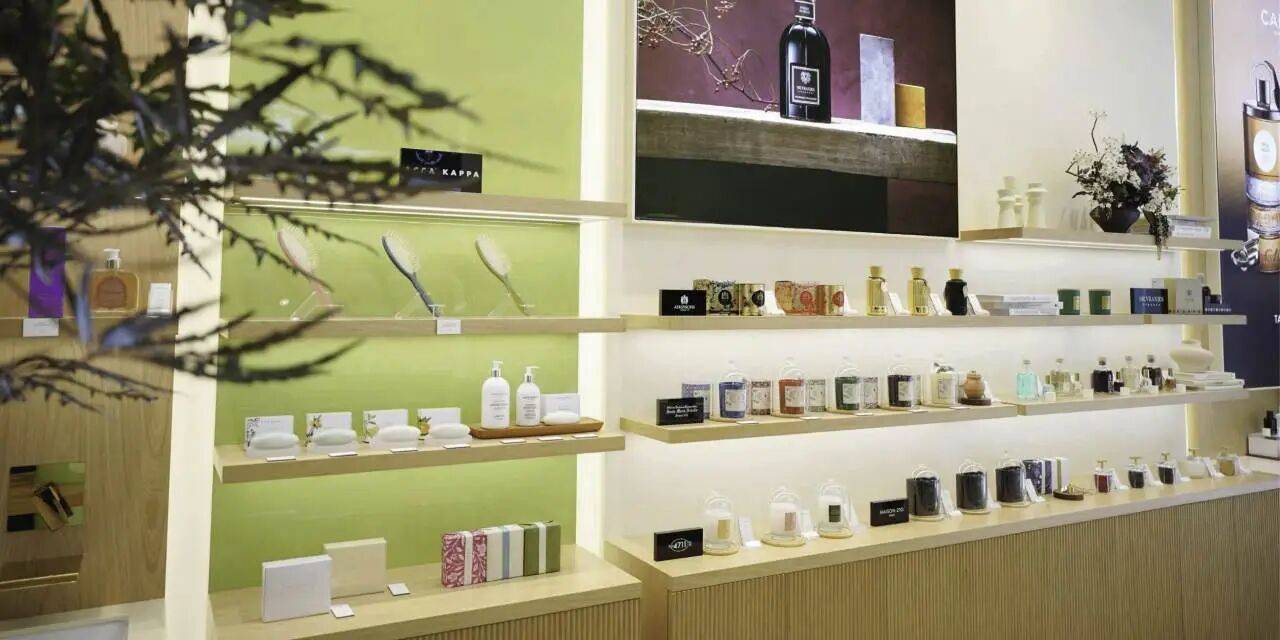
Core Insights - The article discusses the evolution of the fragrance market in China, highlighting the shift towards niche and artisanal perfumes as consumers seek unique personal branding through scent [3][4][8] - The concept of "scent identity" is emerging, where consumers use fragrances to establish social recognition and express individuality [3][7] - The market is experiencing significant growth, with retail sales expected to rise from 114 billion yuan in 2018 to 249 billion yuan in 2024, and projected to reach 339 billion yuan by 2028, reflecting a compound annual growth rate of 8% [8][20] Group 1: Company Overview - Ying Tong Group, established in 1987, introduced the first imported perfume to China and has since witnessed the transformation of the Chinese fragrance market [4][5] - The company has partnered with 73 external brands, with 61 holding exclusive rights, covering luxury and niche brands, making it a key player in the industry [5][10] - Ying Tong's fragrance business accounted for 80.9% of its revenue as of March 31, 2025, underscoring its role as a cash flow pillar [5] Group 2: Market Dynamics - The Chinese fragrance market has evolved through various stages, from slow growth in the 1980s to a high-quality development phase since 2015, with increasing consumer awareness and demand for premium products [6][8] - The market is characterized by competition between international and local brands, with local brands capturing 18% of the market share in 2023 [10][20] - The rise of the "scent economy" indicates that fragrance has become a necessity for consumers, with significant increases in demand for scented personal care and home products [7][20] Group 3: Strategic Initiatives - Ying Tong is focusing on building a brand matrix, identifying channel opportunities, and establishing an operational sharing mechanism to enhance collaboration across its diverse brand portfolio [12][13] - The company is expanding its retail presence with over 100 self-operated retail outlets and 8,000 retail points, alongside a robust online presence [14] - Ying Tong is also investing in its own brand, "Santa Monica," to fill market gaps and enhance competitiveness through localized product development [15][16] Group 4: Consumer Engagement - The company emphasizes the importance of creating engaging consumer experiences through innovative retail concepts like "Scent Box," which combines brand incubation and consumer education [18][19] - Ying Tong aims to target younger consumers and educate them about fragrance, leveraging digital tools for personalized marketing and cross-brand recommendations [21][22] - The company is exploring new market opportunities by collaborating with various sectors, including hospitality and smart home brands, to expand its fragrance offerings [20][21]
机构:关注“情绪消费”下的美妆投资机遇
Zheng Quan Shi Bao Wang· 2025-11-18 00:30
Core Viewpoint - The National Medical Products Administration has issued opinions to deepen cosmetic regulation reform and promote high-quality industry development, emphasizing increased support for the industry and fostering a favorable innovation environment [1] Industry Summary - The cosmetic industry is expected to face intensified competition starting in 2025, with challenges such as weak overall demand, diminishing traffic dividends, and high costs. However, some companies and brands are achieving high growth by leveraging their differentiated advantages [1] - The rise of the "beauty economy" and self-care trends has led consumers to purchase functional skincare products, domestic trendy cosmetics, and home fragrances for emotional healing, indicating investment opportunities in the beauty sector driven by "emotional consumption" [1] Company Summary - Companies focusing on high-growth segments within the beauty industry, particularly those that continuously iterate their capabilities, are recommended for investment as domestic brands gain momentum [1] - The high-end beauty market is becoming increasingly scarce, with the potential for domestic high-end beauty brands to rise [1] - The personal care and household cleaning sectors are flourishing, driven by both rigid demand and upgraded experiences [1]
奢侈品消费理性回归,“双十一”展现三大新趋势
Huan Qiu Wang· 2025-11-11 02:09
Core Insights - Luxury goods consumption in China is showing a rebound during this year's "Double Eleven" despite a challenging overall consumption environment, indicating a shift towards rational and diversified consumer behavior [1][2] - The demand for luxury goods has become distinctly segmented into three main consumer groups: the "tasting tribe" seeking new products, the "experiential faction" valuing personalized aesthetics, and the "rational faction" focused on high cost-performance [1][2] Group 1: Market Trends - Major e-commerce platforms report significant growth in luxury goods sales, with Tmall's luxury brand transactions achieving double-digit year-on-year growth during "Double Eleven" [1] - Bain & Company forecasts a general decline in luxury brand performance by mid-2025, yet highlights the resilience of Chinese consumer demand for luxury products [1] Group 2: Consumer Behavior - Modern consumers are increasingly willing to pay for experiences that provide emotional value, leading to a preference for discount channels over full-price stores for entry-level luxury goods [2] - The interaction between brands and younger consumers, particularly Millennials and Generation Z, has fundamentally changed, with a focus on style and emotional resonance rather than brand logos [2] Group 3: Product Categories - There has been rapid growth in categories such as ice sports and high-end home goods during "Double Eleven," with designer lighting, premium tableware, and home fragrances leading the charge [2] - The luxury goods market is evolving from a status symbol to emphasize practicality, cost-effectiveness, and emotional value [2]
双十一奢侈品消费观察:情绪价值、高性价比、增值服务成消费主流
2 1 Shi Ji Jing Ji Bao Dao· 2025-11-10 06:26
Core Insights - The luxury goods market is experiencing a downturn, with Bain & Company predicting a decline in global luxury sales by 2% to 5% by mid-2025, marking the first significant slowdown since 2009 [5] - Despite the overall market decline, luxury goods have gained renewed consumer interest during the Double Eleven shopping festival, with significant year-on-year growth reported by various e-commerce platforms [4][6] Market Trends - The luxury market in China and the U.S. has shown a downward trend, influenced by macroeconomic factors and changing consumer behaviors, particularly among younger consumers who are becoming more rational in their spending [5][8] - The demand for luxury goods is diversifying, with consumers increasingly valuing newness, personalized experiences, and high cost-performance ratios, leading to a reshaping of the luxury consumption landscape [5][8] E-commerce Performance - Tmall reported double-digit growth in luxury brand sales during the Double Eleven event, with over 200 major brands launching exclusive seasonal products [6] - JD.com noted a significant increase in sales for luxury down jackets and jewelry, with some categories experiencing growth of 1.5 times year-on-year [6] - Vipshop has also seen over 30% year-on-year growth in luxury goods sales, driven by the appeal of discounted luxury items [6][3] Consumer Behavior - The perception of luxury is shifting from brand-centric to value-oriented, with consumers prioritizing emotional value and experiences over mere brand prestige [8][10] - The rise of discount luxury shopping channels is notable, as consumers seek entry-level luxury products at competitive prices [8][9] Industry Innovations - The introduction of independent authentication services by China Inspection and Quarantine (CIQ) on e-commerce platforms aims to enhance consumer confidence in discounted luxury goods [9] - The luxury market is increasingly influenced by younger generations, who prioritize style and personal resonance with brands over traditional brand loyalty [10]


抓住持续增长机会,全力上新的奢侈品牌在天猫双11获双位数增长
Zhong Guo Jing Ji Wang· 2025-11-05 06:25
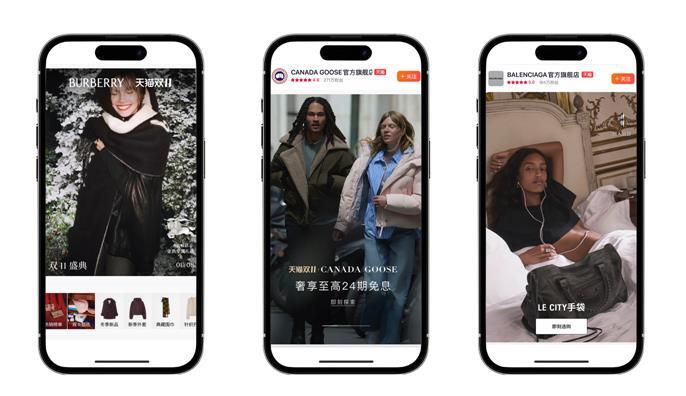
Core Insights - Luxury brands are experiencing significant growth during this year's Double 11 shopping festival, with overall sales increasing by double digits year-on-year on Tmall [1] - The shift in luxury consumption is towards lifestyle and quality enhancement, with a notable rise in demand for winter sports gear and high-end home goods [3][5] Group 1: Sales Performance - Tmall's first cycle data shows that luxury brands like Balenciaga, Burberry, and Moncler achieved high double-digit growth in sales [1] - The luxury segment for winter sports equipment saw over 80% year-on-year growth since October, driven by brands like Balenciaga and Zegna [3] - High-end home goods are emerging as a new growth area, with brands like Wedgwood and HAY also reporting double-digit sales increases [3] Group 2: Consumer Trends - Millennials and Gen Z are becoming the main consumers of luxury goods, seeking brands that resonate with their personal aesthetics rather than just logos [5] - Coach experienced a three-digit percentage increase in sales on Tmall's Double 11 opening day, attributed to its unique product lines appealing to younger consumers [5] - The introduction of new products is a key driver for growth, with over 200 luxury brands launching more than 10,000 exclusive items during this year's event [5]
香水香氛市场快速增长 中德企业合办“小众展览”
Xin Hua Cai Jing· 2025-10-18 05:22
Core Insights - The "Olfactory Shanghai 2025 Autumn Perfume and Fragrance Boutique Exhibition" was recently held in Shanghai, marking the first collaboration between German and Chinese companies in the niche exhibition sector [1] - The exhibition featured over 150 participating companies and nearly 300 perfume brands, covering an exhibition area of 6,000 square meters, with products including perfumes, home fragrances, automotive fragrances, scented candles, and traditional Chinese incense [1] - The collaboration aims to create a space that connects the historical heritage and future imagination of perfume and fragrance art, driven by the rapid growth of the Chinese perfume and fragrance market [1] Industry Overview - The Frankfurt Exhibition Group has been developing the "Beautiful World" global series of exhibitions for the past 25 years, with the Olfactory Shanghai exhibition being the latest addition [2] - Prior to this event, the group has established a presence in eight markets, including Japan, the UAE, Saudi Arabia, and Uzbekistan, covering the entire supply chain related to the beauty industry [2] - This initiative is expected to enhance trade connections and technological exchanges across related industries, aligning with three other consumer goods exhibitions organized by the Frankfurt Exhibition Group [2]
青岛金王股价下跌1.65% 盘中一度快速反弹超2%
Jin Rong Jie· 2025-08-22 16:03
Group 1 - As of August 22, the stock price of Qingdao Kingking is 8.93 yuan, down 0.15 yuan or 1.65% from the previous trading day [1] - The opening price on August 22 was 8.90 yuan, with a highest price of 9.18 yuan and a lowest price of 8.80 yuan, and a trading volume of 884,800 hands, amounting to 789 million yuan [1] - Qingdao Kingking primarily engages in the research, production, and sales of cosmetics, candles, and craft products, with offerings including cosmetics, scented candles, and home fragrances, covering both domestic and overseas markets [1] Group 2 - On the morning of August 22, Qingdao Kingking experienced a rapid rebound, with a price increase of over 2% within 5 minutes, reaching 9.13 yuan at 9:35 AM, with a transaction amount of 123 million yuan [1] - The net outflow of main funds on that day was 63.29 million yuan, with a cumulative net outflow of 97.29 million yuan over the past five trading days [1]

颖通控股:香氛产业正在向“情绪健康核心需求”战略转型
Zheng Quan Shi Bao Wang· 2025-08-16 07:42
Core Insights - The fragrance industry is transitioning from "sensory pleasure" to "emotional health core needs," indicating a strategic shift in consumer preferences and market focus [1] - The Hong Kong and Macau fragrance market is experiencing three key transformations: emotional demand-driven consumption, the popularization of home fragrances, and the rise of the olfactory economy in commercial spaces [1][2] Company Strategy - The company plans to leverage its 40 years of channel advantages and multinational service network to act as a core bridge for global fragrance brands entering the Chinese market, integrating international innovation with Chinese consumption upgrades [1] - The company aims to establish its first fragrance experience flagship store in Hong Kong by 2026 and open a "Perfume Box" flagship store in Shanghai by the end of 2026, creating immersive retail experiences for customers [2] Market Data - According to a survey conducted in July 2025 involving 790 consumers in Hong Kong and Macau, 81% of respondents have integrated fragrances into their daily lives, a 9% increase from the previous year [1] - The global home fragrance market is projected to reach $40 billion by 2032, with a compound annual growth rate of 6.56% [2] Product Portfolio - As of June 10, 2025, the company is the largest fragrance group in China by retail sales (excluding brand owners), distributing products from 72 external brands across various pricing tiers and functions to meet diverse consumer needs [3]
颖通控股尾盘涨超6% 公司为中国第三大香水集团 直接受惠香水市场高速增长
Zhi Tong Cai Jing· 2025-08-06 07:51
Group 1 - The core viewpoint of the article highlights the significant growth potential of Ying Tong Holdings, which is the largest perfume brand management company in mainland China and Hong Kong-Macau, with a notable increase in stock price [1] - As of the latest report, Ying Tong Holdings' stock price rose by over 6%, currently trading at 2.14 HKD with a transaction volume of 16.94 million HKD [1] - The company manages a total of 72 external brands, including renowned names such as Hermès, Van Cleef & Arpels, and Chopard, indicating a strong portfolio in the beauty and personal care sector [1] Group 2 - According to a report by Lyon, the Chinese perfume market is expected to experience an average annual growth rate of 14% from 2023 to 2028, which will benefit Ying Tong Holdings as the third-largest perfume group in Greater China [1] - Lyon forecasts that by the end of the fiscal year 2026, Ying Tong Holdings' sales and net profit will grow by 17% and 27% respectively [1] - The projected compound annual growth rates for sales and net profit from fiscal years 2026 to 2028 are 16% and 25%, with net profit margin expected to increase from 11.1% in fiscal year 2026 to 13% in fiscal year 2028, driven by market share expansion in perfumes and other categories, as well as the growth of direct-to-consumer channels [1]