
供电

Search documents
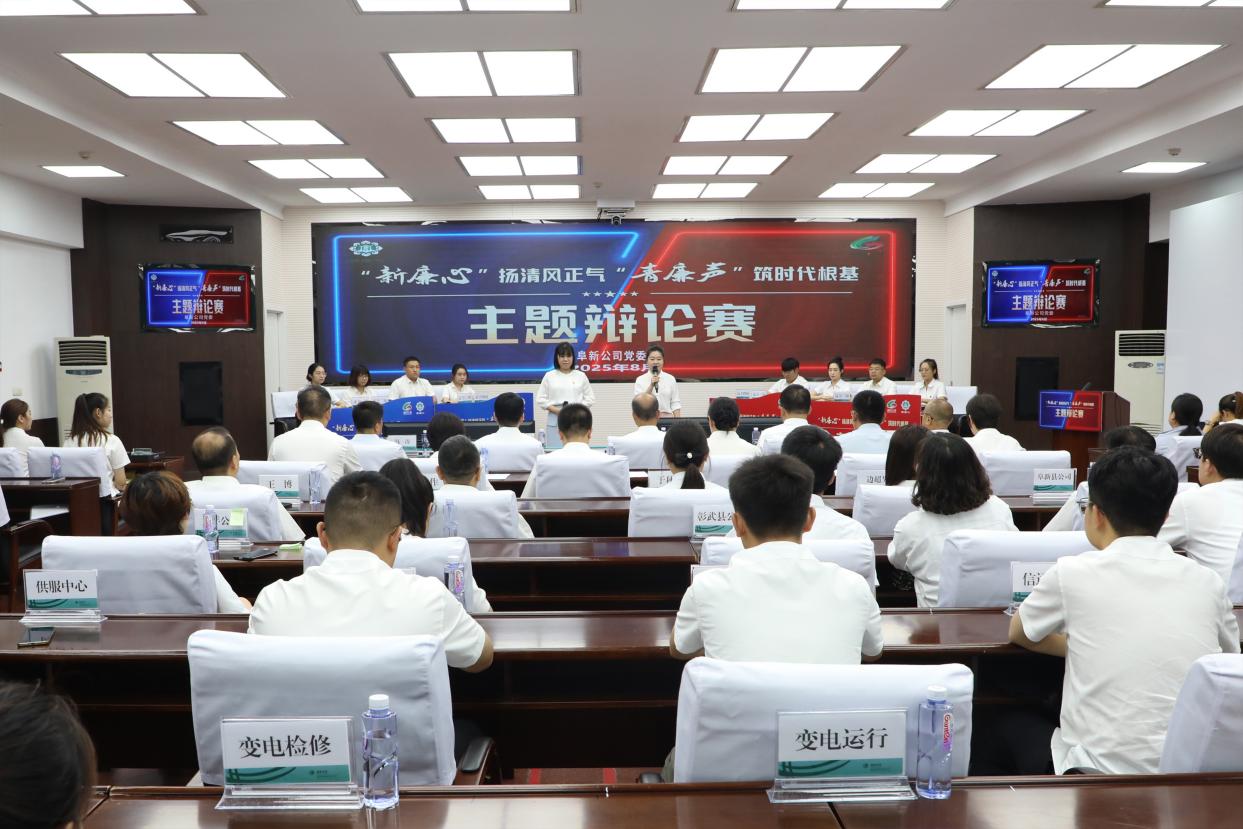
国网阜新供电公司开展青“廉”辩论赛 弘扬清风正气
Zhong Guo Neng Yuan Wang· 2025-08-05 08:37
Core Viewpoint - The event organized by the State Grid Fuxin Power Supply Company aimed to enhance the awareness of integrity and self-discipline among young employees, fostering a clean political environment through a debate competition focused on the effectiveness of style construction in the industry [1][3]. Group 1 - The debate featured 24 participants discussing the effectiveness of concentrated rectification versus long-term effectiveness in style construction, highlighting the importance of integrity in the workplace [1]. - The company integrated the spirit of the Central Eight Regulations into its educational efforts, focusing on youth integrity education and discipline supervision [3]. - Debaters combined the "Disciplinary Regulations of the Communist Party of China" with practical scenarios in power supply services and project management, showcasing their professional knowledge and adaptability [3]. Group 2 - The company emphasizes education and supervision as key components of its integrity construction, implementing a three-tiered integrity prevention system involving positions, teams, and families [5]. - Various thematic activities, such as reading classes, visits to integrity education bases, and warning education lectures, are organized to enhance employees' awareness of rules and bottom lines [5].

孝义公司:主动服务客户 助力企业降本增效
Zhong Guo Neng Yuan Wang· 2025-08-05 07:57
Core Insights - The implementation of capacity-based basic electricity fees has resulted in significant cost savings for companies, exemplified by Shanxi Genguang New Materials Technology Co., Ltd, which expects to save approximately 2,150 yuan per month due to this change [1] Group 1: Company Initiatives - Shanxi Genguang New Materials Technology Co., Ltd benefited from the "demand change" high-voltage service, which was facilitated by the local power supply company's staff [1] - The local power supply company has established a "power supply + energy efficiency" service team to enhance energy utilization efficiency among enterprises [1] - The company has provided energy efficiency improvement plans to over 10 key enterprises this year, promoting healthy development within the industrial sector [1] Group 2: Service and Support - The local power supply company actively engages with businesses by analyzing their electricity usage and providing tailored energy solutions [1] - The use of the "State Grid" app for energy efficiency billing has been instrumental in collecting energy usage information and analyzing efficiency for manufacturing enterprises [1] - On-site guidance and support from customer managers have been crucial in helping companies navigate the process of applying for energy efficiency services [1]
助力解决群众身边水电气表计量收费问题 市场监管总局公开征求意见
Zheng Quan Shi Bao Wang· 2025-08-04 11:46
Core Viewpoint - The article discusses the introduction of a compliance guideline for urban public utility companies regarding measurement management, aimed at enhancing accountability and protecting consumer rights [1] Group 1: Compliance Guidelines - The State Administration for Market Regulation has drafted the "Compliance Guidelines for Measurement Behavior of Urban Public Utility Companies" to address measurement management issues [1] - The guidelines are open for public feedback until September 3, 2025, indicating a collaborative approach to refining the regulations [1] Group 2: Objectives and Impact - The guidelines aim to provide clear instructions for public utility companies, promoting standardized and transparent practices in measurement management [1] - The initiative is expected to effectively resolve issues related to water, electricity, and gas meter charges, thereby safeguarding consumer rights and public interests [1]
新疆乌苏市市场监管局让百姓用上明白水放心电公平气
Zhong Guo Shi Pin Wang· 2025-07-30 08:54
Core Viewpoint - The Urumqi Market Supervision Administration is actively addressing issues related to inaccurate metering and non-standard charging for water, electricity, and gas services, aiming to ensure fair and transparent utility consumption for residents [1][2][3] Group 1: Regulatory Actions - The administration has implemented a comprehensive rectification initiative focusing on public utility companies, emphasizing accountability and compliance in metering practices [1] - A total of 50 water meters have been sampled and inspected in 8 residential communities, ensuring compliance with standards [1] - The administration has conducted mandatory calibration checks on 13,416 water and gas meters, providing free testing services for disputed meters [1][2] Group 2: Consumer Engagement and Education - The administration has encouraged the Xinyuan Water Supply Company to streamline its customer service hotline and establish a "multi-recheck + quick refund" mechanism to enhance consumer trust [2] - A campaign was launched in conjunction with World Metrology Day to promote metering knowledge and improve public awareness of the rectification efforts [2] - The administration has organized training sessions for six public utility companies to address metering inaccuracies and relevant regulations [3] Group 3: Future Plans and Collaborations - The Urumqi Market Supervision Administration plans to strengthen oversight of utility metering, enhance inter-departmental collaboration, and ensure accurate billing for residents [3] - A mechanism for information sharing and cooperation has been established with the Housing and Urban-Rural Development Bureau to ensure proper inspection of utility meters in new residential projects [3] - The administration is set to promote the use of new IoT gas meters to improve metering technology and service quality [3]
定制化服务 助力民营企业稳步前行
Zhong Guo Neng Yuan Wang· 2025-07-24 09:47
Core Viewpoint - The high-purity silicon project by Nanfang Company is a key investment project in Qinghai Province, aimed at supporting the development of the clean energy industry and local economic growth [2]. Group 1: Project Overview - The high-purity silicon project is a significant investment initiative in Qinghai Province, expected to bolster the clean energy sector and local economic development [2]. - The project includes the construction of 114 new power poles and an additional power load of 200,000 kilowatts, with the main transformer successfully tested on July 15, entering the next production phase [2]. Group 2: Company Support and Services - Nanfang Company emphasizes the need for continuous and stable operation of its high-purity silicon production line, highlighting the critical reliability of power supply [2]. - Qinghai Haixi Power Supply Company has introduced customized services to optimize the business environment, including proactive engagement during project planning and providing tailored solutions throughout the construction and operational phases [3]. - The company employs a "segmented digital acceptance" mechanism to ensure timely responses to the energy needs of enterprises, with a dual-responsibility system for major projects to provide precise energy analysis [3].
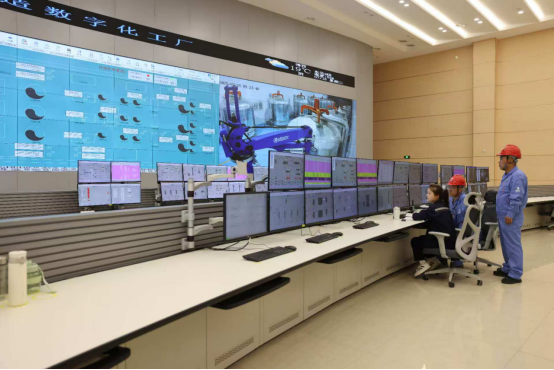
细致服务应对“烤”验!多措并举保障迎峰度夏 为百姓撑起清凉绿洲
Yang Shi Wang· 2025-07-23 03:42
Water Supply and Demand - The average daily water supply in Beijing has reached 2.983 million tons since June, with a total supply capacity of 4.9 million tons from 32 water plants to meet peak demand [3][5] - Tianjin's highest daily water supply since the start of summer has reached 2.17 million tons, a 15% increase compared to the average of 1.9 million tons in other seasons [3] Electricity Supply and Management - In Wuhan, the main transformers in 245 substations are monitored closely, maintaining safe operating temperatures even when the daily peak electricity load reached 17.86 million kilowatts [11] - The power supply department has implemented cooling systems, including automatic mist spraying and industrial ice, to protect transformers from overheating during high temperatures [9][11] Support for Outdoor Workers - In Jiangxi's Duchang County, "Love Stations" have been established to provide free drinking water, charging facilities, and heat prevention supplies for outdoor workers [13] - In Anhui's Funan County, public spaces such as village rooms and schools are opened as cooling centers for the elderly and children, offering free cooling drinks and heat prevention supplies [14]
苏州供电助力降低碳排放 两项目入选“全球典型”
Su Zhou Ri Bao· 2025-07-18 06:22
Core Viewpoint - The State Grid Suzhou Power Supply Company has two projects, "Shared Charging Robots - Promoting Green Travel" and "Building Zero Carbon Beautiful Villages," selected as typical projects in the global sustainable development field at the World Youth Development Forum, highlighting the company's commitment to innovation and sustainability [1][2]. Group 1: Shared Charging Robots - The "Shared Charging Robots" project addresses the issue of "difficulties in electric vehicle charging" by implementing a new model that separates vehicles from charging stations, allowing multiple vehicles to use one charging point, thus making charging more convenient and affordable for electric vehicle owners [1][2]. - The construction cost of shared mobile charging robots is approximately 20% lower than the "one parking space, one charging station" model, enhancing the utilization rate of charging stations to 90% in over 50 locations [2]. - The project has successfully reduced traffic carbon emissions and has been recognized for its innovative approach to solving real-life challenges faced by electric vehicle users [2]. Group 2: Zero Carbon Beautiful Villages - The "Building Zero Carbon Beautiful Villages" project focuses on sustainable agricultural practices and aims to address issues such as low carbon development capabilities in traditional agriculture and pollution from diesel drying [2][3]. - The project has established a "government + enterprise + village" partnership to innovate an "all-electric" smart circular agriculture model, achieving a 30% reduction in chemical fertilizer use and a 25% reduction in pesticide use, with 100% straw recycling [3]. - The initiative has led to the designation of Donglin Village as one of the first "Zero Carbon Villages" in Jiangsu, with plans to expand the zero-carbon village concept to 105 villages within three years [3].
世界青年发展论坛聚焦绿色消费
Xin Hua She· 2025-07-16 12:16
Group 1 - The forum on "Green Consumption and Sustainable Development" gathered youth leaders from around the world to discuss the importance of green consumption as a mainstream trend in the global market [1][2] - Young consumers are increasingly prioritizing environmental responsibility and corporate social responsibility, driving the market towards sustainability [1][2] - New opportunities in green consumption are emerging, with young people encouraged to take on greater responsibilities and opportunities to contribute to global sustainable development [1][2] Group 2 - There is a growing recognition of green travel globally, with companies adopting practices such as using recyclable materials and promoting biodiversity [2] - Youth are seen as essential in achieving sustainable development goals, with initiatives in countries like Brazil mobilizing young people to address climate change [2] - The urgency of building a sustainable future is highlighted, with many young individuals demonstrating creativity and determination to tackle this challenge [2]
丰宁公司:绿色希冀及时保障果树生长
Zhong Guo Neng Yuan Wang· 2025-07-11 08:31
Core Points - The company demonstrated exceptional service by promptly addressing the urgent electricity needs of a small agricultural business, ensuring timely irrigation for fruit trees during a critical growth period [1][2] - The efficient response involved a team member volunteering to assist, leading to the successful completion of the electrical connection within seven working days [2] - The company's commitment to optimizing the power supply environment is aimed at supporting local industries and contributing to rural revitalization efforts [2] Summary by Sections Customer Service - The company received gratitude from a small business owner for prioritizing their electricity needs and providing timely service [1] - The employee's dedication was highlighted, showcasing the company's commitment to customer satisfaction [1] Operational Efficiency - A team member proactively volunteered to ensure adequate manpower for the urgent task, demonstrating teamwork and responsiveness [2] - The electrical connection was completed in just seven working days, showcasing the company's operational efficiency [2] Community Impact - The timely provision of electricity supports the agricultural sector, particularly during the critical fruit growth period, ensuring a successful harvest [2] - The company aims to enhance the local business environment and support rural development through reliable electricity supply and quality service [2]
江苏全省近两月夜间重点时段用电量劲增14.3%
Zhong Guo Jing Ji Wang· 2025-07-09 08:44
Group 1 - The "CF Derby" in Jiangsu Province has significantly boosted the local night economy, with over 30,161 fans attending the match, showcasing the vibrant atmosphere both inside and outside the stadium [1] - Since the start of the "Super League," the province's night economy has thrived, with electricity consumption in bars and restaurants exceeding 350 million kilowatt-hours, indicating a 14.3% year-on-year increase during peak hours [1] - The match between Xuzhou and Nantong exemplifies the cultural exchange and consumer interaction facilitated by the "Super League," attracting fans from neighboring provinces [1] Group 2 - Xuzhou's barbecue restaurants have seen a surge in popularity, with a 197% increase in search volume for "Xuzhou barbecue" during the event, and a 53% rise in overall restaurant electricity consumption [2] - Specific areas like Fengchu Street experienced an 89% increase in electricity load, highlighting the booming business in barbecue establishments during the matches [2] - The transition from traditional cooking methods to electric appliances in restaurants has improved safety and reduced costs, as noted by local restaurant managers [3][4] Group 3 - The promotion of electric cooking equipment in the restaurant industry is part of a broader initiative to encourage green energy use, with 720 "all-electric kitchens" and 65 electric demonstration dining streets established in Xuzhou [4] - The "Super League" has not only benefited the restaurant sector but has also positively impacted tourism and shopping, with 1.14 million visitors to key attractions in Xuzhou on match day [4]