文化旅游

Search documents
「佛门CEO」释永信被查,方丈的商业版图究竟有多大?
36氪· 2025-07-28 12:56
Core Viewpoint - The article discusses the investigation of Shi Yongxin, the abbot of Shaolin Temple, for alleged criminal activities, including misappropriation of funds and inappropriate relationships, raising questions about the commercialization of the temple and its impact on its spiritual integrity [3][8][24]. Group 1: Background and Development of Shaolin Temple - Shi Yongxin has been the abbot for 26 years, transforming Shaolin Temple from a dilapidated site into a commercial empire spanning culture, tourism, and food industries [8][24]. - The temple's commercialization began with the recognition and protection of its cultural value, leading to the establishment of the Henan Shaolin Intangible Asset Management Company in 2008 [16][24]. - The temple's tourism revenue was significant, with 2010 figures showing it accounted for one-third of Dengfeng's fiscal income, and in 2019, visitor numbers peaked at 4.2 million, generating over 1.2 billion yuan in total revenue [18][24]. Group 2: Commercialization Strategies - Shi Yongxin's approach to commercialization included legal actions to protect the Shaolin brand, establishing the first Buddhist enterprise in China, and embracing digitalization early on [12][16]. - The temple has diversified its revenue streams through various means, including e-commerce, cultural performances, and the development of health products, with sales of Shaolin medicinal products exceeding 80 million yuan in 2019 [20][21]. - The temple's brand has expanded into various sectors, with over 706 registered trademarks covering food, beverages, and cultural products by 2022 [22]. Group 3: Controversies and Challenges - The increasing commercialization has led to public scrutiny regarding the temple's spiritual integrity, with rising ticket prices and significant investments in commercial real estate raising concerns about its original purpose [24][28]. - Allegations against Shi Yongxin, including complex relationships and asset misappropriation, have sparked debates about the accountability and governance of religious institutions [26][28]. - The temple's ventures into real estate and high-profile projects, such as plans for hotels and golf courses, have further fueled criticism regarding the alignment of its commercial activities with Buddhist principles [28].

“佛门CEO”的商业版图究竟有多大?
投中网· 2025-07-28 06:40
Core Viewpoint - The article discusses the commercialization of Shaolin Temple under the leadership of Abbot Shi Yongxin, highlighting the transformation from a religious institution to a multi-billion dollar cultural and commercial empire, while raising questions about the implications for faith and spirituality [4][24]. Group 1: Background and Leadership - Shi Yongxin, who became the abbot at a young age, transformed Shaolin Temple from a dilapidated site into a thriving commercial entity, leveraging the popularity of martial arts and cultural heritage [9][10]. - The temple's commercialization began in the 1980s, particularly after the success of the film "Shaolin Temple," which opened avenues for brand protection and legal actions against counterfeit products [10][11]. Group 2: Commercial Expansion - Under Shi Yongxin's leadership, Shaolin Temple established various businesses, including the Shaolin Temple Industrial Development Company, which marked the beginning of commercial ventures in the Buddhist community [11][12]. - The temple's revenue streams expanded into cultural tourism, health products, and digital platforms, with significant income generated from ticket sales and related tourism activities [18][20]. Group 3: Financial Performance - In 2010, tourism revenue from Shaolin Temple accounted for one-third of the local government's income, with ticket sales and related experiences generating substantial financial returns [18]. - By 2019, the temple attracted 4.2 million visitors, leading to total tourism-related income exceeding 1.2 billion yuan, showcasing the financial impact of its commercial activities [18]. Group 4: Controversies and Challenges - The commercialization has led to public scrutiny regarding the temple's spiritual integrity, with accusations of prioritizing profit over religious values [24][25]. - Allegations against Shi Yongxin, including misuse of funds and personal misconduct, have further complicated the temple's reputation and raised questions about governance and accountability [4][24][26].

“世界玉都·中国和田”品牌正式发布,1000架无人机点亮夜空
Xin Jing Bao· 2025-07-28 06:06
2-4 8 12 和田地区文化体育广播电视和旅游局党组成员、副局长、二级巡视员张化杰表示,举办第十五届和田玉石文化旅 游节,目的在于传承推广和田玉文化、促进文旅融合、推动玉石产业高质量发展及加强交流招商;其意义在于增 强文化认同、提升区域与国际影响力、完善产业生态并赋能民生经济;下一步将在7月至10月持续开展玉石交易、 文化展览、技能竞赛、品牌推广等系列活动,深化"世界玉都·中国和田"品牌建设,推动文旅与产业深度融合发 展。 文艺演出环节亮点纷呈,《好歌唱和田》以歌曲串烧的形式,传递出和田人民的热情好客与城市魅力,莱帕尔 《开启寻玉之旅》以和田代表性非遗"莱帕尔"为表现形式,融合歌舞与说唱,通过寻玉人、学者、雕刻师等多元 角色,生动讲述了和田玉从山河孕育到融入生活的全过程,为游客勾勒出一条可观、可感、可行的文化体验之 路,激发了现场观众对和田玉文化的浓厚兴趣。来自乌兹别克斯坦的阿里舍尔·纳沃伊国立大剧院的40人舞蹈团与 和田地区新玉歌舞团共同带来的《丝路乐舞》,以绚丽的舞姿展现了古丝绸之路的风情与文明互鉴之美,成为一 场连接古今、融通中外的视觉盛宴,也向全球发出和田的热情邀约。 67:45 第十五届和田玉石文 ...

上城一城宋韵共潮生
Hang Zhou Ri Bao· 2025-07-28 02:36
Core Viewpoint - The article highlights the cultural revitalization and economic development in Hangzhou's Shangcheng District, emphasizing the integration of historical heritage with modern urban life and tourism, driven by the "Song Yun" cultural theme. Group 1: Cultural Revitalization - The Shangcheng District is leveraging its rich historical background from the Southern Song Dynasty to enhance cultural tourism and local engagement, creating a vibrant urban atmosphere that blends tradition with modernity [8][10]. - Events like the "Blind Box Concert" and the "West Lake Big Show" are examples of how the district is transforming public spaces into interactive cultural experiences for residents and tourists alike [12][13]. Group 2: Economic Development - The district has seen significant tourism growth, with 35.825 million visitors in the first half of the year, generating a total tourism revenue of 30.01 billion yuan, ranking first in the province [11]. - The integration of cultural resources with various industries, including technology and tourism, is driving economic innovation and creating a new urban brand identity [12][13]. Group 3: Community Engagement - Community initiatives, such as the "Best Cool Tea Stall" and various volunteer programs, are fostering a sense of belonging and cultural pride among residents, enhancing the social fabric of the district [15][16]. - The establishment of public cultural spaces and events is promoting continuous community interaction and cultural participation, with 175 quality cultural life circles created, the highest in the city [16].
泸州提出高质量推进区域消费中心城市建设,着力培育“慢游泸州、宵肴泸州、乐购泸州、会聚泸州、康健泸州、绿趣泸州” “6个泸州”什么样?
Si Chuan Ri Bao· 2025-07-28 00:28
Core Viewpoint - Luzhou is actively promoting itself as a regional consumption center city, focusing on enhancing its tourism and cultural offerings to attract more visitors and increase local consumption [7][9]. Group 1: Tourism and Cultural Development - Luzhou has a rich cultural heritage and is strategically located at the intersection of Sichuan, Chongqing, Yunnan, and Guizhou, with a potential market of over 80 million people [8]. - The city aims to transform its "flow" of visitors into "retention" by enhancing the quality of its tourism offerings and creating a more appealing consumer environment [9]. - Luzhou's tourism initiatives include customized travel services that have already attracted over 1,000 visitors since their launch in May [9]. Group 2: Infrastructure and Investment - Major projects are underway, including the Longma Wine Estate with a total investment of 15 billion yuan, which will feature wine production, ceramics, and cultural experiences [10]. - Other significant projects include the "Wine Must Conference" and the "Yujian Naxi Automobile Consumption Park," aimed at boosting local tourism and consumption [10]. - The city has released a list of key projects, including the "Old Luzhou·Dahu Street" and "Southwest·Starlight Market," to enhance urban consumption capacity [11]. Group 3: Night Economy and Consumption Scenarios - Luzhou is developing a night economy with a focus on night tours, markets, and entertainment, which has already garnered positive feedback from visitors [12]. - The city has identified 184 opportunities for building a regional consumption center, with a total investment of 67.8 billion yuan, focusing on immersive and multi-industry consumption scenarios [12]. - Luzhou's government emphasizes the importance of creating engaging consumption experiences that resonate with visitors, moving towards a scenario-based consumption model [13].


陕西要求扎实做好防汛关键期安全生产重点工作
Shan Xi Ri Bao· 2025-07-27 23:48
Group 1 - The provincial safety committee emphasizes the importance of safety production during the critical flood prevention period from July to August, known for concentrated rainfall and extreme weather events [1] - Local governments are required to implement safety production measures, develop practical work plans, and effectively prevent and respond to natural disaster-related production safety accidents [1] - Key industries such as hazardous chemicals, transportation, and construction are to undergo thorough safety hazard inspections, with a focus on high-risk areas during extreme weather conditions [1] Group 2 - The provincial safety committee highlights the need for improved mechanisms for joint consultation, information sharing, and emergency response to monitor weather and flood conditions [2] - It is crucial for affected enterprises to take decisive actions such as suspending operations to mitigate disaster risks, particularly in vulnerable areas like guesthouses and construction sites [2] - Special attention is required for groups with limited self-evacuation capabilities, including welfare institutions and construction site workers, to ensure coordinated flood risk management and personnel transfer [2]
“佛门CEO”释永信被查,方丈的商业版图究竟有多大?
虎嗅APP· 2025-07-27 14:53
Core Viewpoint - The article discusses the recent investigation of the abbot of Shaolin Temple, Shi Yongxin, for alleged criminal activities, including misappropriation of funds and inappropriate relationships, raising concerns about the commercialization of the temple and its impact on its spiritual integrity [3][6][15]. Group 1: Background and Development of Shaolin Temple - Shi Yongxin, who became the abbot at a young age, transformed Shaolin Temple from a dilapidated site into a commercial empire spanning various industries, including culture, tourism, and health [8][9]. - The temple's commercialization began with the recognition of its cultural value, leading to the establishment of the Shaolin Temple Industrial Development Company in 1997, marking the first company in the Chinese Buddhist community [9][10]. Group 2: Commercialization Strategies - The temple's revenue model includes cultural tourism, with significant income from performances and martial arts training, contributing to local economic growth [12][13]. - In 2019, the temple's tourism revenue exceeded 1.2 billion yuan, with peak visitor numbers reaching 4.2 million, showcasing the financial success of its commercial strategies [13][14]. - Shaolin Temple has diversified its business ventures into e-commerce, health products, and intellectual property, with over 706 registered trademarks by 2022 [14][15]. Group 3: Challenges and Controversies - The commercialization has led to public scrutiny regarding the temple's spiritual mission, with rising ticket prices and significant investments in commercial real estate raising questions about its priorities [15][16]. - Allegations against Shi Yongxin, including complex personal relationships and financial misconduct, have sparked debates about the ethical implications of blending religious leadership with business practices [17][18]. - The temple's expansion into real estate and luxury projects has further fueled concerns about the erosion of its traditional values and the potential conflict between faith and profit [16][18].
“佛门CEO”释永信被查,方丈的商业版图究竟有多大?
凤凰网财经· 2025-07-27 12:59
Core Viewpoint - The article discusses the recent investigation of the abbot of Shaolin Temple, Shi Yongxin, for alleged criminal activities, including embezzlement and maintaining improper relationships, which raises questions about the commercialization of the temple and its impact on its spiritual integrity [1][4]. Group 1: Background and Development of Shaolin Temple - Shi Yongxin has been the abbot for 26 years, transforming Shaolin Temple from a dilapidated site into a commercial empire spanning various industries such as culture, tourism, and food [4]. - The temple's commercialization began in the 1980s, coinciding with a surge in interest in martial arts and qi gong, leading to Shi Yongxin's rise as a key figure in its management [5][7]. Group 2: Commercialization Strategies - The temple's commercial journey started with brand protection, including legal actions against counterfeit products and the establishment of a company for business operations, marking the beginning of a multi-industry expansion [7][10]. - Shaolin Temple's revenue model includes cultural tourism, with significant income from ticket sales and related activities, contributing to local government finances [12][13]. - The temple has diversified into e-commerce and new retail, achieving substantial sales growth through online platforms and global tours of its martial arts troupe [14][15]. Group 3: Challenges and Controversies - The commercialization has led to public scrutiny regarding the temple's spiritual mission versus its profit-driven activities, raising concerns about the authenticity of its religious practices [16][18]. - Allegations against Shi Yongxin, including complex personal relationships and financial misconduct, have sparked debates about governance and accountability within the temple [18][19]. - The temple's ventures into real estate and high-profile projects have further fueled skepticism about its commitment to traditional values [19].
“封关”!机构紧急解读
中国基金报· 2025-07-27 11:46
Core Viewpoint - The official launch of the Hainan Free Trade Port's full island closure operation on December 18, 2025, marks a new phase in its development, significantly reducing operational costs for businesses and promoting trade liberalization, making it a crucial gateway for China's new era of opening up [1][2][5]. Economic Impact - The implementation of "zero tariffs" will greatly optimize the cost of goods circulation, leading to substantial growth in both import and export trades [4]. - The relaxation of visa policies will enhance the flow of people and consumption, boosting local tourism and shopping through increased duty-free shopping limits [4][8]. - The advantages of "zero tariffs" and tax exemptions for value-added processing will foster the development of export-oriented manufacturing [4][5]. Investment Opportunities - The anticipated closure has already triggered a surge in related stocks, with the Hainan Free Trade Zone sector rising over 9% in a single day [3]. - Key sectors to watch for investment include duty-free retail, aviation logistics, financial services, and emerging industries such as technology and pharmaceuticals [6][7][8]. - Short-term opportunities are expected in logistics and retail, while long-term prospects may arise from innovations in finance and high-tech industries due to favorable tax and regulatory conditions [8][9].

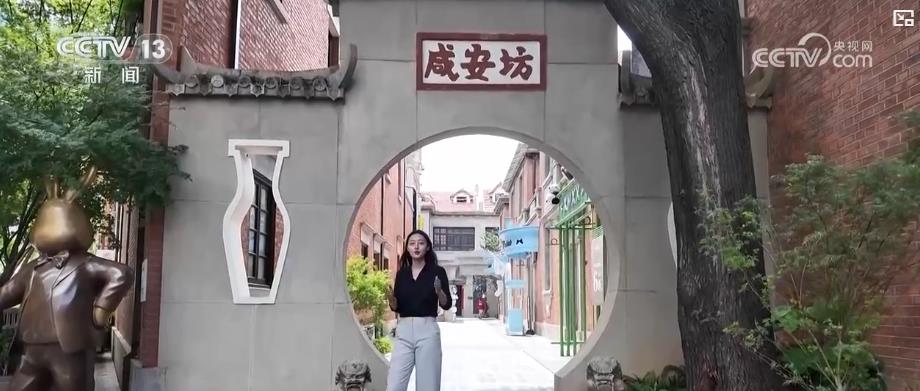
城市更新让老建筑焕发新生机 “活态博物馆” 变身文化新地标
Yang Shi Wang· 2025-07-26 07:51
武汉市江岸区咸安坊运营方负责人 郭洪林:我们在2016年对整个片区做了深入的文化调研,通过之前和一些老里分的居民他们 进行沟通,包括查了一些历史文献,按照国家的城市更新的大的方针,以历史传承包括保护和发展这样一个理念,进行了整体的一 个修旧如旧的规划和修缮工作。咸安坊它不光是一个建筑的样本,更多的我觉得是一种里分文化的一个传承在里面。 2024年,经过8年精心修缮的咸安坊重新开放,不仅引入了时尚餐饮、特色零售等现代业态,还通过本地相声表演、文创产品等 方式,让游客沉浸式感受武汉的在地文化。 央视网消息:湖北武汉有一种独特的建筑,它融合了中西风格,充满市井烟火气。如今,这些老建筑正通过"修旧如旧"的改造 焕发新生,成为市民和游客争相打卡的新地标。 总台记者 王镜雅:我现在就在位于武汉汉口历史文化风貌区的咸安坊,它始建于1915年,我们现在来到这个拱形建筑就是咸安 坊的入口月亮门,它是由花岗岩砌成"石库门",咸安坊也是国内保存最完好的石库门建筑群之一,它曾在民国时期是汉口最负盛名 的高端住宅区。 里分是武汉特有的民居建筑形式,外墙多使用红砖或青砖,屋顶覆盖红色机制瓦,整体风格融合了西方低层联排式住宅与中国 传统四 ...