
纺织

Search documents
出纳挪用资金11年未露馅 检察官助企业“亡羊补牢”
Ren Min Wang· 2025-05-16 01:02
Core Viewpoint - A company in Shaoxing, Zhejiang Province, has implemented financial reforms and strengthened management oversight following a significant embezzlement case involving its former cashier, who misappropriated over 100 million yuan over nearly eight years [1][2][3] Group 1: Company Background - A company operates in the textile market, focusing on leasing commercial properties to various businesses in the textile industry, which is a key economic sector in the region known as "China's Light Textile City" [1] - The company was subject to scrutiny after the discovery of a large-scale embezzlement by its cashier, who exploited gaps in financial management [1][2] Group 2: Embezzlement Case Details - The former cashier, identified as Hu, began misappropriating funds in 2013 by taking advantage of cash transactions and transferring funds to his personal account for investment purposes [1][2] - Over the course of nearly eight years, Hu embezzled more than 100 million yuan and earned over 650,000 yuan in interest from investments before returning the funds prior to his transfer out of the company [2] - The case was uncovered during a routine audit in January 2024, leading to Hu's confession and subsequent prosecution for embezzlement [2][3] Group 3: Financial Management Improvements - In response to the incident, the local prosecutor's office recommended that the company enhance its financial management practices, including improving oversight and training for financial personnel [3] - By March 2024, the company reported that it had made significant improvements to its financial systems and management practices to prevent future occurrences of such misconduct [3]
“江西是适宜台青就业创业的宝地”
Ren Min Ri Bao Hai Wai Ban· 2025-05-15 22:54
Group 1 - The event "2025 Cross-Strait (Lushan) Youth Exchange Development Conference" was held in Jiujiang, Jiangxi, focusing on deepening cooperation and promoting youth integration between the two sides of the Taiwan Strait, with nearly 300 participants including over 180 guests from Taiwan [2][3] - The conference emphasized the importance of youth in cross-strait relations, highlighting their role as active participants in exchanges and their potential to foster mutual understanding and cooperation [3][4] - Jiangxi has implemented policies to provide equal treatment for Taiwanese individuals and enterprises, including the "60 Measures for Taiwan" and the establishment of industrial cooperation zones to support Taiwanese youth in entrepreneurship [4][5] Group 2 - A themed salon on youth employment and entrepreneurship was held during the conference, where representatives from both sides shared their experiences and discussed new opportunities for development in Jiangxi [5][6] - The job fair in Nanchang featured over 1,600 job openings from more than 100 employers, including 16 Taiwanese enterprises, showcasing the demand for talent in various sectors such as electronics and engineering [6][7] - The event included innovative features like AI interviews, which provided participants with practice opportunities to enhance their job-seeking skills and better understand market demands [7]


100+终端用户名单公布!他们关注哪些生物基材料?5月25-27日,上海见
DT新材料· 2025-05-15 14:54
Core Viewpoint - The 10th Bio-based Conference and Exhibition (Bio-based 2025) will take place from May 25-27, 2025, in Shanghai, focusing on sustainable transformation and industry needs, with over 100 terminal user experts participating [7][8]. Group 1: Event Overview - The event will feature three main components: an industry conference, an innovation exhibition, and the New Leaf Award selection and ceremony, with over 1500 industry professionals expected to attend [7][8]. - The conference aims to accelerate the integration of technological and industrial innovation, supporting upstream and downstream enterprises in the bio-based sector [8]. Group 2: Participants and Speakers - Notable participants include senior material engineers from leading automotive companies such as Xiaopeng Motors, NIO, and SAIC Volkswagen, as well as experts from the textile and packaging industries [1][2][3]. - The event will host a variety of forums and discussions led by prominent experts, including academicians and industry leaders, focusing on advancements in bio-based materials [7][8]. Group 3: Agenda Highlights - The agenda includes strategic discussions, innovation forums, and specialized sessions on key topics such as bio-based polymers, sustainable applications in automotive and packaging, and investment opportunities in the bio-based industry [29][30][31]. - Specific sessions will cover advancements in biodegradable materials, bio-based fibers, and the role of synthetic biology in sustainable development [72][73][74]. Group 4: Supporting Organizations - The event is organized by key institutions such as the Zhejiang Provincial Key Laboratory of Bio-based Polymer Materials and the Ningbo Detaizhong Research Information Technology Co., Ltd., with support from various industry associations [16][17]. - The advisory committee includes experts from renowned universities and research institutes, ensuring a high level of expertise and insight into the bio-based materials sector [18][19].

和讯投顾许寒:高低切节点,接替化工的炒作主线已明牌
He Xun Cai Jing· 2025-05-15 13:31AI Processing
(原标题:和讯投顾许寒:高低切节点,接替化工的炒作主线已明牌) 再看化工抱团,益达今日冲高回落放出近期天量,明日是低开的预期,而三峡今日虽然顶着益达和保利 的负反馈勉强封板,但盘中炸板频频,明日一个涨停就严重异动了,所以此三峡的抱团也只是化工鱼尾 的绝唱,而尤夫的尾盘封板走的是跨境的外贸预期,明日有冲高的预期,若冲高回落无大单承接需要及 时分手,而君君的小成飞今日以t字换手之姿突破700魔咒,且全天分时无任何漏单技巧,虽然表现强 劲,但是对后排无任何带动作用,中行也没有强势翻红。这符合峰哥昨天对君君的判断,目前君君仍然 处于前排淘汰赛之中,那小程飞从封单质量来看,明日有冲高预期,但仍然需要经历放量换手的考验, 目前和三峡一样只能作为一个短线情绪锚定,如果成飞晋级成功,稳健型选手可以留意通达的绿肺缘 分,最后聊因一则小作文爆发的nm题材,川宁率先上板带动合成生物板块爆发题材,因业绩驱动更偏 趋势,走法爆发的后排涨停,中金达主动性更强,以趋势手法绿肥红瘦对待即可。 5月15日,和讯投顾许寒分析,接替化工的炒作主线已明牌,其中会出现有望对标三峡高度的低位,新 龙随着陈小群在亿达一键式清仓怒赚一个小目标,易达盘中高开 ...
龙虎榜复盘 | 麦角硫因概念突然爆发,纺织概念加速补涨
Xuan Gu Bao· 2025-05-15 11:11
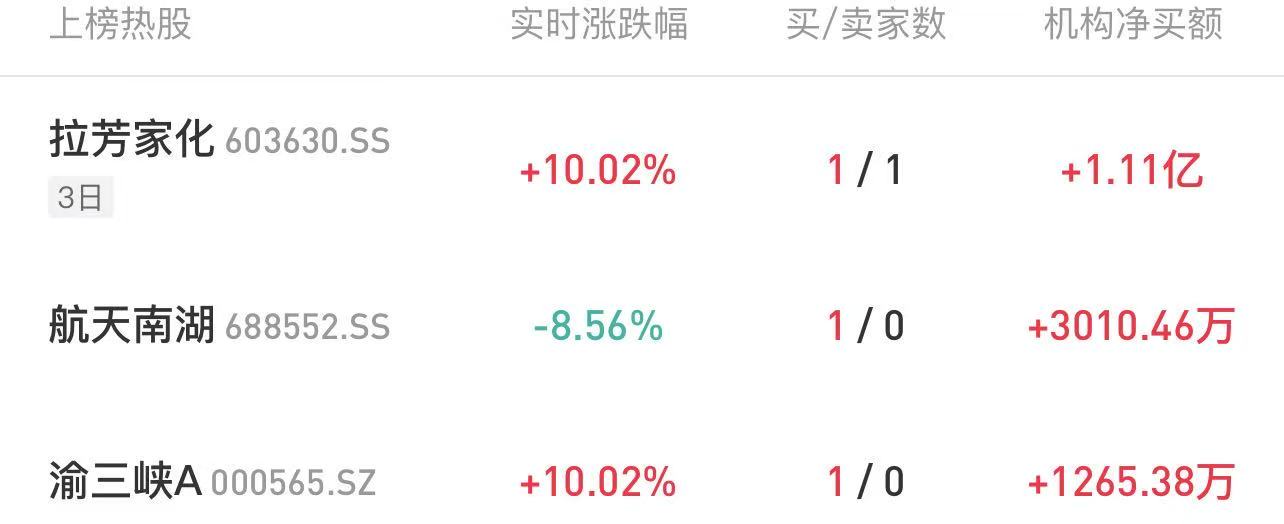
Group 1 - Institutional buying activity saw 29 stocks listed, with 10 net purchases and 19 net sales [1] - The top three stocks with the highest institutional buying were: Lafang Jiahua (¥111 million), Aerospace Nanhu (¥30.1 million), and Yuzhong Sanxia A (¥12.65 million) [1] - Lafang Jiahua's stock price increased by 10.02%, with one buyer and one seller on the list [2] Group 2 - Lafang Jiahua's institutional net purchase amounted to ¥111 million, driven by a significant increase in sales through Douyin, with a projected GMV of ¥25-50 million in Q1 2025, representing a 993% year-on-year growth [3] - The advertisement for Kelong Pharmaceutical's ergothioneine capsules has gained attention, featuring the chairman showcasing his physique, with a price of ¥1499 for 60 capsules [3] - Kelong Pharmaceutical claims that ergothioneine's effectiveness in removing free radicals is 10-30 times greater than traditional ingredients like VC and coenzyme Q10 [3]

华纺股份换手率53.79%,上榜营业部合计净卖出3397.41万元
Zheng Quan Shi Bao Wang· 2025-05-15 10:20
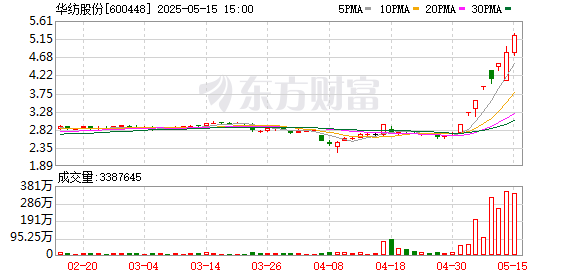
华纺股份(600448)今日上涨9.17%,全天换手率53.79%,成交额17.44亿元,振幅12.10%。龙虎榜数据显 示,营业部席位合计净卖出3397.41万元。 证券时报·数据宝统计显示,上榜的前五大买卖营业部合计成交2.51亿元,其中,买入成交额为1.09亿 元,卖出成交额为1.43亿元,合计净卖出3397.41万元。 具体来看,今日上榜营业部中,第一大买入营业部为华鑫证券有限责任公司上海光复路证券营业部,买 入金额为2639.09万元,第一大卖出营业部为中信证券(山东)有限责任公司青岛秦岭路证券营业部,卖出 金额为6368.86万元。 近半年该股累计上榜龙虎榜9次,上榜次日股价平均涨7.37%,上榜后5日平均涨28.77%。 资金流向方面,今日该股主力资金净流入1.26亿元,其中,特大单净流入9762.42万元,大单资金净流入 2833.91万元。近5日主力资金净流出2.97亿元。 4月30日公司发布的一季报数据显示,一季度公司共实现营业收入7.57亿元,同比增长14.49%,实现净 利润47.46万元,同比下降49.80%。(数据宝) 华纺股份5月15日交易公开信息 | 买/ | 会员营业部名称 ...

企业赶工生产拓展多元市场 订单增加外贸物流迎出货高峰
Yang Shi Wang· 2025-05-15 08:17
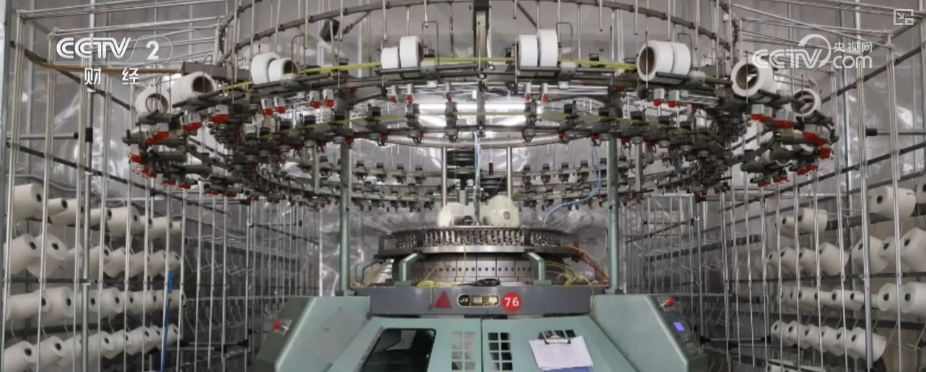
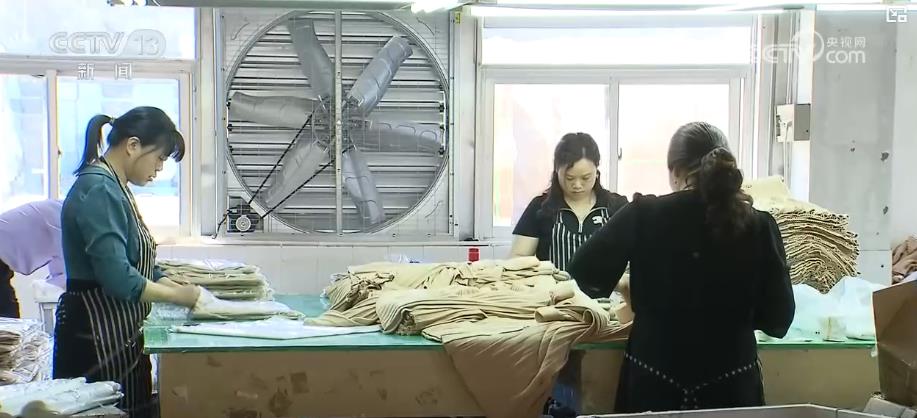
Group 1 - Recent adjustments in US-China tariff policies have led to a resurgence of foreign trade enterprises in multiple regions, particularly in resuming exports to the US market [1] - A textile company in Jiangxi has received a new order for 100,000 sets of children's clothing from the US, resulting in increased production efforts to meet demand [1][2] - A helmet manufacturing company in Ganzhou has received a request to resume the supply of over 500,000 sports helmets to US clients, indicating a strong recovery in US orders [2] Group 2 - The foreign trade logistics sector is experiencing a peak in shipments to the US, with a significant increase in inquiries from international freight forwarding companies [3] - Yantian Port in Shenzhen is adjusting its scheduling to accommodate the surge in shipments to the US, with over 2,000 containers being handled for a single vessel [4] - Many freight forwarding companies in Shanghai are reporting a high volume of customer inquiries and confirmed bookings for sea freight, leading to a shortage of container space on US routes [4]
外贸企业重启美国市场供应:订单量激增 物流迎高峰
Yang Shi Wang· 2025-05-15 07:32
Group 1 - Recent adjustments in US-China tariff policies have led to a resurgence in exports from foreign trade companies in Shanghai and Jiangxi to the US market, with factories ramping up production [1][3] - A knitting factory in Shanghai has resumed production for US clients after a temporary halt in April, with operations now running smoothly to fulfill orders [3] - A textile company in Jiangxi has received a significant influx of US orders, including a new batch of 100,000 children's clothing items, and is currently working overtime to meet demand [5] Group 2 - A helmet manufacturing company in Ganzhou has received a request from US clients to resume the supply of over 500,000 sports helmets, indicating a strong recovery in orders [7] - The foreign trade logistics sector is experiencing a peak in shipments to the US, with a surge in inquiries from international freight forwarding companies [8] - Shipping companies in Shenzhen are adjusting their schedules to accommodate the increased volume of exports to the US, with container space becoming scarce [10]
A股收评:创业板指缩量调整跌近2%,美容护理板块逆市大涨
news flash· 2025-05-15 07:02
A股三大指数今日集体下跌,截至收盘,沪指跌0.68%,深成指跌1.62%,创业板指跌1.91%,北证50指 数跌0.38%。全市场成交额11904亿元,较上日缩量1595亿元。全市场超3800只个股下跌。板块题材 上,美容护理、合成生物、食品饮料、纺织制造板块涨幅居前;华为昇腾、跨境支付、云计算、液冷服 务器概念股跌幅居前。盘面上,美容护理板块今日逆市走强,芭薇股份30cm涨停,青松股份 (300132)、华业香料(300886)、洁雅股份(301108)20cm涨停。食品饮料板块午后活跃,西王食 品(000639)涨停。纺织制造板块同样表现活跃,迎丰股份(605055)5连板。算力、液冷服务器概念 股今日集体调整,科华数据(002335)逼近跌停,宏景科技(301396)、奥飞数据(300738)、立昂技 术(300603)跌幅居前。 ...
纺织服装板块震荡回升 华纺股份8天6板
news flash· 2025-05-15 02:42
华纺股份走出8天6板, 迎丰股份5连板, 凤竹纺织涨停, 盛泰集团、 太湖雪、 华茂股份等涨幅靠前。 消息面上,业内指出,美国作为中国最大的纺织品服装出口国之一,中美关税的缓和,对价格敏感的中 低端纺织品订单可能加速回流,预计未来90天对美订单量明显增加。 ...


