航运

Search documents
平均10倍月薪!航运巨头发放年终奖
Sou Hu Cai Jing· 2026-01-04 06:05
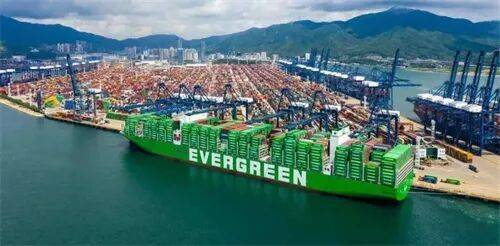
Group 1 - The core point of the article highlights that Evergreen Marine, Taiwan's largest shipping company, distributed year-end bonuses averaging 10 months' salary, significantly surpassing competitors Yang Ming Marine and Wan Hai Lines [2] - In the first three quarters of 2025, Evergreen Marine reported a revenue of NT$293.38 billion (approximately RMB 65.4 billion), a year-on-year decrease of 15.6%, with a net profit attributable to the parent company of NT$60.06 billion (approximately RMB 13.39 billion), making it the most profitable shipping company in Taiwan [2] - As of November 2025, Evergreen Marine achieved a revenue of NT$27.63 billion (approximately RMB 6.16 billion), reflecting a year-on-year decline of 23.4% but a quarter-on-quarter increase of 1.1% [2] Group 2 - Evergreen Marine has issued year-end bonuses equivalent to 40 times, 45 times, and 20 times monthly salary in 2021, 2022, and 2024 respectively [3] - The company operates a fleet of 239 vessels with a capacity of 1.96 million TEU, including 162 owned and 77 chartered ships, holding a market share of 5.9% [3] - Evergreen Marine has 53 new ships under construction totaling 860,000 TEU, which will increase its fleet capacity by 42.6% once delivered, potentially surpassing ONE to become the sixth largest globally [3]

宏观周报:国内地产明确定调,地缘风险再度上行-20260104
Yin He Zheng Quan· 2026-01-04 05:31
Domestic Macro - Demand Side - During the New Year holiday, consumer demand for travel and cinema surged, with retail sales of passenger cars showing a narrowing year-on-year decline of 19.5%[1] - In December 2025, the external demand showed an increase in volume but a decrease in price, with the Baltic Dry Index (BDI) at 2315.2, reflecting a 5.1% increase[1] Domestic Macro - Production Side - The PMI and high-frequency data showed a divergence, with the PMI at 50.1% in December 2025, indicating no significant improvement in physical workload[1] - The production impact of the late Spring Festival in 2026 was minimal, with the production index showing a 3.42 percentage point increase compared to November 2025[1] Price Performance - CPI showed fluctuations in pork prices and a continuous rise in fruit prices, with a 0.43% increase noted[2] - PPI indicated a weakening in crude oil prices while non-ferrous metal prices showed volatility, with WTI at 1.77%[2] Fiscal Policy - In January 2026, local government bond issuance plans are set at 580 billion, reflecting a 104.4% increase compared to the previous year[2] Monetary and Liquidity Conditions - The yield curve for government bonds has shifted upward, with the SHIBOR 007 rate at 1.9560%, up by 51 basis points[2] Global Macro - Global financial market activity has cooled due to the New Year holiday, impacting trading volumes[2]
多点发力激活高质量发展新引擎
Xin Hua She· 2026-01-04 03:45
Group 1: Transportation Infrastructure and Economic Development - The recent opening of the Urumqi to Yili Expressway enhances the integration of logistics systems, releasing strong development momentum [3] - The Yangshan Port is a key support for Shanghai's international shipping center, becoming a comprehensive logistics hub and a platform for port and shipping technology advancements [6][8] - The Urumqi-Yili Expressway opens new pathways for cultural and tourism integration, positioning Urumqi as a "tourism transit hub" to stimulate local tourism consumption [7] Group 2: Industry Innovation and Market Expansion - Dongpeng Beverage, named after Shenzhen, is continuously innovating and focusing on niche markets, leveraging "small beverages" to create significant market impact [10] - The introduction of PET bottles with dust-proof caps by Dongpeng in 2009 has gained widespread market acceptance, enhancing consumer trust [12] - Dongpeng has developed a medium-temperature filling technology that allows beverages to be filled at 65°C to 70°C, maintaining quality while reducing plastic bottle weight, energy consumption, and costs [13] Group 3: Green Transformation in Logistics - The Chinese express delivery industry is advancing its green transformation, with ongoing policy support, technological empowerment, and practical enterprise initiatives showing continuous results [15] - Technological innovation, particularly the application of AI in packaging design, is becoming a crucial driver for green transformation in the logistics sector [17] Group 4: Overall Development Trends - Various regions are focusing on transportation infrastructure to enhance regional connectivity, open hubs to facilitate internal and external circulation, and innovate industries for quality improvement, collectively showcasing development vitality and painting a new picture of high-quality development [19]
新能源车过海需求增长 海峡股份持续增开专载航班守护出行
Zhong Guo Jin Rong Xin Xi Wang· 2026-01-04 03:35
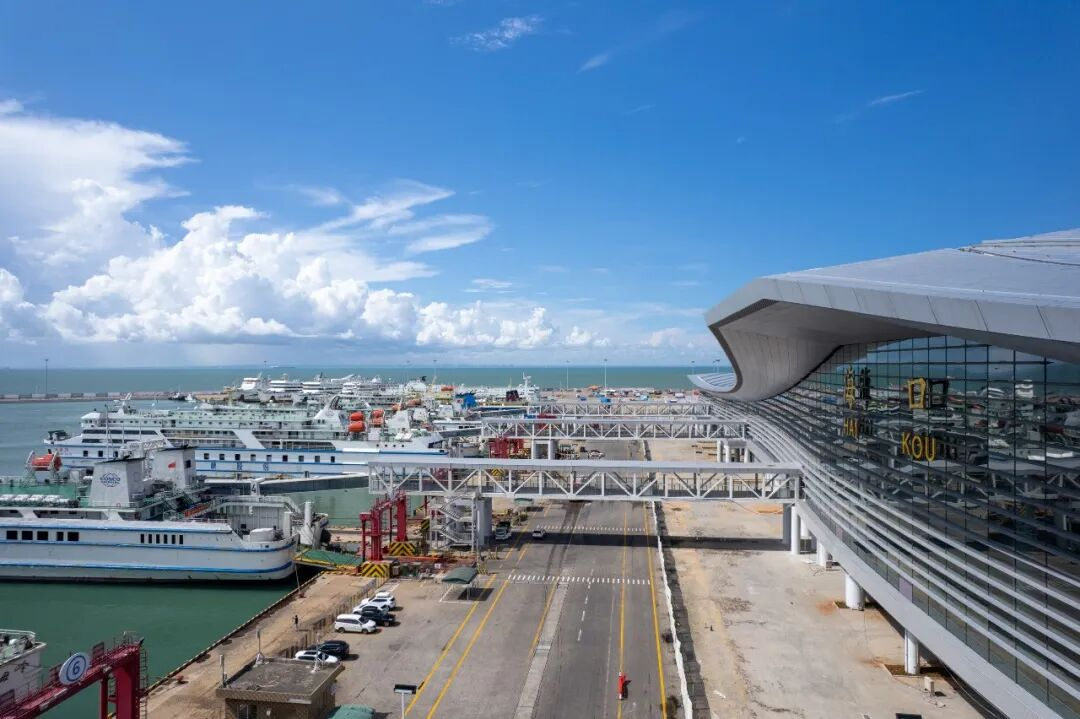
转自:新华财经 编辑:赵鼎 针对新能源车特点,海峡股份优化预约购票流程。车主可通过"琼州海峡轮渡管家"小程序/App等官方 渠道,直接选择"新能源车"类型进行购票。当前已进入元旦假期返程高峰,海峡股份还会根据需求增开 班次,新能源车专班航线主要运营线路为海口秀英港至海安新港线路,车主可按照购票航班时间,提前 不超过2小时抵达港口,确保过海无忧。 新能源车运输采取"人车分离"运输模式,海峡股份提醒,在航行过程中,请遵守相关规定,配合船员装 载。如遇特殊情况,可及时与工作人员沟通。未来,公司还将不断完善新能源车过海服务保障体系,并 根据需求动态调整专载航班数量,优化服务流程,让新能源车过海更加便捷安全。(叶文华) 2026年元旦假期,琼州海峡迎来新能源车过海高峰。近两日数据显示,新能源小车跨海需求增长幅度较 大,假期期间,海南海峡航运股份有限公司已大幅增开新能源车辆专载航班,未来还将根据需求动态调 整专载航班数量,实施全流程安全保障措施,确保出行通道畅通无阻。 ...

海峡股份增加运力应对元旦假期返程高峰 车辆实现即到即走
Xin Hua Cai Jing· 2026-01-04 02:52
Core Insights - The Hainan Free Trade Port successfully managed its first holiday transportation challenge during the New Year holiday, with Hainan Strait Shipping Co., Ltd. ensuring smooth operations and service optimization [1] Group 1: Transportation Performance - During the New Year holiday, a total of 33,000 vehicle trips and 101,000 passengers were transported, showing significant year-on-year growth in both vehicle and passenger flow [1] - The company deployed sufficient capacity and optimized service processes to guarantee orderly transportation across the Qiongzhou Strait [1] Group 2: New Energy Vehicle Services - In response to the increased demand for cross-sea transportation of new energy vehicles, the company provided dedicated services, allowing owners to book tickets directly for their vehicle types [3] - Additional special services for new energy vehicles were introduced during the holiday period to ensure adequate transport capacity [3] Group 3: Ticket Availability and Recommendations - As of January 3, 16:30, ticket availability was sufficient, with specific numbers reported: 1,474 tickets for fuel vehicles at Xinhai Port, 333 tickets for fuel vehicles at Xiuying Port, and 132 tickets for new energy vehicles at Xiuying Port [3] - The company emphasized the importance of advance ticket purchases for a smooth return journey, advising small vehicle passengers to arrive at the port no more than 2 hours before their scheduled departure [3]
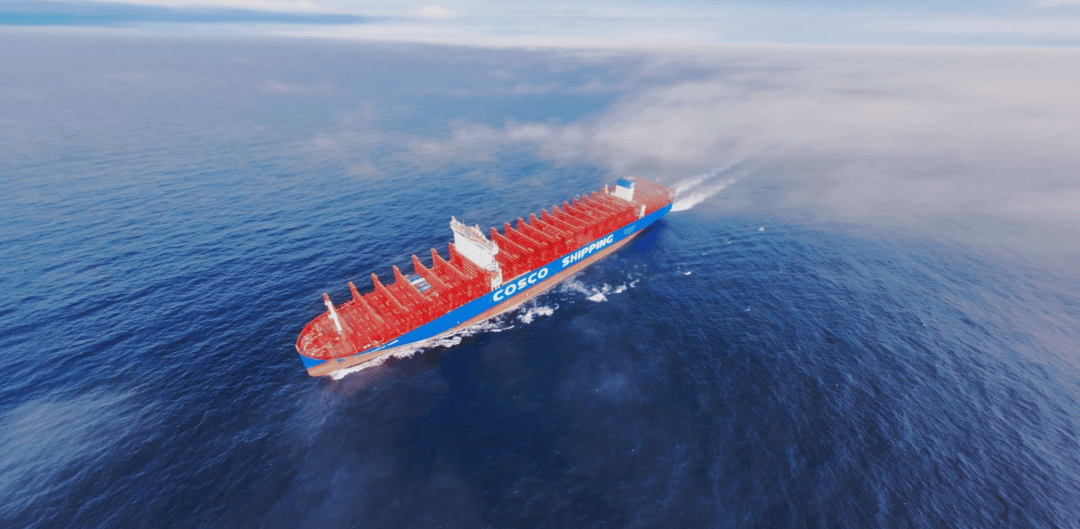
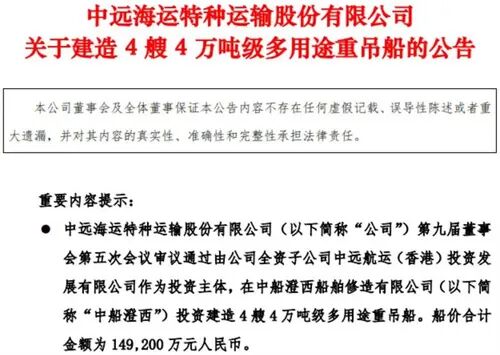
4艘15亿!中远海运特运订造多用途重吊船
Xin Lang Cai Jing· 2026-01-04 01:30
Core Viewpoint - China Merchants Heavy Transport Co., Ltd. announced an order for four multi-purpose heavy-lift vessels to enhance its fleet and support the growing demand in the wind power market [1][6]. Group 1: Order Details - The total value of the order for the four 40,000-ton multi-purpose heavy-lift vessels is approximately 1.492 billion yuan, with an individual vessel cost of about 373 million yuan [1][6]. - The first vessel is scheduled for delivery by June 2028, with the remaining three expected to be delivered by the end of February 2029 [1][6]. Group 2: Strategic Goals - The company aims to accelerate its strategic transformation and upgrade its fleet to meet the increasing demands of the wind power sector, which is experiencing rapid growth [1][6]. - As one of the largest marine service providers for wind power equipment globally, the new vessels will enhance the fleet's suitability for cargo and support China's advanced manufacturing industry [1][6]. Group 3: Economic Viability - The internal rate of return for the project is estimated at approximately 6.76%, with a static payback period of 11.8 years, indicating good economic benefits [2][7]. - The company is focused on becoming a leading special vessel company, transitioning towards being an "industry chain operator" and "integrated solution provider" [2][7]. Group 4: Fleet and Capacity - The company currently operates a fleet of over 200 vessels with a total deadweight tonnage of nearly 10 million, covering various types of special transport vessels [2][7]. - The fleet is capable of carrying a wide range of cargo, including oversized and heavy items, with a carrying capacity ranging from 1 ton to 100,000 tons [2][7]. Group 5: Background of the Order - This order is part of a larger contract signed in December 2022, which includes a total of 87 new vessels with a combined contract value of approximately 50 billion yuan [3][8]. - The contract set records for the highest single cooperation signing amount and cross-border RMB settlement in the history of China's shipbuilding industry [3][8]. Group 6: Current Orders and Market Position - As of now, the shipyard has a backlog of 84 vessels totaling 5.612 million deadweight tons, with delivery schedules extending to 2028 [4][10]. - The current order book includes various types of vessels, such as bulk carriers and multi-purpose ships, indicating a diverse portfolio [4][10].


IKEA、亚马逊等大货主组团买绿色运力!
Sou Hu Cai Jing· 2026-01-04 01:05
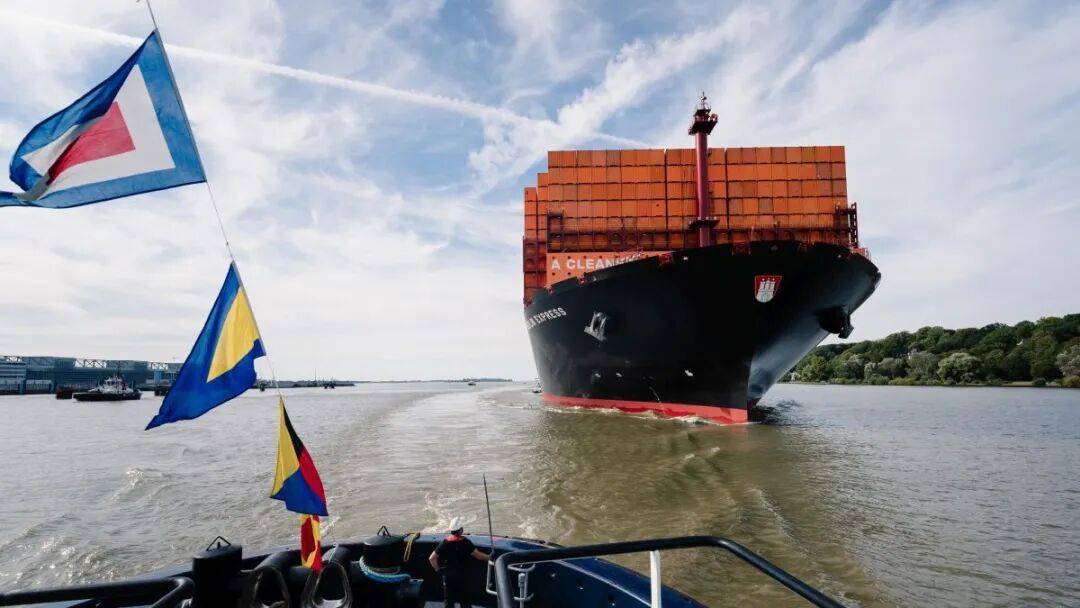
Core Insights - The ZEMBA alliance, comprising major brands like Amazon and IKEA, is pushing for a market-driven approach to establish a commercial framework for hydrogen-based e-fuels in the shipping industry [1][4][10] Group 1: ZEMBA Alliance and Its Objectives - ZEMBA aims to create a replicable commercial loop for e-fuels by aggregating orders from cargo owners and facilitating the deployment of ships and fuel supply [1][4] - The second round of e-fuels bidding has resulted in Hapag-Lloyd and North Sea Container Line being awarded contracts to deploy e-methanol and e-ammonia fuels starting in 2027 [3][5] Group 2: Bidding Results and Environmental Impact - The second round of bidding will support the deployment of e-fuels in approximately 200 billion tons of shipping over three years, with a potential reduction of 120,000 tons of greenhouse gas emissions starting in 2027 [5][6] - Hapag-Lloyd will utilize about 70,000 tons of e-methanol for five large container ships, while NCL will use 25,000 tons of e-ammonia for one small container ship [5][6] Group 3: Fuel Pathways and Market Development - The strategy involves deploying two types of scalable hydrogen-based e-fuels to maintain flexibility in technology and supply chain evolution [6][10] - Hapag-Lloyd will deploy e-methanol on a transoceanic route, while NCL will operate the world's first e-ammonia-powered container ship on a Nordic trade route [6][7] Group 4: Emission Reduction Standards - ZEMBA requires that both fuels achieve at least a 90% reduction in lifecycle carbon intensity compared to traditional high-emission fuels, ensuring rigorous assessment and compliance [8][10] Group 5: Market Dynamics and Future Outlook - The second round of bidding is seen as a market development initiative rather than just a reduction project, aiming to establish a sustainable pricing and demand discovery mechanism for the next generation of fuels [10] - ZEMBA's approach allows for immediate procurement to stimulate supply-side investment and infrastructure development, bypassing regulatory delays [10][11]


首破5亿吨!
中国能源报· 2026-01-03 03:53
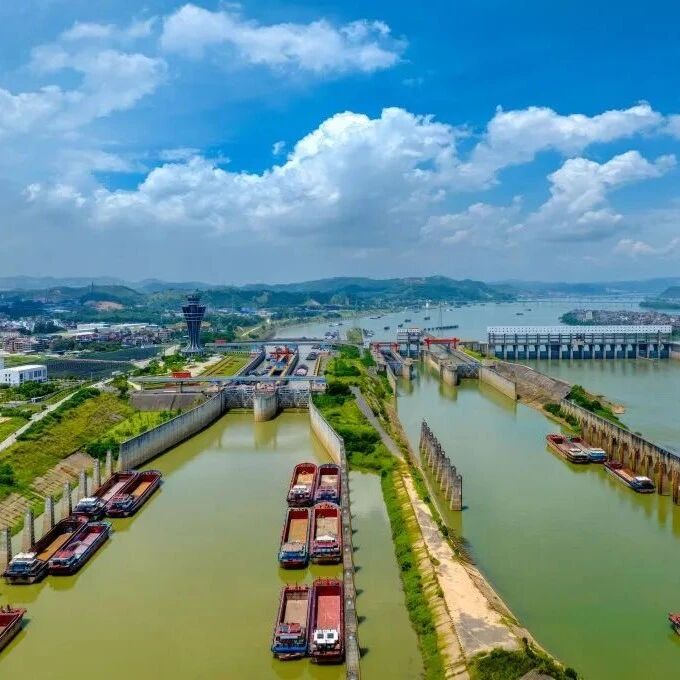
首破5亿吨!2 02 5年西江船闸联合调度年过货量创新高。 "十四五"期间,西江船闸联合调度的范围增加至13个梯级20座船闸,纳入联合调度的船闸累计完成货运量21.12亿吨。 ▲ 航运繁忙的长洲水利枢纽船闸。(图片由广西北部湾国际港务集团提供,张学 摄) 长洲船闸是西江黄金水道建设的重点工程,承担广西内河运输90%的任务量,20 2 5年过货量再次超过2. 2亿吨,达到2. 24亿 吨,与去年基本持平。每天约60万吨货物经此流转,碎石、水泥等大宗建材源源不断运往粤港澳大湾区,有力保障区域建设 需求。 西江航运干线上连云贵高原、横贯两广、下通港澳码头,是西南地区出海的"水上生命线"。曾经船闸分属不同业主、调度各 自为政、信息互不联通等原因,导致船舶在梯级间长时间待闸,"肠梗阻"问题长期制约通航效率。 据介绍,为破解这一瓶颈,西江集团创新管理模式,实现统一调度、管理和信息共享,将分散的船闸拧成"一股绳",西江流 域船闸通航效能持续跃升。过闸船舶积分管理办法实施后,单闸次过闸效率提升25%。 来源:新华社 从广西北部湾国际港务集团获悉,2025年西江船闸联合调度年过货量全年累计达5.0 7亿吨,首次实现年过货量突破 ...
出炉!2025年全球十大航运新闻
Sou Hu Cai Jing· 2026-01-02 13:21
Core Insights - The shipping industry in 2025 experienced significant changes driven by geopolitical tensions, particularly between the US and China, affecting port fees and operational costs [2][4] - The transition towards decarbonization and digitalization has become essential for companies to navigate challenges, with the International Maritime Organization (IMO) delaying the adoption of the Net-Zero Framework, impacting regulatory certainty [2][9] - The emergence of new shipping routes and supply chains, such as the Simandou iron ore project, is reshaping global shipping dynamics and demand [2][11] Group 1: US-China Port Fee Dispute - In 2025, the US and China escalated their policy conflict to the level of port fees, with the US imposing fees on certain Chinese vessels starting October 14, 2025, followed by China's retaliatory fees [4] - The suspension of these fees on November 10, 2025, led to a restructuring of shipping routes and strategies, with a notable decline in freight rates and a shift in capacity deployment [4][5] - The compliance premium has been systematically priced into various operational aspects, affecting costs and accessibility across the shipping industry [5] Group 2: IMO Net-Zero Framework Delay - The IMO's Net-Zero Framework was delayed until 2026 due to unresolved key issues, pushing back the industry's need for regulatory certainty and extending the uncertainty window for investments [9][10] - Despite the delay, the overall goals of the IMO 2023 reduction strategy remain unchanged, creating a paradox where regulatory delays coexist with ongoing industry actions towards decarbonization [9] - Shipping companies are increasingly focusing on tangible emission reductions and diversifying fuel strategies, including LNG, methanol, and future zero-carbon fuels [9] Group 3: Simandou Iron Ore Project - The Simandou iron ore project commenced commercial operations in November 2025, with the first shipment of approximately 200,000 tons of high-grade iron ore to China [11] - This project is expected to create a new long-haul shipping route from West Africa to China, significantly impacting the dry bulk market and potentially replacing some Australian iron ore routes [11] - The project's success will depend on the stability and reliability of its export rhythm and the efficiency of its transportation infrastructure [11] Group 4: Container Shipping Market Dynamics - In 2025, container shipping companies shifted their competitive focus from fleet size to reliable delivery capabilities, driven by increased market uncertainty [12][16] - Major players like MSC expanded their capacity significantly, leading to heightened competition and a simultaneous push towards integrated logistics and terminal control [12][16] - The trend of integrating logistics and terminal operations is expected to continue, although it may introduce asset burden and return on invested capital (ROIC) pressures if freight rates decline [13] Group 5: Shadow Fleet and Sanctions - The global shadow fleet, involved in transporting sanctioned oil, reached approximately 1,423 vessels, with 921 already sanctioned by the US and its allies [19] - Enforcement methods have shifted from financial sanctions to direct maritime actions, with the US actively seizing vessels involved in transporting oil from Venezuela [19][20] - The expansion of the shadow fleet has increased the premium for compliant vessels, while also raising operational risks and insurance costs [19] Group 6: Chinese Shipbuilding Dominance - Despite temporary disruptions from US port fees, Chinese shipbuilding orders rebounded quickly, maintaining a dominant position with over 60% of global orders [21][23] - In the first half of 2025, China received new orders totaling approximately 44.33 million deadweight tons, while deliveries were around 24.13 million deadweight tons, indicating a backlog in shipbuilding capacity [23] - The profitability of Chinese shipyards is improving, providing cash flow for continued investment in advanced and green ship designs [23] Group 7: Electric Vessels and Green Transition - 2025 marked a significant push towards electric vessels in China's inland and coastal shipping, with numerous electric cargo ships launched and operational [24][25] - The Chinese government supported the transition to clean energy vessels, with plans for 1,000 new energy vessels over the next five years [25] - Internationally, notable advancements in electric vessel technology were observed, indicating a shift towards larger and faster electric ships [25] Group 8: Crew Welfare and Regulations - The importance of crew welfare gained prominence in 2025, with new agreements enhancing protections and raising minimum wages for seafarers [26][27] - The industry is increasingly recognizing crew welfare as a measurable management issue, driven by rising health and psychological risks among seafarers [27] - Future focus will be on implementing actionable governance for crew welfare and integrating respect for seafarers into compliance and delivery standards [27] Group 9: Emerging Markets and Nationalization of Shipping - Emerging markets are increasingly elevating shipping and port development as national strategic initiatives, with India leading by establishing a maritime development fund [28][29] - Investments in port infrastructure and shipping capabilities are being made to enhance regional hub positions, with significant projects underway in various emerging markets [28][29] - This trend suggests that competition in the future will extend beyond shipping routes to include vessel registration, compliance, and local service capabilities [29]
2025年全球集装箱船订单新增415万TEU!总量达到1130万TEU
Sou Hu Cai Jing· 2026-01-02 13:20
Core Viewpoint - The global container ship order backlog has reached an unprecedented level of approximately 11.3 million TEU, with 1,165 standard container ships currently under construction, and delivery schedules extending to as late as 2030 [1][3]. Group 1: Order Backlog and Delivery - The order delivery period is longer than ever, with some vessels scheduled for delivery more than four years from now [1]. - In 2025, the total new orders from global container shipping companies and independent shipowners amounted to 4.15 million TEU, resulting in a net increase of 1.94 million TEU after accounting for 2.21 million TEU delivered that year [3]. - Four major shipping companies have order backlogs exceeding 1 million TEU: MSC (2.05 million TEU), CMA CGM (1.88 million TEU), Cosco Group (1.37 million TEU), and Maersk (1.05 million TEU) [3]. Group 2: Non-Operating Owners and Fleet Management - Among non-operating shipowners, Seaspan (680,000 TEU / 55 vessels), EPS (380,000 TEU / 51 vessels), and Capital (80,000 TEU / 35 vessels) have the largest order volumes [5]. - In terms of owned/internal managed capacity, MSC leads with 650,000 TEU across 51 vessels, followed by CMA CGM (480,000 TEU / 22 vessels), Evergreen (450,000 TEU / 21 vessels), Maersk (180,000 TEU / 11 vessels), and ONE (150,000 TEU / 11 vessels) [5]. Group 3: Market Trends and Future Outlook - The first quarter of 2025 saw steady ordering activity (990,000 TEU / 82 vessels), which strengthened in the second quarter (1.05 million TEU / 128 vessels) and peaked in the third quarter (1.28 million TEU / 195 vessels), before slightly declining in the fourth quarter (820,000 TEU / 102 vessels) [6]. - Despite the large order backlog, there are indications that container ship ordering activity will slow down in 2026 due to shipyard capacity nearing saturation, record newbuilding prices, and rising concerns about structural overcapacity in the market [5].