
旅游业

Search documents
侗年带热“侗乡第一寨”冬季旅游
Xin Lang Cai Jing· 2025-12-21 12:30
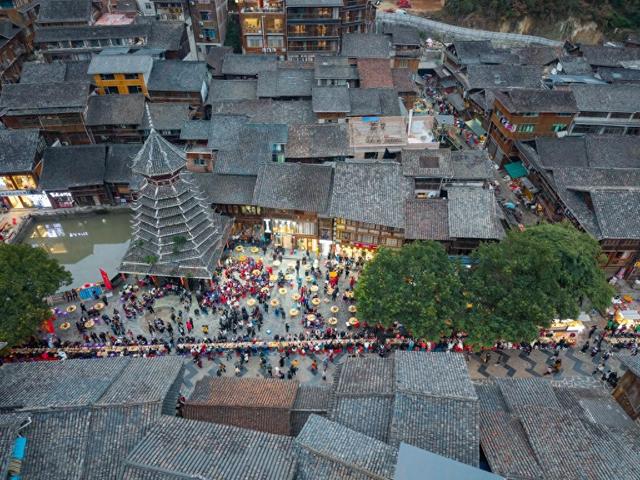
转自:北京日报客户端 新华社贵阳12月21日电20日至21日,贵州省黔东南州黎平县迎来了一年一度的侗年盛会。被誉为"侗乡 第一寨"的黎平县肇兴侗寨,每年都会举办独特的民俗文化活动,打年粑、炸侗果、唱侗歌、盛大民族 巡游、芦笙比赛和篝火晚会,精彩纷呈的节庆活动吸引着无数游客,一同沉浸在欢乐的节日氛围中。 广西壮族自治区三江县布央村此次受邀派出了一支由50余人组成的芦笙队,来到肇兴共庆侗年。挑着特 产,参与巡游的布央村村民吴美娇自豪地表示,"我们芦笙队去年也参加了肇兴侗寨的芦笙比赛,今年 我们带着更加精湛的技艺和满腔的热情而来,希望通过更加精彩的表演,向世界展现中国侗族民俗文化 的魅力。" 日,黎平县肇兴侗寨正在举办长桌宴。新华社发(龙建睿摄) 12月20 来自广东省佛山市南海黄飞鸿中联电缆武术龙狮协会的教练梁健锋,带领着平均年龄仅15岁的青年舞狮 队再次来到肇兴侗寨,呈现年味满满又憨态可掬的舞狮表演。"我们佛山这次不仅带来了舞狮,还有粤 剧和咏春拳表演,想把佛山文化的精髓全方位地展现给肇兴侗寨的游客。" 从事舞狮表演近30年的梁健锋表示,"每次在贵州表演时,一拿出狮头,就会遇到很多广东游客上前互 动。"梁健锋感 ...

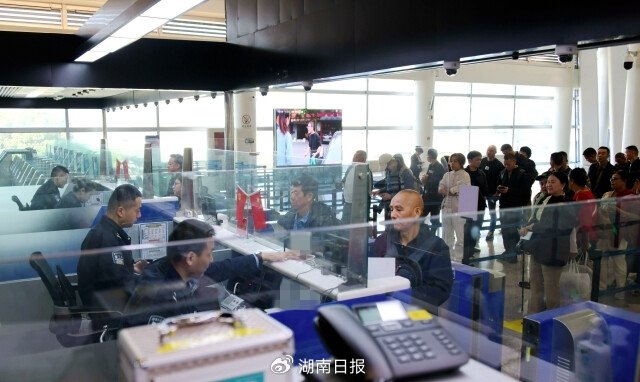
中老边境磨憨公路口岸今年出入境客流已突破200万人次
Xin Lang Cai Jing· 2025-12-21 08:23
Core Insights - The Mohan border checkpoint has seen over 2 million travelers cross in and out this year, marking the first time this milestone has been reached since its opening in 1993 [1] - The checkpoint serves as a crucial hub for trade and travel between China and Laos, facilitating significant cross-border interactions [1] Group 1: Travel Statistics - As of December 20, 2023, the Mohan checkpoint recorded 2.002 million travelers, a year-on-year increase of 4.5% [1] - The checkpoint handled over 50,000 vehicles, with a peak daily average of over 11,000 travelers [1] - Among the foreign travelers, over 904,000 were recorded, with more than 433,000 entering visa-free, accounting for over 95% of the total foreign arrivals, reflecting a growth of over 31% [1] Group 2: Travel Trends - The increase in inbound tourism is attributed to the popularity of cultural experiences, ice and snow tourism, self-driving tours, and in-depth travel projects [2] - For outbound tourism, the main travel styles include student trips, family and child tours, and senior travel [2]
江浙沪,开始挤爆安徽县城
投资界· 2025-12-21 07:39
Core Viewpoint - The article highlights the transformation of Guangde into a popular weekend getaway for residents of the Yangtze River Delta, emphasizing its appeal as a low-cost, high-satisfaction destination for food and relaxation [3][4][5]. Group 1: Transformation of Guangde - Guangde has redefined itself as a "simple weekend dining hall" for urban dwellers, attracting visitors from Shanghai, Hangzhou, Nanjing, and Hefei within a two-hour drive [3][4]. - The city has become a center for emotional healing, offering a relaxed atmosphere without the pressure of must-visit attractions or the disappointment of overhyped restaurants [4][5]. - Local government initiatives, such as free parking and shuttle services, enhance the visitor experience, making it easier for tourists to enjoy their time in Guangde [6][7]. Group 2: Culinary Appeal - Guangde is positioning itself as an immersive dining experience, with local specialties like "Anhui tea" and freshly baked pastries drawing attention on social media [5][6]. - The local cuisine, characterized by fresh and hearty meals, provides a genuine alternative to the urban dining scene, appealing to both locals and visitors [5][8]. - The city has seen a surge in demand for its culinary offerings, prompting local businesses to ramp up production and extend operating hours to accommodate the influx of tourists [7][8]. Group 3: Visitor Experience - The article describes the seamless experience for visitors, from free transportation to local attractions to the welcoming attitude of local businesses [6][9]. - Tourists are increasingly treating Guangde as a "spiritual retreat," where they can unwind and enjoy leisurely meals without the rush associated with traditional sightseeing [8][9]. - The concept of a "weekend dining hall" is gaining traction, with visitors prioritizing food experiences over typical tourist activities, leading to a new travel trend in the region [9][10]. Group 4: Future Potential - Guangde's model of transforming into a popular weekend destination is seen as a potential blueprint for other small cities, although not all can replicate its success [10]. - The city is also exploring long-term visitor engagement strategies, such as supporting local accommodations to encourage extended stays [10]. - The article concludes that Guangde's unique offering of genuine, satisfying dining experiences sets it apart from other tourist destinations in the Yangtze River Delta [10].

入境游,湖南是“目的地”还是“中转站”?真相来了
Xin Lang Cai Jing· 2025-12-21 05:42
Core Viewpoint - The implementation of the 240-hour transit visa exemption policy in Hunan has seen limited uptake, with only 4,000 foreign visitors utilizing it in a year, despite a total of 824,000 foreign entries and exits in the province, highlighting a mismatch between policy design and traveler behavior [1][3][5]. Group 1: Policy Overview - The 240-hour transit visa exemption policy was fully implemented on December 17, 2022, allowing foreign travelers to stay for up to 240 hours and adding 21 ports for entry and exit, later increasing to 26 [1][10]. - In Hunan, over 4,000 foreign visitors have benefited from this policy, with 3,800 at Changsha and 150 at Zhangjiajie, which is significantly higher than the total over the previous nine years under the 72-hour policy [1][3]. Group 2: Visitor Behavior and Policy Utilization - The low utilization of the transit visa exemption is attributed to its design for transit travelers, requiring a connecting ticket to a third country, which does not align with the travel patterns of most tourists who visit Hunan for leisure [3][5]. - For instance, during the May Day holiday, 95.6% of the 15,000 foreign visitors at Hunan ports utilized single-entry or mutual visa exemption policies rather than the transit exemption [5]. Group 3: Market Dynamics - The primary source of foreign tourists to Hunan is South Korea, where citizens can stay for 30 days under a single-entry visa exemption, making the transit visa less appealing [5][6]. - Changsha's diverse international flight connections have allowed it to attract more transit visa users compared to Zhangjiajie, which primarily serves tourists visiting for specific attractions [6][8]. Group 4: Future Prospects - The policy is expected to evolve, with the addition of Indonesia as a visa-exempt country and the inclusion of five ports in Guangdong, enhancing travel flow into Hunan [10]. - Efforts to increase awareness of the transit visa exemption policy have been made through various channels, indicating a growing interest among international travelers [10][12].
着眼高质量发展 培育旅游业新质生产力
Zheng Quan Shi Bao· 2025-12-21 04:22
Core Viewpoint - The development of tourism in China has entered a fast track, establishing the largest domestic tourism market globally and becoming the largest source and destination for international tourism. The "14th Five-Year Plan" period is crucial for improving the modern tourism system and building a strong tourism nation, with a focus on cultivating new quality productivity as a key driver for tourism development [1] Group 1: Significance of Cultivating New Quality Productivity in Tourism - As an important area for consumption upgrade, enhancing the quality and capacity of the tourism industry can effectively promote domestic demand growth [2] - The tourism industry, which absorbs a large workforce, can stabilize employment through quality and efficiency improvements [2] - The innovative development of tourism, as a key component of the green industry, positively contributes to ecological civilization construction [2] - The dual role of tourists as both demand subjects and components of tourism products or services creates a close interaction among laborers, labor materials, and labor objects in the tourism industry [2] - Technological advancements inject new momentum into tourism, with big data analysis helping to understand tourist preferences and virtual reality technology creating immersive experiences [2] Group 2: Relationship Between New Quality Productivity and Production Relations - The high-quality development of the tourism industry is essentially a manifestation of new quality productivity within the sector [3] - The widespread application of digital and intelligent technologies, along with the personalized and quality upgrade of consumer demand, leads to the deep penetration of new productivity elements like big data and AI into various industry segments [3] - Systematic adjustments in production relations across the entire tourism industry chain are necessary for the effective release of advanced tourism technologies [3] - Building production relations that adapt to new quality productivity in tourism is a core issue for promoting high-quality industry development [3] Group 3: Key Breakthrough Directions for New Quality Productivity in Tourism - Strengthening inter-departmental collaboration is essential to overcome barriers to tourism industry integration and fusion [4] - Establishing a feedback mechanism where technology-driven supply innovation creates tourism demand, which in turn stimulates technological upgrades [4] - Supporting tourism enterprises in utilizing big data and AI to analyze consumption trends and optimize product and service design for efficient supply-demand matching [4] - Encouraging the application of digital management systems by market entities to enhance operational efficiency and personalized service capabilities [4] Group 4: Integration with Other Industries and Policy Support - Promoting deep integration of cultural tourism with technology, education, and health industries to develop composite consumption products and expand new consumption growth points [5] - Supporting market entities in resource integration to build a "technology + service + consumption" ecosystem that enhances value across the entire chain [5] - Encouraging the establishment of flexible employment and new professional certification policies to adapt to changes in employment forms driven by new tourism consumption [5] - Fostering strategic emerging industries in tourism through independent innovation and breakthroughs in key technological areas [5]
期待深化同中国多领域合作——访俄罗斯犹太自治州州长科斯秋克
Xin Lang Cai Jing· 2025-12-21 02:13
Group 1 - The governor of the Jewish Autonomous Oblast, Kostiuk, expressed the region's desire to deepen cooperation with China in logistics, agriculture, minerals, and tourism, welcoming Chinese tourists to experience its unique culture and beautiful scenery [1][10] - The Jewish Autonomous Oblast is one of 11 administrative entities in the Russian Far East Federal District and is the only autonomous region in Russia, located across the Amur River from China's Heilongjiang Province [2] - The region's budget revenue primarily comes from the logistics sector, with the annual import and export cargo volume through the Tongjiang–Nizhneleninskoye railway bridge currently exceeding 5 million tons, with a government target to increase this to over 20 million tons in the future [5] Group 2 - The Jewish Autonomous Oblast is rich in mineral resources, with Kostiuk stating that the region possesses nearly the complete periodic table of elements, and some mineral processing enterprises have established close cooperation with China [6] - In agriculture, the region has signed cooperation agreements with Chinese companies for the cultivation of strawberries and blueberries, as well as the processing of agricultural products [6] - Kostiuk is closely monitoring the development of Chinese provinces like Heilongjiang, learning from their meetings, measures, and decisions, and has recently visited Harbin, noting the significant changes and prosperity of the city [7]

专访|期待深化同中国多领域合作——访俄罗斯犹太自治州州长科斯秋克
Xin Hua She· 2025-12-21 01:59
Core Viewpoint - The Jewish Autonomous Oblast in Russia aims to deepen cooperation with China in logistics, agriculture, mining, and tourism, welcoming Chinese tourists to experience its unique culture and beautiful scenery [1][6]. Group 1: Logistics and Infrastructure - The Jewish Autonomous Oblast is one of the 11 administrative entities in the Russian Far East and is the only autonomous region in Russia. It is closely connected to China's Heilongjiang Province via the Amur River and the Tongjiang–Nizhneleninskoye railway bridge, which significantly boosts the region's logistics industry [2][5]. - The current annual import and export cargo volume through the Tongjiang–Nizhneleninskoye railway bridge is over 5 million tons, with a government target to increase this to over 20 million tons in the future. Plans are underway to construct a new road bridge across the Amur River between Bashkovoe village and Jiamin County in Heilongjiang Province to further enhance logistics capabilities [5]. Group 2: Mining and Agriculture - The Jewish Autonomous Oblast is rich in mineral resources, possessing nearly the complete periodic table of elements. Some mineral processing enterprises have established close cooperation with Chinese partners, aiming to create a metallurgical industry cluster [6]. - In agriculture, the region has signed cooperation agreements with Chinese companies for the cultivation of strawberries and blueberries, as well as the processing of agricultural products [6]. Group 3: Tourism - The governor expressed hopes for increased Chinese tourism to the Jewish Autonomous Oblast, particularly highlighting ecological tourism opportunities such as visiting the Bastak Nature Reserve, which is home to rare bird species like the white-naped crane and the Oriental stork. The region is also described as a paradise for fishing enthusiasts due to its abundant water resources [10].

扎实推进文化强国、旅游强国建设——访文化和旅游部党组书记、部长孙业礼
Ren Min Ri Bao· 2025-12-21 01:58
Core Viewpoint - The construction of a cultural and tourism power is essential for China's modernization and national rejuvenation, as emphasized by General Secretary Xi Jinping [1][2]. Group 1: Importance of Cultural and Tourism Power - Cultural prosperity is a significant indicator of Chinese-style modernization, with the central government prioritizing cultural development since the 18th National Congress [2]. - Advancing cultural and tourism power enhances spiritual strength, improves quality of life, promotes high-quality economic and social development, and elevates national soft power and cultural influence [2][3]. Group 2: Enhancing Cultural Life - The cultural sector aims to provide richer and higher-quality cultural experiences for the public, ensuring cultural rights and promoting comprehensive human development [4]. - Creating contemporary artistic works that resonate with the times and enhancing public cultural services are key initiatives [4][5]. Group 3: Cultural Heritage and Industry Development - Systematic protection and innovative development of cultural heritage are crucial for preserving Chinese civilization [6]. - The cultural and tourism sectors are to be developed into pillar industries that drive domestic demand, create jobs, and enhance market vitality [7]. Group 4: International Cultural Exchange - The strategy includes deepening international cultural and tourism cooperation to enhance the global influence of Chinese civilization [9]. - Efforts will be made to improve inbound tourism services and promote China's image internationally through various cultural activities [10].
专访丨期待深化同中国多领域合作——访俄罗斯犹太自治州州长科斯秋克
Xin Hua Wang· 2025-12-21 01:32
Group 1 - The governor of the Jewish Autonomous Oblast, Kostiuk, expressed the region's desire to deepen cooperation with China in logistics, agriculture, minerals, and tourism, welcoming Chinese tourists to experience its unique culture and beautiful scenery [2][4] - The Jewish Autonomous Oblast is one of 11 administrative entities in the Russian Far East Federal District and is the only autonomous oblast in Russia, located across the Amur River from China's Heilongjiang Province [2] - The cross-river Tongjiang–Nizhneleninskoye railway bridge has significantly boosted the region's logistics industry, with current annual import and export cargo volume exceeding 5 million tons, and a government target to increase this to over 20 million tons in the future [4] Group 2 - The region plans to construct a new road bridge across the Amur River between Bashkovoye and Jiajin County in Heilongjiang Province to further enhance its logistics capabilities [4] - The Jewish Autonomous Oblast is rich in mineral resources, with Kostiuk stating that it possesses nearly the entire periodic table of elements, and some mineral processing enterprises have established close cooperation with China to develop a metallurgy industry cluster [4] - In agriculture, the region has signed cooperation agreements with Chinese companies for the cultivation of strawberries and blueberries, as well as the processing of agricultural products [4] Group 3 - Kostiuk closely monitors the development of Chinese provinces like Heilongjiang, learning from their meetings, measures, and decisions [6] - The governor attended the 34th Harbin International Economic and Trade Fair in May, noting the impressive changes and prosperity in Harbin after a nine-year absence [6] - Kostiuk looks forward to more Chinese tourists visiting the Jewish Autonomous Oblast, promoting ecological tourism and activities such as bird watching and fishing due to the region's rich water resources [6]

免签入境海南,可享受哪些便利?
Hai Nan Ri Bao· 2025-12-20 23:47
Core Insights - The influx of international travelers to Hainan has increased significantly, with over 2 million inbound travelers recorded this year, representing a 22.4% year-on-year growth [1] - Hainan's free trade port has implemented an increasingly favorable visa-free entry policy, currently allowing 86 countries to enter without a visa [1] Group 1: Visa-Free Policies - The initial visa-free policy for 59 countries was introduced in 2018, which has now expanded to include 86 countries due to the addition of various entry reasons such as business, family visits, medical needs, exhibitions, and sports [1] - From February 9, 2024, the 59-country visa-free entry policy will allow stays of up to 30 days for specified purposes, enhancing the attractiveness of Hainan as a travel destination [1] Group 2: Entry Methods for Foreign Travelers - Individual travelers can benefit from two types of visa-free policies: bilateral comprehensive visa exemption and unilateral visa exemption, with 29 and 46 countries eligible respectively until July 2025 [2] - Hainan also offers a transit visa exemption policy for 55 countries at specific airports, allowing a 240-hour stay [2] - Group travelers can utilize a 144-hour visa exemption for foreign tour groups from Hong Kong and Macau, as well as a 15-day visa exemption for cruise travelers [2] Group 3: Future Developments - The upcoming implementation of the "Hainan Free Trade Port Tourism Regulations" on December 1, 2025, will further expand the scope of visa-free entry policies, enhancing convenience for global travelers [3]