智能家居

Search documents
打造北方国际交往门户 建设青岛副中心
Qi Lu Wan Bao· 2026-01-21 12:54
Group 1: Long-term Planning and Development Goals - The government work report outlines long-term planning for the next five years, emphasizing the goal of establishing Jiaozhou as a sub-center of Qingdao by 2024 [1] - By 2026, Jiaozhou aims to enhance cooperation with major state-owned enterprises to develop logistics and transportation infrastructure, targeting over 1,300 trips for the China-Europe Railway Express [1] Group 2: Advanced Manufacturing and Technology Innovation - Jiaozhou plans to cultivate over 100 specialized and innovative enterprises and aims to increase R&D investment intensity to 2.3% by 2026 [2] - The city will focus on developing smart home and precision manufacturing industries, with targets for the smart home industry to exceed 9 billion yuan and machinery manufacturing to surpass 38 billion yuan [2] Group 3: E-commerce and Service Industry Development - The city will leverage its "Silk Road E-commerce" service base to create over two cross-border e-commerce clusters, aiming for more than 150 cross-border e-commerce enterprises [3] - Jiaozhou plans to develop a platform economy by promoting over 20 various service platforms, linking more than 1,000 upstream and downstream enterprises [3] Group 4: Urban Governance and Infrastructure - Jiaozhou will enhance urban planning and governance to create a livable and business-friendly environment, focusing on major transportation infrastructure projects [4] - Cultural initiatives will include the promotion of local heritage and the restoration of significant cultural sites [4] Group 5: Rural Revitalization and Agricultural Development - The city will implement area-based reforms to enhance agricultural productivity, targeting 100,000 acres for large-scale grain and oil crop cultivation [6] - Development of local brands and modern agricultural demonstration bases will be prioritized to strengthen the regional economy [6] Group 6: Employment and Social Welfare - Jiaozhou aims to create over 27,000 urban jobs in the coming year, focusing on vocational training and support for older workers [7] - The city will enhance its social security system, including child protection and healthcare services, to improve overall community welfare [7]

未来10年,最挣钱的凭什么一定是这群人?
创业家· 2026-01-21 10:39
Core Insights - Amazon's report serves as a guide for merchants to identify product opportunities and market trends in e-commerce [1][2] Group 1: AI-Driven Consumer Trends - Trend 1: AI Quality Space emphasizes the transformation of homes into emotionally interactive environments, with over 65% of consumers in Europe and the US willing to spend more on smart home products [3][4] - Trend 2: The Sleep Economy is emerging as 37% of American adults reported a decline in sleep quality in 2023, leading to increased consumer spending on sleep-related products and services [8][10][12] - Trend 3: Happiness in the Workplace highlights the growing demand for ergonomic office furniture and environments that enhance comfort and productivity [13][14] Group 2: Lifestyle and Experience Trends - Trend 4: Technology's Subtle Integration reflects consumer preferences for seamless tech experiences that enhance quality of life without being intrusive [15] - Trend 5: The Pet Economy is projected to grow by 45% over the next six years, with 55% of pet owners in Europe and Japan willing to invest more in pet healthcare and products [16][17][19] - Trend 6: Outdoor Cooking is gaining popularity, driven by a desire for social experiences and quality time in nature, leading to demand for specialized outdoor cooking equipment [20][21][22] Group 3: Emerging Consumer Demographics - Trend 7: The Mobile Treasure Chest concept illustrates how vehicles are evolving into multifunctional spaces, enhancing comfort and utility for consumers [23][26][27] - Trend 8: Generation Z is becoming a significant consumer force, characterized by values-driven purchasing, a focus on sustainability, and a preference for personalized experiences [28][29][30] - Trend 9: The Fitness Vanguard emphasizes the importance of health, with a shift towards personalized and technology-enhanced fitness solutions [31][34] Group 4: Gaming and Esports - Trend 10: The Esports Geek market is rapidly expanding, particularly in emerging markets, with consumers seeking high-performance gaming equipment and immersive experiences [35][36][37] - The report identifies three key drivers of these trends: accelerated technology, emotional shifts, and lifestyle evolution, reflecting the complex needs of modern consumers [39][40]


嘉欣丝绸(002404) - 2026年1月21日投资者关系活动记录表
2026-01-21 10:28
Group 1: Company Overview - The company, Zhejiang Jiaxin Silk Co., Ltd., introduced its history, main business market distribution, and key brands such as "Jin San Ta" and the supply chain platform "Jin Can Wang" [1] - "Jin Can Wang" was established in 1992 to provide a comprehensive supply chain service for the silk industry, facilitating online transactions and offering financing, warehousing, and logistics services [2] Group 2: Domestic Brand Performance - The domestic brand "Jin San Ta," a century-old "Chinese Time-honored Brand," focuses on affordable silk products and has a stable gross margin of approximately 55% [2] - The brand employs an "online + offline" sales model, leveraging various e-commerce platforms and social media to expand its market reach [2] Group 3: Foreign Trade Business - The company's foreign trade business primarily involves clothing and fabric exports, generating around 2 billion yuan, which accounts for nearly 50% of total revenue, with a gross margin of about 20% [3] - The main export markets are in Europe and the United States, comprising over 80% of the customer base, with a shift from OEM to ODM business models [3] Group 4: Future Outlook and Dividend Policy - The company is optimistic about its export business for 2026, supported by stable order volumes and advancements in technology [3] - The company has maintained a high cash dividend rate over the years and plans to continue this policy in the future [3]

港股IPO丨彰显创新实力!华曦达入选粤港澳大湾区企业创新成就榜
Sou Hu Cai Jing· 2026-01-21 01:18
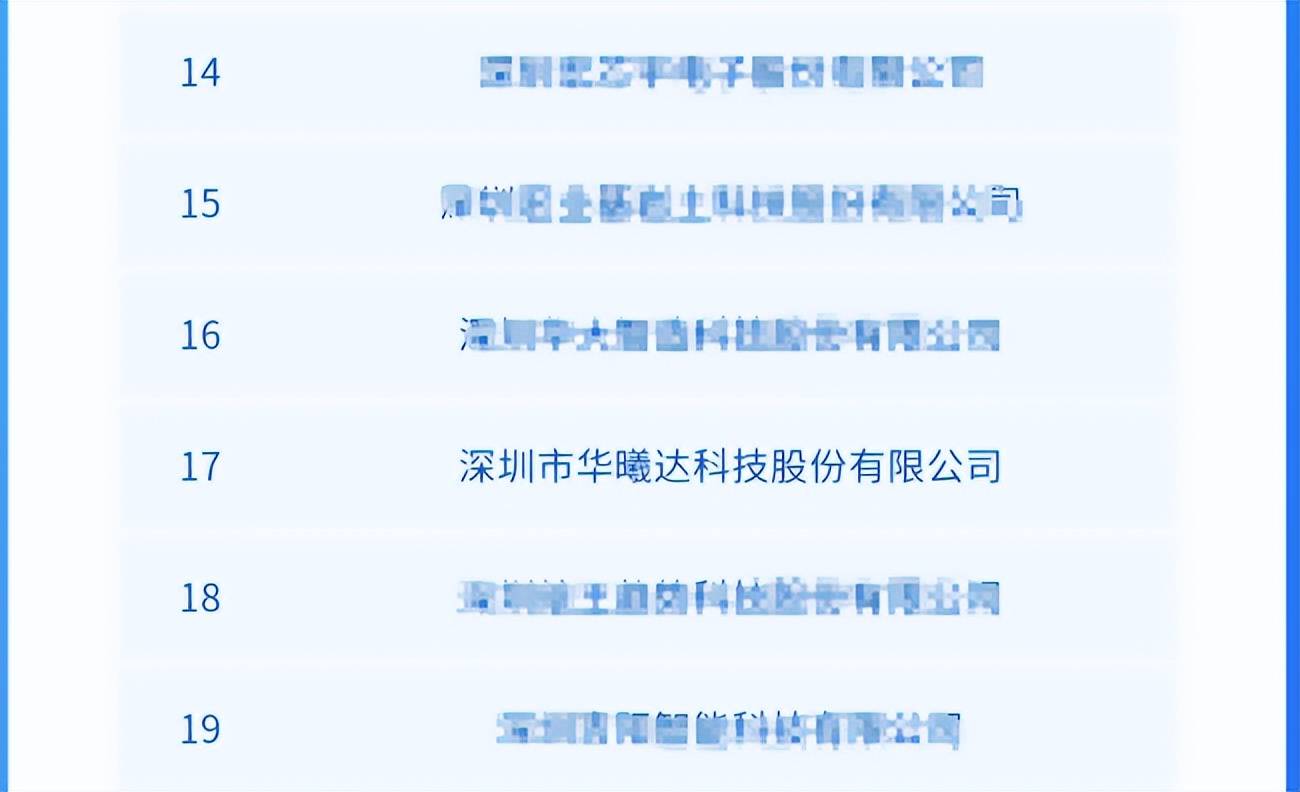
Group 1 - The "2025 Guangdong-Hong Kong-Macao Greater Bay Area Enterprise Innovation Power List" was officially released, recognizing Shenzhen Huaxida Technology Co., Ltd. for its achievements in AI and smart home innovation [1][3] - The list is an annual evaluation organized by several authoritative institutions, aimed at identifying and honoring outstanding enterprises and individuals in the Greater Bay Area that demonstrate significant contributions and growth potential through innovation [3] - Huaxida, established in 2003, is a leading global provider of AI Home solutions, with a business network covering over 80 countries and regions, serving more than 300 operators and retail brands [3][4] Group 2 - The company's core strategy revolves around "1+2+X," focusing on its self-developed AI home intelligence agent, Cedar, and leveraging smart connectivity and edge computing to create seamless smart home experiences [4] - Huaxida has built a comprehensive "cloud-edge-end" collaborative AI Home ecosystem, integrating advanced model technologies and covering five core scenarios: home entertainment, smart connectivity, health care, energy saving, and security [4] - The recognition from the "Innovation Achievement List" underscores Huaxida's commitment to independent innovation and its open industry ecosystem strategy, serving as a valuable example for other enterprises in the Greater Bay Area [4]
股市必读:视声智能(920976)1月20日主力资金净流出577.77万元,占总成交额17.24%
Sou Hu Cai Jing· 2026-01-20 18:53
Group 1 - The stock price of Vision Intelligence (920976) closed at 29.56 yuan on January 20, 2026, down by 0.91%, with a turnover rate of 2.58% and a trading volume of 11,400 shares, resulting in a transaction amount of 33.52 million yuan [1] - On January 20, the net outflow of main funds was 577.77 million yuan, accounting for 17.24% of the total transaction amount, while retail investors had a net inflow of 6.77 million yuan, representing 0.2% of the total transaction amount [1][3] Group 2 - Vision Intelligence announced on November 25, 2025, that it would adjust the amount of idle self-owned funds for cash management to no more than 200 million yuan, with a validity period of 12 months from the date of the shareholders' meeting [2] - As of the announcement date, the unexpired balance of idle self-owned funds for cash management was 101.99 million yuan, which is 37.96% of the audited net assets for 2024 [2] - The company has purchased 11.99 million yuan in government bond reverse repurchase products, with a term of 7 days and an expected annualized return of 1.535% [2][3]
乐歌股份召开2025年度工作会议 以多维布局推进全球化战略
Zheng Quan Ri Bao· 2026-01-20 13:36
Core Viewpoint - The company, Lekang Ergonomics Technology Co., Ltd., held a 2025 annual work meeting to discuss strategic initiatives in research and development, product innovation, marketing, and business model innovation for the upcoming year [2] Group 1: Strategic Focus - In 2025, the company aims to continue innovation in the smart home and smart office sectors, enhancing brand and channel capabilities while maintaining stable business operations [2] - The company plans to increase investments in overseas warehousing, fulfillment, and service systems to improve global delivery capabilities, operational efficiency, and service stability [2] Group 2: Technology and Product Development - The company emphasizes engineering capabilities and systematic innovation, investing in research and development to promote the integration of electromechanical systems and software [2] - Focus will be on user experience, product reliability, and system efficiency, optimizing product structure and enhancing overall solution capabilities [2] Group 3: Organizational Development - The company is committed to fostering an open and pragmatic organizational culture that emphasizes growth, providing clear career development paths and long-term growth platforms for employees [2] - There is a focus on attracting quality talent and building a cohesive development force to support the long-term strategic implementation of the company [2]

2026,拿捏“品牌出海营销”的三大趋势
3 6 Ke· 2026-01-20 09:57
Core Insights - The trend of Chinese brands going global is accelerating, with the top 100 overseas brands generating a total revenue of 11 trillion yuan, accounting for 24.08% of total revenue [1] - The marketing landscape for these brands is undergoing significant changes due to rising emotional demands, shifts in media communication, tariff-induced market risks, and intensified competition in overseas markets [1] - Brands are increasingly focusing on local resonance and deeper connections with consumers, moving from a sales-driven approach to more complex and nuanced marketing strategies [4][5] Group 1: Emotional Marketing and Local Resonance - The concept of "emotion" is becoming a key focus for brands in 2025, with significant revenue growth reported by brands like Labubu and Shanghai Kale's Pokémon card series [2] - Brands are recognizing the importance of local resonance to meet complex consumer demands, leading to a shift towards a healthier marketing ecosystem that emphasizes long-term strategic partnerships [5][6] Group 2: Partner Marketing and Collaboration - Brands are actively restructuring their partner matrices, with an average of three to four different types of partners, focusing on integrated multi-channel alliance strategies [7] - The loyalty and rewards platforms are among the most popular types of partners, indicating a trend towards enhancing customer lifetime value [7] Group 3: Impact of Tariffs and Market Adjustments - Tariff wars have forced companies to adjust their overseas market strategies, with a notable decline in exports to the U.S. and a shift towards emerging markets in the Middle East, Japan, South Korea, and Latin America [9] - Brands are required to implement deep localization strategies to effectively collaborate and find new opportunities in non-typical markets [10] Group 4: AI Integration in Marketing - 2025 marks a significant year for the integration of AI in brand marketing, with AI enhancing content production efficiency by five times and improving conversion rates by 30% [25] - Brands are increasingly utilizing AI tools for project management, personalized recommendations, and overcoming technical barriers in data tracking and analysis [28][31] Group 5: Content Creation and Influencer Marketing - The quality of content and creative expression is becoming paramount, with 59% of brands planning to allocate a significant portion of their partner marketing budget to content creators [15][18] - Influencer marketing is recognized as a key driver in video content production, allowing brands to adapt quickly to marketing trends without extensive internal resource investment [20] Group 6: Long-term Value and Customer Engagement - Brands are shifting their focus from short-term sales to high-value customer engagement, emphasizing the importance of understanding and optimizing marketing effectiveness [33]

石头科技港股上市迈关键步:9个月营收120亿,海外扩张下资金压力待解
Sou Hu Cai Jing· 2026-01-19 22:41
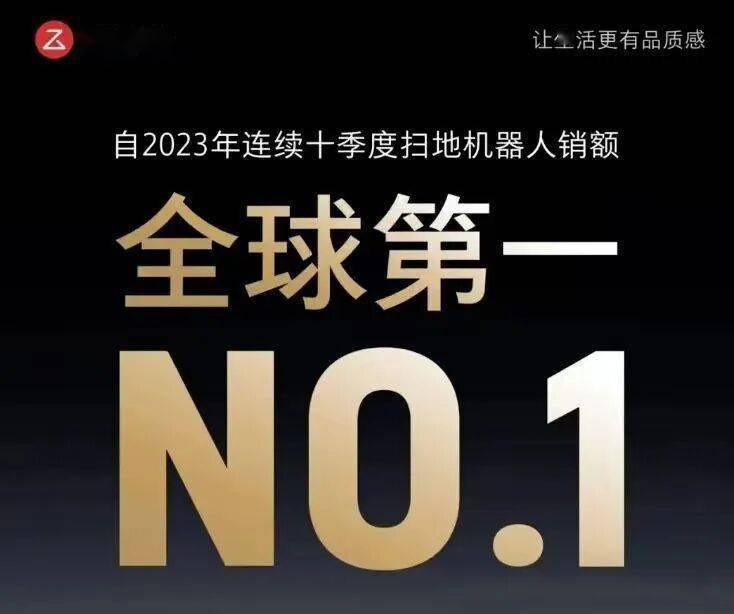
Core Viewpoint - Beijing Stone Technology Co., Ltd. has successfully completed the overseas issuance and listing filing process, planning to issue no more than 33.108 million overseas ordinary shares, targeting the Hong Kong Stock Exchange as part of its "A+H" dual listing strategy [1] Group 1: Company Overview - Stone Technology is a leader in the global robotic vacuum cleaner market, holding a 21.7% market share as of the first three quarters of 2025 [3] - The company has achieved significant overseas expansion, with a 40% market share on Amazon in the U.S., a 42% overall market share in Europe, and a 500% sales surge for a single product in Japan during the promotional season [3] - As of June 2025, Stone Technology has established a sales network covering 170 countries and regions, serving over 20 million households, with overseas revenue accounting for 53.6% of total revenue [3] Group 2: Financial Performance - For the reporting period, the company's operating revenue reached 4.163 billion, a year-on-year increase of 60.71%, while the total profit decreased by 4.91% to 371 million [4] - The net profit attributable to shareholders was 360 million, reflecting a 2.51% increase, but the net profit after deducting non-recurring gains and losses saw a 3.05% increase to 334 million [4] - The company reported a negative net cash flow from operating activities of -1.059 billion, marking a significant decline compared to the previous year [4] Group 3: Strategic Initiatives - The chairman stated that the overseas listing aims to establish an international capital platform to attract long-term international funds and optimize the shareholder structure [4] - The planned fundraising will focus on international market expansion, core technology research and development, and operational capital supplementation to align with the company's expansion needs [4] - Stone Technology is awaiting final approval from the Hong Kong Securities and Futures Commission and the Hong Kong Stock Exchange, with the specific listing time depending on market conditions [5]

咖啡机变聪明后,我连咖啡都喝不上了
3 6 Ke· 2026-01-19 00:17
Core Insights - The article highlights the disparity between expectations of AI capabilities and their actual performance, particularly in executing simple tasks like making coffee or controlling lights [1][5][11]. Group 1: AI Performance Issues - Users have expressed frustration with AI assistants like Alexa, which fail to execute basic commands reliably after upgrades, leading to a perception of decreased functionality [1][2][5]. - Traditional voice assistants operated on a template-matching basis, ensuring predictable outcomes, while newer AI models introduce randomness, resulting in inconsistent responses [7][8]. Group 2: Technical Challenges - The inherent randomness of large language models (LLMs) complicates their ability to perform tasks that require precision and repeatability, such as controlling smart home devices [7][9]. - Despite the potential for LLMs to understand complex commands better, they struggle with generating consistent system calls necessary for reliable device control [8][10]. Group 3: User Experience and Expectations - Users acknowledge that while the new AI systems can handle complex commands more effectively, they still face issues with basic functionalities [14][20]. - There is a growing consensus among users that the challenge lies not in the introduction of AI but in defining its boundaries and ensuring it complements existing reliable systems rather than replacing them [21][22].


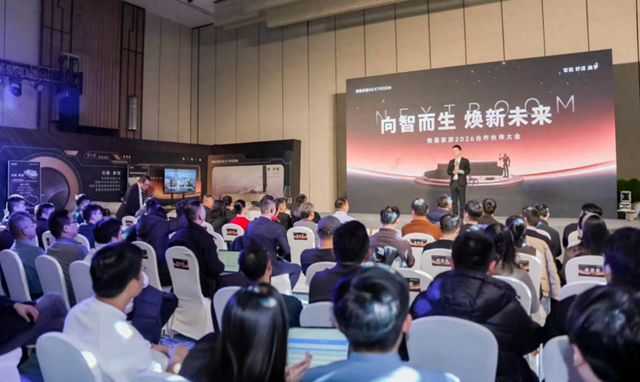
首度亮相放言要开2000家门店 焕星家居押注智能家居赛道
Xin Lang Cai Jing· 2026-01-18 15:18
Core Insights - The company, Huanxing Home, has launched its first smart home product lines, "Yunqi" and "Zhiqi," focusing on living spaces such as the living room, dining room, and bedroom [2] - Huanxing Home emphasizes that the value of smart furniture lies in its ability to adapt to the changing needs of family members over time, rather than just the number of features it offers [2][3] - The company plans to expand its global store network to approximately 2,000 locations by 2026 [2] Product Features - The "Yunqi" series products are designed to be compatible with existing home appliances, including robotic vacuum cleaners, and feature voice control, electric reclining, massage functions, and a high-legged design for better accessibility [2] - The company’s approach to technology is informed by expertise from industries such as smart appliances, luxury automobiles, and aerospace, focusing on comfort as a measurable and optimizable system [2] Strategic Partnerships and Investments - Huanxing Home has secured several million yuan in angel investment intentions from leading investment firms such as Yipuku Fund and Tiankong Workshop [3] - The company has established sales intentions worth approximately 300 million yuan with dozens of regional distributors and formed strategic partnerships with major industry players to promote "smart comfort" in real-life scenarios [3]