
生态旅游

Search documents
十五运最炫生态风
21世纪经济报道· 2025-11-17 11:45
Core Viewpoint - The article emphasizes the integration of ecological protection and economic development in Guangdong, highlighting the role of the Chinese white dolphin as a symbol of sustainable development and a measure of ecological health, which in turn contributes to economic growth [1][4][10]. Group 1: Ecological Protection and Economic Development - The Chinese white dolphin is referred to as "swimming GDP," indicating its significance in the local economy and ecological balance [1][6]. - Guangdong's sustainable development strategy incorporates ecological values into its economic framework, allowing for a harmonious coexistence of industry and nature [1][8]. - The establishment of the first marine carbon trading platform in Zhanjiang, with a projected carbon trading volume of 230 million yuan by 2025, exemplifies the economic benefits derived from ecological initiatives [7][8]. Group 2: Technological and Community Engagement - The implementation of a marine electronic fence and monitoring stations enhances the protection of the white dolphin population, showcasing a blend of technology and community involvement in conservation efforts [3][4]. - Local fishermen are transitioning from traditional fishing to eco-tourism, significantly increasing their income, with some boats receiving over 10,000 visitors during peak seasons [6][7]. Group 3: Infrastructure Development and Environmental Considerations - During the construction of the Hong Kong-Zhuhai-Macao Bridge, a 15% increase in costs was accepted to minimize disruption to the dolphin population, resulting in an increase in their numbers during the project [4][8]. - The shift towards eco-friendly practices in industries, such as the use of probiotics in shrimp farming, demonstrates a commitment to sustainable practices that yield economic returns [8]. Group 4: Cultural and Global Impact - The white dolphin has become a cultural icon, with its representation in various media and merchandise, enhancing public awareness of ecological issues [9][10]. - International collaborations, such as the documentary "The Sea Panda," have showcased Guangdong's ecological efforts globally, attracting high-end partnerships and investments [10].


广西构建大健康品牌矩阵
Jing Ji Ri Bao· 2025-11-16 22:10
Core Insights - Guangxi is promoting the development of new industries such as retirement tourism, ecological tourism, forest health care, and ecological sports, aiming to integrate the "agriculture, culture, tourism, sports, and health" industries [1][2] - The region has established a health brand matrix and is exploring a unique "Two Mountains" transformation model, with significant progress in cultivating the health industry as a strategic pillar [1] - By 2024, Guangxi aims to have 1,866 green, organic, and geographical indication agricultural products, with the "Gui" brand agricultural output value exceeding 1,600 billion yuan [1] - The comprehensive income from forest health care and ecological tourism is expected to surpass 2,300 billion yuan, with over 3.8 million elderly individuals visiting Guangxi for retirement tourism annually [1] Action Plan - The "Three-Year Action Plan for Ecological Environment and Health Brand Construction (2025-2027)" outlines 21 specific tasks to enhance brand development [2] - The plan emphasizes differentiated cultivation paths for various brand series, leveraging Guangxi's ecological advantages [2] - It includes measures to improve brand quality, such as standardizing brand development and integrating local cultural elements [2] - The plan also aims to expand brand influence through a comprehensive promotional network and enhance internal and external collaboration [2]
湖北安陆千年银杏林换“金装”
Zhong Guo Xin Wen Wang· 2025-11-16 05:08
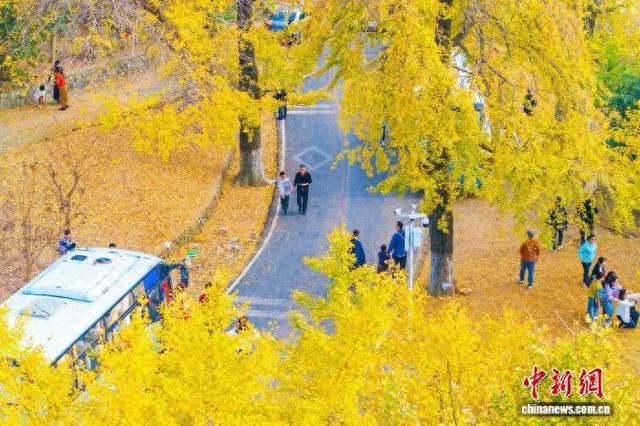
11月15日,走进湖北省安陆市钱冲古银杏生态旅游区,成片的银杏树金黄璀璨。光线透过层层叠叠的枝 叶洒落,投下斑驳光影。钱冲村素有"中国最美银杏村落"之称,这里保存着华中地区最集中、最完整的 古银杏群落。图为钱冲古银杏生态旅游区游人如织。(无人机照片)张倩龙 摄 在银杏树下玩耍。张倩龙 摄 古银杏生态旅游区,游人在树下玩耍。张倩龙 摄 图为钱冲古银杏生态旅游区。陈罡 摄 图为成片 的银杏树金黄璀璨。张倩龙 摄 古银杏生态旅游区。陈罡 摄 图为钱冲 图为成片的银杏树金黄璀璨。(无人机照片)张倩龙 摄 在银杏树下拍照留念。张倩龙 摄 图为游客 图为游客 图为钱冲 ...
2024-2025年度山东省生态旅游发展典型案例名单发布
Da Zhong Ri Bao· 2025-11-16 01:14
Core Viewpoint - The "Ecological Shandong Green Leisure" 2025 ecological tourism promotion event highlights the integration of ecological advantages and tourism development in Shandong Province, showcasing successful case studies and new tourism products aimed at promoting sustainable practices and rural revitalization [1][2] Group 1: Event Overview - The event was co-hosted by the Provincial Culture and Tourism Department and the Provincial Ecological Environment Department in Laiwu District, Jinan [1] - A list of 25 typical cases for ecological tourism development in Shandong for 2024-2025 was announced, featuring locations like the Hongye Valley Ecological Cultural Tourism Area and the Dongying Hongtan Wetland Tourism Area [1] Group 2: Themes and Products - The event introduced four major themes for 2025: "Ecology + Sports" with 36 tourism scenes, "Ecology + Research" with 22 ecological research tourism products, and winter tourism products under themes like "Mountain and Sea Winter Appreciation" and "Ecological Exploration" [1] - The ecological tourism products are designed to be engaging and experiential, reflecting the concept of harmonious coexistence between humans and nature [1] Group 3: Ongoing Initiatives - The Provincial Culture and Tourism Department and the Provincial Ecological Environment Department have conducted the ecological tourism experience season for four consecutive years, with nearly 100 themed activities planned for 2025 [2] - Over 400 "Ecology + Sports" tourism scenes and nearly 300 "Ecology + Research" tourism products are set to be launched across the province [2]
张家口筑牢生态屏障开启产业新程
Bei Jing Ri Bao Ke Hu Duan· 2025-11-15 20:49
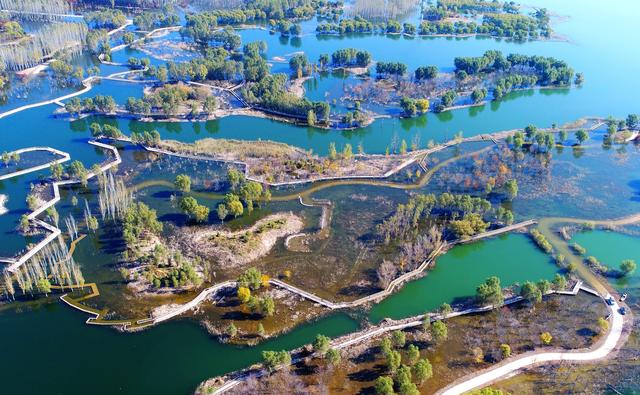
Core Viewpoint - Zhangjiakou is focusing on ecological restoration and sustainable development, aiming to enhance water conservation, increase green coverage, and promote industrial transformation during the 14th Five-Year Plan period [2][3]. Group 1: Water Conservation - Zhangjiakou has implemented measures to enhance water security, focusing on the Yongding River and Chaobai River basins, with strategies including "storage, protection, conservation, and increase" [3]. - The city has constructed 991,500 acres of high-standard farmland and implemented efficient irrigation on 335,800 acres, leading to a reduction of irrigated land by 521,400 acres and a decrease in groundwater over-extraction by 50 million cubic meters [3][4]. - Satellite monitoring shows that the water area of Chahan'er has increased from 12.2 square kilometers in 2021 to 74.8 square kilometers by 2025, with a 100% compliance rate for drinking water source quality [4]. Group 2: Green Coverage - Zhangjiakou has initiated four major actions: "blue sky, clear water, increased greenery, and clean soil," significantly enhancing the city's ecological environment [5]. - The city has planted 6.035 million acres of trees and restored 2.11 million acres of grassland since 2021, with the Konbanor National Wetland Park becoming the largest breeding ground for the rare black stork [5][6]. - The average PM2.5 concentration in Zhangjiakou has ranked first in the Beijing-Tianjin-Hebei region for four consecutive years, indicating successful air quality management [5]. Group 3: Industrial Transformation - Zhangxuan Technology has developed hydrogen metallurgy technology, improving resource recycling efficiency in the steel industry [6]. - The ecological foundation of Chahan'er Wetland is being leveraged to create eco-tourism attractions, receiving over 500,000 visitors annually and generating tourism revenue exceeding 50 million yuan [6]. - The transformation of abandoned mines into eco-friendly sites has led to new business opportunities in camping, vacationing, and ecological education, contributing to the region's economic growth [6].

护水源、增绿量、促转型……张家口创新推进首都“两区”建设
Bei Jing Ri Bao Ke Hu Duan· 2025-11-15 11:59
Core Viewpoint - Zhangjiakou is focusing on ecological restoration and sustainable development, aiming to enhance water conservation, increase green coverage, and promote industrial transformation during the 14th Five-Year Plan period [2][3][5][7]. Water Conservation - Zhangjiakou has implemented a four-pronged approach ("storage, protection, conservation, and increase") to strengthen water source security, particularly in the Yongding River and Chaobai River basins [3]. - The city has constructed 991,500 acres of high-standard farmland and implemented efficient water-saving irrigation on 335,800 acres, leading to a reduction of irrigated land by 521,400 acres [3]. - By 2025, an additional 80,000 acres will be retired from irrigation, and groundwater over-extraction will be reduced by 50 million cubic meters [3]. - Ecological restoration efforts have resulted in a significant increase in the water area of Chahan Noer from 12.2 square kilometers in 2021 to 74.8 square kilometers by 2025 [3]. Green Coverage - Zhangjiakou has initiated four major actions focused on "blue sky, clear water, increased greenery, and clean soil," leading to substantial ecological improvements [5]. - The city has planted 6.035 million acres of trees and restored 2.11 million acres of grassland since 2021, significantly enhancing the ecological landscape [5]. - The PM2.5 average concentration in Zhangjiakou has ranked first in the Beijing-Tianjin-Hebei region for four consecutive years, indicating improved air quality [5]. Industrial Transformation - Zhangxuan Technology is utilizing "hydrogen-based reduction" and "precise melting separation" technologies to enhance resource recycling efficiency in the steel industry [7]. - The ecological foundation of Chahan Noer Wetland is being leveraged to develop eco-tourism, attracting over 500,000 visitors annually and generating tourism revenue exceeding 50 million yuan [7]. - The transformation of abandoned mines into eco-friendly tourist destinations is creating new business opportunities, including camping and ecological education [7].
浙皖闽赣四省在入境游等方面达成多项合作协议
Zhong Guo Xin Wen Wang· 2025-11-15 06:51
Core Points - The four provinces of Zhejiang, Anhui, Fujian, and Jiangxi have reached multiple cooperation agreements in inbound tourism and other areas, aiming to enhance transportation connectivity, visa facilitation, and multilingual service upgrades [1][2] - The 2025 collaboration initiative aims to create a "world-class ecological and cultural tourism destination" by integrating the protection of natural resources and promoting unique cultural tourism products [1] - The "Walking Ancient Roads" initiative was launched to leverage the advantages of the world heritage clusters in the four provinces, promoting regional branding and tourism [2] Summary by Sections Cooperation Agreements - The four provinces have signed agreements to promote inbound tourism, focusing on transportation connectivity, visa facilitation, and multilingual service upgrades [1] - The collaboration involves 19 cities and 123 counties, covering a total area of 226,000 square kilometers [1] Ecological and Cultural Tourism - The collaboration zone is recognized as one of the most favorable regions for ecological protection and tourism economic development in China [1] - The "Yixian Declaration" outlines the commitment to an integrated protection mechanism for the region's ecological integrity and uniqueness [1] Regional Branding and Initiatives - The "Walking Ancient Roads" initiative aims to promote cultural tourism by utilizing the historical trade routes and heritage sites in the region [2] - The provinces plan to jointly develop distinctive cultural tourism products targeting international markets [1][2]
山东探索生态与发展双赢新路径 变“生态包袱”为“绿色财富”
Zhong Guo Xin Wen Wang· 2025-11-14 13:06
Core Insights - Shandong province is exploring a new path for achieving a win-win situation between ecology and development, transforming "ecological burdens" into "green wealth" [1][3] Group 1: Ecological Restoration and Economic Development - The city of Jiyue County has successfully transformed coal mining subsidence areas into wetland parks, restoring 26,000 acres of subsided land and 5,000 acres of abandoned mines, creating six cultural tourism sites and twelve green agricultural bases, which have provided employment for 12,000 farmers [1][3] - The "ecological governance + industrial development" dual-drive approach has allowed Jiyue County to turn ecological scars into a green engine for local development [1][3] Group 2: Agricultural Waste Utilization - In Juancheng County, the "take from the field, benefit the farmers" model has been implemented, converting agricultural waste into industrial resources, which has directly increased farmers' income from straw sales and created over 200 jobs [3][4] - The utilization of straw as biomass fuel in Laiwu District has significantly reduced greenhouse gas emissions compared to coal, with 90% of corn straw being repurposed for various uses, effectively addressing the issue of open burning [4] Group 3: Cultural and Ecotourism Development - The enhancement of urban river landscapes in Zibo City has integrated cultural elements, leading to improved ecological environments that attract wildlife and boost the local tourism industry, with over one million annual visitors to parks [5]

上海金山“生态产业”范本:引领长三角绿色发展新潮流
Guo Ji Jin Rong Bao· 2025-11-14 08:34
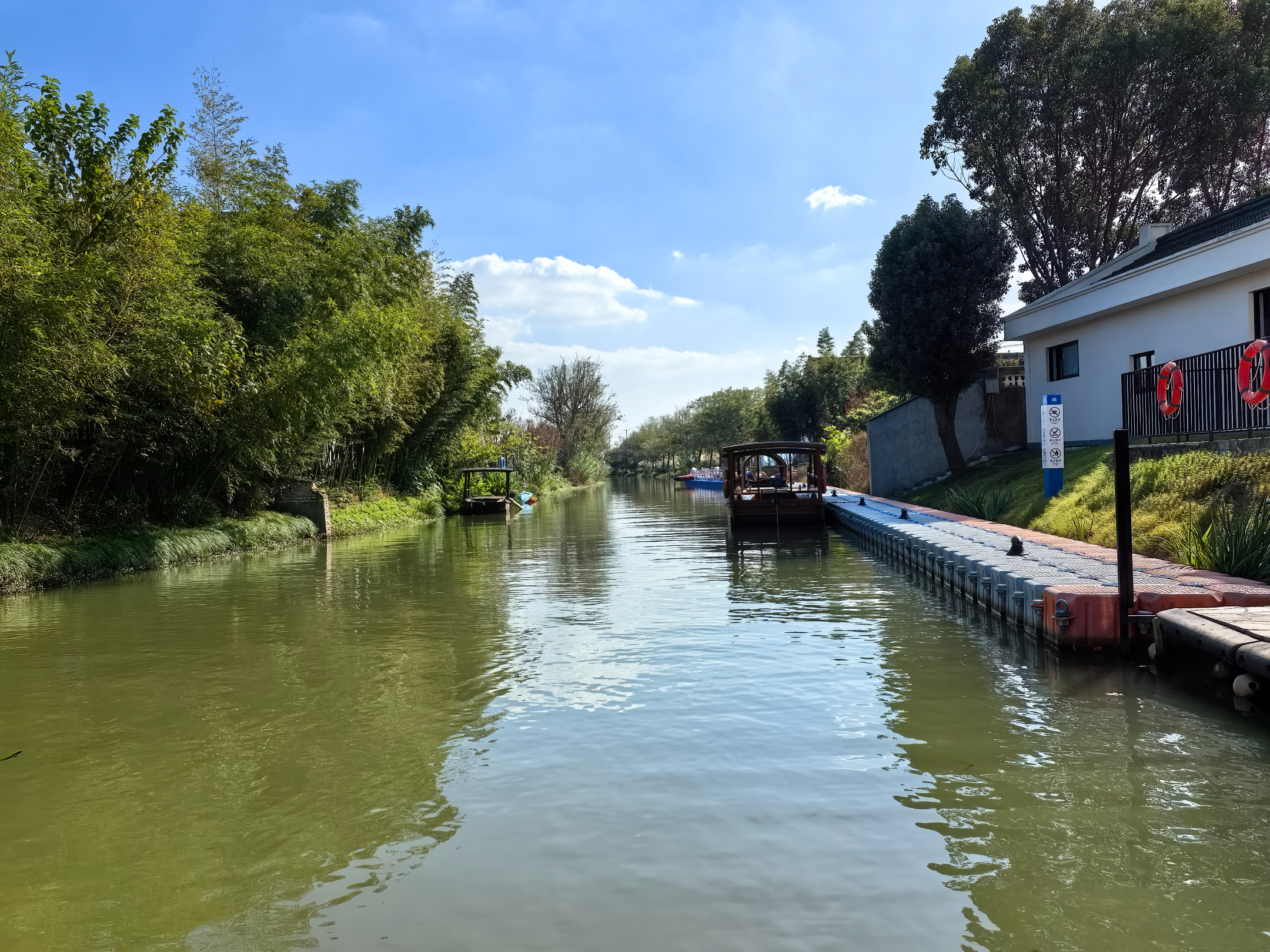
Core Viewpoint - The article highlights the dual empowerment of ecological beauty and industrial strength in Jinshan District, Shanghai, showcasing its transformation into a model for green development in the Yangtze River Delta region [1]. Group 1: Ecological Transformation - The transformation of Shuiku Village from a "weak village" to a national 4A-level tourist attraction exemplifies the successful implementation of rural revitalization strategies in Jinshan [2]. - Shuiku Village, covering an area of 3.66 square kilometers, has undergone significant ecological restoration, achieving a water quality standard of Class III, with water surface area reaching nearly 40% [6]. - The village has received multiple accolades, including "Most Beloved Countryside in Shanghai" and "National Civilized Village," reflecting its successful integration of tourism and ecological preservation [12]. Group 2: Industrial Development - The Carbon Valley Green Bay Industrial Park has evolved from a supporting area to a demonstration zone for industrial upgrading, covering an area of 8.58 square kilometers and strategically located within the Yangtze River Delta [13]. - The park has attracted 151 operational enterprises, including 14 multinational companies and 67 high-tech enterprises, establishing a modern industrial system focused on energy conservation, green materials, and biomedicine [13][18]. - Companies like Shanghai Gantian Optical Materials Co., Ltd. and Zhongtian Kesheng Technology Co., Ltd. exemplify successful transitions to innovative, technology-driven enterprises, contributing to the park's reputation as a hub for green development [18][21]. Group 3: Future Development Plans - The Carbon Valley Green Bay Industrial Park aims to continue its focus on innovation and green development, targeting the introduction of "unicorn," "specialized, refined, and innovative," and "invisible champion" enterprises during the 14th Five-Year Plan period [22]. - The district's commitment to balancing ecological protection with economic development positions it as a key player in the collaborative growth of the Yangtze River Delta region [22].
广东省持续发力打造人与自然和谐共生的绿美样板
Zhong Guo Fa Zhan Wang· 2025-11-10 09:17
Core Viewpoint - Guangdong Province is accelerating the comprehensive green transformation of economic and social development, aiming to build a beautiful China through ecological construction and sustainable practices [1] Group 1: Ecological Construction Initiatives - Guangdong has implemented six major actions for ecological construction, including precise enhancement of forest quality and urban-rural greening, leading to a stable increase in forest resources [2][9] - The province's forest area has surpassed 14 million acres, with significant achievements in forest optimization and nurturing, including 6.3 million acres of forest improvement completed in 2023 [2][9] - The province is home to 1,052 species of terrestrial vertebrates and 6,658 species of higher plants, making it one of the richest provinces in biodiversity in China [2][10] Group 2: Economic Development through Forestry - The oil tea industry is projected to stabilize at over 3.5 million acres by 2025, with an expected production capacity of 60,000 tons of tea oil and a total output value exceeding 10 billion yuan [4] - The total output value of Guangdong's forestry industry has surpassed 940 billion yuan, with the development of under-forest economies covering over 32 million acres [4][10] - The province is exploring new business models integrating forestry with tourism and health, promoting innovative development across the forestry sector [6] Group 3: Community Engagement and Participation - Over 411 million participants have engaged in various tree planting activities through the "Internet + Volunteer Tree Planting" initiative, showcasing strong community involvement in ecological efforts [2][10] - The establishment of green beautification projects in rural areas has led to significant improvements in living environments, with over 43 million trees planted in towns and villages [3][9] Group 4: Policy and Institutional Reforms - The implementation of the collective forest rights system reform aims to clarify ownership and enhance the value realization of forestry ecological products, with a focus on sustainable management [5][6] - The province is advancing integrated reforms in ecological construction, with pilot projects in various cities and counties to enhance the effectiveness of green initiatives [9]