茶叶

Search documents
激活县域经济高质量发展新动能
Shan Xi Ri Bao· 2026-01-07 00:51
Core Viewpoint - The development of county economies in Shaanxi is a strategic approach to reduce urban-rural disparities and enhance regional economic quality, with a target county economic total of 1.68 trillion yuan by 2024 [1] Group 1: County Economic Development - Shaanxi has implemented targeted policies for high-quality county economic development, including "double ten measures" and tailored strategies for each county [1] - By 2024, the average county economic output is expected to exceed 20 billion yuan, with 27 counties achieving a GDP over 20 billion yuan [1] - The provincial government emphasizes the importance of new urbanization and rural revitalization, aiming to create a county economic system centered around county towns and small towns [1] Group 2: Cultural and Tourism Integration - Blue Tian County has successfully integrated cultural heritage with tourism, creating a unique cultural tourism experience that attracts visitors [2] - The county leverages its rich cultural background to develop a comprehensive tourism model that includes technology and industry [2] - The "14th Five-Year Plan" encourages the development of distinctive county economies, guiding high-quality economic growth [2] Group 3: Industry Specialization - Counties are focusing on specialized industries based on their resource advantages, with metal magnesium production and agricultural products leading the way [4] - For example, Fugu County is the largest global producer of metal magnesium, while Dali County's winter jujube production has surpassed 700,000 tons [4] - Counties are enhancing their industrial chains and value chains to find unique development paths [4] Group 4: Green Development - Shaanxi prioritizes ecological and green development, with initiatives like the integration of money oranges and selenium-rich tea to boost local economies [5] - The province aims for a green, low-carbon transformation in economic development, promoting a cycle where ecological benefits support economic growth [5] - Ankang City exemplifies this approach, with over 73% of its industrial output coming from green industries [6] Group 5: Enhancing Public Welfare - The county economy serves as a crucial link between urban and rural areas, focusing on improving the quality of life for residents [7] - Shaanxi has invested significantly in urbanization and public services, enhancing the living standards and infrastructure in counties [7] - Initiatives include vocational training for over 2.34 million people and the construction of over 6,000 educational institutions [8] Group 6: Future Outlook - Looking ahead to the "15th Five-Year Plan," Shaanxi aims to continue expanding county economies and improving public service equality [9]
稳中求进 向高质量发展迈进——省委经济工作会议侧记
Si Chuan Ri Bao· 2026-01-06 11:09
会场外,年内最强寒潮汹涌而至;会场内,干事创业激情勃发。 2019年不同寻常:是新中国成立70周年,是深入学习贯彻习近平新时代中国特色社会主义思想和党 的十九大精神的重要一年,是决胜全面建成小康社会的关键之年,是全面贯彻省委十一届三次全会部署 的落实之年。 2019年,目标清晰可见:为全面建成小康社会收官打下决定性基础,以优异成绩庆祝中华人民共和 国成立70周年。 一种态势异常明朗 面对错综复杂的内外环境,四川经济保持总体稳定,稳中有进。这既是四川经济发展当下之"态", 也是有望继续保持之"势";既是过去努力工作之"果",也是支撑未来发展之"因" "震中最大破坏烈度达7级,没有人死亡,也几乎没有房屋倒塌。" 会议中,10多天前发生在宜宾市兴文县的5.7级地震被提及。其传递的信息是,经过多年发展,当 地抵抗自然风险的能力大大提升。 2018年12月27日,成都,金牛宾馆。 一天前,四川省学习贯彻习近平总书记在庆祝改革开放40周年大会上的重要讲话精神座谈会刚刚举 行。奋进新时代,把握新机遇,迎接新挑战,砥砺新征程——四川宣示:以永不懈怠的精神状态和一往 无前的奋斗精神,斩关夺隘、攻坚克难,奋力书写四川改革开放的时 ...
2025茶叶品牌塑造创新模式分析报告
Sou Hu Cai Jing· 2026-01-05 08:15
消费者变迁驱动品牌革新 研究显示,当前茶叶市场正经历深刻的结构性变化。消费主力呈现年轻化趋势,Z世代成为增长新引擎,女性消费者决策权提 升。消费动机从传统的"养生保健"转向"情绪管理"与"身份表达",饮茶行为日益场景化、碎片化与社交化。消费者不仅关注茶叶 的功能成分,更看重其带来的情绪价值、审美体验与文化共鸣。这要求品牌必须告别单一的产品思维,转向与用户建立情感连 接与价值认同。 "六力模型"引领系统化创新 为破解品牌发展瓶颈,报告原创性提出了"茶叶品牌创新六力模型",为行业提供了系统性的诊断与建设工具。该模型涵盖六大 核心维度: 1. 品牌产品力:超越原料本身,聚焦功能价值、形态创新与审美表达,开发适配多元场景与健康需求的产品。 今天分享的是:2025茶叶品牌塑造创新模式分析报告 报告共计:244页 中国茶叶品牌迎来创新变革:六大维度破解"大而不强"困境 近日,一份由中国农业国际合作促进会茶产业分会与中国人民大学现代广告研究中心联合发布的《2025茶叶品牌塑造创新模式 分析报告》,为中国茶产业的高质量发展提供了全新蓝图。报告指出,中国虽为世界第一产茶与消费大国,但长期以来面临"有 品类无品牌"、附加值低、国 ...

“四川扶贫”产品最大规模省内省外线上线下联展
Si Chuan Ri Bao· 2026-01-04 07:05
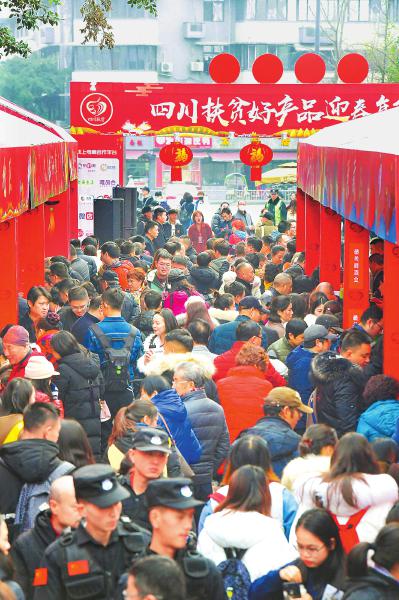
Core Viewpoint - The "Sichuan Poverty Alleviation" Spring Festival Goods Fair is a new attempt to integrate poverty alleviation products with New Year shopping, leveraging the peak consumption season of New Year's Day and Spring Festival to promote consumption-based poverty alleviation [1][6]. Group 1: Event Overview - The main venue is located at East Square of Kuanzhai Alley in Chengdu, running from December 31, 2019, to January 5, 2020 [2]. - The event features over 400 exhibitors and more than 1,500 products, lasting for six days, with additional venues set up in major cities including Beijing, Guangzhou, Shenzhen, and others [3]. - Online sales are conducted through platforms such as Kuaishou, Taobao, JD.com, and Suning, marking the largest scale of online and offline joint exhibitions for "Sichuan Poverty Alleviation" products [3]. Group 2: Sales Performance - Sales of products like cured meats from Liangshan Yi Autonomous Prefecture are exceptionally high, with over 100 kilograms sold within the first hour, prompting urgent restocking [4]. - High County's local hot pot products and fresh oranges from Leibo County also see significant sales, with one vendor reporting the sale of over 10 tables of hot pot in a single afternoon [5]. - Local consumers express satisfaction with the affordability and quality of products, with one shopper spending over 500 yuan on various items, indicating strong demand [6]. Group 3: Innovation and Impact - The event also features an "Innovative Poverty Alleviation Product Sales System Achievement Exhibition," showcasing successful experiences and practices in the sales of poverty alleviation products from various perspectives [7]. - Cumulatively, from January to November 2019, the total sales of "Sichuan Poverty Alleviation" products reached 159.2 billion yuan, highlighting the effectiveness of the initiative [7].

两岸标准共通有了法治保障
Jing Ji Ri Bao· 2026-01-03 22:04
Core Viewpoint - The implementation of the "Fujian Province Promotion of Cross-Strait Standard Commonality Regulations" marks a significant step in formalizing the cross-strait standard commonality efforts, transitioning from pilot exploration to a legally supported framework for deeper integration [1][2]. Group 1: Legislative Framework - The new regulations emphasize "commonality" and "unity," establishing a legal basis for cross-strait standard commonality, which is essential for creating a "common market" between the two regions [1][2]. - The regulations introduce innovative mechanisms such as "four common" (joint selection, comparison, development, and use of common standards) and "three adoptions" (adopting advanced standards from Taiwan, adopting Fujian's advanced standards in Taiwan, and jointly developing standards in blank areas) [2][3]. Group 2: Industry Impact - The standard commonality initiative has already led to significant economic benefits, with the introduction of common standards in various industries, such as the incense and textile sectors, resulting in sales growth of several billion yuan within a year [2][3]. - The implementation of five series of standards for "Taiwan-style Oolong tea" has led to a 115% increase in production and a 112% increase in output value in the following year [5]. Group 3: Social Integration - The regulations facilitate the participation of Taiwanese individuals and organizations in the standard-setting process, promoting equal treatment and fostering collaboration between cross-strait experts and local communities [3][7]. - The establishment of a standardization cooperation mechanism between communities in Fujian and Taiwan aims to enhance grassroots governance and social integration, exemplified by the implementation of the "Cross-Strait Common Community Volunteer Service Regulations" [7][8]. Group 4: Future Directions - The Fujian Provincial Market Supervision Administration plans to expand standard commonality initiatives into sectors such as agricultural products, cultural tourism, and new energy, aiming to further integrate standards and drive innovation [6][8]. - The development of a "Cross-Strait Standard Commonality Service Platform" in Xiamen aims to provide comprehensive standardization services, enhancing collaboration across various sectors [8].
水城春茶:新年首日抢鲜开摘 献上第一缕春意
Xin Lang Cai Jing· 2026-01-02 08:10
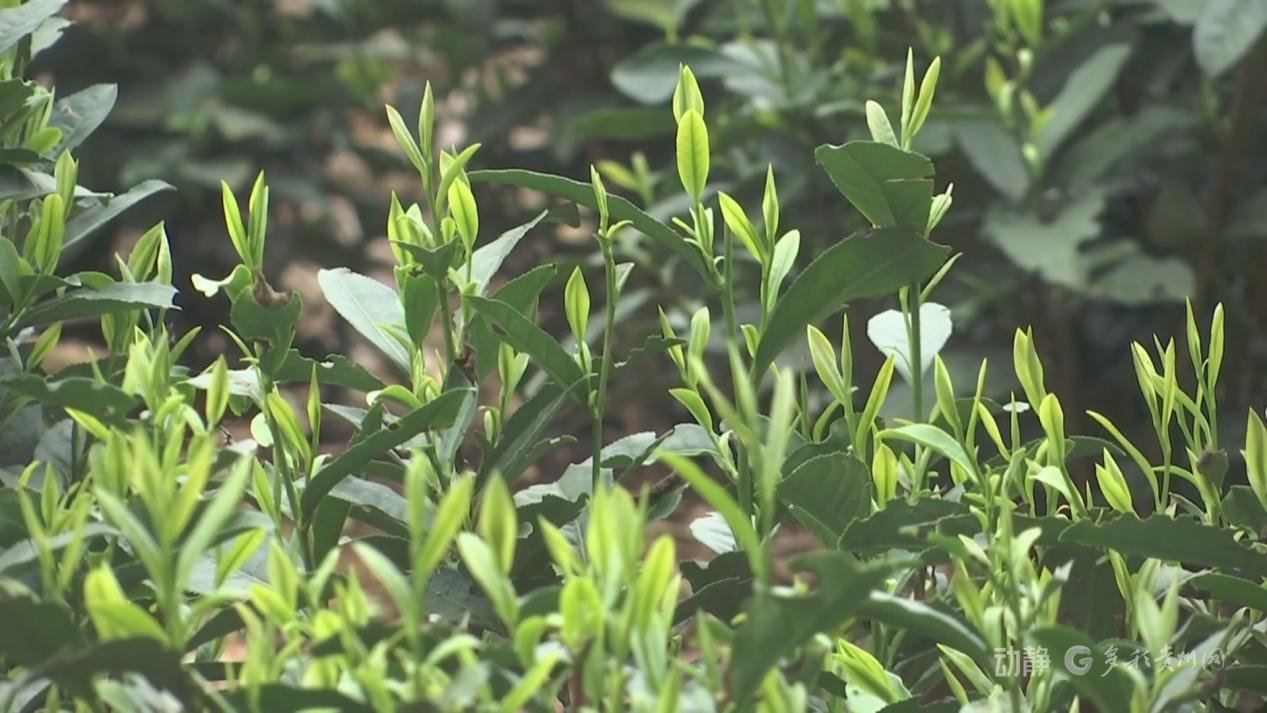
据杨梅乡茶园负责人顾泽八介绍,水城区地处北纬26-27度黄金产茶带,海拔超1400米,兼具低纬度、高海拔、寡日照、多云雾的独特条件。立体气候使茶 树早萌芽,并促进氨基酸和有机硒积累,造就茶叶鲜爽回甘、香气浓郁的特质。 新年的钟声余音未散,六盘水市水城区的茶园已春意盎然。2026年1月1日,水城春早茶已率先开采,为茶客送上第一份"春天的礼物"。 茶园里,茶树郁郁葱葱,嫩芽勃发,清香四溢。采茶工人穿梭其间,熟练采摘鲜嫩芽头。作为国家地理标志产品,水城春茶凭借"高山云雾出好茶"的自然优 势,每年比其他产区早采20天左右。 六盘水融媒 水城融媒 张 浩 陈应花 记者:张 静 一审:王 琰 二审:李柏杉 三审:罗 阳 水城区杨梅乡水城春生态茶园负责人顾泽八 近年来,水城区依托资源优势大力发展茶产业,累计发展茶园8.6万亩,覆盖农户1.2万余户。2025年全区茶青下树8320吨,加工干茶1850吨,综合产值达4.8 亿元,成为乡村振兴的重要支柱。 ...
“贵州绿茶”新年第一采普安开采
Xin Lang Cai Jing· 2026-01-01 22:55
Group 1 - The national early tea conference and the first picking event of "Guizhou Green Tea" in 2026 were held in Qianxinan Prefecture, highlighting the theme "China's First Picking・Qian's Early Tea Aroma" [1] - Guizhou is recognized as a major high-quality green tea production area due to its unique ecological environment and climate, allowing early tea picking approximately 20 days ahead of other regions in China [1] - The event saw the unveiling of a major tea export base in Puan County, with over 80,000 acres of registered tea gardens facilitating tea exports [1] Group 2 - The Guizhou tea industry has become a pillar of rural economic development, with 183,000 acres of tea gardens in Puan County benefiting over 70,000 people, resulting in an average annual income increase of over 17,000 yuan per household [2] - The value of Shiqian's early tea series products has exceeded 800 million yuan, benefiting 30,000 tea farmers, while Anlong County's tea production reached 1,146 tons with a value of 270 million yuan, covering over 5,000 tea farmers [2] - In 2026, Guizhou aims to transition from a "large tea province" to a "strong tea province," focusing on quality and promoting the "clean Qian tea" reputation while enhancing brand development [2]
(乡村行·看振兴)福建宁德老区村蝶变:“红”为底色,“绿”促发展
Xin Lang Cai Jing· 2026-01-01 10:31
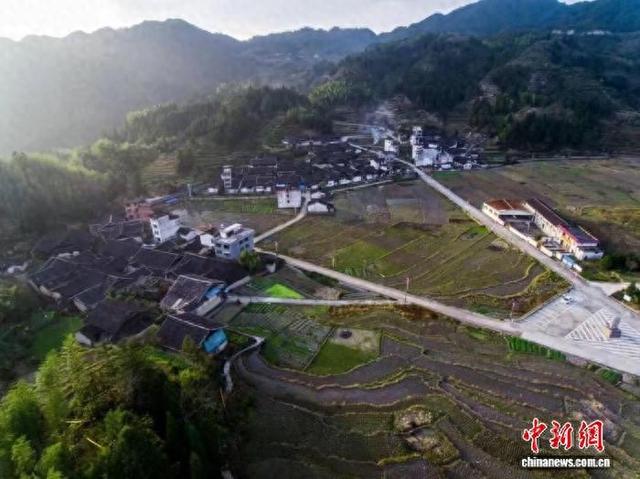
Core Viewpoint - Huanxi Village in Fujian Province is transforming its economy through a combination of red tourism and green development, focusing on educational experiences related to its revolutionary history and enhancing its natural attractions [3][6]. Group 1: Red Tourism Development - Huanxi Village is leveraging its rich revolutionary history, including sites associated with notable figures like Cu Yu and Ye Fei, to attract visitors and promote educational tourism [2][3]. - The village has developed a systematic approach to utilize its red resources by creating study programs that convert revolutionary stories into educational courses, making the red base a central attraction [3][6]. Group 2: Green Development Initiatives - The village has invested 1.5 million yuan to build forest trails and camping sites, enhancing the landscape with features like a lotus pond and cherry blossom forest [3][6]. - Huanxi Village is adopting an "ecology + research study" model for rural revitalization, creating a development pattern that combines red tourism with green initiatives [6]. Group 3: Economic Impact and Community Engagement - In 2024, Huanxi Village is expected to receive 100,000 visitors, including over 5,000 students for educational programs, contributing an additional 300,000 yuan to village finances and increasing per capita income by over 8,000 yuan [6]. - The rise of red tourism has encouraged new farmers to return and start businesses, such as the "Huanxi Red" tea factory, which has positively impacted local tea farmers [6].
美股异动 | 闽东红(ORIS.US)大涨逾25% 拟收购Hubei Daguan Tea Industry Group控股权
智通财经网· 2025-12-31 16:00
Group 1 - The core point of the article is that Mindonghong (ORIS.US) experienced a significant increase of over 25%, reaching $1.53, following the announcement of a non-binding letter of intent to acquire a controlling stake in Hubei Daguan Tea Industry Group [1] - The acquisition aims to strengthen upstream supply control and optimize the product mix for Mindonghong [1] - Mindonghong Group is engaged in the cultivation, processing, and refining of white and black tea in Fujian Province, China, selling tea to distributors and end consumers [1] Group 2 - The primary processed white tea is identified as the core product of Mindonghong [1]
从上市暴涨86%到暴跌70%,是资本无情,还是“故事”难续?
Sou Hu Cai Jing· 2025-12-31 07:22
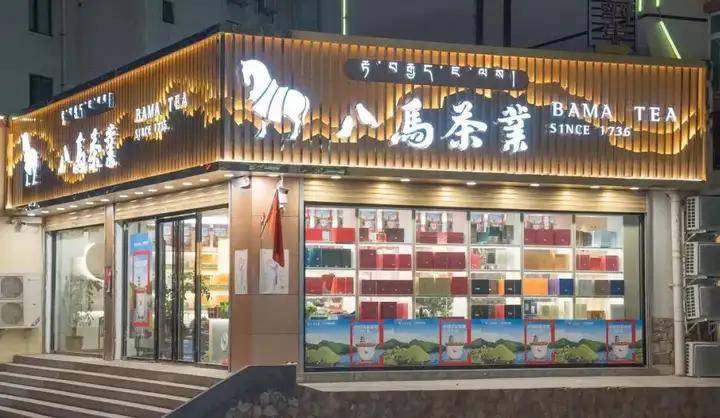
Group 1 - Baima Tea Industry, known as the first high-end Chinese tea stock, was listed on the Hong Kong Stock Exchange on October 28, 2025, with an initial stock price surge of 86.7%, reaching a market value close to HK$ 8 billion [1][3] - However, the stock price quickly fell, losing 70% of its market value within two months, highlighting the market's skepticism towards the high-end Chinese tea business model represented by Baima Tea [1][3] - The company has faced challenges in its performance, with revenue growth slowing down significantly from 16.72% in 2023 to just 0.99% in 2024, and a decline in revenue of 4.42% in the first half of 2025 [7][8] Group 2 - Baima Tea has experienced a significant loss of franchisees, with over 300 franchisees leaving since 2022, which poses a substantial threat to its business model that heavily relies on franchising [10] - The changing consumer preferences have shifted from high-end gifting to a focus on the taste and experience of tea, which Baima Tea has struggled to adapt to despite attempts to launch a younger sub-brand [11][14] - The overall tea industry is facing structural challenges, including a slowdown in market growth and intense competition, with Baima Tea holding only a 1.7% market share in the high-end segment despite being the largest player [16][17] Group 3 - The company has announced a plan for full circulation of H-shares, which could increase the market's liquidity by 60%, but this move may also raise concerns about potential selling pressure from investors [6] - The tea industry is experiencing a transformation, with a need to leverage regional characteristics and enhance product quality to meet market demands [18][19] - Future trends indicate a growing demand for health-oriented and customized tea products, as well as an emphasis on enhancing consumer experience through improved service and cross-industry collaborations [20][21][24]