
资本市场

Search documents
筑牢不敢假、不能假、不想假防线
Sou Hu Cai Jing· 2026-01-10 23:19
Core Viewpoint - The Chinese capital market is intensifying efforts to combat financial fraud, with multiple departments collaborating to establish a comprehensive prevention and punishment system, signaling a strong regulatory stance against fraudulent activities [2][3]. Group 1: Regulatory Actions - Since July 2024, the China Securities Regulatory Commission (CSRC) has handled 159 financial fraud cases, imposing fines totaling 8.1 billion yuan, and has held major shareholders and actual controllers accountable in 43 cases [3][4]. - The regulatory approach has shifted from a single agency (CSRC) to a collaborative effort involving 12 departments, enhancing the overall enforcement capability [4]. - The comprehensive punishment and prevention system has evolved from post-incident penalties to a full-chain governance model that includes preemptive measures, ongoing supervision, and post-incident punishment [4][5]. Group 2: Accountability and Governance - The accountability framework has expanded from solely focusing on listed companies to include major shareholders, actual controllers, intermediary institutions, and third-party collaborators, addressing the low cost of illegal activities and high cost of rights protection for investors [4][5]. - The regulatory bodies are emphasizing a multi-faceted approach to accountability, ensuring that both primary offenders and accomplices are held responsible, thereby promoting fairness in the market [5][6]. - The role of intermediary institutions is being reinforced, with a shift in their responsibility from merely serving listed companies to protecting the interests of investors and maintaining market integrity [5][6]. Group 3: Preventive Measures - The construction of a comprehensive prevention and punishment system is entering a critical phase, focusing on enhancing legal frameworks and improving regulatory collaboration across administrative, criminal, and civil domains [6][7]. - There is a push for internal controls within listed companies and a call for the activation of independent directors to ensure that investors have rights and powers to supervise and voice concerns [6][7]. - The future direction includes leveraging technology, such as big data and artificial intelligence, to improve the detection and early intervention of fraudulent activities, thereby creating a more robust regulatory environment [7].


筑牢不敢假、不能假、不想假防线 2024年以来累计查办资本市场财务造假案件159起
Jing Ji Ri Bao· 2026-01-10 21:58
Core Viewpoint - The Chinese capital market is intensifying efforts to combat financial fraud, with multiple departments collaborating to establish a comprehensive prevention and punishment system, signaling a strong commitment to eliminate fraudulent practices [1][2]. Regulatory Collaboration - Financial fraud is described as a cancer in the capital market, undermining the authenticity of information disclosure and harming the rights of small investors. Since July 2024, regulatory enforcement has significantly increased, with the China Securities Regulatory Commission (CSRC) handling 159 cases of financial fraud and imposing fines totaling 8.1 billion yuan [2][3]. Systematic Enforcement - The regulatory approach has evolved from isolated actions by the CSRC to a coordinated effort involving 12 ministries, enhancing the overall regulatory force. The punishment system has shifted from post-incident penalties to a comprehensive governance model that includes prevention, monitoring, and punishment [3][4]. Comprehensive Accountability - The crackdown on financial fraud involves a full-chain accountability approach, targeting not only listed companies but also major shareholders, actual controllers, intermediary institutions, and third-party collaborators. This aims to address the low cost of illegal activities and high cost of rights protection for investors [4][5]. Proactive Prevention - The fight against financial fraud is characterized as a long-term battle for market confidence and financial security, requiring both high-pressure deterrence and source prevention. The construction of a comprehensive prevention and punishment system is entering a critical phase [5][6]. Legal and Regulatory Enhancements - There is a need to improve laws and regulations to ensure that enforcement is based on clear legal frameworks. This includes enhancing administrative, criminal, and civil collaboration to effectively combat financial fraud and the complicity of third parties [6][7]. High-Quality Market Development - The development of a high-quality capital market relies on high-quality listed companies and a transparent information environment. The comprehensive prevention and punishment system aims to ensure that fraud is severely punished, accomplices are held accountable, and investors have avenues for compensation, thereby stabilizing market expectations [7][8].
吴晓求:“排雷”是资本市场最基础目标 对“埋雷”相关方要重罚
Bei Jing Shang Bao· 2026-01-10 13:50
Core Viewpoint - The emphasis on severe penalties for "landmine" entities in the capital market, transitioning from administrative penalties to criminal and civil liabilities, is crucial for building a transparent and trustworthy financial market in China [1][2]. Group 1: Capital Market Reform - Wu Xiaoqiu highlighted the need for criminal and civil penalties for those who "bury landmines" in the capital market, indicating a shift from primarily administrative penalties to a legal framework focused on accountability [1]. - The goal of "removing landmines" is essential for establishing China as an international financial center, with market transparency being a foundational objective [1]. - The reform of the institutional framework is aimed at ensuring market confidence and expectations, with a primary focus on accurate disclosure of information by issuers [1]. Group 2: Legal and Regulatory Framework - The three foundational pillars for developing the capital market are a sound legal system, a strong spirit of contract, and market transparency [2]. - The China Securities Regulatory Commission (CSRC) has taken significant actions against financial fraud, with 159 cases investigated and 111 administrative penalties imposed since the beginning of 2024, amounting to 8.1 billion yuan in fines [2]. - The CSRC is collaborating with various departments to strengthen the comprehensive prevention and punishment system for financial fraud, emphasizing accountability for major shareholders and third-party accomplices [2]. Group 3: Market Environment Improvement - The comprehensive prevention and punishment system for financial fraud is gradually being implemented, leading to an enhanced regulatory synergy and a noticeable improvement in the market ecosystem [3].
吴晓求:“排雷”是资本市场最基础目标,对“埋雷”相关方要重罚
Bei Jing Shang Bao· 2026-01-10 13:38
据了解,证监会2026年新年"首会"重拳出击财务造假。今年1月5日,证监会召开资本市场财务造假综合 惩防体系跨部门工作推进座谈会,联合多部门立体围剿财务造假,共同研究推进进一步加强财务造假综 合惩防重点工作。 吴晓求提到,有一些上市公司总想"埋雷",千方百计的"埋雷"。更有甚者是欺诈上市,这么下去,市场 的雷太多。对此,吴晓求提到了资本市场"三端改革",即从资产端、投资端和制度端协同推进改革。其 中,制度端的改革是确保市场透明度,是要把"雷"去掉,"排雷"是一个最基础目标。 在会上,吴晓求进而指出,制度端改革核心是让市场有信心、有预期,其中首要目标是确保市场透明 度,让发行人如实披露法定信息、不能"埋雷"。 北京商报讯(记者 马换换)1月10日,中国人民大学原副校长、国家金融研究院院长、国家一级教授吴 晓求在第三十届(2026年度)中国资本市场论坛上重点提到了要重罚"埋雷"相关方。吴晓求强调,"这 个罚不是罚钱,也不是行政处罚,是刑事处罚,是民事赔偿"。 另外,吴晓求还谈到了发展资本市场的三大基石,即完善的法治、高度契约精神、市场透明度。 "把中国资本市场建设成国际金融中心是我一生的梦想,从哪里开始?从没有' ...
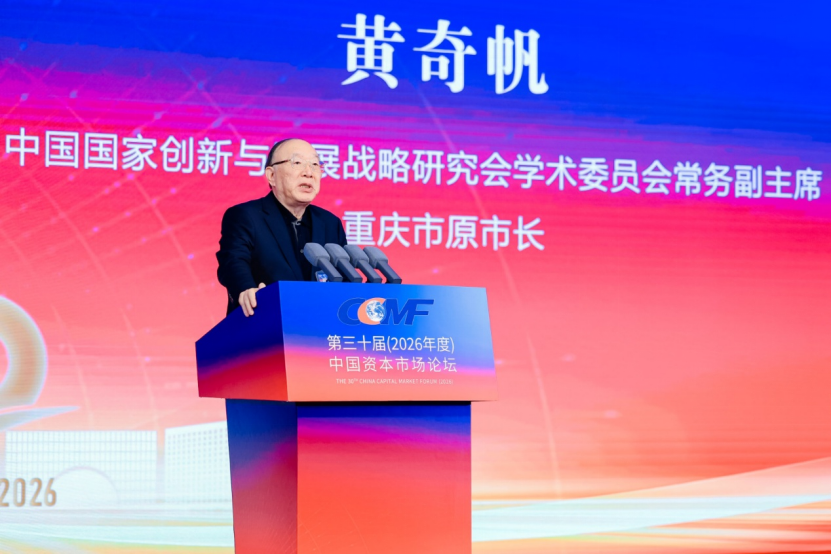
建言资本市场发展,黄奇帆、高培勇、吴晓求、丁志杰最新发声!
Zheng Quan Shi Bao· 2026-01-10 12:51
Group 1: Core Insights - The forum highlighted the importance of improving the capital market in China through various mechanisms, including enhancing direct financing and optimizing financial structures [1][2][5][8] Group 2: Huang Qifan's Suggestions - Huang Qifan proposed the establishment of an equity guidance fund involving banks, social security, insurance, and foreign exchange funds to increase direct financing [2][4] - He estimated that if 3% of bank capital, 30% of social security funds, and 30% of insurance funds were allocated to equity investments, it could generate approximately 40 to 50 trillion yuan for equity investment funds [4] Group 3: Gao Peiyong's Views - Gao Peiyong emphasized that establishing a sound expectation management mechanism is crucial for improving the governance of the capital market and the macroeconomic governance system [5][7] - He outlined a framework for expectation management that includes integrating expectation factors into macroeconomic analysis, guiding expectations in policy objectives, and reform actions in macroeconomic regulation [7] Group 4: Wu Xiaoqiu's Reform Focus - Wu Xiaoqiu identified three key areas for reform in the capital market: asset side, investment side, and institutional side, to meet diverse financing needs and wealth management demands [8][10] - He stressed the need to adjust the structure of listed companies to prioritize high-tech and innovative enterprises, which are essential for capital market growth [10] Group 5: Ding Zhijie's Insights - Ding Zhijie pointed out that there is significant room for optimizing China's financial structure, particularly by converting long-term household savings in banks into patient capital for direct financing [11][13] - He noted that the annualized return on pension funds in the capital market exceeds 5%, indicating the potential benefits of channeling more funds into the capital market [13]

建言资本市场发展!黄奇帆、高培勇、吴晓求、丁志杰最新发声
Xin Lang Cai Jing· 2026-01-10 12:17
Group 1 - The forum highlighted the importance of improving the direct financing ratio in China's capital market, suggesting a dual approach of developing both the stock market and equity investment funds [1][3] - Huang Qifan proposed the establishment of an equity guidance fund involving banks, social security, insurance, and foreign exchange funds, potentially creating a fund size of 40 to 50 trillion yuan to support corporate equity supplementation [3][4] - The discussion emphasized the need for a robust expectation management mechanism as a key aspect of enhancing the governance system of the capital market [4][6] Group 2 - Gao Peiyong stressed that managing expectations will be crucial for macroeconomic governance and the capital market's governance system, linking it to stabilizing market confidence [6][4] - Wu Xiaoqiu pointed out the necessity for reforms in the asset, investment, and institutional aspects of the capital market to meet diverse financing needs and enhance wealth management [8][10] - Ding Zhijie noted that a significant portion of long-term capital remains trapped in the banking system, and transforming household savings into patient capital could optimize the financial structure and increase direct financing [10][11]
连平:未来几年中国将继续保持积极的财政政策
Di Yi Cai Jing· 2026-01-10 09:04
Core Viewpoint - The Chinese financial structure is undergoing a historic transformation, shifting from indirect financing to direct financing, which is increasingly important for supporting emerging industries and high-tech development [1][3]. Group 1: Financing Trends - Direct financing's share in China's social financing structure has significantly increased, with its proportion rising to 47.4% by August 2025, marking the first time indirect financing fell below 50% [1]. - In terms of stock, while indirect financing still exceeds 65%, the rapid growth trend of direct financing is evident [1]. - The short-term credit for the household sector remains stable, but medium- to long-term credit growth has notably declined [2]. Group 2: Impact of Direct Financing - Direct financing provides a stable source of medium- to long-term funds, supporting the growth and innovation of high-tech and strategic emerging industries [3]. - The reduction in financing costs will enhance investment capabilities for both the government and enterprises, thereby promoting employment and consumption growth [3]. - Direct financing alleviates corporate debt pressure, improves capital allocation efficiency, and strengthens economic resilience [3]. - The development of direct financing will foster capital market growth, offering diversified investment products for domestic and foreign investors, which aids in the construction of Shanghai as an international financial center [3]. - Direct financing contributes to financial reform and the internationalization of the Renminbi, supporting the strategy for a strong financial nation [3].
吴晓求最新发声!资本市场应做好资产端、投资端、制度端三重改革
Sou Hu Cai Jing· 2026-01-10 08:04
Group 1 - The core viewpoint is that since September 24, 2024, China's capital market has undergone fundamental changes, with market confidence gradually recovering and expectations stabilizing. The next phase requires reforms in the asset side, funding side, and institutional side [2][3] - The goal of asset-side reform is to adjust the structure of listed companies in China, promoting high-tech and innovative enterprises as the main players in the market. This is essential for meeting investors' risk-return demands [2] - The core objective of funding-side reform is to expand market liquidity, ensuring it remains relatively abundant. The focus is on encouraging large funds to enter the market, as historically, the market has been dominated by individual investors [2] Group 2 - Institutional reform is crucial for the effectiveness of asset and funding-side reforms. The primary goal is to ensure market confidence and expectations, with a focus on transparency and accurate disclosure of information by issuers [3] - The transition from administrative penalties to a legal system based on criminal penalties and civil compensation is emphasized to eliminate issues such as fraud, financial misconduct, and insider trading [3] - The three foundational pillars for developing the capital market are a sound legal system, a strong spirit of contract, and market transparency. These elements are essential for maintaining financial order and ensuring the market's integrity [3]
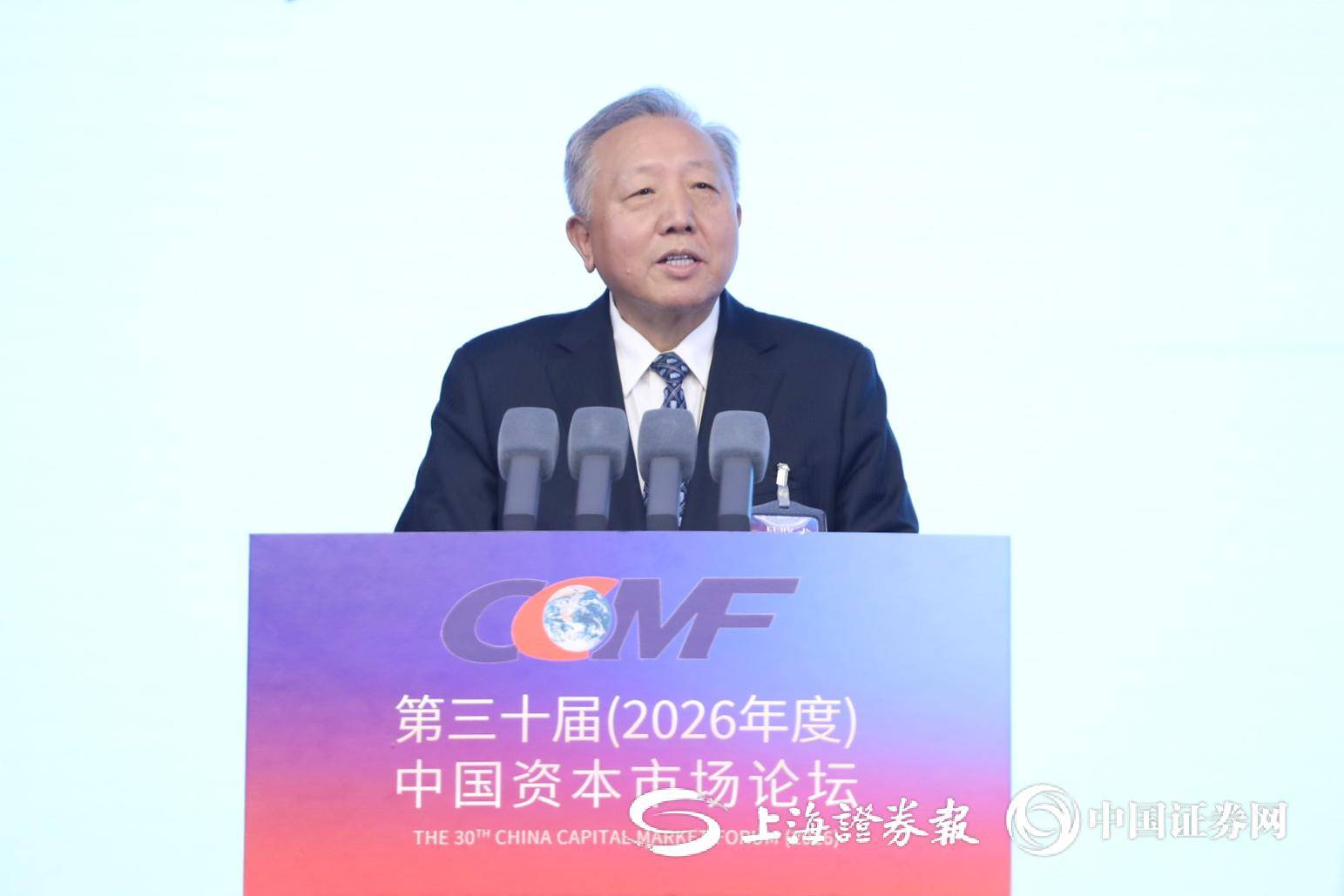
吴晓求:资本市场应做好资产端、投资端、制度端三重改革
Xin Lang Cai Jing· 2026-01-10 07:06
Group 1 - The core viewpoint is that since September 24, 2024, China's capital market has undergone fundamental changes, with a gradual recovery of market confidence and stabilization of expectations. The next phase requires reforms in the asset side, funding side, and institutional side of the capital market [1] Group 2 - On the asset side, the goal of reform is to adjust the structure of listed companies in China, promoting high-tech and innovative enterprises as the main entities. The capital market is a risk market, and sustainable development relies on risk-return profiles that meet investor demands [3] - The core objective of funding side reform is to expand market liquidity, ensuring it remains relatively abundant. The focus is on encouraging large funds to enter the market, as historically, individual investors dominated, and long-term funds were constrained by rules and risk considerations [3] - Institutional reform is essential for the effectiveness of asset and funding side reforms. The primary goal is to ensure market confidence and expectations, with a focus on transparency and accurate disclosure of information by issuers [3] Group 3 - The three foundational pillars for developing the capital market are a sound legal system, a strong spirit of contract, and market transparency. The spirit of contract includes stability in the macro environment and predictability in policies, while the legal system is fundamental to financial sustainability [4] - Transparency is described as the lifeline of the capital market, necessitating legal and policy measures to ensure that market participants, especially listed companies and intermediaries, provide truthful information and maintain market order [4]
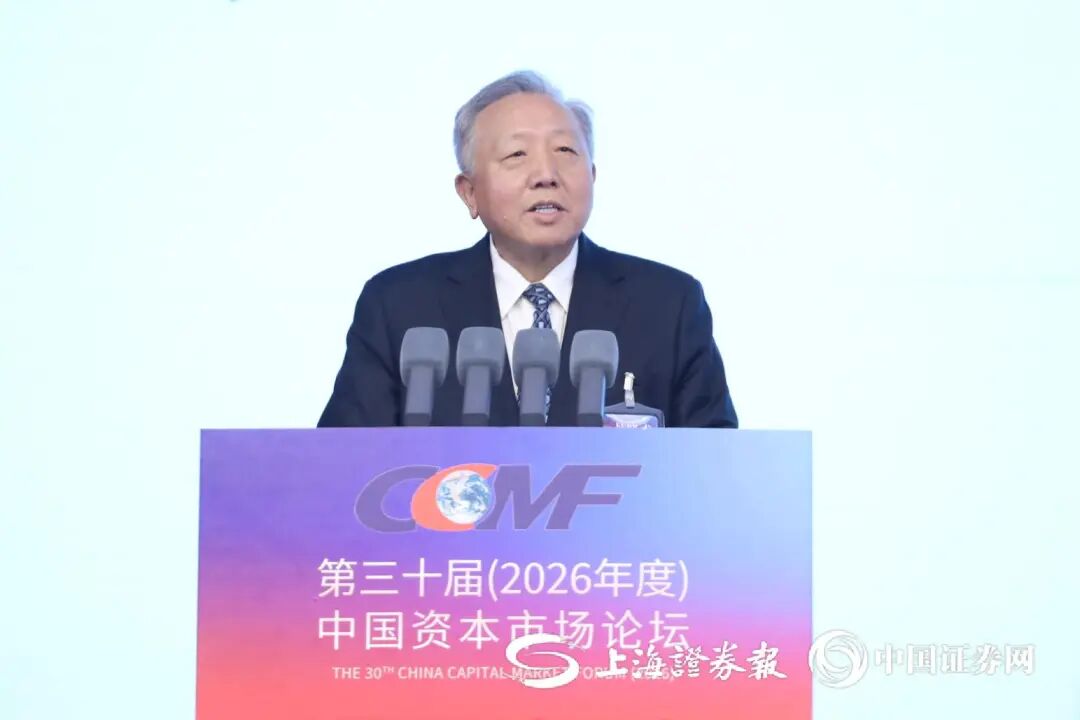
中国人民大学国家金融研究院院长吴晓求:资本市场应做好资产端、投资端、制度端三重改革
Sou Hu Cai Jing· 2026-01-10 06:35
Core Viewpoint - Since September 24, 2024, China's capital market has undergone fundamental changes, with market confidence gradually recovering and expectations stabilizing. The next phase requires reforms in the asset side, funding side, and institutional side of the capital market [2][3]. Group 1: Asset Side Reform - The goal of asset side reform is to adjust the structure of listed companies in China, promoting high-tech and innovative enterprises as the mainstay. The capital market is a risk market, and sustainable development relies on risk-return profiles that meet investor demands [3]. Group 2: Funding Side Reform - The core objective of funding side reform is to expand market liquidity, ensuring it remains relatively abundant. The focus is on encouraging large funds to enter the market, as historically, the market has been dominated by individual investors, with long-term funds constrained by rules and risk considerations [3]. Group 3: Institutional Side Reform - Institutional reform is essential for the effectiveness of asset and funding side reforms. The primary goal is to ensure market confidence and expectations, with a focus on enhancing market transparency. Issuers must disclose statutory information truthfully to avoid hidden risks [3][4]. Group 4: Legal Framework and Market Integrity - The transition from administrative penalties to a legal system focused on criminal penalties and civil compensation is necessary to eliminate risks such as fraud, financial misrepresentation, and insider trading. Heavy penalties should be imposed on those who conceal risks or assist in such actions [4]. Group 5: Foundations for Capital Market Development - The three foundational pillars for capital market development are a sound legal system, a strong spirit of contract, and market transparency. The spirit of contract includes stability in the macro environment and predictability in policies, while transparency is vital for maintaining market order and requires accurate information disclosure from market participants [5].