
种植业

Search documents
种植业板块10月15日跌0.69%,秋乐种业领跌,主力资金净流入278.72万元
Zheng Xing Xing Ye Ri Bao· 2025-10-15 08:27
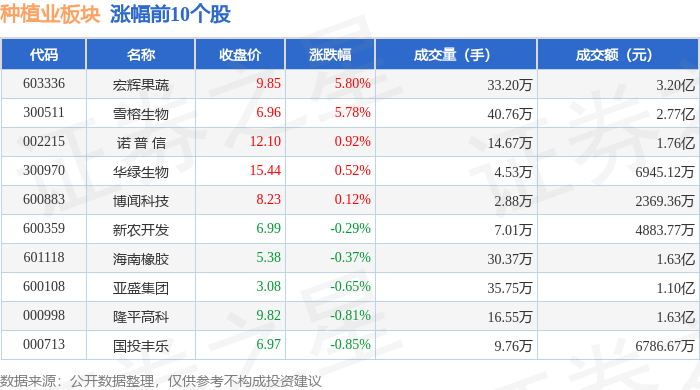
Market Overview - The planting industry sector declined by 0.69% on October 15, with Qiu Le Seed Industry leading the drop [1] - The Shanghai Composite Index closed at 3912.21, up 1.22%, while the Shenzhen Component Index closed at 13118.75, up 1.73% [1] Stock Performance - Notable gainers in the planting sector included: - Honglian Zhaoshu (603336) with a closing price of 9.85, up 5.80% and a trading volume of 332,000 shares, totaling 320 million yuan [1] - Xue Rong Biological (300511) closed at 6.96, up 5.78% with a trading volume of 407,600 shares, totaling 277 million yuan [1] - Major decliners included: - Qiu Le Seed Industry (920087) closed at 17.04, down 5.86% with a trading volume of 121,000 shares, totaling 208 million yuan [2] - Kang Nong Seed Industry (920403) closed at 25.02, down 4.21% with a trading volume of 42,300 shares, totaling 106 million yuan [2] Capital Flow - The planting industry sector saw a net inflow of 2.79 million yuan from institutional investors, while retail investors experienced a net inflow of 1.63 million yuan [2] - The overall capital flow indicated that retail investors were more active compared to institutional investors, with a net outflow of 4.42 million yuan from speculative funds [2] Individual Stock Capital Flow - Key stocks with significant capital flow included: - Xue Rong Biological (300511) had a net outflow of 44.21 million yuan from institutional investors, while retail investors had a net outflow of 35.59 million yuan [3] - Qiu Le Seed Industry (920087) experienced a net outflow of 20.8 million yuan from institutional investors [3] - Other stocks like Jing Yin Gao Ke (300087) saw a net inflow of 21.62 million yuan from institutional investors [3]

36氪首发|「新果农业Singrow」完成数百万美元A轮融资,青山资本、Finc International领投
3 6 Ke· 2025-10-15 08:15
Core Insights - Singrow has recently completed a multi-million dollar Series A funding round led by Qingshan Capital and Finc International, with existing investors AgFunder and Ritz Venture Partners participating [1] - The funding will primarily be used for technology research and market expansion [1] - Singrow focuses on developing climate-resilient crop varieties, particularly strawberries, which have been commercialized in multiple regions including Singapore, China, Indonesia, and Thailand [1] Company Overview - Founded in 2019 in Singapore, Singrow leverages molecular breeding technology to develop crop varieties that can thrive under challenging climate conditions [1] - The company’s business model encompasses the entire agricultural value chain, from seedling production to planting solutions and sales management [1] - The founder, Dr. Bao Shengjie, has over 10 years of experience in plant physiology, molecular biology, and crop breeding [1] Market Demand and Product Development - There is a significant demand for high-quality strawberries globally, but many regions lack the necessary growing conditions [3] - Singrow aims to address this gap by developing heat-tolerant strawberry varieties that mimic the flavor and texture of Japanese strawberries while being easier to cultivate [3] - The company has successfully developed eight different strawberry varieties, with some able to flower in temperatures as high as 20 degrees Celsius, compared to the traditional requirement of 8-10 degrees Celsius [3] Business Expansion Strategies - In 2023, Singrow plans to expand its market presence in China by introducing summer strawberry cultivation and offering comprehensive plant factory solutions [4] - The company has achieved an average yield of approximately 3,000 pounds per acre in Shaanxi after one and a half years of cultivation [4] - Singrow aims to form a coalition for summer strawberry cultivation in Northwest China, targeting both domestic and export markets [4] Key Business Segments - Singrow's operations can be categorized into three main areas: climate-resilient strawberry cultivation, comprehensive plant factory solutions, and agricultural service offerings [5] - The plant factory solutions include providing clients with a complete set of services, from seedlings to operational management, allowing clients to focus on initial infrastructure investment [5] - The company is also developing a circular plant factory model in Singapore and Houston, integrating mushroom production with strawberry cultivation to enhance sustainability and reduce costs [5][6] Future Market Focus - The domestic market is currently the primary revenue source for Singrow, but the company plans to expand into the Middle East and Southeast Asia [7] - The Middle East presents a unique opportunity due to its low supply of high-end fruits and vegetables, which Singrow's resilient varieties can help address [8] - The commercial viability of plant factories in these regions is expected to improve as electricity costs decrease, making it an attractive solution for local agricultural production [8]
山东:已下达生产救灾资金两批1.5亿元助农抢秋
Zheng Quan Shi Bao Wang· 2025-10-15 08:15
Core Viewpoint - Shandong province is facing significant risks to autumn grain production due to above-average rainfall since the onset of autumn, prompting urgent financial measures to mitigate the impact [1] Financial Measures - The Shandong provincial government has urgently allocated disaster relief funds for agricultural production, distributing 150 million yuan in two batches [1] - A comprehensive set of fiscal policy measures has been implemented to address the adverse weather conditions affecting autumn grain production [1] Agricultural Subsidies - In 2023, Shandong province has allocated a total of 4.451 billion yuan in agricultural insurance premium subsidies, with 1.505 billion yuan specifically for autumn crops such as corn, rice, soybeans, and peanuts [1]
美国政府“停摆”加剧农业危机 农民忧前景黯淡
Zhong Guo Xin Wen Wang· 2025-10-15 07:57
Core Viewpoint - The ongoing government shutdown in the United States is exacerbating the agricultural crisis, leading to increased concerns among farmers about their bleak prospects [1] Group 1: Impact of Government Shutdown - The government shutdown has entered its third week, significantly affecting farmers who are already facing a challenging agricultural outlook [1] - Farmers are unable to apply for loans from the Commodity Credit Corporation, which they typically use to manage cash flow by storing crops until prices improve [1] - The shutdown has led to a halt in various government operations, including disaster assistance applications for livestock producers affected by drought and hurricanes [3][4] Group 2: Economic Challenges in Agriculture - The agricultural sector is facing multiple challenges, including ongoing trade wars, low commodity prices, rising production costs, and adverse weather conditions [1] - A farmer from Virginia, who manages 9,000 acres of land, expressed that without improvements, their farm may cease operations by spring 2026 [1] - The termination of U.S. Agency for International Development projects, which previously purchased billions of dollars in U.S. agricultural products for aid, has further complicated the situation for farmers [3] Group 3: Specific Regional Concerns - In Arkansas, a loan officer noted that while livestock farming is relatively better off, the government shutdown still impacts their operations [3] - There is a prediction that up to 30% of farms in Arkansas could potentially go out of business by next spring if the current situation does not improve [4]
农地流转,免租
Hu Xiu· 2025-10-15 07:10
Core Viewpoint - The article discusses the agricultural land reform in China, specifically the separation of land ownership, contracting rights, and operational rights, which aims to promote moderate-scale agricultural operations and modernize agriculture [1][16]. Group 1: Agricultural Land Reform - The reform of separating land ownership, contracting rights, and operational rights is intended to stabilize farmers' contracting rights and promote moderate-scale agricultural operations [1][19]. - The 2018 revision of the Rural Land Contracting Law formalized the three rights separation, indicating a gradual improvement in the system [1][16]. Group 2: Moderate-Scale Agricultural Operations - Many rural areas have spontaneously developed moderate-scale agricultural operations rooted in familiar social networks among farmers, which facilitate low transaction costs in land transfers [3][4]. - In sensitive villages, such as Minma Village, land transfer occurs without rent, primarily for crops like tobacco and passion fruit, with operational scales typically ranging from 15 to 30 acres [5][6]. Group 3: Efficiency and Rationality of Middle Farmers - Middle farmers, who are often experienced in agriculture, demonstrate rational decision-making in determining land transfer scales based on rental prices, product prices, and production risks [9][10]. - The agricultural production of middle farmers is characterized by high efficiency, with careful management of crops leading to higher yields compared to large-scale operations managed by urban capital [12][14]. Group 4: Urban Capital and Large-Scale Agriculture - The separation of land rights facilitates urban capital's entry into rural areas for large-scale agricultural operations, which often exceed 1,000 acres [20][19]. - However, urban capital lacks agricultural experience, leading to inefficiencies and potential losses, as they may not understand the risks associated with agricultural production [21][22]. Group 5: Social Implications and Reflections - The absence of urban capital in Minma Village is attributed to the fragmented and small-scale nature of the land, which does not support mechanized large-scale farming [25]. - The article concludes that middle farmers represent the most economically efficient and socially beneficial agricultural production model, relying on social relationships rather than formal policies or legal frameworks [26].
多部门协同护好“粮袋子” “共享晒粮图”上线引导农户就近科学晾晒
Yang Shi Wang· 2025-10-15 04:44
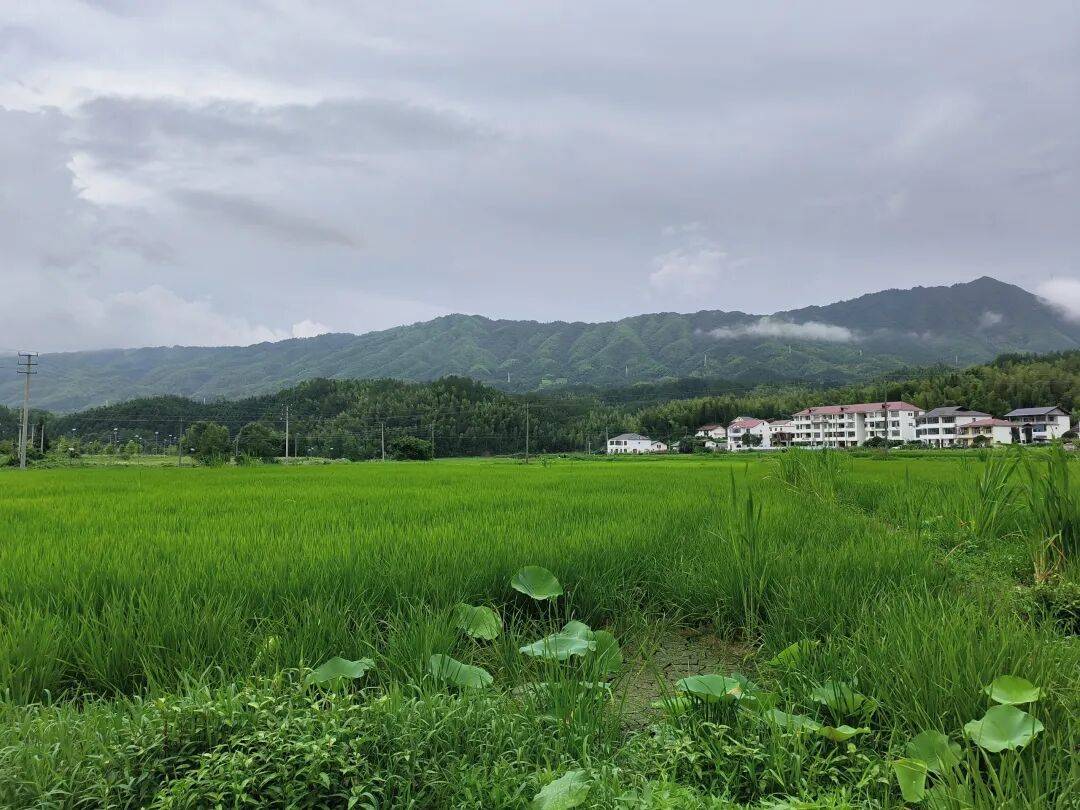
Group 1 - Shanxi Hejin City is focusing on the urgent harvesting of autumn grain in low-lying areas affected by rainfall and low temperatures, utilizing large tracked harvesters for efficient collection [1][3] - The city has nearly 300 combined harvesters and over 30 tracked harvesters operating in a 24-hour shift to minimize the impact of weather on autumn grain [3] - The local agricultural development center reports that 13 drying towers are operating at full capacity, with a daily drying capacity of around 2000 tons [5] Group 2 - In Heilongjiang Daqing, over 5,500 acres of saline-alkali rice fields are experiencing a successful harvest, showcasing the effectiveness of mechanized farming [6][8] - Liaoning Tieling has 1.15 million acres of corn fields being harvested with full mechanization, with expectations to complete the corn harvest by the end of the month [10] - Jiangxi is accelerating the harvesting of late rice, with 20% of the 18.3 million acres harvested so far, promoting small-sized agricultural machinery for efficiency [13] Group 3 - In Shandong, a "shared drying map" initiative has opened over 800 locations for farmers to dry their grain, addressing challenges posed by recent continuous rainfall [20] - The province has faced significant difficulties due to rare continuous rainy weather, prompting efforts to expedite both harvesting and planting [21] - Shandong has drained 137,000 acres of farmland to mitigate waterlogging, with 31,000 drainage devices deployed to assist in the process [23][27]
北大荒跌2.00%,成交额3.05亿元,主力资金净流出1545.87万元
Xin Lang Cai Jing· 2025-10-15 03:57
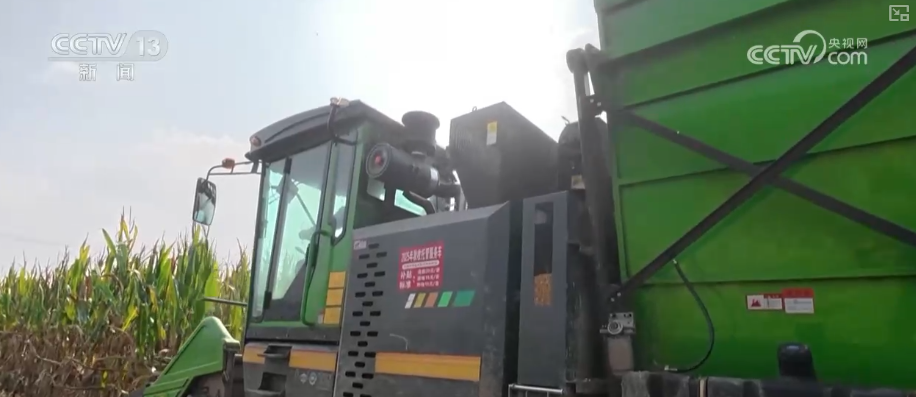
Core Viewpoint - The stock of Beidahuang Agricultural Co., Ltd. has experienced fluctuations, with a recent decline of 2.00% and a market capitalization of 26.079 billion yuan, indicating a mixed performance in the market [1]. Group 1: Stock Performance - As of October 15, Beidahuang's stock price is 14.67 yuan per share, with a trading volume of 305 million yuan and a turnover rate of 1.16% [1]. - Year-to-date, Beidahuang's stock has increased by 3.31%, with a 2.09% rise over the last five trading days, 0.41% over the last 20 days, and 1.73% over the last 60 days [1]. - The company has appeared on the "Dragon and Tiger List" twice this year, with the most recent instance on April 11, where it recorded a net buy of -178 million yuan [1]. Group 2: Company Overview - Beidahuang Agricultural Co., Ltd. was established on November 27, 1998, and listed on March 29, 2002. Its main business includes land leasing, crop planting and sales, agricultural technology services, and real estate development [2]. - The revenue composition of Beidahuang includes land leasing fees (62.16%), agricultural materials sales (33.85%), and other sales/services (4.99%) [2]. - The company operates in the agriculture sector, specifically in grain planting, and is associated with concepts such as seed industry, soybean, and rural revitalization [2]. Group 3: Financial Performance - For the first half of 2025, Beidahuang reported an operating income of 3.014 billion yuan, a year-on-year decrease of 2.72%, while the net profit attributable to shareholders was 984 million yuan, a slight increase of 0.09% [2]. - The company has distributed a total of 11.157 billion yuan in dividends since its A-share listing, with 2.507 billion yuan distributed in the last three years [3]. Group 4: Shareholder Structure - As of June 30, 2025, Beidahuang had 116,400 shareholders, an increase of 19.10% from the previous period, with an average of 15,267 circulating shares per shareholder, a decrease of 16.04% [2]. - The second-largest circulating shareholder is Hong Kong Central Clearing Limited, holding 15.3524 million shares, a decrease of 5.0821 million shares from the previous period [3].

登封:应对持续降雨 抢收抢烘保丰收
Zheng Zhou Ri Bao· 2025-10-15 03:37
近期,登封持续阴雨,造成土壤墒情饱和、田间积水增多,秋收进度、作物存储及后续秋种均面临 一定挑战。为此,登封市多措并举,争分夺秒,通过服务保障、机械调度、抢收烘干等举措,守护农民 一年的劳动成果。 在秋收抢种过程中,"人民至上"的理念在登封全域具象化。"多亏了社区干部和志愿者,不然我这 几亩玉米真要烂在地里了。"看着家门口堆得整整齐齐的玉米,中岳街道康村社区群众李阿姨眼眶泛 红。中岳街道各社区党组织充分发挥战斗堡垒作用,组织党员干部深入田间地头,开展形式多样的"三 秋"抢收抢种与秸秆禁烧志愿服务活动。街道第一时间摸排辖区秋收困难情况,针对无劳动力、行动不 便的困难家庭和孤寡老人,迅速发起"国庆护秋收"志愿行动,党员干部冒雨来到田地,帮助辖区群众抢 收庄稼。田间地头,"志愿红"穿梭在青黄相间的玉米秆间,成了雨天里最亮眼的风景。 东华镇少阳寨村,两台履带式玉米籽粒收获机开足马力在田间穿梭,收割、脱粒等工序一气呵成。 针对降雨后采收的玉米含水量偏高,容易发生霉变的情况,登封市农机部门加强与各粮食烘干点联系, 确保烘干设备全天候安全运转,帮助农户解决粮食烘干难题。在大金店镇游方头村的粮食烘干点,潮湿 的玉米粒被转运至 ...
扛牢政治责任毫不放松抓好抢收抢种 全力确保秋粮丰收到手秋播种足种好
Xi An Ri Bao· 2025-10-15 03:11
Core Points - The article emphasizes the importance of ensuring food security and the need for timely agricultural practices during the autumn harvest and planting season [1][4] - Local authorities are urged to respond quickly to adverse weather conditions affecting agricultural production, particularly in areas with severe waterlogging [1] - The article highlights the necessity of implementing agricultural policies that support farmers' income and encourage grain production [1] Group 1: Agricultural Production - The local government is focusing on the timely harvesting and planting of autumn crops to ensure a good yield [1] - There is a call for effective management of agricultural resources, including machinery and supplies, to facilitate the harvesting process [1] - The promotion of good agricultural practices, including land transfer and management, is essential for improving crop yields and benefiting more farmers [1] Group 2: Cooperative and Market Development - The article discusses the role of agricultural cooperatives in enhancing resource supply and providing technical support to farmers [2] - Emphasis is placed on the importance of quality standards and market connections for agricultural products, particularly in the context of modern urban agriculture [2] - The need for continuous improvement in the agricultural value chain and brand development is highlighted to support high-quality agricultural growth in the region [2]
南非农业:在挑战中谋转型,于多元中求发展
人民网-国际频道 原创稿· 2025-10-15 02:30
Core Insights - South Africa's agricultural sector is experiencing a complex yet positive development trend, driven by strong crop production in Q3 and a push for market diversification amid international trade barriers [1] Group 1: Production Dynamics - The agricultural sector contributes 3% to South Africa's GDP, with strong linkages to processing and logistics, enhancing its economic impact [2] - Summer grains and oilseeds have seen a remarkable 28% year-on-year increase in production, reaching nearly 20 million tons, although price pressures exist due to ample supply [2] - The horticulture sector is performing well, with citrus, deciduous fruits, and wine grapes showing increased yields, and a record citrus harvest of 180 million boxes is expected by 2025 [2] Group 2: Trade Adaptation - South Africa's agricultural sector is adapting to a 30% tariff imposed by the US on certain agricultural products, which has impacted exports of citrus and wine, potentially affecting up to 80,000 jobs [3] - The US accounts for only 4%-6.5% of South Africa's agricultural exports, with the Southern African Development Community (SADC) and the EU being more significant markets, comprising 39% and 25% respectively [3] - South Africa is successfully diversifying its markets, having opened the Philippine fresh grape market and increasing exports of citrus to Vietnam and avocados to China [3] Group 3: Policy and Innovation - The South African government is focusing on inclusivity and technological innovation as key strategies for growth and competitiveness in agriculture [4] - The small drone market is expected to grow at an annual rate of 22.35% from 2020 to 2025, reaching a size of $138 million by 2025 [4] - Agricultural technology cooperation with China has shown significant results, enhancing efficiency and connecting South Africa to the global digital agriculture network [4] Group 4: Challenges and Resilience - Despite positive trends, the agricultural sector faces challenges such as market friction with the US and slow diversification of exports [5] - Young people in rural areas show a strong preference for non-agricultural employment, hindered by education and skill shortages [5] - The government and industry are collaborating to address these challenges, with initiatives like the "Farmer Field School" program adding 260 agricultural technicians [6]