
中式餐饮

Search documents
绿茶餐厅首份财报业绩大涨,多亏“外卖大战”?
Guan Cha Zhe Wang· 2025-08-27 09:43
Financial Performance Summary - In the first half of the year, the company achieved revenue of 2.29 billion RMB, a year-on-year increase of 23.1% [1][2] - The profit for the period was 234 million RMB, reflecting a growth of 34.1% [1][2] - Adjusted net profit reached 251 million RMB, marking a 40.4% increase [1][2] - Basic earnings per share were 0.42 RMB, up from 0.33 RMB in the previous year [2] Expansion Strategy - The company has been rapidly expanding its store count, reaching 502 locations by mid-year, with plans to increase to 465 by the end of 2024 [2][3] - New store openings are projected at 150 for 2025, with further expansions planned for 2026 and 2027 [3] - 68% of the planned new stores from 2025 to 2027 will be located in lower-tier cities [3] Business Segments - Revenue from restaurant operations was 1.76 billion RMB, while the takeaway business generated 524 million RMB, showing a significant increase of 74.2% [4][3] - The takeaway segment's contribution to overall revenue rose to 22.9% [3][4] - The company has focused on enhancing its takeaway services through digital operations and tailored meal options [5] Market Dynamics - The takeaway business has seen a rise in expenses, totaling 87.5 million RMB, which is a 75.9% increase [5] - The growth in takeaway revenue is attributed to the competitive landscape of the food delivery market, which has seen significant investment [5][6] - Despite strong revenue growth, there are concerns regarding the sustainability of this growth due to potential price reductions impacting overall sales [6] Consumer Insights - The average consumer spending was reported at 55.5 RMB, with slight variations across different regions [7] - The company has experienced a minor increase in table turnover rates, which may be influenced by the rise in takeaway orders [6][7] Stock Market Reaction - Following the release of the financial report, the company's stock price increased by over 8%, reaching a one-month high [7] - The stock price was reported at 7.99 HKD per share, reflecting a decline of 3.39% at the time of reporting [7]


小菜园8月起不参与外卖平台任何折扣
Ge Long Hui A P P· 2025-08-25 16:01
Core Insights - The founder and chairman of the company, Wang Shugang, stated that the strategy for the takeaway business focuses on not offering set meals and prioritizing dine-in quality while ensuring takeaway food is also delicious [1] - The company has decided not to participate in any discounts from three platforms starting in August due to the impact of high takeaway orders on in-store management [1] - For the first half of the fiscal year ending June 30, 2025, the company's dine-in revenue was 1.647 billion yuan, a growth of 2.2%, while takeaway revenue reached 1.0574 billion yuan, growing by 13.7%, with takeaway revenue accounting for nearly 40% of total revenue [1]
小菜园董事长:8月起不参与三个外卖平台的任何折扣,侧重做好堂食
Xin Lang Cai Jing· 2025-08-25 07:12
Core Viewpoint - The company, 小菜园, is focusing on enhancing its dine-in experience while strategically limiting its participation in the takeout market by avoiding discounts on major platforms [1] Group 1: Business Strategy - The founder and chairman, 汪书高, stated that the company will not offer meal sets for takeout and will prioritize improving the quality of dine-in services [1] - Starting from August, the company decided not to participate in any discounts on three major platforms due to the overwhelming demand affecting in-store management [1] Group 2: Financial Performance - For the six months ending June 30, 2025, the company's dine-in revenue reached 1.647 billion yuan, reflecting a growth of 2.2% [1] - The takeout revenue amounted to 1.0574 billion yuan, showing a growth of 13.7%, with its revenue contribution rising to nearly 40% [1]
北京胡同小馆走红 餐饮消费“返朴归真”
Xiao Fei Ri Bao Wang· 2025-08-22 03:39
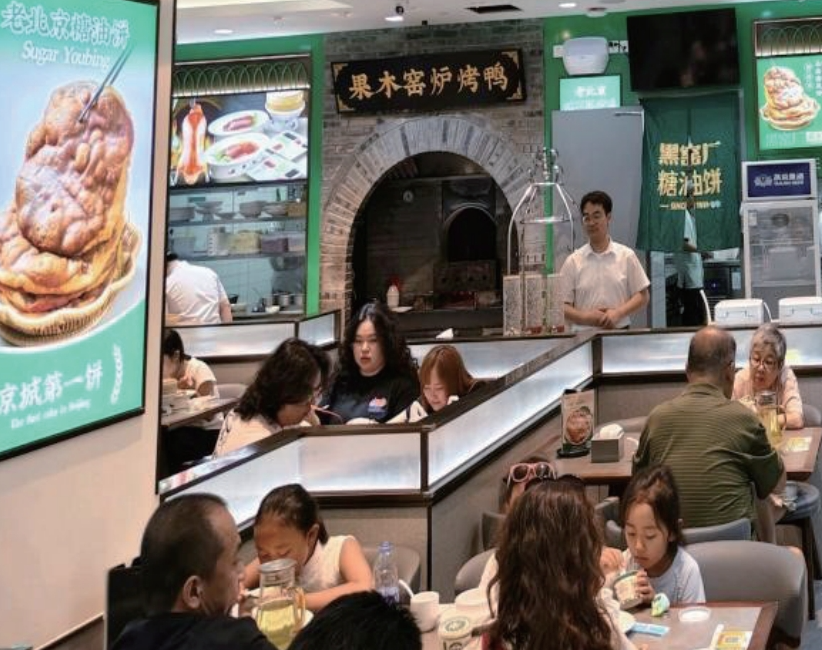
Core Insights - The article highlights the resurgence of traditional Beijing eateries, particularly in hutongs, which attract a growing number of consumers, especially younger individuals seeking authentic culinary experiences [1][9] - The popularity of these small restaurants reflects a shift in consumer preferences towards value-driven dining experiences that emphasize quality and cultural connection over trendy or high-end options [9] Group 1: Consumer Trends - Younger consumers are increasingly frequenting hutong eateries for their affordability and relaxed atmosphere, contrasting with previous trends of dining at upscale restaurants [8][9] - Social media platforms, particularly Xiaohongshu, play a significant role in promoting these local eateries, with many young people sharing their experiences and recommendations online [9] Group 2: Restaurant Characteristics - Traditional cooking methods and authentic flavors are central to the appeal of these eateries, as seen in the meticulous preparation of dishes like sugar oil cakes and fried sauce noodles [2][5][6] - The pricing strategy of these restaurants is designed to be accessible, with many dishes priced affordably, enhancing their attractiveness to budget-conscious consumers [6][7] Group 3: Cultural Significance - The dining experience in these hutong restaurants offers a connection to Beijing's cultural heritage, allowing consumers to engage with the city's history through its food [8][9] - The atmosphere in these eateries, characterized by a sense of community and tradition, provides a comforting escape from the pressures of urban life [8][9]
小菜园半年报藏忧:同店销售连跌,双品牌门店扩张步伐缓慢
Zheng Quan Zhi Xing· 2025-08-21 02:13
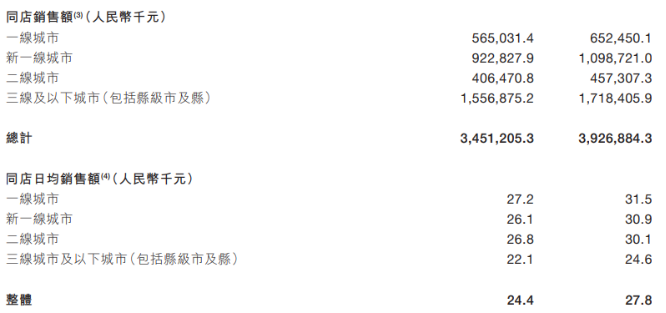
Core Viewpoint - The company, Xiaocaiyuan (0999.HK), reported a revenue of 2.714 billion yuan for the first half of 2025, a year-on-year increase of 6.5%, and a net profit of 382 million yuan, up 35.7% year-on-year, primarily due to improved operational efficiency and cost control [1][6]. Financial Performance - Xiaocaiyuan's revenue for the first half of 2025 was 2.714 billion yuan, reflecting a 6.5% increase compared to the previous year [1]. - The net profit reached 382 million yuan, marking a significant year-on-year growth of 35.7% [1][6]. - The decline in average spending per customer continued, dropping to 57.1 yuan in the first half of 2025 [4]. Same-store Sales Data - Same-store sales decreased by 7.19% year-on-year, totaling 3.451 billion yuan, while same-store daily sales fell by 6.91% to 24.4 thousand yuan [4]. - The same-store sales in third-tier cities and below saw a decline of 5.05% year-on-year [4]. - From 2021 to 2024, the average spending per customer decreased from 66.1 yuan to 59.2 yuan [2]. Expansion Plans and Challenges - The company planned to open 160 new Xiaocaiyuan stores and 30 to 50 community dining brand "Cai Shou" locations in 2025, but only opened 5 new stores in the first half of the year [1][9]. - The average investment cost for each new Xiaocaiyuan store is estimated to be between 1.3 million to 1.7 million yuan, with total investment costs for the planned openings in 2025 and 2026 projected to be between 442 million to 578 million yuan [7]. - As of mid-2025, the company had 672 operating stores, significantly below its target of 120 new stores for the year [9]. Market Conditions - The competitive landscape for Chinese dining has intensified, with increasing consumer sensitivity to price and a trend towards high cost-performance offerings [2]. - The decline in same-store sales is attributed to a combination of high base effects from the previous year, price reductions on certain dishes, and some stores still in the ramp-up phase [3].
中餐界“爱马仕”,狂赚美国人29亿?
Hu Xiu· 2025-08-20 04:03
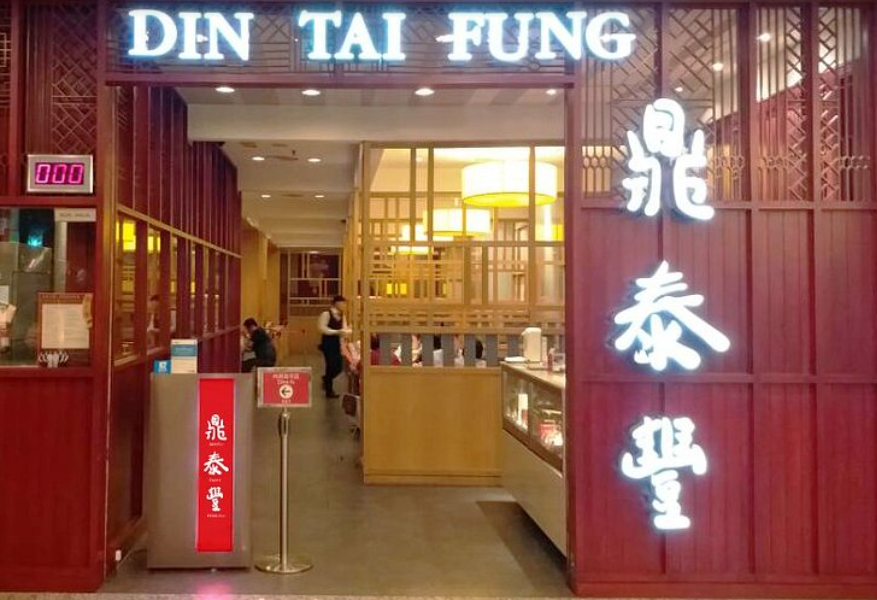
Core Insights - Din Tai Fung, a Taiwanese restaurant brand, is experiencing contrasting fortunes in different markets, with significant closures in mainland China while achieving remarkable success in the United States [2][28]. Group 1: Performance in the United States - Din Tai Fung has opened 17 locations in the U.S., with each restaurant averaging annual sales of $27.4 million, making it the top-performing restaurant in the country [6][23]. - The brand's popularity is evident, as customers often wait two to three hours to dine, with some even expressing that the wait is worth it [8][12]. - In 2022, Din Tai Fung generated $411.6 million in revenue in the U.S., reflecting a nearly 20% year-over-year growth [24]. Group 2: Performance in Mainland China - In contrast, Din Tai Fung has faced a significant decline in mainland China, reducing its number of locations from 32 to 14 due to a wave of closures [2][40]. - The brand's struggles are attributed to changing consumer preferences and increased competition in the dining market, leading to a loss of approximately 45 million yuan in the first half of 2024 [40][41]. - The high prices and perceived decline in service quality have contributed to a drop in customer interest, with some diners opting to take their meals to go rather than dine in [38][56]. Group 3: Market Trends and Consumer Behavior - The decline in Din Tai Fung's popularity in China is linked to a broader trend of diminishing interest in "Hong Kong-style" dining experiences, while the brand thrives in the U.S. amid a rising fascination with Asian cuisine [44][82]. - The success in the U.S. is partly due to effective localization strategies, such as introducing chicken dumplings and vegetarian options to cater to American tastes [60][81]. - The rise of social media platforms like TikTok has played a crucial role in reshaping consumer perceptions of Asian cuisine, contributing to Din Tai Fung's viral popularity [66][70].
小菜园再涨近6% 上半年纯利增近36% 瑞银预计公司下半年加快开店
Zhi Tong Cai Jing· 2025-08-20 02:42
Core Viewpoint - The company reported a strong interim performance with revenue and profit growth, leading to a positive market reaction and an increase in stock price [1] Financial Performance - Revenue reached 2.714 billion RMB, a year-on-year increase of 6.5% [1] - Profit attributable to equity shareholders was 382 million RMB, up 35.7% year-on-year [1] - The net profit margin expanded by 3 percentage points, driven by a 2.7 percentage point increase in gross margin and a 4 percentage point decrease in labor costs [1] Dividend and Payout - The company declared an interim dividend of 21.19 cents per share, with a payout ratio of 65% [1] - Management aims for a target payout ratio of 50% to 60% [1] Store Performance and Expansion Plans - Same-store sales declined by 7.2% in the first half but turned positive starting in May [1] - The company opened a net of 5 new stores, bringing the total to 672, with plans to accelerate store openings starting in July [1] - Management maintains a target of reaching 800 stores by the end of 2025 and 1,000 stores by the end of 2026 [1] Analyst Outlook - UBS raised the earnings per share forecast for 2025 to 2027 by 9% to 13% based on strong interim results and effective cost control [1] - The target price was slightly increased from 13 HKD to 14 HKD, maintaining a "buy" rating [1]
中餐界「爱马仕」,狂赚美国人29亿?
3 6 Ke· 2025-08-19 02:39
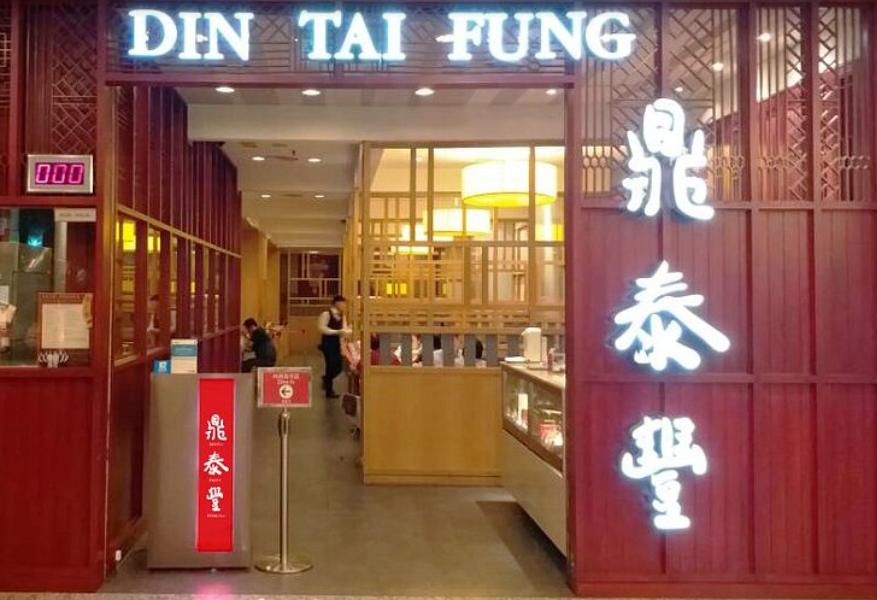
Core Viewpoint - Din Tai Fung, a renowned Taiwanese restaurant chain famous for its xiaolongbao, is experiencing contrasting fortunes: a significant decline in its operations in mainland China, while achieving remarkable success in the United States, where it has become a top dining destination with high average sales per location [1][18]. Group 1: Performance in the United States - As of this year, Din Tai Fung has opened 17 locations in the U.S., with each restaurant seeing long queues, often requiring customers to wait two to three hours for a meal [3][15]. - The average annual revenue per restaurant in the U.S. is reported to be $27.4 million, making it seven times more than a McDonald's, and it ranks first in the country [15]. - In 2022, Din Tai Fung generated $411.6 million in revenue in the U.S., reflecting a nearly 20% year-over-year growth [15][45]. - The popularity of Din Tai Fung has led to the creation of a "Din Tai Fung Index," measuring global prices based on the cost of xiaolongbao [15]. Group 2: Challenges in Mainland China - Din Tai Fung has faced a significant closure wave in mainland China, reducing its locations from 32 to 14, with losses projected to reach approximately 45 million yuan in the first half of 2024 due to the closure of over ten restaurants [19][24]. - The brand's once-celebrated service and dining experience are now perceived as outdated, with complaints about high prices and poor service quality [21][23]. - The shift in consumer preferences has led to a decline in demand for "Hong Kong-style" dining experiences, impacting Din Tai Fung's market position [26][32]. Group 3: Market Adaptation and Trends - Din Tai Fung has successfully localized its menu in the U.S., introducing chicken-filled xiaolongbao and vegetarian options to cater to American tastes [36][37]. - The rise of social media, particularly TikTok, has played a crucial role in popularizing Din Tai Fung's offerings, with viral videos contributing to increased foot traffic [40][43]. - The brand's success in the U.S. reflects a broader trend of rising interest in Asian cuisine, with Asian chain restaurants experiencing a 7.6% sales increase despite a stagnant overall restaurant market in 2024 [45][48].
瑞银:微升小菜园(00999)目标价至14港元 料下半年加快开店
Zhi Tong Cai Jing· 2025-08-18 07:45
Core Viewpoint - UBS reports that Xiaocaiyuan (00999) achieved a 7% year-on-year revenue growth and a 36% increase in net profit for the first half of the year, reaching 2.714 billion and 382 million RMB respectively, meeting the upper limit of profit forecasts [1] Financial Performance - Revenue and net profit for the first half of the year were 2.714 billion RMB and 382 million RMB, reflecting a 7% and 36% year-on-year growth respectively [1] - Net profit margin expanded by 3 percentage points, driven by a 2.7 percentage point increase in gross margin and a 4 percentage point decrease in labor costs, partially offset by increased advertising expenses, higher tax rates, and reduced interest income [1] Dividend and Earnings Forecast - The company declared an interim dividend of 21.19 cents RMB, with a payout ratio of 65% [1] - Based on strong first-half performance and effective cost control, UBS raised the earnings per share forecast for 2025 to 2027 by 9% to 13%, and slightly increased the target price from 13 HKD to 14 HKD, maintaining a "Buy" rating [1] Management Strategy and Expansion Plans - Management emphasized focusing on product value and restaurant profitability, with a target payout ratio of 50% to 60% [1] - Same-store sales turned positive starting in May, with the number of stores increasing to 672, and management aims to reach 800 stores by the end of 2025 and 1,000 stores by the end of 2026, indicating an accelerated opening pace starting in July [1]
小菜园(00999):效率持续优化,下半年开店有望提速
SINOLINK SECURITIES· 2025-08-17 04:52
Investment Rating - The report maintains a "Buy" rating for the company, expecting a price increase of over 15% in the next 6-12 months [5]. Core Insights - The company reported a revenue of 2.714 billion RMB for H1 2025, representing a year-on-year growth of 6.5%, while the net profit attributable to shareholders reached 382 million RMB, up 35.66% year-on-year [2]. - The dining-in business remains stable, while the takeout business shows strong growth, with takeout revenue of 1.057 billion RMB in H1 2025, a 13.7% increase year-on-year, accounting for 39% of total revenue [3]. - The company expanded its store network, increasing the number of stores from 617 to 672, with significant growth in second-tier cities [3]. - The net profit margin improved to 14.1%, up 3.03 percentage points year-on-year, driven by gross margin optimization and reduced employee costs [4]. - The company plans to pay dividends of 250 million RMB in H1 2025, maintaining a high dividend payout ratio of 65.4% [4]. Financial Performance Summary - Revenue projections for 2025, 2026, and 2027 are 6.095 billion RMB, 7.724 billion RMB, and 9.461 billion RMB, respectively, with net profits expected to be 784 million RMB, 947 million RMB, and 1.174 billion RMB [5]. - The company’s PE ratios for 2025, 2026, and 2027 are projected to be 14.99, 12.42, and 10.01, respectively [5]. - The gross margin for H1 2025 was reported at 70.5%, an increase of 2.61 percentage points year-on-year, attributed to centralized purchasing [4].