家政

Search documents
推动消费绿色转型,助力高质量发展
2 1 Shi Ji Jing Ji Bao Dao· 2026-01-06 22:32
近日,商务部等九部门联合印发《关于实施绿色消费推进行动的通知》(下称《通知》),从扩大绿色供 给、壮大市场主体、完善回收体系等7个方面系统部署了20条具体举措,覆盖农产品、家电家装、餐饮 住宿等关键民生领域。这一系统性政策力求通过全链条、多领域的协同发力,推动社会消费模式向绿色 低碳转型,引导形成更可持续的生产生活方式,从而为经济高质量发展注入持久的绿色动能。 传统的消费促进政策,多以补贴、打折等短期刺激为重点。而此次政策着力于绿色消费,通过需求侧的 绿色选择形成强大的市场信号,进而对供给端形成绿色牵引。当消费者普遍倾向于选择绿色、低碳、可 循环的产品时,企业为了赢得市场竞争,就必须在材料选择、生产工艺、能源效率乃至产品报废后的回 收利用等全生命周期环节进行绿色创新与改造。这一过程,将为以科技创新为主导的新质生产力提供应 用场景和市场需求,从而驱动产业整体向高端化、智能化、绿色化升级。 此次绿色消费推进行动,首要着力点在于聚焦基础性民生保障领域,系统化地丰富和优化绿色产品供 给。具体部署了三项重点工作。一是加大绿色、名特优新农产品供应,从源头保障食品安全与生态健 康,推动农业生产方式绿色转型。二是推广高效节能 ...
九部门推20项新政,春节消费将掀绿色热潮
Xin Lang Cai Jing· 2026-01-06 15:26
Core Viewpoint - The Chinese government is actively promoting green consumption as part of its broader strategy for sustainable development, with specific policies and initiatives aimed at enhancing consumer awareness and participation in environmentally friendly practices [3][4]. Group 1: Green Consumption Definition and Importance - Green consumption, also known as sustainable consumption, encompasses three main aspects: prioritizing pollution-free and health-beneficial products, adopting green principles while ensuring comfort and health, and emphasizing proper waste disposal throughout the consumption process [3]. - The promotion of green consumption aligns closely with national development strategies, as highlighted in the 2025 government work report, which emphasizes the acceleration of green and low-carbon economic development [3]. Group 2: Achievements in Green Consumption - From 2024 to 2025, the nationwide implementation of vehicle trade-in programs resulted in 18.3 million vehicles being replaced, with nearly 60% being new energy vehicles; the home appliance trade-in program reached 192 million units, with over 90% being first-level energy-efficient products [4]. - These initiatives collectively generated a sales volume of 3.92 trillion yuan, benefiting approximately 494 million consumers [4]. Group 3: Challenges in Green Consumption - Current challenges in the development of green consumption include the lack of unified standards for green products, the need for improved incentive mechanisms, and the urgent requirement to enhance public awareness of green consumption [4]. Group 4: Policy Initiatives for Green Consumption - A joint notification issued by nine government departments outlines 20 measures across seven areas to promote green consumption, providing a clear roadmap for the 14th Five-Year Plan period [5]. - Key initiatives include increasing the supply of green agricultural products, promoting energy-efficient home appliances, and enhancing the quality of green service consumption [7]. Group 5: Enhancing the Green Consumption Environment - Efforts to optimize the green consumption environment will involve accelerating the promotion of energy-saving equipment, increasing the proportion of green electricity usage, and advocating for green travel [8]. - The government plans to strengthen financial support through subsidies, credit support, and innovative financial products to bolster green consumption [8]. Group 6: Seasonal Promotion of Green Consumption - The upcoming 2026 Spring Festival is seen as a significant opportunity to advocate for green consumption, with various promotional activities planned to encourage the purchase of green and high-quality agricultural products [10][11]. - Collaborative efforts among multiple provinces and cities have led to the launch of over 200 provincial-level key activities aimed at promoting green agricultural products during the festive season [11].

九部门联手发力绿色消费,鼓励推广绿色积分换优惠
Di Yi Cai Jing· 2026-01-06 13:21
Core Viewpoint - The Chinese government has launched a comprehensive initiative to promote green consumption, aiming to enhance the supply of green products and accelerate the transition to a green economy through various measures outlined in the recent notification by multiple departments [1][2][3]. Group 1: Green Consumption Policies - The notification includes 20 specific measures across various sectors such as agricultural products, home appliances, and hospitality, focusing on creating a robust green consumption incentive mechanism [2][3]. - The government aims to achieve the replacement of 18.3 million vehicles under the old-for-new policy by 2025, with nearly 60% being new energy vehicles, and 192 million home appliances, with 90% meeting first-level energy efficiency standards [1][2]. - The old-for-new policy is projected to drive sales of consumer goods amounting to 3.92 trillion yuan, benefiting approximately 494 million consumers [1]. Group 2: Green Product Supply and Market Growth - The market for green products is expanding steadily, with increasing consumer acceptance of green, low-carbon, and environmentally friendly consumption [3][5]. - The notification emphasizes the need to enhance the supply of green agricultural products and promote green home appliances and vehicles [2][6]. - The government is also focusing on developing a green supply chain and encouraging the use of green packaging and procurement practices [4][5]. Group 3: Consumer Engagement and Behavior - The notification encourages the establishment of a green consumption points system to incentivize consumers, allowing them to earn points for engaging in environmentally friendly behaviors [4][5]. - Innovative platforms, such as the Wuhan carbon benefit platform, are being developed to reward individuals for low-carbon actions, demonstrating a growing trend in consumer engagement with green practices [5][6]. - The rise in consumer awareness regarding green consumption is prompting businesses to adapt their production and service models to align with sustainable practices [6][7]. Group 4: Regulatory and Environmental Measures - The government has introduced 40 green product evaluation standards and 66 energy and water efficiency standards to ensure compliance and promote green consumption [8][9]. - Efforts are being made to reduce plastic pollution through regulations that encourage the use of reusable and recyclable materials in the e-commerce sector [9][10]. - The Ministry of Commerce is actively monitoring the use and recycling of plastic products, with a reported 26.31% increase in the use of environmentally friendly alternatives in the first half of 2025 [10].
持续激发绿色消费潜力 多部门详解新举措
Xin Hua Wang· 2026-01-06 12:45
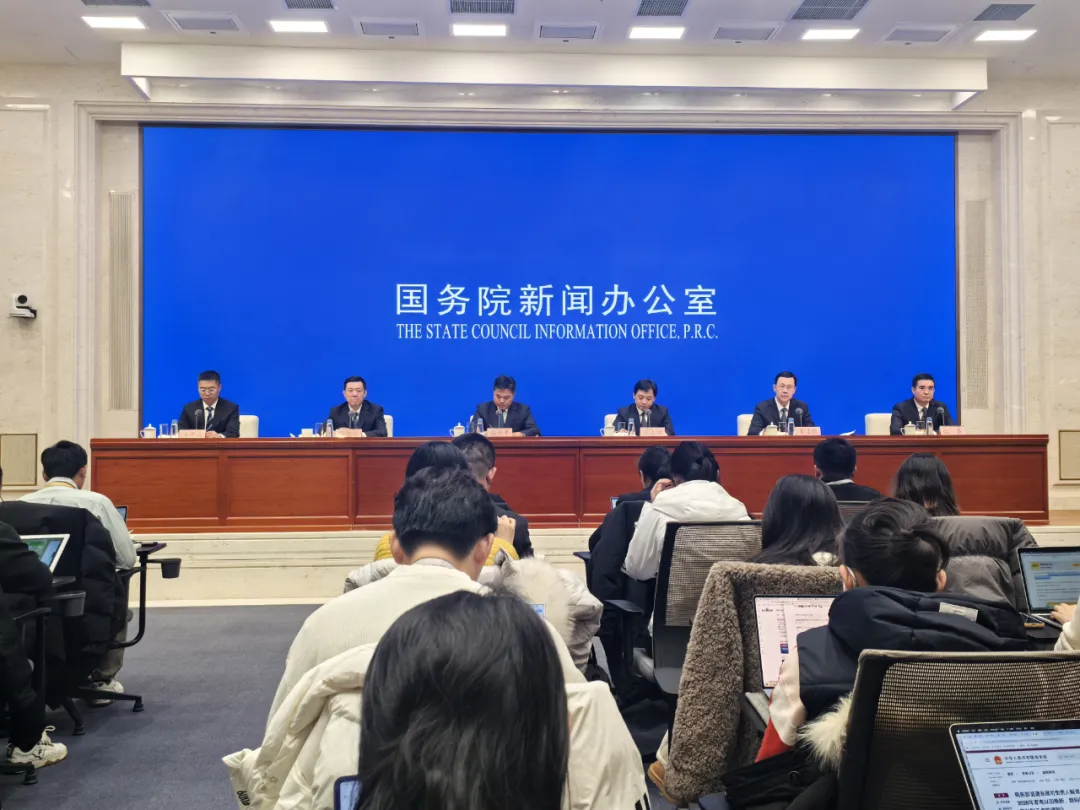
Core Viewpoint - The Ministry of Commerce and nine other departments have issued a notice to implement a green consumption promotion action plan, outlining 20 measures across seven areas to systematically arrange green consumption work during the 14th Five-Year Plan period [1] Group 1: Green Consumption Initiatives - The promotion of green consumption is a key strategy for achieving green low-carbon development, enhancing consumption, and accelerating the comprehensive green transformation of the economy and society [1] - By the end of 2025, the total number of certifications for agricultural products in China is expected to exceed 88,000, with standardized production areas for green food reaching 20.5 million acres [2] - The "old-for-new" policy for consumer goods is seen as a significant opportunity to promote green consumption, with plans to replace 18.3 million cars and 192 million home appliances by 2025, where nearly 60% of the cars will be new energy vehicles [3] Group 2: Economic Impact and Supply Chain - Green consumption is identified as a critical force for economic structural transformation and the cultivation of new growth points, with significant reductions in logistics costs and carbon emissions through the implementation of green supply chains [4] - The standardization rate of pallets has reached 37.8%, with an estimated saving of 250 million disposable pallets, equivalent to protecting 50 million trees and reducing carbon emissions by over 2 million tons [4] - The use of environmentally friendly alternatives has increased by 26.31% in the first half of 2025, reflecting positive outcomes in reducing single-use plastic products [4] Group 3: Waste Management and Circular Economy - The construction of "waste-free cities" is being promoted, aiming to transform waste materials from a societal burden into urban resources, with plans to support around 200 cities in this initiative during the 14th Five-Year Plan period [5] - Efforts will be made to enhance the construction of sorting centers for waste disposal, encouraging local governments to provide policy support for these developments [5] Group 4: Multi-Stakeholder Participation - Promoting green consumption requires the participation of multiple stakeholders, including government, enterprises, and consumers, to form a collaborative effort [6] - The government plans to update national standards and support domestic participation in international standardization activities in the green sector [6] - There will be a focus on enforcing regulations against violations in the areas of green products, energy efficiency labeling, and food waste [6]
吃穿住行用 处处“绿意”浓
Xin Lang Cai Jing· 2026-01-05 22:50
Core Viewpoint - The Chinese government is promoting green consumption through a series of initiatives aimed at fostering sustainable production and lifestyle choices across various sectors, including food, housing, transportation, and recycling [1]. Group 1: Food Sector - The initiative emphasizes increasing the supply of green agricultural products and encourages businesses to procure high-quality items such as organic and geographical indication products [3]. - It aims to reduce food waste by promoting practices like "small portion meals" and the use of biodegradable packaging in the food service industry [3]. Group 2: Housing Sector - The promotion of green living includes encouraging the purchase of certified green appliances and eco-friendly building materials [5]. - The initiative also supports the development of green hotels that utilize non-toxic cleaning agents and provide refillable toiletries instead of single-use plastics [5][6]. Group 3: Transportation Sector - The initiative highlights the growth of the automotive industry, particularly the rise of new energy vehicles, which now account for nearly 60% of the market since the implementation of vehicle replacement policies [7]. - It encourages the exploration of the "aftermarket" potential in areas like used cars, rentals, and shared mobility services, while advocating for the integration of technology to enhance resource efficiency [7]. Group 4: Recycling and Second-hand Market - The initiative promotes a circular economy by encouraging retailers to offer reusable shopping bags and supporting the establishment of a three-tier recycling system [8]. - It also advocates for the development of second-hand markets and the establishment of stores that focus on the resale of used goods, aiming to maximize the value of idle items [8].
江淮观察|安徽最大两个城市,与北上广深一起进行一项试点
Sou Hu Cai Jing· 2026-01-05 13:01
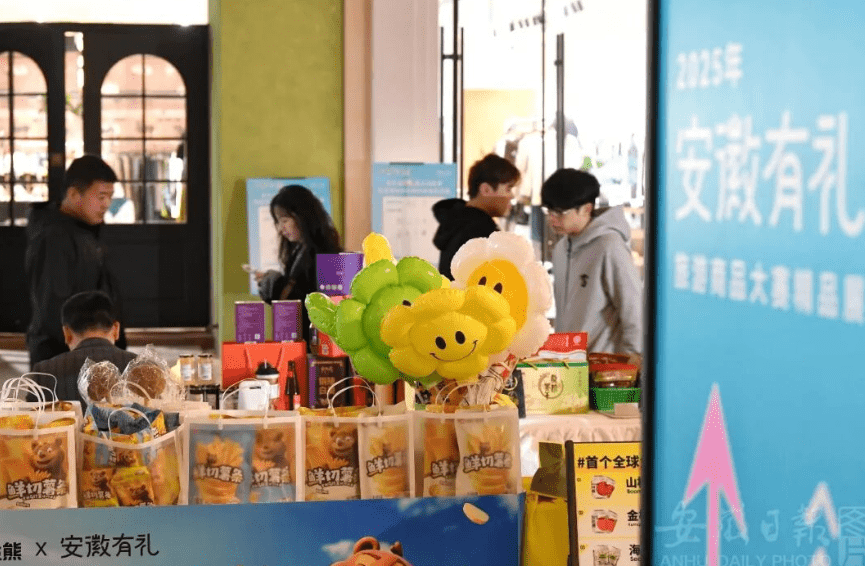
Core Viewpoint - The central economic work conference emphasizes "domestic demand as the main driver, building a strong domestic market" as a priority for economic tasks in 2026, with specific deployments such as "deeply implementing special actions to boost consumption" and "releasing the potential of service consumption" [2] Group 1: Pilot Cities and Economic Context - Hefei and Wuhu, as the largest cities in Anhui, have been selected as part of a national pilot program to explore new consumption formats, models, and scenarios, alongside major cities like Beijing and Shanghai [2][5] - The pilot program aims to stimulate consumption through supply-side reforms, creating new demand and gradually establishing a long-term mechanism to promote consumption and activate the market [2][5] Group 2: Implementation Focus - The pilot program will focus on three main areas: 1. Establishing a service system for the "first launch economy" [7] 2. Innovating diversified service consumption scenarios [7] 3. Supporting cross-industry collaborations with well-known IPs [7] - Hefei and Wuhu are expected to receive 400 million yuan and 300 million yuan in central government subsidies, respectively, to support these initiatives [8] Group 3: Local Economic Development - Hefei has shown significant growth in its consumption sector, with 21 national-level pilot projects approved, accumulating over 1 billion yuan in national funding [10] - Wuhu's retail sales of consumer goods have grown from 189.3 billion yuan in 2020 to 201.8 billion yuan in 2024, with an average annual growth rate of about 7% [13] Group 4: Strategic Goals - Hefei aims to become an "international consumption center city," while Wuhu targets the establishment of a landmark "new product launch center" [3][16] - Both cities plan to attract high-profile domestic and international brands to set up flagship stores and host high-end launch events [16] Group 5: Innovation in Consumption Scenarios - Hefei plans to develop new cultural facilities and immersive experiences, while Wuhu will leverage digital technology to create new tourism consumption scenarios [17][18] - The focus will also be on revitalizing traditional brands and creating themed experiences to enhance consumer engagement [20]
九部门:20条举措推动绿色消费,支持买新能源车
Sou Hu Cai Jing· 2026-01-05 11:02
Core Viewpoint - The Ministry of Commerce and nine other departments jointly issued a notice to promote green consumption during the "14th Five-Year Plan" period, aiming to enhance the green consumption incentive mechanism and facilitate a transition to a green, low-carbon lifestyle, thereby injecting green momentum into high-quality development [2][3][4]. Group 1: Green Agricultural Products - The notice encourages enterprises to expand the procurement of high-quality green food, organic agricultural products, and geographical indication products, and supports the establishment of dedicated sales areas for green agricultural products [2]. - It promotes direct procurement activities between green agricultural production bases and large supermarkets, community stores, and catering enterprises to increase the market supply of quality green agricultural products [2]. Group 2: Green Home Appliances and Renovation - The notice advocates for the purchase of green certified smart home appliances and encourages the use of green building materials in home renovations [3]. - It aims to improve energy and water efficiency standards for home appliances and supports the inclusion of qualified green home appliance brands in the list of Chinese consumer products [3]. Group 3: Green Automotive Consumption - The notice supports consumers in purchasing new energy vehicles and aims to strengthen the automotive industry chain while exploring the potential of the used car market and new consumption models such as RV camping and car-sharing [3]. Group 4: Green Dining - The notice urges catering service providers to comply with relevant laws and standards, promoting practices that reduce waste and encourage the use of biodegradable packaging [3]. - It encourages initiatives like the "Clean Plate Campaign" and the introduction of "green dining" service labels by internet platforms [3]. Group 5: Green Accommodation - The notice promotes the development of green hotels that utilize non-toxic, water-saving, and biodegradable cleaning products, and encourages the use of refillable toiletries [4]. - It suggests that online platforms actively promote green hotels through special designations and incentives for consumers [4]. Group 6: Green Housekeeping - The notice advocates for the use of environmentally friendly housekeeping products and innovative service models, including online booking and shared housekeeping services [4]. - It encourages the application of smart devices to enhance the efficiency and quality of housekeeping services [4]. Group 7: Financial Support for Green Consumption - The notice encourages financial institutions to increase support for green consumption loans and to provide convenient services for users with good green consumption records [4]. - It promotes the innovation of financial products to support green consumption, including insurance and the establishment of a project library for green consumption infrastructure [4].

商务部等9部门关于实施绿色消费推进行动的通知
中汽协会数据· 2026-01-05 09:04
Core Viewpoint - The article emphasizes the importance of promoting green consumption as a means to accelerate economic and social development while achieving a comprehensive green transformation during the "14th Five-Year Plan" period [1]. Group 1: Enriching Green Product Supply - Encourage the supply of green agricultural products, including organic and high-quality goods, and support the establishment of dedicated sales areas for these products [1]. - Promote the purchase of green home appliances and building materials, focusing on energy efficiency and sustainability [2]. - Support the consumption of new energy vehicles and explore the potential of the automotive aftermarket [2]. Group 2: Enhancing Green Service Consumption - Develop green dining practices by encouraging restaurants to adopt standards that reduce waste and promote the use of biodegradable materials [3]. - Foster green accommodation by promoting eco-friendly practices in hotels and encouraging the use of sustainable products [4]. - Innovate in green housekeeping services by promoting the use of non-toxic cleaning products and smart home technologies [4]. Group 3: Innovating Green Consumption Models - Promote the development of green supply chains and encourage the use of environmentally friendly products and packaging [5]. - Establish a green consumption points system to incentivize consumers for purchasing green products and services [5]. - Encourage innovative sharing models in green consumption, leveraging technology for efficient resource use [6]. Group 4: Promoting Green Circular Recycling - Reduce the use of single-use plastic products and promote the use of reusable alternatives [7]. - Establish a comprehensive recycling system for waste materials, focusing on furniture, electronics, and textiles [8]. - Support the development of second-hand goods markets and encourage community initiatives for recycling and reuse [8]. Group 5: Optimizing the Green Consumption Environment - Promote energy-efficient facilities and encourage the use of green electricity in businesses [9]. - Raise awareness of green consumption and advocate for low-carbon lifestyles among consumers [9]. - Strengthen public awareness campaigns to promote green consumption as part of national environmental initiatives [9]. Group 6: Strengthening Policy Support - Enhance policy integration and coordination among various departments to support green consumption initiatives [12]. - Increase credit support for green consumption loans and encourage financial institutions to collaborate with businesses [12]. - Innovate financial products to provide insurance and investment opportunities for green consumption projects [12].

加大信贷投放,创新金融产品——九部门联合部署绿色消费推进行动!
Xin Lang Cai Jing· 2026-01-05 08:35
Core Viewpoint - The Ministry of Commerce and nine other departments jointly issued the "Notice on Implementing Green Consumption Promotion Actions," outlining arrangements for green consumption during the 14th Five-Year Plan period, aiming to enhance the incentive mechanism for green consumption and promote a green, low-carbon lifestyle for high-quality development [1][5]. Group 1: Enhancing Green Product Supply - The notice emphasizes increasing the supply of green agricultural products, encouraging enterprises to expand procurement of high-quality items such as organic and geographical indication products, and supporting the establishment of dedicated sales areas for green products [2][6]. - It advocates for the promotion of green home appliances and home decoration, encouraging the purchase of certified green products and improving energy and water efficiency standards [2][6]. - The notice also supports the promotion of green automotive consumption, including the purchase of electric vehicles and the exploration of potential in the used car and car-sharing markets [2][6]. Group 2: Improving Green Service Consumption - The notice calls for the development of green dining services, urging restaurants to implement standards that reduce waste and promote the use of biodegradable packaging [3][7]. - It highlights the need for green accommodation, encouraging hotels to adopt eco-friendly practices and provide sustainable amenities [3][7]. - The notice promotes green housekeeping services, advocating for the use of non-toxic cleaning products and innovative service models [3][7]. Group 3: Financial Support for Green Consumption - The notice proposes increasing credit support for green consumption loans, encouraging financial institutions to offer favorable services to consumers with good green consumption records [4][8]. - It calls for the innovation of financial products to provide insurance for green consumption and the establishment of a project library for green consumption infrastructure [4][8].
新华鲜报丨9部门发文!中国实施绿色消费推进行动
Xin Hua Wang· 2026-01-05 08:30
Core Viewpoint - The Chinese government, through nine departments including the Ministry of Commerce, has launched a green consumption promotion initiative aimed at fostering a green, low-carbon lifestyle and production methods across various sectors [1]. Group 1: Food Sector - The initiative emphasizes increasing the supply of green agricultural products and promoting green dining practices [3][4]. - It encourages businesses to procure high-quality products such as organic and geographical indication agricultural products, while also advocating for reduced cooking oil emissions and the use of biodegradable packaging [4]. Group 2: Housing Sector - The initiative promotes the purchase of green-certified smart home appliances and eco-friendly building materials [5][6]. - It encourages the development of green hotels that utilize non-toxic, water-saving cleaning agents and provide refillable toiletries, while also innovating in health-oriented guest services [6]. Group 3: Transportation Sector - The initiative aims to strengthen the automotive industry by exploring the potential of the second-hand car market and promoting new consumption models such as RV camping and car-sharing [8]. - It highlights the importance of technology in supporting green consumption through smart products and resource optimization [8]. Group 4: Recycling and Second-hand Market - The initiative promotes green recycling practices and encourages retailers to offer reusable shopping options [9]. - It outlines the establishment of a three-tier recycling system and supports the development of second-hand shops to enhance the value of idle goods [9]. Group 5: Challenges and Future Outlook - The initiative acknowledges existing shortcomings in the green consumption market, such as the lack of unified standards and regulations in the second-hand market [10]. - It aims to align domestic green consumption standards with international ones, fostering deeper integration and cooperation in standardization [10].