
茶叶

Search documents
泉州40多万名女性融入产业链“妇联矩阵”
Xin Lang Cai Jing· 2025-12-30 23:17
Group 1 - The core idea of the news is the establishment of an innovative "Women’s Federation Matrix" in Quanzhou, which integrates various industry chains and promotes women's participation in key sectors [1] - The "Women’s Federation Matrix" covers nearly 20,000 enterprises across 9 key industry chains, including textiles, petrochemicals, tea, umbrellas, ceramics, stone carving, and plumbing [1] - Nearly 1,000 women's organizations have been established "on the chain," with around 500 outstanding women serving as executive members, connecting over 400,000 female practitioners [1] Group 2 - The initiative focuses on leveraging female leaders and entrepreneurs as "chain masters" to drive women's entrepreneurship and innovation through a "leading goose effect" [2] - The program has successfully trained over 5,000 female university students in cloud economy initiatives and has implemented a "production-education integration" mechanism, training over 3,000 individuals and incubating more than 130 outstanding female "new farmers" [2]
新华丝路:中国茶迎来"世界共享"新机遇
Xin Lang Cai Jing· 2025-12-30 09:45
Core Insights - The Chinese tea industry is transitioning from a pillar for poverty alleviation to a key driver for rural revitalization [1] - China's tea production has exceeded 37 million tons, with a total output value surpassing 330 billion yuan, playing a significant role in supporting regional economies and increasing farmers' income [1] - Tea has become one of the world's three major beverages, with over 2 billion people having a tea-drinking habit globally [1] Industry Development - The 2025 Global Green Tea Conference highlighted the development of the tea industry in Wuyuan, Jiangxi, showcasing the integration of tourism, industrial development, and cultural innovation to promote the transformation and upgrading of the tea industry [1] - Wuyuan has nearly 210,000 acres (approximately 14,000 hectares) of tea gardens, with an industry output value exceeding 6 billion yuan, making the tea industry a key source of income for the local population [1] - The tea industry in Wuyuan is expected to significantly contribute to the wealth of local residents and the prosperity of the local economy [1]
(乡村行·看振兴)湖北保康“茶山新事”:茶产业转型“长新芽”
Zhong Guo Xin Wen Wang· 2025-12-29 11:08
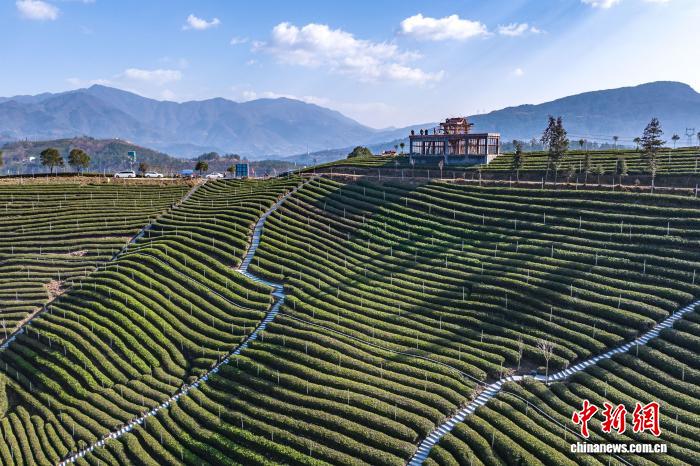
中新网湖北保康12月29日电 题:湖北保康"茶山新事":茶产业转型"长新芽" 作者 张倩龙 严楚勇 杨东 "希望打造一个集吃、住、游、玩、学一体的茶文旅融合基地。"荆襄红茶业有限公司总经理吕先奎称, 当地已有不少茶农投身旅游经营、研学服务等领域,保康的茶旅融合发展正有效推进茶叶增效、茶农增 收。 此外,保康推广"公司+合作社+农户"模式,将分散茶农紧密嵌入产业链条,全县80%以上茶农已加入专 业合作社。截至目前,保康茶产业已带动全县农户户均年增收8000多元。据吕先奎介绍,罗仕沟有机茶 园每年临时用工超2000人次,合作社真正成为"茶农之家"。 在罗仕沟村的茶园,茶农正在劳作。杨东 摄 数据显示,在保康,20万亩茶园成为5万多民众的"致富园",年综合产值突破20亿元。保康县农业农村 局副局长周心怀表示,保康在生态茶园内实施茶文化展示、研学旅行、避暑康养等项目,积极推动茶旅 融合发展。下一步将以巩固提升10万亩"湖北省优质农产品(茶叶)生产基地"为抓手,项目化、品牌化推 动茶产业延链强链建设。(完) 临近岁末,走进湖北省保康县黄堡镇黄龙沟村,工人们正忙着改造茶园,铺设管道。 保康县茶叶种植历史悠久,是"襄阳高香 ...

韩路二么乃舞出双面精彩
Xin Lang Cai Jing· 2025-12-28 20:29
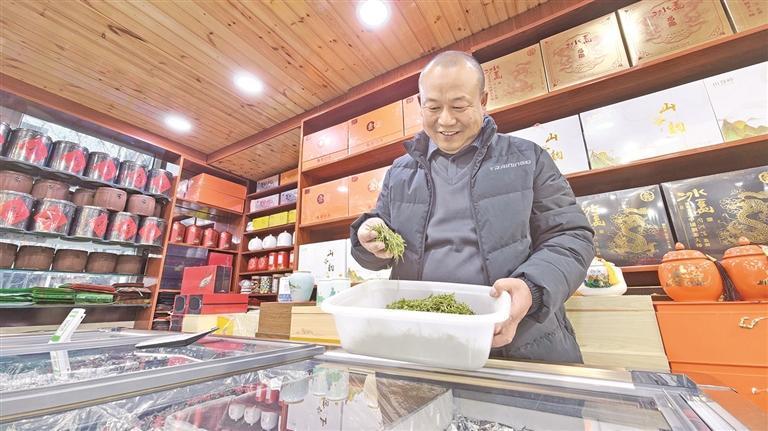
Core Insights - The article highlights the journey of Han Lu Er Me Nai, who transitioned from running a noodle shop to starting a tea business, recognizing the higher profit margins in the tea industry compared to the noodle business [4][5][6]. Group 1: Business Transition - Han Lu Er Me Nai initially opened a noodle shop in Kaifeng, investing over 10,000 yuan and eventually expanding to 19 noodle shops across various provinces [5][6]. - After years of hard work, he decided to shift his focus to the tea business, believing it held greater potential for profit and sustainability [7][8]. Group 2: Tea Business Development - In 2015, Han officially started his tea business in his hometown of Hualong, Qinghai, after returning from years of working in the noodle industry [9]. - He invested 100,000 yuan in his first tea purchase and emphasized the importance of showcasing tea quality to attract customers [10]. - Han's approach included providing free samples with purchases, which helped build a strong reputation and customer trust within the local community [10][11]. Group 3: Community Connection - The tea business serves as a bridge connecting Han's hometown with the noodle shops run by fellow Qinghai natives across the country, facilitating the purchase of local products [11][12]. - Han's commitment to quality and affordability has made his tea a staple in many noodle shops, ensuring that customers enjoy good tea alongside their meals [11][12]. Group 4: Social Responsibility - Han has actively contributed to his community, providing support during crises such as the pandemic and natural disasters, demonstrating a commitment to giving back to his roots [12][13]. - His journey reflects a broader narrative of individuals from Qinghai who venture out to gain experience and return to foster development in their hometowns [13].
绿茶第一采!2026年第一口茶的鲜爽,来贵州品鉴
Xin Lang Cai Jing· 2025-12-28 15:18
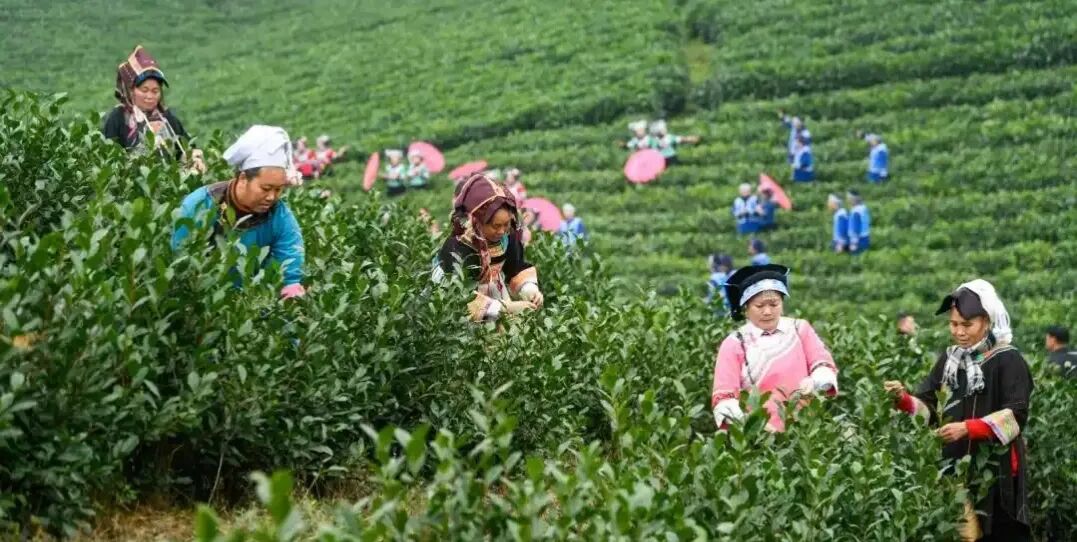
Core Insights - The "Guizhou Green Tea" first picking event will officially commence on January 1, 2026, in Puan County, Guizhou, with sub-venues in Anlong County and Shiqian County, aiming to promote Guizhou's early tea brand and boost local tea enterprises and farmers' income [1][3][5] Group 1: Event Overview - The event will feature cultural performances and activities centered around the theme "China's First Picking, Guizhou's Early Tea Aroma," showcasing Guizhou's tea quality and promoting market opportunities [1][3] - The event aims to create a buzz in the early tea market and support the high-quality development of the tea industry in Guizhou, marking a strong start for the new year [3][5] Group 2: Guizhou's Tea Industry - Guizhou is recognized as one of the best regions for tea cultivation in China due to its unique ecological environment, which contributes to the high quality of Guizhou green tea [5][8] - The "Guizhou Green Tea" first picking event has been successfully held for five consecutive years since its inception in 2021, further solidifying Guizhou's position as a key player in the early tea market [5][12] Group 3: Economic Impact - The tea industry is a pillar of rural economic development in Guizhou, with the first picking event contributing significantly to farmers' income and rural revitalization [5][8] - In 2025, Puan's early tea market achieved a total transaction volume of 3.8 billion yuan, benefiting over 18,000 households and demonstrating the economic impact of the tea industry [13] Group 4: Regional Highlights - Puan County is known as the "World Tea Source" and has a significant advantage in early tea picking, starting 15 to 20 days earlier than most regions in China [13] - Shiqian County, recognized as "China's Toad Tea Town," boasts a rich history and unique tea varieties, contributing to the region's tea culture and economic growth [15] - Anlong County, with its favorable climate for tea cultivation, has expanded its tea garden area to 75,000 acres, supporting local employment and economic development [16]
低价茶“擦边”中华烟,涉事店铺停业丨消费质量年终回访⑲
Bei Ke Cai Jing· 2025-12-26 11:56
Core Viewpoint - The article discusses the sale of tea products packaged to resemble well-known cigarette brands, raising concerns about consumer deception and product quality [1][2][3] Group 1: Product Packaging and Sales - Some e-commerce live streamers are selling tea products packaged in boxes similar to famous cigarette brands like "Zhonghua" and "He Tian Xia," priced around 10 yuan [1][2] - A follow-up investigation revealed that the previously sold "cigarette tea" products have largely disappeared, with many sellers either changing names or ceasing operations [1][3] - Current listings still show some tea products with similar shapes to cigarette boxes, but they do not imitate well-known cigarette brands [4] Group 2: Product Quality Concerns - A tea industry expert evaluated the purchased tea and found it to be of poor quality, lacking the expected flavor and aroma [6] - The tea products were found to be underweight, with one claiming to be 6 grams but actually weighing only 4.84 grams [6] - The packaging of these products often lacks proper labeling, failing to provide necessary production information [7] Group 3: Consumer Warnings and Legal Implications - Legal experts suggest that the packaging of these tea products may infringe on trademark rights, as the "Zhonghua" brand is a registered trademark [8] - Consumer associations advise buyers to be cautious of low-priced tea products and to choose those from reputable manufacturers that meet national standards [8] - There are also concerns about "tea cigarettes," which are marketed as healthier alternatives but may contain harmful substances [9][10]
实力认证!这三款粤茶跻身“国字号”
Nan Fang Nong Cun Bao· 2025-12-26 10:34
Core Viewpoint - Three types of tea from Guangdong, namely Nanhsiung Dan Cong tea, Deqing green tea, and Xingning green tea, have been recognized as "national special agricultural products," highlighting their quality and uniqueness, which will drive the branding and standardization of the Guangdong tea industry [2][3][19]. Group 1: Recognition and Impact - The recognition of Nanhsiung Dan Cong tea, Deqing green tea, and Xingning green tea as national special agricultural products is a significant acknowledgment of their quality and characteristics [2][3]. - This recognition is expected to inject new momentum into the branding and standardization development of the Guangdong tea industry [3][19]. Group 2: Regional Characteristics and Production - Nanhsiung is located at the border of Guangdong and Jiangxi, providing a favorable ecological environment for tea growth, with major cultivation areas in Nanshu Town, Jiangtou Town, and Pingtian Town [5]. - Deqing has a long history as a major tea-producing area in Lingnan, with over 20,000 acres of tea cultivation, and its green tea is known for its yellow-green color, rich aroma, and lasting sweetness [9][10]. - Xingning is an important center for Hakka tea culture, with a long history of green tea cultivation, and its tea has been recognized for its quality, even being exported to Southeast Asia [13][14].

2025年11月中国茶叶出口数量和出口金额分别为4.08万吨和1.53亿美元
Chan Ye Xin Xi Wang· 2025-12-26 03:26
Core Insights - The report by Zhiyan Consulting highlights the competitive landscape and investment recommendations for the Chinese tea industry from 2026 to 2032 [1] Export Performance - In November 2025, China's tea exports reached 40,800 tons, marking an 18.4% year-on-year increase [1] - The export value for the same period was $15.3 million, reflecting an 18.8% year-on-year growth [1] Industry Analysis - Zhiyan Consulting is recognized as a leading industry consulting firm in China, specializing in in-depth industry research reports, business plans, feasibility studies, and customized services [1] - The firm emphasizes its commitment to providing comprehensive industry solutions to empower investment decisions through professional insights and market acumen [1]

品品香26载有机坚守,让中国有机白茶走向全球高端市场
Xin Lang Cai Jing· 2025-12-25 13:18
Core Viewpoint - The article highlights how Pinpinxiang, a leader in Chinese white tea, has established a comprehensive organic industry system over 26 years, addressing challenges in the tea industry and promoting sustainable development while enhancing the quality and market competitiveness of Chinese organic white tea [1][2]. Group 1: Organic Industry System Construction - Pinpinxiang initiated the first fully organic tea garden in Fujian in 1999, marking the beginning of China's exploration into organic white tea [4]. - Over 26 years, Pinpinxiang has expanded its organic operations, achieving multiple international organic certifications and establishing five major organic tea bases covering over 5,300 acres [6]. - The company has received numerous accolades, including the "Outstanding Contribution Award for Organic Tea Development," reflecting its commitment to quality and industry leadership [6]. Group 2: Linking Global Consumer Markets - With rising consumer demand for safe and high-quality agricultural products, Pinpinxiang's commitment to organic practices directly addresses these needs, emphasizing ecological responsibility and consumer health [9][10]. - The company has implemented a "farmer-led" cooperative model, enhancing the overall quality and value of white tea while benefiting thousands of tea farmers [10]. - Pinpinxiang has maintained rigorous international organic certifications for 19 consecutive years, facilitating access to global high-end markets and promoting a healthy lifestyle [13]. Group 3: New Chapter for Chinese Tea - Looking ahead, Pinpinxiang plans to innovate its organic practices, including the use of drones for precision farming and the development of low-carbon tea certifications [16]. - The company's vision is to transform Chinese organic white tea into a globally shared product, enhancing its cultural and taste connections between China and the world [18]. - The successful model established by Pinpinxiang serves as a valuable reference for the high-quality development of the Chinese tea industry, emphasizing long-term commitment, international standards, and collaborative growth [19].
“蝉咬蜜韵” 香万家!河源紫金蝉茶亮相文明集市丨文明集市县域行⑧
Nan Fang Nong Cun Bao· 2025-12-25 08:04
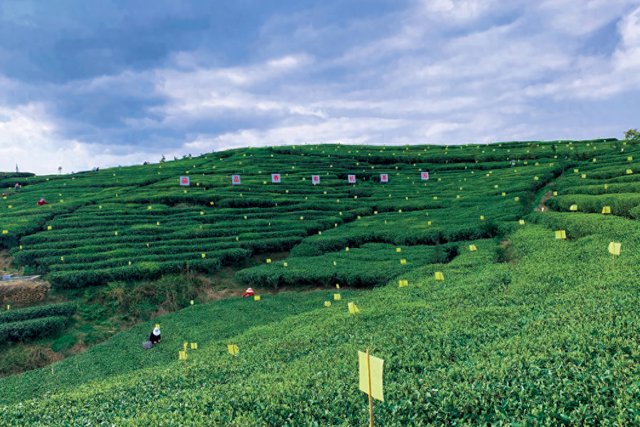
Core Viewpoint - The article highlights the promotion of Zijin tea, particularly the unique "Zijin cicada tea," at a consumer event in Huizhou, showcasing its appeal and the region's rich ecological environment for tea cultivation [2][3][8]. Group 1: Product Promotion - The "Zijin cicada tea" attracted many visitors due to its distinctive floral and fruity aroma, especially the "Oriental Beauty" variety, which is favored by local consumers [3][8]. - The event featured a strong turnout, with many attendees expressing interest in the tea products [7]. Group 2: Ecological and Historical Context - Zijin County boasts a favorable natural environment with a forest coverage rate of 76.7%, and air and water quality consistently meeting national standards [11][12]. - The region is recognized as one of the three major tea-producing areas in Guangdong, with a historical background dating back to the Ming and Qing dynasties [13][20]. Group 3: Industry Development - The local government has prioritized tea industry development as a key initiative for economic growth, implementing a three-year action plan that has elevated Zijin cicada tea to one of Guangdong's top three teas [20]. - By November 2025, the tea planting area and output value in Zijin County are projected to reach 90,000 acres and 21.57 billion yuan, respectively, with a brand value exceeding 3.5 billion yuan [21][22]. Group 4: Certifications and Achievements - Zijin County has established 26 provincial-level ecological tea gardens and 28 processing plants with SC certification, along with various organic and pollution-free certifications [23][25]. - The Zijin cicada tea has received numerous awards, totaling 221 honors, ranking first among participating counties in Guangdong [26][28]. Group 5: Broader Product Range - In addition to tea, Zijin County showcased other local products such as Zijin pepper sauce, Wuzhi peach, and Jabuticaba wine, enhancing the region's reputation as a diverse agricultural hub [30][31].