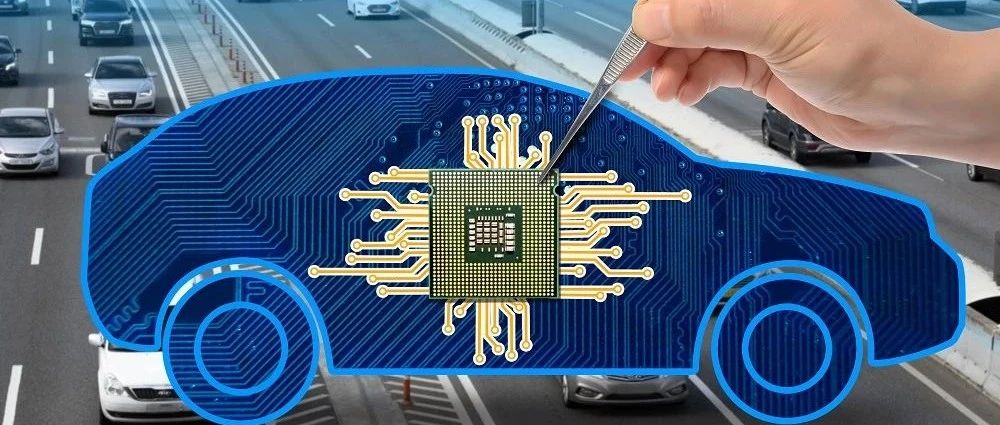
芯片制造

Search documents
一线城市探索房票制度,中芯国际年营收增近三成 | 财经日日评
吴晓波频道· 2025-03-28 17:03
Group 1: Housing Policy - The four first-tier cities in China have begun exploring the housing ticket system, with Shenzhen's policy set to take effect on April 9, 2025 [1] - Guangzhou is the first among these cities to implement the housing ticket policy, with a plan released in early 2024 [1] - The housing ticket system aims to diversify compensation methods for urban renewal projects and is seen as a way to stimulate demand in the real estate market [1][2] Group 2: Semiconductor Industry - SMIC reported a revenue increase of 27.7% year-on-year, reaching 57.8 billion yuan, but net profit fell by 23.3% to 3.7 billion yuan [3] - The company anticipates stable or moderate growth in market demand across various application fields in 2025, with external uncertainties expected in the latter half of the year [3][4] - SMIC's challenges include competition and limitations in advanced manufacturing processes, impacting profitability despite increased sales [3][4] Group 3: Employment and Gig Economy - WeChat has launched a new feature called "Nearby Jobs," allowing users to find gig work easily, covering over 20,000 job postings across various fields [5][6] - This feature aims to enhance the efficiency of job searching in the gig economy, which is increasingly significant in the national employment landscape [6] Group 4: E-commerce and AI - Taobao has initiated a comprehensive governance program against AI-generated fake images to protect consumers and original brands [7][8] - The Chinese government has introduced regulations for AI-generated content, effective from September 1, 2025, to ensure responsible use of AI technology [7][8] Group 5: Gaming Industry - Tencent is investing 1.16 billion euros to acquire a 25% stake in a new subsidiary of Ubisoft, focusing on popular game franchises [9][10] - This investment reflects Tencent's strategy to deepen its collaboration with Ubisoft, enhancing its presence in the gaming sector [10] Group 6: Snack Industry - Three Squirrels has announced plans for an IPO in Hong Kong, aiming to raise funds for expanding its supply chain and international branding [13][14] - The company reported a revenue of 10.622 billion yuan, a 49.3% increase, and a net profit of 408 million yuan, up 85.5% [13][14] Group 7: Stock Market Performance - The stock market experienced fluctuations, with the Shanghai Composite Index closing down 0.67% on March 28, 2024, amid a trading volume of 1.12 trillion yuan [15][16] - The market showed a lack of clear direction, with various sectors experiencing mixed performance, influenced by both internal and external factors [16]



Wolfspeed,任命CEO
半导体芯闻· 2025-03-28 10:01
费 尔 勒 曾 在 美 光 科 技 担 任 了 十 年 高 管 职 务 , 他 将 于 5 月 1 日 起 接 替 托 马 斯 · 沃 纳 (Thomas Werner)。沃纳将重返董事长一职。 洛威于 11 月被无故罢免。 Feurle 最近在欧洲半导体公司 ams-OSRAM AG 担任该公司光电半导体业务部门的执行副总裁。 在此之前,他曾担任芯片制造公司英飞凌科技股份公司的总经理。 如果您希望可以时常见面,欢迎标星收藏哦~ 来源:内容来自路透社,谢谢。 片制造商 Wolfspeed 周四表示,任命行业资深人士 Robert Feurle 为首席执行官,几个月前该公 司董事会罢免了前任高管 Gregg Lowe。 在汽车、工业和能源终端市场订单放缓的情况下,Wolfspeed 已调整其运营方式,包括去年关闭部 分工厂,以提高盈利能力。 费尔勒在一份声明中表示:"我非常有信心,我们将能够度过这一转型期,更新运营计划,提高财 务业绩,并加速实现正自由现金流的进程。" Feurle 拥有 20 多年领导全球组织的经验,这些组织开发了汽车和其他高压应用领域最先进的功率 半导体解决方案,包括硅和碳化硅。Feurle ...

特朗普的关税大棒打在马斯克身上?
Sou Hu Cai Jing· 2025-03-28 04:21
Group 1 - The core issue is that Trump's tariffs are impacting the entire global supply chain, with significant effects on companies like Tesla, which relies heavily on imported components [1][3]. - Tesla's supply chain is largely dependent on Chinese companies for battery production, and the rising costs of imported parts due to tariffs will hurt consumers and potentially reduce Tesla's sales [3][5]. - The tariffs may lead American consumers to opt for cheaper gasoline vehicles, which poses a threat to Tesla's sales growth and stock price, as the company relies on increasing sales volume [5][6]. Group 2 - The tariffs are expected to benefit companies like BYD and Geely, while major global automakers such as Toyota, Volkswagen, and Hyundai will also face challenges due to the increased costs [5][6]. - Musk's relationship with Trump raises questions about the motivations behind the tariffs, as they seem to target the entire import automotive industry rather than providing specific support to Tesla [5][8]. - Tesla's global strategy is both a vulnerability and a strength, as the company is caught in a political maneuver that prioritizes broader economic and political goals over the interests of individual companies [8].


中芯国际的破局时刻:营收新高背后的利润困局
Sou Hu Cai Jing· 2025-03-27 22:45
Core Insights - Semiconductor company SMIC reported a record revenue of 57.7 billion yuan, but net profit decreased by 23.3%, highlighting the challenges of growth in the industry [1][3] - Revenue increased by 27.7% year-on-year, while net profit dropped, indicating a significant decline in operational efficiency [3] - The company experienced a 36.7% increase in wafer shipments, but the average price per wafer fell by 4.7%, reflecting intense price competition in the market [3] Business Structure - Traditional businesses such as smartphones and consumer electronics still account for 65% of revenue, but competitive pressures are increasing [3] - Emerging demand for AI computing chips is growing, but profitability is being squeezed as the company balances maintaining mature processes and investing in advanced technologies [3] - R&D expenditure as a percentage of revenue has decreased to 9.4%, which is low compared to competitors like TSMC and Samsung, who invest around 15% [3] Capital Expenditure and Dividends - SMIC's capital expenditure reached 7.3 billion USD, with no dividends paid, indicating a focus on long-term investments over immediate returns [3] - The company is investing heavily in building 12-inch wafer production lines, which require substantial capital, amidst a competitive landscape for advanced process technologies [3] Future Outlook - Management expresses confidence in outpacing industry growth rates by 2025, driven by the demand for AI computing [4] - Geopolitical risks remain a concern, as recent supply chain disruptions have highlighted vulnerabilities in the industry [4] - The ability to maintain cash flow in mature processes while advancing in 14nm and below technologies will be crucial for the company's future positioning in the semiconductor industry [4]
国产MCU,系统应用中开辟新路径
半导体行业观察· 2025-03-24 01:23
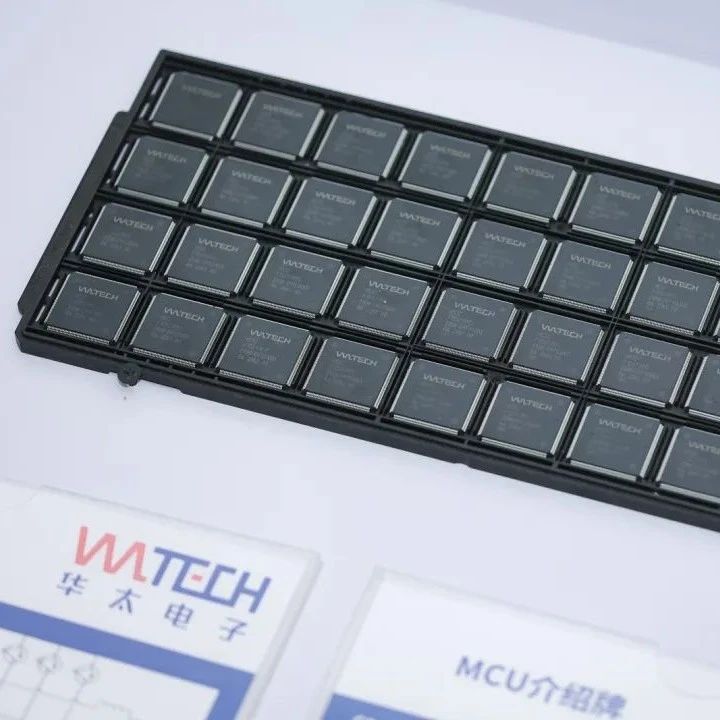
Core Viewpoint - The article emphasizes the rapid growth of the photovoltaic (PV) and variable frequency control sectors, highlighting the critical role of MCU chips in determining system efficiency, reliability, and cost competitiveness. Huatai Electronics has developed high-performance MCU chips based on the ARM dual-core Cortex-M7 architecture, which have been widely adopted in PV inverters and industrial frequency converters. However, overcoming market trust barriers due to high migration costs and international competition remains a key challenge [1][2][22]. Industry Pain Points - High migration costs for customer systems pose significant challenges, as switching from imported MCUs often requires extensive system reconstruction due to deep integration with existing architectures. This includes hardware compatibility, software ecosystem dependencies, and certification barriers, leading to reluctance in adopting domestic chips despite comparable performance [3][2]. Technical Breakthroughs - Huatai's MCU chips utilize a dual-core Cortex-M7 design with a clock speed of 300MHz, featuring 2MB eFlash and 512kB SRAM. This architecture addresses core industrial control needs, demonstrating significant advantages over single-core solutions, such as maintaining a total harmonic distortion (THD) below 2% and achieving a maximum power point tracking (MPPT) efficiency of 99.6% [8][9]. Verification System - Huatai has established a three-tier verification system encompassing chip, module, and system levels. This includes an automated testing system for critical parameters, ensuring high accuracy and reliability through extensive pressure testing [10][12]. Reference Design Development - The company offers turnkey solutions for PV inverter applications, significantly reducing customer code migration workload by 70% through hardware abstraction layers. The use of low-loss SJ IGBT core devices enhances overall efficiency and energy savings [11][12]. Ecosystem Construction - To alleviate customer concerns, Huatai has built a "soft and hard collaborative" ecosystem, providing toolchain compatibility, shared algorithm libraries, and certification support to streamline the product launch process [17][18][19]. Market Insights - The article suggests that domestic chip companies must shift from a traditional chip-selling mindset to a system-oriented approach, creating a value loop that demonstrates tangible benefits such as increased energy generation and reduced failure rates. This strategy is essential for building market trust and achieving breakthroughs [22][23]. Conclusion - In the competitive landscape of industrial control chips, understanding application scenarios and delivering value is crucial. Huatai Electronics has not only validated the technical capabilities of its dual-core M7 chips but has also established a trust bridge from silicon to system, which is vital for breaking market monopolies and achieving domestic substitution [23].
基金经理疯狂减仓美股,银行消费贷利率降至2.49% | 财经日日评
吴晓波频道· 2025-03-19 16:44
Group 1: Consumer Loans - Some banks have reduced consumer loan rates to as low as 2.49% annually, indicating a clear downward trend in personal consumption loan rates [1][2] - Major banks like China Merchants Bank and Ping An Bank have introduced limited-time coupons for their consumer loan products, resulting in a nearly 10 basis point difference in rates within a short period [1] - The current one-year policy rate (LPR) is 3.1%, suggesting that banks may be operating at a loss with these low rates, as they often come with strict conditions for borrowers [1][2] Group 2: Real Estate Market - A recent land auction in Beijing saw a record-breaking floor price of 10.23 million yuan per square meter, with a 27.9% premium, reflecting strong demand in prime locations [3][4] - The real estate market continues to exhibit a "two extremes" phenomenon, with high demand in popular areas while other regions remain sluggish [4] - Core cities may increase the supply of quality land to better meet market demand for desirable properties [4] Group 3: Gaming Industry - In February, China's gaming market generated 27.935 billion yuan, a 10.11% month-on-month decline but a 12.30% year-on-year increase, with mobile games accounting for over 70% of the revenue [5][6] - The introduction of AI-driven NPCs in games marks a significant technological upgrade, with companies like NetEase and Tencent leading the way [5][6] - The gaming industry is facing challenges due to a lack of blockbuster titles in the client game segment, while mobile games continue to thrive [6] Group 4: Automotive Industry - Three major automakers, Chery, GAC, and Zeekr, announced plans for mass production of L3 autonomous vehicles, with Chery aiming for a price point as low as 60,000 yuan [7][8] - The competition in the smart driving sector is intensifying, with multiple companies announcing their plans to launch L3 autonomous vehicles in the near future [7][8] - The successful implementation of L3 technology is seen as a critical step towards full automation in the automotive industry [8] Group 5: Technology Sector - Xiaomi reported a record revenue of 365.906 billion yuan for 2024, with a 35% year-on-year increase, and an adjusted net profit growth of 41.3% [9][10] - The company's smartphone and IoT segments showed strong growth, while its electric vehicle business is also gaining traction despite initial losses [9][10] - Xiaomi's increased R&D and marketing expenses are expected to be manageable due to the robust performance of its core businesses [10] Group 6: Stock Market Trends - Global fund managers have significantly reduced their U.S. stock holdings by 40%, reflecting concerns over economic stagnation and inflation [13][14] - The sentiment in the U.S. stock market is shifting, with increasing fears of recession and a decline in enthusiasm for AI investments [13][14] - The Chinese stock market experienced a slight decline, with the Shanghai Composite Index falling by 0.1% amid a lack of strong market catalysts [15][16]
美商务部长吁盟:不让中国获得芯片
半导体芯闻· 2025-03-19 10:34
Core Viewpoint - The Trump administration is seeking to prevent China from acquiring American chips by tightening export controls and collaborating with allies to align restrictions on semiconductor technology [1][2]. Group 1: Export Controls and International Cooperation - The U.S. government plans to incorporate export controls into trade agreements, urging countries to choose sides between the U.S. and China, emphasizing the importance of democratic values [1]. - Recent meetings between U.S. officials and representatives from Japan and the Netherlands focused on aligning semiconductor equipment maintenance restrictions for companies like Tokyo Electron and ASML with U.S. regulations [2]. - The Trump administration is considering sanctions against specific Chinese companies and tightening export regulations on AI chips, particularly from Nvidia [2]. Group 2: Domestic Production and Industry Challenges - The U.S. faces significant challenges in its automotive industry if it loses access to chips from suppliers like TSMC, which could halt production [1]. - The administration is increasing efforts to boost domestic production capabilities in sectors such as aluminum, steel, and semiconductors, highlighting the need for building data centers and drones [1].

越南首个晶圆厂,即将开建
半导体芯闻· 2025-03-19 10:34
Core Viewpoint - The Vietnamese government has approved the construction of the country's first wafer manufacturing plant, with a total investment of 12.8 trillion VND (approximately 500 million USD), aiming for completion by 2030. This initiative is part of a broader strategy to position Vietnam as a leading semiconductor nation by 2040-2050 [1][2]. Group 1: Investment and Development Plans - The plant will focus on producing specialized chips for high-tech applications such as artificial intelligence and defense technology, with local government covering up to 30% of costs and providing tax incentives [1]. - Vietnam's semiconductor strategy, signed by the Prime Minister, outlines three phases: establishing at least 100 chip design companies, one manufacturing plant, and 10 packaging/testing facilities by 2030; expanding to 200 design companies, two wafer fabs, and 15 packaging/testing sites by 2040; and reaching 300 design companies, three manufacturing plants, and 20 packaging/testing facilities by 2050, with an annual revenue target exceeding 100 billion USD [2]. Group 2: Challenges and Industry Insights - Building an advanced chip factory may cost 50 billion USD or more, making Vietnam's 500 million USD budget seem insufficient. Industry experts suggest focusing on easier goals like chip packaging before attempting advanced manufacturing [2]. - Vietnam plans to leverage foreign investments and partnerships with domestic tech companies like Viettel to rapidly enhance its semiconductor capabilities, already hosting nearly 175 foreign semiconductor projects valued at around 12 billion USD, primarily in packaging and testing [2].
树莓派,公开销售MCU
半导体行业观察· 2025-03-18 01:36
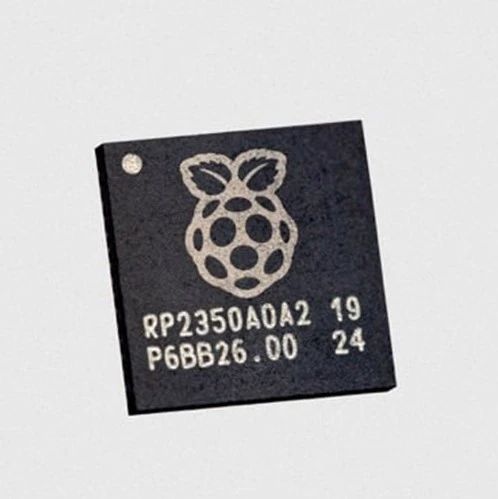
Core Viewpoint - Raspberry Pi has launched the RP2350 microcontroller, which features significant improvements in performance, security, and power efficiency compared to its predecessor, the RP2040 [1][2][3]. Pricing and Availability - The RP2350A (7×7 QFN60) is priced at $1.10 per unit, while the RP2350B (10×10 QFN80) is priced at $1.20 per unit. Bulk purchases significantly reduce the price, with the RP2350A available for $0.80 per unit when buying 3,400 units [1][2]. - The RP2354A and RP2354B models, which will include 2MB stacked flash memory, are in the final stages of development and testing, with plans for mass production later this year [1][5]. Technical Specifications - The RP2350 integrates dual Arm Cortex-M33 processors running at 150MHz, supporting floating-point operations and DSP, along with a security model based on Arm TrustZone [3][4]. - The microcontroller features enhanced power efficiency, with the ability to reduce power consumption to less than one-tenth of the previous model when in low-power mode [3][4]. Design Improvements - The RP2350 replaces the voltage regulator with a more efficient converter, allowing for higher peak current delivery and improved efficiency in low-power modes [4]. - The design retains many elements from the RP2040, allowing for quicker integration and development while also introducing new features such as OTP and core power regulation [5].
异军突起,泰矽微全面发力汽车内饰类SoC芯片
半导体行业观察· 2025-03-18 01:36
Core Viewpoint - The article discusses the evolution of automotive interiors and cockpits towards smart, technological, personalized, and comfortable designs, highlighting the role of sensor and actuator chips in this transformation [1][3]. Group 1: Trends in Automotive Interior Technology - The automotive cockpit is evolving from a traditional "functional container" to a "mobile ecological hub," integrating dynamic interaction applications that enhance user experience [1]. - Innovations include mood detection through facial expressions, immersive driving experiences via surround screens, and automatic adjustments of lighting and air quality [1]. Group 2: Integration Trends in Sensor and Actuator Chips - The integration of sensor systems is becoming essential, with a focus on multi-functional integration to address cost and space challenges [2]. - The company has developed specialized automotive-grade sensor and actuator SoC chips, including the TCAE series for touch applications and TC04 for air quality detection [2]. Group 3: Achievements and Market Position - The company has established a foundational layout for automotive interior chips within five years, achieving significant market penetration with various domestic and imported vehicle brands [3]. - The company has gained recognition for its ability to produce high-quality automotive SoC chips, maintaining a quality control standard of 1 PPM [5]. Group 4: Challenges in SoC Chip Development - Developing automotive SoC chips involves complex challenges beyond simple circuit integration, requiring expertise in mixed-signal development and system-level solutions [4]. - The company has positioned itself in a market with limited competition, focusing on comprehensive development of SoC products for various applications [4]. Group 5: Quality Assurance and Market Recognition - The company emphasizes high reliability and quality in mass production, achieving a near-zero defect rate and gaining trust from major automotive manufacturers [5][7]. - The company’s competitive pricing and high performance have led to increased recognition and inclusion in the supplier lists of leading automotive brands [5][7]. Group 6: Innovation and Intellectual Property - The company prioritizes innovation and has filed nearly a hundred core invention patents, focusing on technological breakthroughs and industry advancement [6]. - The compact design of its chips, such as the TCPL010, showcases the company's ability to integrate multiple functions while maintaining high performance and minimal external components [6]. Group 7: Future Outlook - The company is expected to continue its growth trajectory, contributing to the domestic automotive chip market and potentially becoming a platform enterprise in the automotive SoC sector [7].