托育服务

Search documents
优儿托育苏德中:未来三五年育儿与托育服务是非常重要的AI应用场景
Xin Lang Cai Jing· 2025-10-18 14:28
Group 1 - The 2025 Sustainable Global Leaders Conference was held from October 16 to 18 in Shanghai, focusing on the integration of AI in childcare services [1] - The founder and CEO of Youer Group, Su Dezhong, emphasized that AI can enhance the quality of childcare by creating a digital twin system for infants, allowing for quantifiable and analyzable growth data [1] - Youer Group is collaborating with Hikvision to develop an AI visual safety project for infants, aiming to improve the overall quality of childcare [1] Group 2 - Su Dezhong highlighted that the next three to five years will see significant AI applications in childcare and parenting services, addressing the shift from quantity to quality in market demand [2] - Youer Group's approach to "precision parenting" through AI and data meets the urgent needs of modern families for high-quality, personalized, and reliable childcare services [2] Group 3 - The strategic value of the childcare industry has significantly increased, transitioning from a "cost burden" to a "strategic investment" that impacts child development, family happiness, women's employment, and long-term population balance [3] - This shift reflects the founding vision of Youer Group, which aims to contribute to sustainable development and address broader societal challenges [3]


A股收评:三大指数集体下挫,沪指跌近2%失守3900点,深证、创业、科创及北证50跌逾3%,银行,贵金属板块逆势走强!成交额1.95万亿放量57亿,4800股下跌
Ge Long Hui· 2025-10-17 07:18
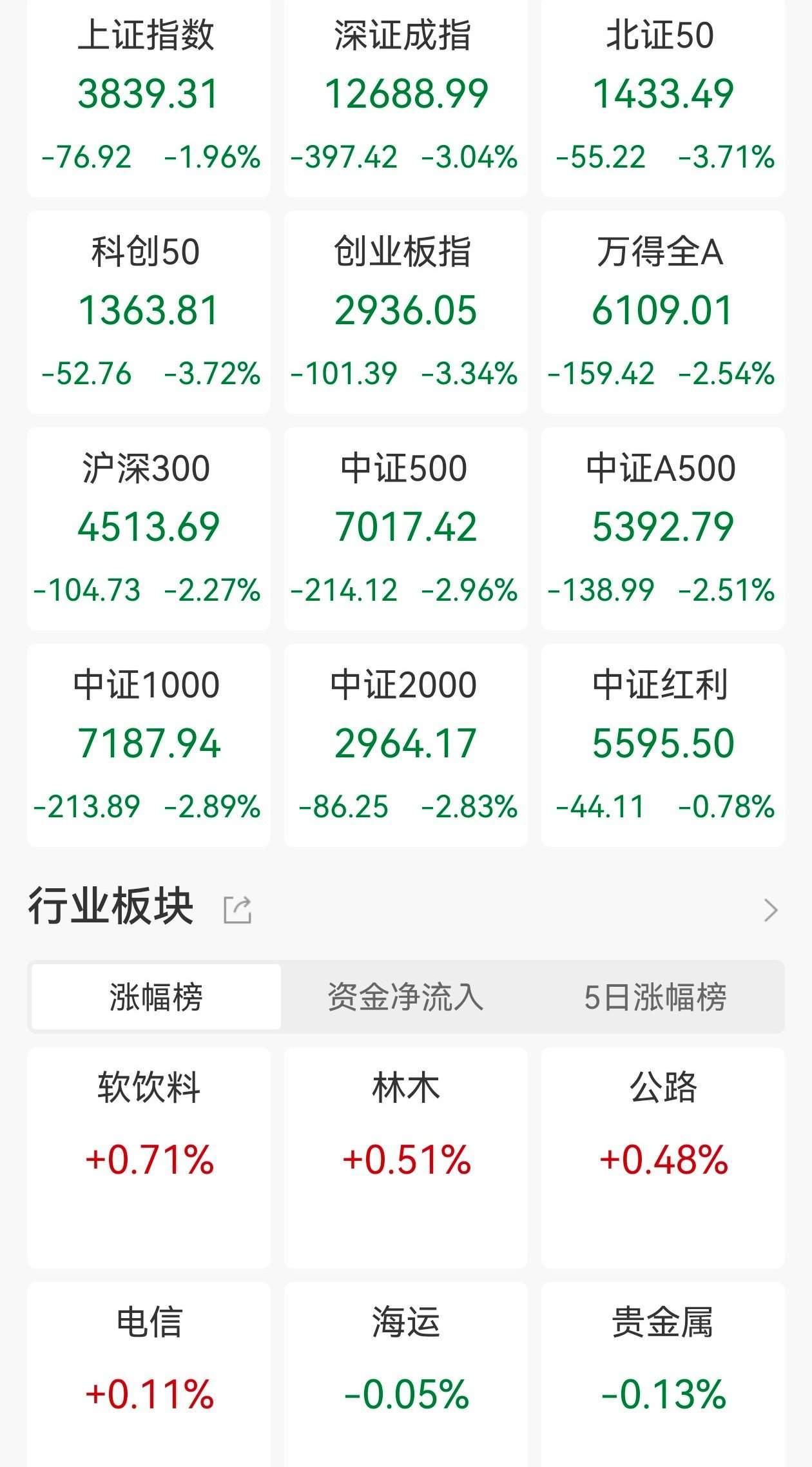
Market Overview - Major A-share indices collectively declined, with the Shanghai Composite Index falling by 1.95% to 3839 points, the Shenzhen Component Index down by 3.04%, and the ChiNext Index decreasing by 3.36% [1][2] - The total market turnover reached 1.95 trillion yuan, an increase of 57 billion yuan compared to the previous trading day, with nearly 4800 stocks declining [1] Index Performance - Shanghai Composite Index: 3839.31, down 76.92 points (-1.96%) [2] - Shenzhen Component Index: 12688.99, down 397.42 points (-3.04%) [2] - ChiNext Index: 1363.81, down 52.76 points (-3.72%) [2] - Kweichow Moutai Index: 4513.69, down 104.73 points (-2.27%) [2] - CSI 500 Index: 7017.42, down 214.12 points (-2.96%) [2] Sector Performance - The power equipment sector saw significant declines, with Zhongheng Electric (002364) hitting the daily limit down [3] - The MLCC sector also weakened, with Hongyuan Electronics (603267) dropping over 8% [3] - Superconducting concepts weakened, with Jingda Co. (600577) nearing the daily limit down [3] - High-pressure fast charging and wireless charging sectors showed poor performance, with Igor (002922) hitting the daily limit down [3] - The precious metals sector was active as international gold prices reached new highs, with Hunan Silver leading the gains [3] - Gas stocks rose, with Guo Xin Energy hitting the daily limit up [3] - A few sectors, including aviation and childcare services, recorded increases [3]

A股收评:指数下挫!沪指失守3900点,深证、创业、科创及北证指数均跌逾3%,全市场近4800股下跌
Ge Long Hui· 2025-10-17 07:09
Market Overview - Major A-share indices collectively declined, with the Shanghai Composite Index falling by 1.95% to 3839 points, the Shenzhen Component down by 3.04%, and the ChiNext Index decreasing by 3.36% [1] - The total market turnover reached 1.95 trillion yuan, an increase of 57 billion yuan compared to the previous trading day, with nearly 4800 stocks declining [1] Sector Performance - The power equipment sector experienced a significant drop, with Zhongheng Electric hitting the daily limit down [1] - The MLCC sector also fell, with Hongyuan Electronics dropping over 8% [1] - Superconducting concepts weakened, with Jingda Co. nearing the daily limit down [1] - High-pressure fast charging and wireless charging sectors showed weak performance, with Igor hitting the daily limit down [1] - The controllable nuclear fusion sector declined, with Yingliu Co. hitting the daily limit down [1] - Other sectors with notable declines included wheel hub motors, photovoltaic equipment, liquid cooling concepts, and AI smartphones [1] Contrasting Performance - In contrast, the international gold price reached a new high, leading to a rise in the precious metals sector, with Hunan Silver leading the gains [1] - Gas stocks saw an increase, with Guo New Energy hitting the daily limit up [1] - A few sectors, including aviation airports and childcare services, recorded gains [1]
济宁创新上门托育服务模式,破解婴幼儿照护难题
Qi Lu Wan Bao Wang· 2025-10-16 15:33
Core Insights - The article discusses the innovative home-based childcare service launched by Jining Guotou Childcare Group, addressing the needs of dual-income families with children aged 0-3 years [1][2] Group 1: Service Innovation - Jining City Childcare Comprehensive Service Center has introduced a home-based childcare service model, responding to the demand for flexible childcare solutions [2][3] - The center offers a range of facilities designed for young children, including outdoor activity areas and specialized classrooms, ensuring a safe and engaging environment [2][4] Group 2: Professional Team and Curriculum - A certified professional team is established to provide personalized childcare plans, focusing on language development, motor skills, and social-emotional growth [3][4] - The center integrates traditional Chinese culture into its curriculum, offering diverse training and educational activities tailored to children's needs [4][5] Group 3: Technological Integration - The Jining Childcare Smart Management Cloud Platform serves as a central hub for real-time monitoring and management of childcare services across the city [6] - The platform enhances operational efficiency for childcare institutions and provides parents with real-time updates on their children's activities [6] Group 4: Community Impact - Jining City has established over 800 registered childcare institutions, with a total of more than 40,000 childcare spots, significantly improving access to affordable childcare services [7]
税收数据显示:“一老一小”与健康服务“驱动”青海消费新活力
Zhong Guo Xin Wen Wang· 2025-10-09 13:21
Core Insights - The health-related consumption sectors in Qinghai Province have shown robust growth, with a 16.3% year-on-year increase in invoiced sales revenue from January to August 2023, driven by enhanced health awareness among residents and an optimized consumption structure [1][3]. Group 1: Elderly and Child Care Services - The number of registered elderly care institutions in Qinghai reached 172 by the end of August, marking a 17.8% increase year-on-year, indicating a strengthening service system for elderly welfare [3]. - Revenue from various elderly care services grew by 5.5% year-on-year, reflecting a stable growth trend in this sector [3]. - The demand for childcare services, particularly nursery care, surged, with invoiced sales revenue from nursery services increasing by 23.2%, and the growth rate for childcare services reached 190% year-on-year [3]. Group 2: Health and Wellness Products - There was a notable increase in sales revenue for nutritional supplements and traditional Chinese medicine retail, with growth rates of 1.9% and 2% respectively [3]. - Revenue from health consultation and psychological services saw significant increases of 11.5% and 32.8% respectively, indicating a rising awareness of health and wellness among residents [3]. - The health insurance sector also experienced a 15.6% increase in invoiced sales revenue, further underscoring the growing focus on health-related expenditures [3]. Group 3: Smart Healthcare Development - The digital transformation in healthcare is advancing, with a 14.9% year-on-year increase in invoiced amounts for information technology services purchased by medical institutions [4]. - Sales revenue for smart health monitoring devices, such as smart wristbands and blood glucose monitors, surged by 74.3%, reflecting a heightened demand for daily health management tools among the public [4].

若不出意外,2026年,国内或将爆发这5大变化,提前了解不吃亏
Sou Hu Cai Jing· 2025-10-08 19:29
Group 1: Population Trends - The birth rate in China is projected to decline significantly, with an expected 8.25 million births in 2024, down by 430,000 from 2023, and potentially dropping to around 7.5 million by 2026, indicating a long-term low fertility rate trend [2][5] - Factors contributing to this trend include rising costs of housing, education, and healthcare, changing values among young people prioritizing personal development, and increased educational and career aspirations among women [2][3] Group 2: Economic Environment - Deposit interest rates have been on a downward trend, with the one-year fixed deposit rate falling to 1.5% in June 2025, down from 2.5% in 2015, leading to a near-zero or negative real interest rate when adjusted for inflation [4] - The proportion of bank deposits in urban households fell below 45% for the first time in early 2025, while investment products rose to 32%, indicating a shift in asset allocation strategies among residents [4] Group 3: Entrepreneurship and Rural Development - The number of returnees starting businesses in rural areas reached 8.76 million in 2024, a 17.3% increase year-on-year, with growth accelerating to 22.1% in the first half of 2025 [8][9] - Improved rural infrastructure, increased internet coverage, and the rise of digital economy models like e-commerce are facilitating this trend, making rural entrepreneurship more viable [8][9] Group 4: Real Estate Market Dynamics - The real estate market is experiencing a rational adjustment, with national sales area down by 6.3% and sales value down by 8.2% in the first half of 2025, indicating a shift away from the expectation of continuously rising prices [14] - The market is expected to continue this rational trend into 2026, with significant differentiation between first-tier cities and those experiencing population outflows [14][15] Group 5: Employment Landscape - The job market is becoming increasingly competitive, particularly for individuals over 35, with the preference for candidates under 35 rising from 37% in 2020 to 52% in 2025 [19] - The average interview success rate for job seekers over 35 is 23.7% lower than for younger candidates, highlighting the challenges faced by older workers in the current job market [19][20]

无需催生!中国最愿意生孩子的省,根本不用催,连续七年全国第一
Sou Hu Cai Jing· 2025-10-07 00:34
Core Insights - Guangzhou has emerged as the leading city in China for birth rates, significantly outperforming other major cities in the country [1][7][22] Demographic Data - In 2023, Guangzhou's registered birth population reached 115,800, ranking first among cities in Guangdong, with a birth rate of 11.07‰, well above the national average of 6.39‰ [7][15] - The labor force aged 15-59 in Guangzhou accounts for 74.72%, providing a strong foundation for potential births [5][11] Policy Support - Guangzhou has implemented policies addressing key concerns of citizens, including housing, healthcare, and childcare, which have positively influenced birth rates [9][22] - The city has increased the public housing fund loan limit by 40% for families with two or more children, providing tangible housing benefits [9][11] - Starting in 2024, eight assisted reproductive projects will be covered by health insurance, with some treatments fully reimbursed, alleviating financial burdens related to fertility [11][13] Childcare Services - Guangzhou has expanded childcare services, offering various options such as full-day, half-day, and emergency care, making it easier for working parents to manage childcare [17][19] - The government encourages the establishment of childcare institutions through financial support and regulatory oversight to ensure quality services [17][20] Cultural Factors - Local customs in Guangdong, particularly in the Chaoshan region, emphasize family lineage and the importance of having children, contributing to higher birth rates [24][26] - Parents in these areas are willing to invest in education, viewing additional children as a source of hope and potential support in the future [26][30] Conclusion - The combination of supportive policies, economic growth, and deep-rooted cultural values in Guangdong has made Guangzhou one of the most favorable cities for childbirth in China [28][30]

【新华财经调查】完整社区建设为城市引入多元化消费场景 带动企业获得增长红利
Xin Hua Cai Jing· 2025-09-30 08:08
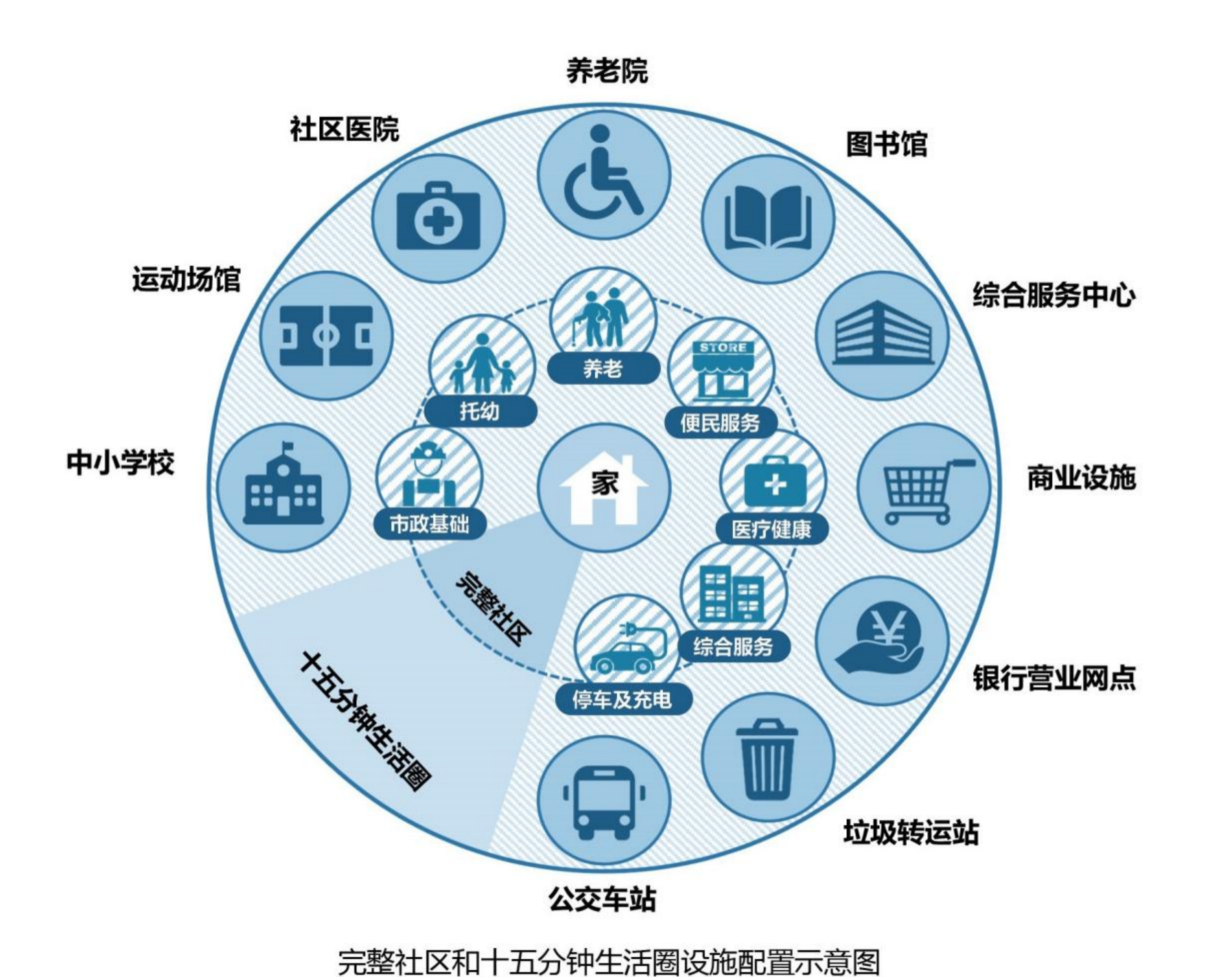
Core Viewpoint - The construction of complete communities is essential for enhancing public services, improving residents' quality of life, and stimulating economic activity through better urban planning and resource allocation [2][6][12] Summary by Sections Complete Community Construction - As of now, 106 pilot complete communities have been established, with over 2,000 public service facilities built or renovated, benefiting approximately 1.0885 million residents [1] - The Ministry of Housing and Urban-Rural Development emphasizes the importance of complete community construction in addressing shortcomings in community facilities and services [2][6] Economic Impact - Complete community construction is seen as a dual benefit for both public welfare and economic growth, with local governments collaborating with private enterprises to enhance community services while reducing operational costs [7][8] - Companies like 乐刻运动 and 绿城 are leveraging the benefits of complete community construction to improve their business models and community engagement, leading to increased service quality and operational efficiency [8][10] Market Opportunities - The elevator industry is experiencing significant growth due to the demand for upgrades in old residential buildings, with companies like 奥的斯 reporting double-digit growth in their elevator renovation business [9] - The community economy is identified as a stable market with substantial demand, with local governments encouraging businesses to invest in community services, thereby creating a sustainable economic model [10][12] Urban Renewal and Future Prospects - The urban renewal market is projected to reach a total capacity of 20 trillion yuan during the 14th Five-Year Plan period, with significant investments needed for old residential area renovations and infrastructure upgrades [11][12] - The focus on creating sustainable community models is expected to enhance the quality of urban life and stimulate local economies, with a shift towards community-driven value creation [12]
【省卫生健康委员】陕西省举办第二届托育职业技能大赛
Shan Xi Ri Bao· 2025-09-25 23:12
Core Insights - The second Shaanxi Province Early Childhood Care Skills Competition was held from September 19 to 21, showcasing the skills of 78 participants from 13 teams in two categories: infant development guides and caregivers [1][2] - The competition aimed to assess comprehensive professional abilities in early childhood development, care, health, and relevant policies, reflecting the growing demand for quality childcare services due to the implementation of the three-child policy [2] Group 1 - The competition featured practical demonstrations, including a caregiver showing how to care for a baby after vaccination, highlighting the importance of both skill and compassion in the profession [1] - The event attracted significant participation from early childhood care professionals, indicating a larger scale and higher standards compared to the first competition [1][2] - The competition served as a platform for skill assessment and knowledge exchange, promoting the professionalization and standardization of the childcare workforce [2] Group 2 - As of August 2023, there are 2,554 childcare institutions in Shaanxi, with a total of 180,200 childcare spots, but challenges such as a shortage of qualified professionals and inconsistent service quality remain [2] - The competition awarded top performers in both categories, with 2 first prizes, 3 second prizes, and 7 third prizes for each category, encouraging ongoing professional development among participants [2] - The provincial labor union aims to build a high-quality, professional childcare workforce to support the sustainable development of the childcare industry in Shaanxi [3]
记者实探:老旧小区改造惠及“一老一小”,广州这样“焕新”
Nan Fang Du Shi Bao· 2025-09-23 10:35
Core Insights - The article highlights the transformation of old residential communities in Guangzhou into community nursing homes and childcare centers, addressing the needs of the elderly and young children in urban areas [4][6][17] - The initiative is part of a broader urban renewal strategy aimed at revitalizing outdated neighborhoods while providing essential services to residents [5][17] Group 1: Community Nursing Homes - The Red Brick Community Nursing Home in Huadu offers a fully equipped living environment for elderly residents, allowing them to control various appliances through voice commands [2][10] - The cost of living in the nursing home is significantly lower than hiring private caregivers, with a monthly fee of over 5,000 yuan covering accommodation and care services [4] - The nursing home is part of a larger effort to repurpose idle public housing into community services, benefiting both social capital and local residents [4][6] Group 2: Urban Renewal Policies - Guangzhou has implemented a "1+N" policy framework for the renovation of old residential areas, focusing on what to renovate, how to do it, funding sources, and post-renovation management [5][6] - The city aims to complete renovations of all old residential areas built before 2000 by 2025, with a focus on improving infrastructure and community services [6][17] - As of August this year, Guangzhou has completed renovations in 1,233 old communities, benefiting nearly 300,000 residents [17] Group 3: Childcare Services - The Liu Rong Street Universal Nursery, created during the renovation of an old community, offers affordable childcare services tailored to the needs of working parents [15][16] - The nursery charges a maximum fee of 1,650 yuan per month, significantly lower than typical market rates, and provides flexible service options [15][16] - Community surveys indicated a strong demand for childcare services, leading to the establishment of the nursery to meet local needs [16]