
建材

Search documents
稳增长路径划定!布局“六零”示范工厂培育 打造引领未来建材产业样板
Yang Shi Wang· 2025-09-24 09:49
Core Viewpoint - The Ministry of Industry and Information Technology and five other departments have jointly released the "Building Materials Industry Stabilization and Growth Work Plan (2025-2026)", aiming for the green building materials revenue to exceed 300 billion yuan by 2026, setting a direction for high-quality industry development [1] Group 1: Key Measures - The plan focuses on critical pain points in the building materials industry and outlines a clear path for development [2] - Strict control on capacity management prohibits the addition of cement and glass production capacity to curb excessive competition from traditional overcapacity [2] - Emphasis on technological innovation by supporting advanced ceramics and superhard materials to shift the industry from "heavy scale" to "high technology and high added value" [2] - Accelerating the digital and green integration of production processes to cultivate a number of green smart factories, enhancing production efficiency and environmental capabilities [2] Group 2: Market Expansion - Domestic initiatives include promoting green building materials in rural areas to stimulate domestic consumption and public demand [4] - International cooperation is encouraged to help Chinese building materials products, technologies, and standards enter the global market, ensuring stable operation and structural optimization of the industry [4] Group 3: Demonstration and Standards - The plan includes the cultivation of "zero" demonstration factories, aiming for zero external electricity, zero fossil energy, zero primary resources, zero carbon emissions, zero waste emissions, and zero frontline employees as benchmarks for future building materials industry models [6] Group 4: Policy Transition - The introduction of this stabilization plan signifies a shift in industry policy from a single capacity control model to a new stage focused on building a modern industrial system centered on new productive forces [9] - The most notable breakthrough is the establishment of a multi-departmental collaborative governance framework to systematically address the long-standing "supply-demand imbalance" issue [10] Group 5: Supply and Demand Dynamics - On the supply side, the policy actively guides resource elements to exit the homogeneous competition in traditional building materials and concentrate on new tracks such as green building materials and advanced inorganic non-metallic materials [12] - On the demand side, initiatives like promoting green building materials in rural areas and aligning with "good housing" construction are aimed at activating the domestic market and integrating the building materials industry into green building development and national "dual carbon" goals [12] Group 6: Global Engagement - The plan encourages Chinese building materials companies to export their advantageous capacities, green low-carbon technologies, and standards, leveraging their first-mover advantages to participate in and lead global industry transformation [14]

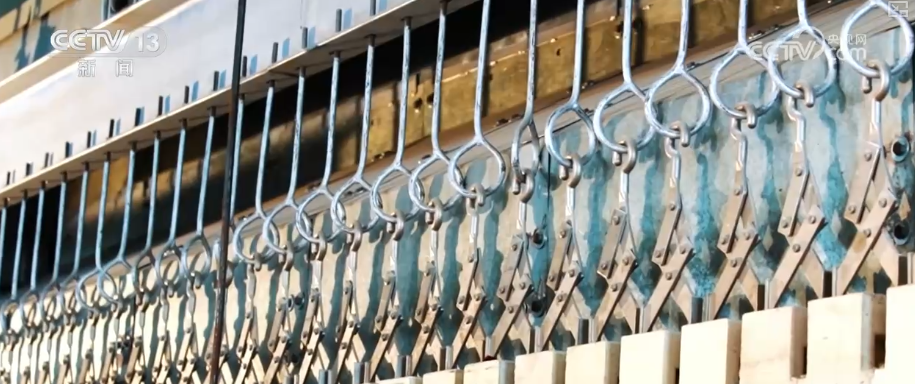
刚刚,利好来了!
中国基金报· 2025-09-24 08:57
Core Viewpoint - The article discusses the "Construction Materials Industry Stabilization Growth Work Plan (2025-2026)" issued by six government departments, aiming to enhance the profitability and innovation capacity of the construction materials industry while promoting green and digital development [1][4]. Summary by Sections Overall Requirements - The plan emphasizes the integration of quality and efficiency, technological innovation, and industry transformation, while prohibiting new production capacity and enhancing risk monitoring [9]. Main Goals - By 2026, the construction materials industry is expected to recover, with profitability improving and the scale of green construction materials exceeding 300 billion yuan [11]. Work Measures - **Strengthening Industry Management**: Strict control over cement and glass production capacity, promoting the elimination of outdated capacity, and encouraging the establishment of a green low-carbon transformation fund [12][13]. - **Enhancing Technological Innovation**: Focus on developing advanced inorganic non-metallic materials and fostering resource industries like graphite and fluorite [13][14]. - **Expanding Effective Investment**: Promote digital transformation and green low-carbon modifications in the industry, with a target of 50% of cement clinker capacity in key pollution prevention areas to be transformed by the end of 2025 [15]. - **Expanding Consumption Demand**: Encourage the application of green construction materials and support local initiatives to enhance consumer engagement [17][18]. - **Deepening Open Cooperation**: Enhance international collaboration, particularly in green low-carbon technologies, and support enterprises in navigating international trade challenges [19][20]. Safeguard Measures - **Organizational Support**: Local governments are encouraged to tailor the plan to regional conditions and ensure smooth implementation [21]. - **Policy Support**: Utilize various policies to expand consumption and support technological upgrades in the industry [21]. - **Monitoring and Scheduling**: Strengthen monitoring of key enterprises and products to ensure stable industry development [22].

六部门联合发布建材行业稳增长方案 严禁新增水泥、玻璃产能
Yang Shi Xin Wen Ke Hu Duan· 2025-09-24 08:13
Core Insights - The Ministry of Industry and Information Technology, along with five other departments, has released the "Building Materials Industry Stabilization and Growth Work Plan (2025-2026)", which aims for China's green building materials revenue to exceed 300 billion yuan by 2026 [1] - The plan addresses key pain points in the building materials industry and outlines a clear path for high-quality development [1] Group 1: Policy Measures - Strict control on capacity management prohibits the addition of cement and glass production capacity to curb excessive competition from traditional overcapacity [1] - The plan emphasizes technological innovation by supporting advanced ceramics and superhard materials, promoting a shift from "heavy scale" to "high technology and high added value" [1] - Accelerating the digital and green integration of enterprises is a priority, with the aim of cultivating a number of green smart factories to enhance production efficiency and environmental capabilities [1] Group 2: Market Expansion - The plan includes initiatives to promote green building materials in rural areas, stimulating domestic consumption and public demand [1] - International cooperation is encouraged to help Chinese building materials, technologies, and standards enter the global market, ensuring stable operation and structural optimization of the industry [1] Group 3: Future Standards - The plan outlines the cultivation of "zero" demonstration factories, aiming for benchmarks such as zero external electricity purchase, zero fossil energy, zero primary resource use, zero carbon emissions, zero waste emissions, and zero frontline employees [1]
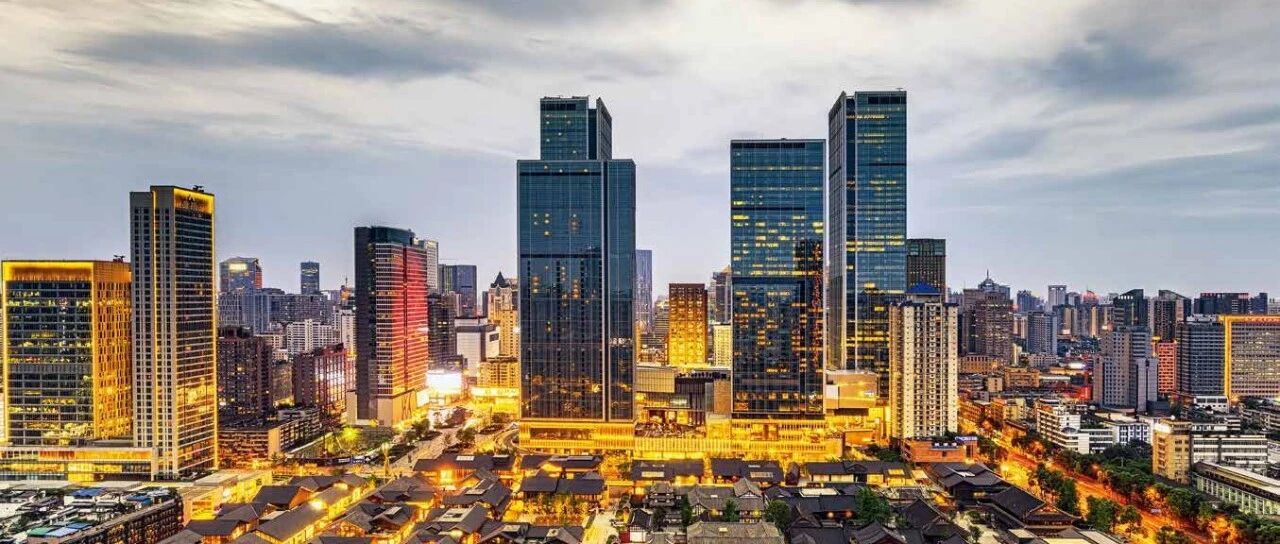
六部门:推进绿色建材应用,支持各地将绿色建材纳入消费品以旧换新政策实施范围
Di Yi Cai Jing· 2025-09-24 07:26
Core Viewpoint - The Ministry of Industry and Information Technology and five other departments have issued a notice regarding the "Building Materials Industry Stabilization and Growth Work Plan (2025-2026)", emphasizing the promotion of green building materials and various supportive measures to enhance their application in the industry [1] Group 1: Promotion of Green Building Materials - The plan advocates for the application of green building materials and encourages local governments to create product catalogs that align with local consumption habits [1] - Initiatives include establishing green building material consumption zones and offline experience centers, as well as innovative "small and beautiful" activities [1] Group 2: Government Support and Subsidies - The government will enhance the application ratio of green building materials in procurement projects to improve construction quality [1] - There will be increased subsidies for products such as ceramic thin bricks, smart toilets, integrated bathrooms, energy-saving doors and windows, aging-friendly materials, and home safety protection products under the "old for new" policy [1] Group 3: Standards and Quality Assurance - The "Good Materials Support Good Houses" initiative aims to strengthen the connection between production and application standards, supporting the creation of model houses and pilot projects for good material applications [1] - The plan encourages the development of high-quality insulation, soundproofing, and waterproof sealing materials [1] Group 4: Industry Collaboration and Development - Local governments are urged to enhance upstream and downstream connections, focusing on various application needs such as underground utility corridors, ecological restoration, and low-carbon projects [1] - The development of modular and functional building materials is encouraged to meet diverse industry demands [1]
六部门印发《建材行业稳增长工作方案(2025—2026年)》
Zheng Quan Shi Bao Wang· 2025-09-24 07:08
人民财讯9月24日电,工信部等六部门印发《建材行业稳增长工作方案(2025—2026年)》,2025—2026 年,建材行业恢复向好,盈利水平有效提升,产业科技创新能力不断增强,绿色建材、先进无机非金属 材料产业规模持续增长,其中2026年绿色建材营业收入超过3000亿元,绿色低碳和数字化发展水平明显 提高。 ...
信发集团纪华:减碳增绿已成为企业培育新质竞争力的关键
Zhong Guo Jing Ying Bao· 2025-09-24 07:08
Core Viewpoint - Xinfeng Group is demonstrating a significant path in green low-carbon transformation, leveraging opportunities and challenges presented by the "dual carbon" goals [1] Group 1: Carbon Asset Management - Xinfeng Group has established a systematic approach to carbon asset management since the inception of the national carbon market in 2016, focusing on "early planning, pre-deployment, unified implementation, and value enhancement" [2] - The company has completed a total carbon quota trading volume of 35.73 million tons, with a trading value of 2.322 billion yuan, achieving an economic benefit of 1.326 billion yuan, accounting for approximately 5% of the national trading volume [2] - Xinfeng Group has been recognized as a "Leader in Industrial Carbon Peak Enterprises" and an "Outstanding Trading Practice Enterprise in the National Carbon Market" [2] Group 2: Digital Carbon Management - The company has developed a "dual carbon" payment platform that covers the entire process of carbon data collection, accounting, storage, and trading, ensuring data traceability and regulatory compliance [2] - Collaboration with national carbon measurement centers and research institutes has led to the development of standards for greenhouse gas emission measurement tools [2] Group 3: Circular Economy - Circular economy is a core feature of Xinfeng Group's low-carbon development, with a network covering five major sectors: energy, non-ferrous metals, high-end chemicals, environmental building materials, and modern agriculture [3] - The company has achieved significant resource savings and emissions reductions through its circular processes, such as saving over 1 million tons of standard coal and reducing CO2 emissions by over 2.6 million tons annually [3] Group 4: Carbon Reduction Pathways - Xinfeng Group is advancing carbon reduction through various strategies, including shutting down outdated power units, building efficient power generation units, and expanding renewable energy projects [4] - The company has implemented smart transport solutions and water-saving technologies, achieving a water-saving efficiency of 97% and zero wastewater discharge [4] - Future plans include continuing to leverage carbon asset management to promote green circular low-carbon development and contribute to national "dual carbon" goals [4]
六部门联合发布建材行业稳增长方案 转向构建现代产业体系
Yang Shi Xin Wen· 2025-09-24 07:04
今天,工业和信息化部等六部门联合发布《建材行业稳增长工作方案(2025—2026年)》,明确2026年我 国绿色建材营收将超3000亿元,多维度举措为行业高质量发展定方向。这份方案聚焦建材行业发展关键 痛点,划定清晰路径:产能管控上,严禁新增水泥、玻璃产能,从源头遏制传统产能过剩带来的恶性竞 争。 ...
人民日报丨8月全社会用电量再超万亿
国家能源局· 2025-09-24 02:28
Core Insights - In August, the total electricity consumption in China exceeded 1 trillion kilowatt-hours for the second consecutive month, reaching 10154 billion kilowatt-hours, a year-on-year increase of 5.0% [3] - The growth in electricity consumption is attributed to high temperatures and humidity, which increased residential electricity usage, as well as the impact of national policies aimed at stabilizing and advancing the economy [3] Group 1: Electricity Consumption Breakdown - The first industry consumed 164 billion kilowatt-hours, with a year-on-year growth of 9.7% [3] - The second industry consumed 5981 billion kilowatt-hours, showing a year-on-year increase of 5.0% [3] - The third industry consumed 2046 billion kilowatt-hours, reflecting a year-on-year growth of 7.2% [3] - Urban and rural residential electricity consumption reached 1963 billion kilowatt-hours, with a year-on-year increase of 2.4% [3] - From January to August, total electricity consumption accumulated to 68788 billion kilowatt-hours, marking a year-on-year growth of 4.6% [3] Group 2: Manufacturing Sector Insights - In August, electricity consumption in the manufacturing sector grew by 5.5%, the highest monthly growth rate for the year [4] - Key industries such as steel, building materials, non-ferrous metals, and chemicals showed a significant recovery, with a combined electricity consumption growth of 4.2%, an increase of 3.7 percentage points from July [4] - High-tech and equipment manufacturing sectors demonstrated strong resilience, with all sub-industries achieving positive growth, resulting in a combined electricity consumption increase of 9.1%, surpassing the average growth rate of the manufacturing sector by approximately 4.6 percentage points [4] - The rapid growth in electricity consumption in sectors like new energy vehicle manufacturing and photovoltaic industry manufacturing indicates the emergence of new economic growth points [4]
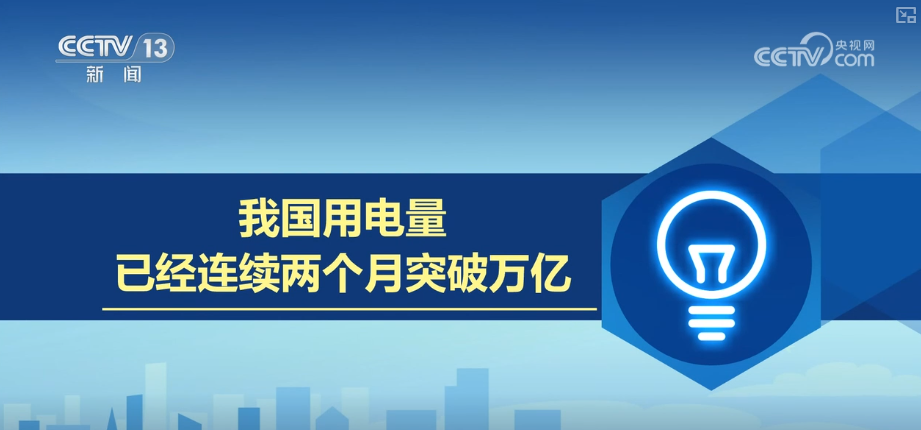
突破万亿再+1!透视8月用电量重磅数据 多维度感知经济向“新”活力
Yang Shi Wang· 2025-09-24 02:19
Core Insights - In August, China's total electricity consumption exceeded 1 trillion kilowatt-hours for the second consecutive month, showing a stable growth trend with a year-on-year increase of 5.0% [1][3] - The growth in electricity consumption is attributed to high summer temperatures and various government policies aimed at boosting consumption, leading to a continuous release of production capacity across industries [3] Industry Performance - The electricity consumption in the manufacturing sector reached a year-to-date monthly high in August, with a year-on-year growth rate of 5.5% [6][8] - The first and second industries saw significant growth in electricity consumption, with the first industry increasing by 9.7% and the second industry by 5.0% year-on-year [7] - The third industry and residential electricity consumption experienced a decline, with growth rates of 7.2% and 2.4% respectively [7] Sector-Specific Insights - High-tech and equipment manufacturing industries showed robust growth, with electricity consumption increasing by 9.1%, surpassing the average growth rate of the manufacturing sector by approximately 4.6 percentage points [8] - In Anhui, the automotive manufacturing sector's electricity consumption surged by 23.2%, indicating a return to over 20% growth, contributing 53% to the overall manufacturing electricity consumption increase in the province [8][10] - In Jiangsu, the smart manufacturing sector maintained rapid growth, with the electricity consumption of vehicle-mounted smart devices increasing by over 87% in the first eight months [12] - In Guangdong, the electricity consumption in the computer, communication, and other electronic equipment manufacturing sectors grew by 8.3%, reflecting a solid foundation for advanced manufacturing [12] - The raw materials industries, including steel and building materials, showed a recovery trend with a combined year-on-year electricity consumption growth of 4.2%, an increase of 3.7 percentage points from July [12]
余杭探索AI赋能工伤预防“智”变
Hang Zhou Ri Bao· 2025-09-24 02:02
近日,在余杭区一家制造企业的车间里,安全主管王先生举起手机拍摄生产线场景。不到3秒钟, 手机屏幕上的工伤AI智能助手"工伤小余"就标识出了两处风险点:一处是消防通道被临时堆放的物料阻 塞,另一处是一名操作工未佩戴防护眼镜。 "工伤预防是我国工伤保险制度体系的重要组成部分,事关广大职工的切身安全与健康。'工伤小 余'将风险防控关口前移,将进一步推动工伤保障工作重心从'事后补偿'向'事前预防'转变。"余杭区人 力社保局相关负责人说。 除了事前预防,"工伤小余"还是个"政策通"。依托AI大模型,它深度学习吸收了大量法律法规和政 策文件。劳动者或企业遇到工伤问题时,只需通过"工伤小余"的智能问答功能,就能获得准确的政策解 读和操作指引。 "就像是身边有位工伤专家在提供咨询。"刚通过"工伤小余"咨询完工伤认定条件的李女士说,"过 去,我想弄明白这些政策得查很多资料、问好几个人,还要额外提防'工伤黄牛'。现在有了这个智能助 手,我随时随地都能得到清晰高效的政策解答,真是太方便了。" 对于企业来说,"工伤小余"带来的改变同样显著。一家建材公司人事经理张先生表示:"'工伤小 余'整合了余杭工伤申报所需的所有材料清单和标准模板 ...