
旅游业

Search documents
日本学者:高市错误言论给日本各行业带来危机
Yang Shi Xin Wen Ke Hu Duan· 2025-12-03 12:39
Group 1 - Recent remarks by Japanese Prime Minister Sanae Takaichi regarding Taiwan have damaged the political foundation of Japan-China relations, severely worsening the atmosphere for personnel exchanges between the two countries [1][3] - Japan's economy is facing a crisis across various industries due to the potential fallout from Takaichi's statements, as highlighted by Japanese economist Hidetoshi Tashiro [1][3] - The tourism sector in Japan, heavily reliant on Chinese visitors, is at risk of significant contraction if the number of Chinese tourists declines sharply, which could lead to a broader economic impact on related industries such as dining, retail, and education [3][5] Group 2 - In 2024, the total trade volume between Japan and China is projected to reach $308.3 billion, with Japan exporting $152.01 billion and importing $156.25 billion from China, underscoring the importance of stable relations for economic health [3] - Tashiro warns that a deterioration in Japan-China relations could lead to a drastic reduction in Chinese tourists, which would pose an existential threat to Japan's tourism, dining, retail, and educational sectors, particularly universities [5]

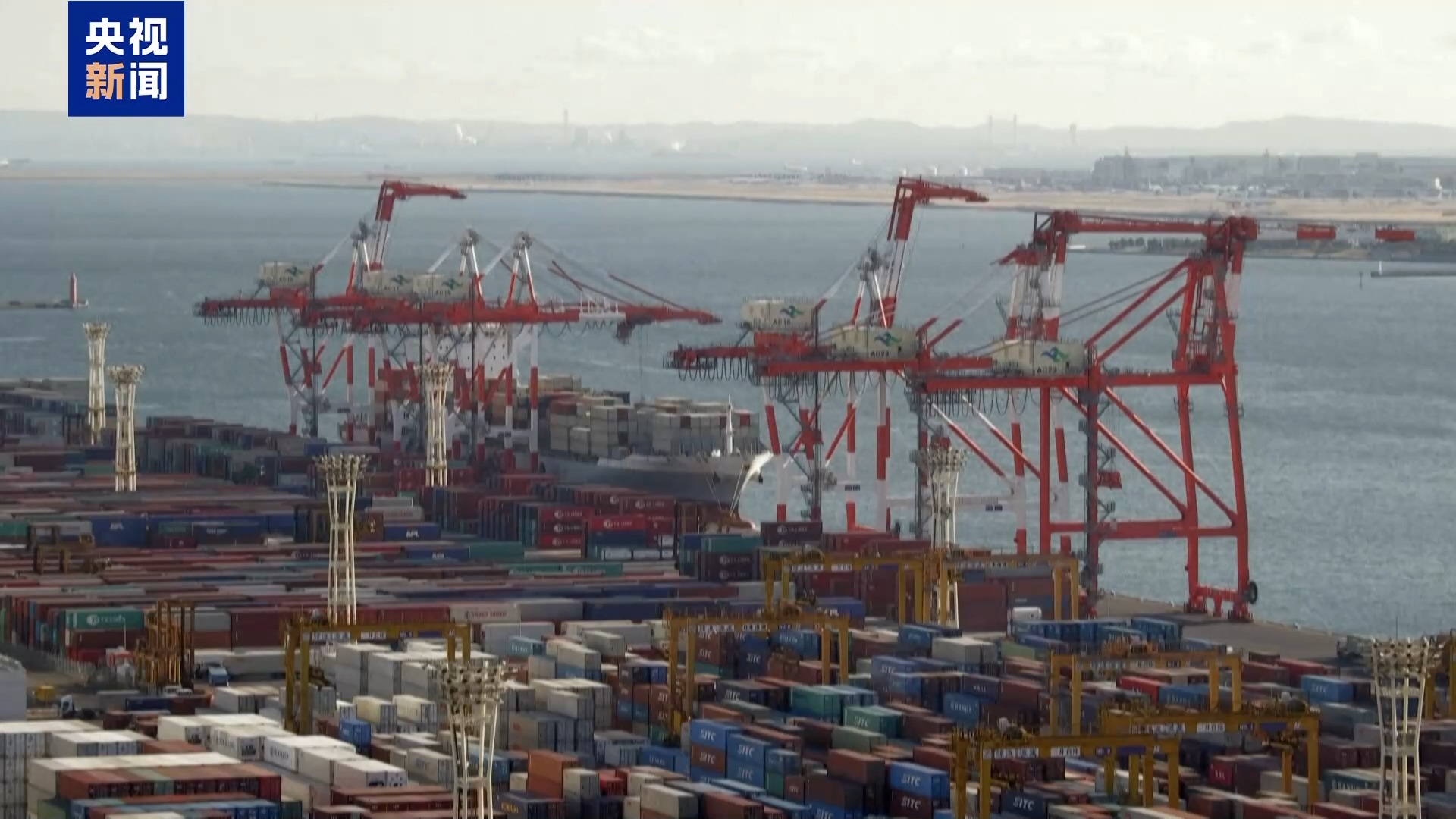
背叛高市早苗?日本经济再现负增长,各界组团请求访华“续命”
Sou Hu Cai Jing· 2025-12-03 11:44
Group 1 - Japan's economy experienced a significant contraction, with real GDP falling at an annualized rate of 1.8% in Q3 2025, marking a return to negative growth for the first time since Q1 2024 [1] - The economic downturn is attributed to a combination of external demand shrinkage and weak domestic demand, exacerbated by ineffective policies and diplomatic failures [3][20] - The U.S. has raised tariffs on Japanese imports from 2%-3% to 15%, severely impacting key industries like automotive, which has a profit margin of only 7%-8% [5][9] Group 2 - The decline in the automotive sector has a domino effect on related industries such as electronics and steel, leading to a broader economic downturn [7] - Personal consumption, which constitutes a significant portion of Japan's economy, only increased by 0.1% in Q3, with growth slowing considerably compared to Q2 [9] - Structural issues, including labor shortages due to an aging population and declining birth rates, are contributing to long-term domestic demand weakness [11] Group 3 - The Japanese government has proposed a massive economic stimulus plan worth 21.3 trillion yen, but it is unlikely to alleviate market concerns due to the current inflationary environment [13][14] - The focus on military spending, with defense expenditures rising to 2% of GDP, diverts resources away from addressing pressing economic issues and undermines growth potential [16][18] - Japan's diplomatic tensions with neighboring countries, particularly China, have created uncertainty in trade relations, which could further harm the economy [22][24] Group 4 - The historical success of Japan's post-war economy was largely due to a focus on economic development over military expansion and maintaining good relations with neighboring countries [26] - The current trajectory of military buildup and diplomatic provocations is seen as a misdirection that fails to address underlying economic challenges [27][29] - A sustainable recovery for Japan's economy will require confronting structural issues such as industry layout, demographic changes, and debt burdens rather than relying on military spending and aggressive foreign policy [29]

黑龙江:边境线上掀起消费新热潮
Sou Hu Cai Jing· 2025-12-03 09:16
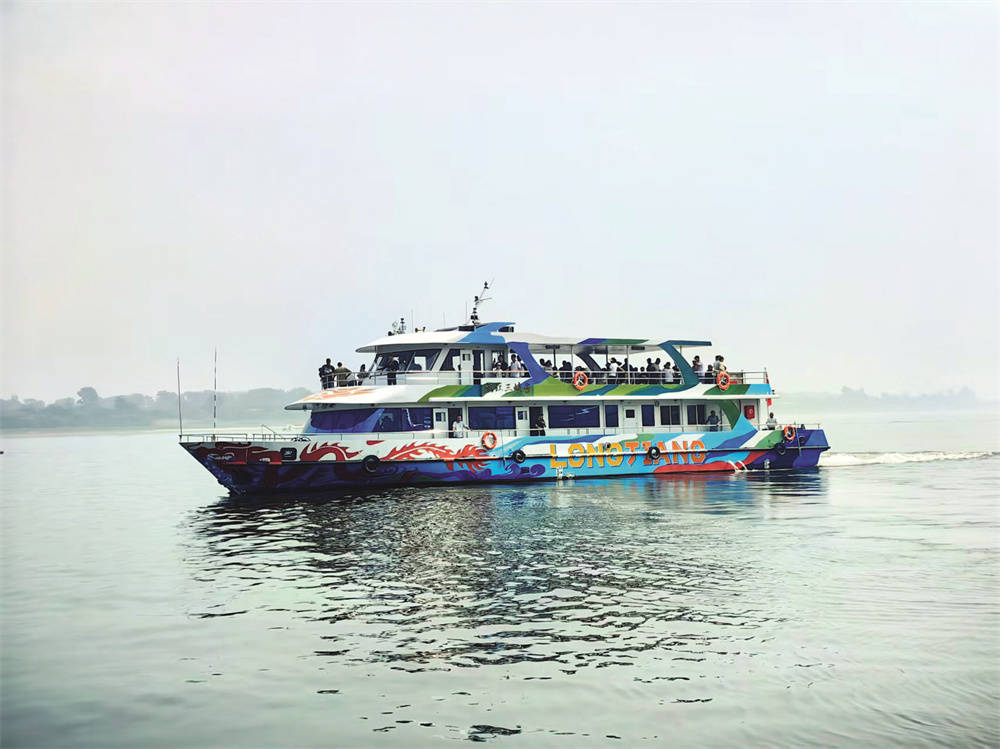
Core Viewpoint - The implementation of the visa-free policy for Russian tourists has significantly boosted the economy and tourism in the border cities of Heilongjiang Province, transforming them from a "transit economy" to a "destination economy" [2][8]. Group 1: Economic Impact - In the first half of the year, Heilongjiang's 18 border counties received 16.1 million tourists, with total spending reaching 9.544 billion yuan, marking year-on-year increases of 24.72% and 36.09% respectively [2]. - The city of Heihe has become the most popular border city for visa-free travelers, receiving 1.4076 million tourists during the National Day and Mid-Autumn Festival holidays, with tourism revenue reaching 1.043 billion yuan, up 55.8% and 59.43% year-on-year [4]. - The cross-border e-commerce "9610" model in Heihe saw exports of 29.596 million packages in the first half of the year, a staggering year-on-year increase of 4824.3% [17]. Group 2: Tourism Development - The Heihe International Night Market has seen daily visitor numbers exceed 30,000, with revenue increasing over sixfold compared to before renovations [7]. - The city of Suifenhe has experienced a surge in Russian tourists, with sales of winter clothing doubling and a significant increase in the second-hand car market due to high demand for Chinese electric vehicles [5]. - The city of Tiger Forest has developed unique border tourism products, including fishing and hunting tours, enhancing the cross-border travel experience [6]. Group 3: Infrastructure and Services - The Heihe water transport port has launched a hovercraft service for Russian tourists, facilitating seamless travel and boosting local consumption [4]. - Suifenhe has introduced a "smart customs clearance" service, significantly reducing the time required for customs checks and enhancing the overall visitor experience [5]. - The city of Jiamusi has established a comprehensive service network for tax refunds, with 23 refund points set up in key commercial areas [5]. Group 4: Cultural Exchange and Events - The "China-Russia Border Culture and Tourism Festival" has become a significant event, attracting over 100,000 participants and promoting cross-border tourism [14]. - The city of Mishan has developed unique cultural exchange programs, including winter fishing festivals and traditional Chinese medicine tourism, attracting international visitors [12][20]. - The integration of cultural and tourism activities has led to increased consumer spending and economic growth in border areas [13][27]. Group 5: Future Prospects - The Heilongjiang Province is focusing on enhancing its border tourism through various policies aimed at promoting cultural exchanges and economic cooperation [15]. - The province's border cities are transitioning from being seen as remote areas to becoming key hubs for international trade and tourism [27]. - The ongoing development of infrastructure and services is expected to further stimulate economic growth and enhance the overall visitor experience in the region [23].
评论:“相加”到“深融” 谱写航文旅发展新篇章
Zhong Guo Min Hang Wang· 2025-12-03 07:24
Core Viewpoint - The integration of civil aviation and cultural tourism is recognized as a strategic partnership, with the recent release of the "Action Plan for the Integration of Cultural Tourism and Civil Aviation" aiming to enhance the depth, scope, and quality of this integration [1][4]. Group 1: Infrastructure and Connectivity - The foundation of deepening the integration lies in strengthening the civil aviation network, which serves as a crucial link for national and international connectivity [1]. - The Action Plan emphasizes improving domestic travel accessibility by enhancing flight frequency between major tourist cities and regional airports, as well as expanding "door-to-door" transportation services [1]. - It also highlights the need to increase international flight routes, focusing on popular destinations in Southeast Asia and gradually expanding intercontinental routes to provide travelers with more options and efficient connections [1]. Group 2: Service Enhancement and Experience Optimization - The Action Plan calls for airlines and airports to improve service levels and optimize facilities to enhance the travel experience, particularly for the growing elderly traveler demographic [2]. - It suggests implementing age-friendly services and products, as well as designing engaging in-flight activities for educational and family-oriented travel [2]. - Specific measures for seasonal tourism, such as winter sports, are also recommended, including providing appropriate equipment handling services and ensuring passenger comfort [2]. Group 3: Cultural Value Creation - The civil aviation industry is transitioning from merely transporting passengers to creating cultural value, as encouraged by the Action Plan [3]. - It promotes the development of new products, business models, and scenarios that leverage unique cultural resources within the aviation sector [3]. - Initiatives include using aircraft cabins for cultural events and food showcases, transforming airports into cultural exhibition spaces, and repurposing retired aircraft for educational and immersive experiences [3]. Group 4: Collaborative Development - The integration of civil aviation and cultural tourism is seen as essential for industry upgrades and stimulating consumer potential, as outlined in the Action Plan [4]. - The next steps involve fostering consensus among stakeholders, enhancing inter-departmental collaboration, and employing innovative strategies to overcome integration challenges [4]. - The goal is to activate market dynamics and jointly advance the deep integration of civil aviation and cultural tourism [4].
天津旅游及相关产业增加值占GDP比重增至3.5%
Zhong Guo Jing Ying Bao· 2025-12-03 07:11
Core Viewpoint - The Tianjin government is focusing on high-quality development in the cultural and tourism sectors during the "14th Five-Year Plan" period, with significant growth in tourism-related economic contributions and a shift in visitor demographics [1][2][4]. Group 1: Economic Impact - By 2025, the tourism and related industries' value added is expected to account for 3.5% of Tianjin's GDP, indicating a stronger economic support role from tourism [1][2]. - Fixed asset investment in the cultural and tourism sector exceeded 3 billion yuan during the "14th Five-Year Plan," with over 10 projects each exceeding 100 million yuan [2]. - The total investment in the cultural tourism sector is projected to surpass 10 billion yuan, with a significant increase in new project investments [2]. Group 2: Visitor Demographics and Trends - The structure of the tourism market is shifting from a focus on local visitors to a majority of incoming tourists, with a notable increase in younger visitors [1][5][6]. - In 2024, the number of visitors from outside Tianjin is expected to reach 120 million, a year-on-year increase of 32%, making up 45.9% of total visitors [6]. - The primary sources of visitors are expanding from Beijing and Hebei to include Shandong, Henan, Inner Mongolia, Shanxi, and Liaoning [6]. Group 3: Consumption and Spending - In 2024, domestic tourists are projected to spend approximately 293.1 billion yuan, reflecting a year-on-year growth of 32.3% [6]. - The average spending per tourist is expected to reach 1,121.33 yuan, with significant increases in overnight visitor spending [6]. - Shopping and dining account for the largest shares of tourist spending, at 27.1% and 22.1% respectively, highlighting the growing contribution of the cultural tourism industry to overall consumption [6].
冬季文旅消费热:南方客人北上玩雪 北方游客南下避寒
Yang Shi Wang· 2025-12-03 06:45
Group 1 - The arrival of the first snow holiday in Xinjiang has turned local scenic spots into popular study tour destinations for middle school students, injecting new vitality into winter tourism [1] - Students are engaging in various activities, such as observing horses at an ecological park and participating in equestrian performances, showcasing high-level skills [1] - The diverse study tour programs during the snow holiday provide children with valuable experiences to broaden their knowledge and inherit culture [3] Group 2 - In Mohe, Heilongjiang, nighttime temperatures have dropped to around -30 degrees Celsius, attracting tourists for daytime sightseeing and nighttime activities like skiing and dancing [4] - The North Pole Village in Mohe is illuminated at night, featuring snow sculptures and communal dancing among visitors, creating a festive atmosphere [6] - Local ski resorts have introduced night skiing for the first time this year, along with new ski trails, enhancing outdoor activities and indoor experiences for tourists [6] Group 3 - In Libo, Guizhou, the recent warm weather has drawn numerous tourists seeking the tranquility of southern winter [7] - Tourists are enjoying the scenic beauty of the Xiaoqikong Scenic Area, capturing the picturesque landscape with their cameras [7] - As of the end of November, Libo County has received over 28.65 million visitors this year, marking an approximate 11% increase year-on-year [9]
视频丨日本学者:高市错误言论给日本各行业带来危机
Yang Shi Xin Wen Ke Hu Duan· 2025-12-03 06:23
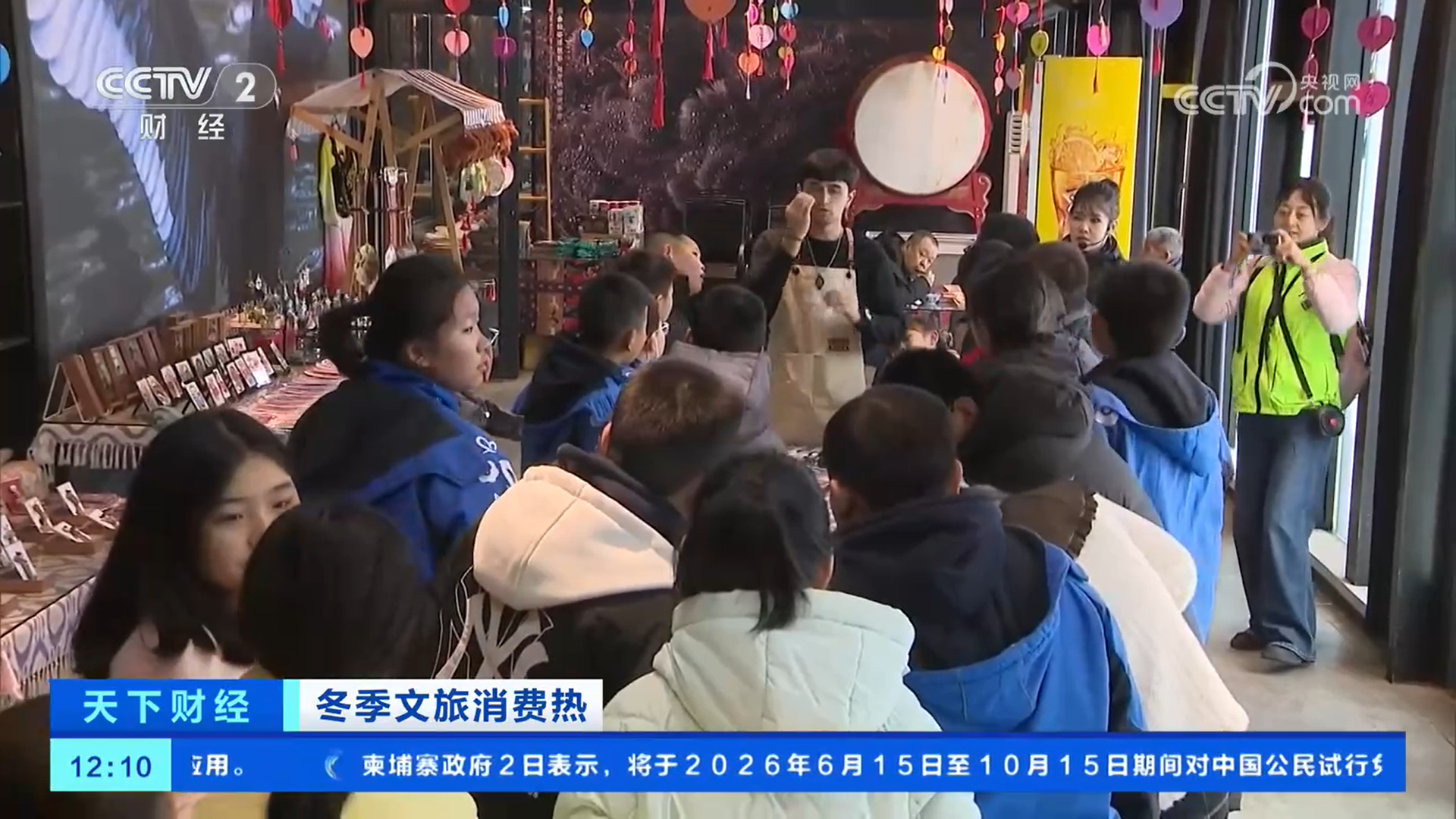
Group 1 - Recent remarks by Japanese Prime Minister Sanae Takaichi regarding Taiwan have damaged the political foundation of Japan-China relations, severely worsening the atmosphere for personnel exchanges between the two countries [1] - Japanese economist Hidetoshi Tashiro indicated that Takaichi's comments could lead to a crisis across various sectors in Japan [1][3] - China is Japan's largest trading partner, with a projected total trade volume of $308.3 billion in 2024, including exports from China worth $152.01 billion and imports to China worth $156.25 billion [3] Group 2 - The tourism industry in Japan heavily relies on Chinese tourists, and a significant decline in their numbers could lead to a contraction in related sectors [4] - Hidetoshi Tashiro warned that if Japan-China relations deteriorate, a reduction or complete halt of Chinese tourists could place Japan's tourism, dining, retail, and even education sectors, particularly universities, in a "survival crisis" [6] - The potential consequences of such a situation, triggered by the Prime Minister's remarks, would represent a significant tragedy for Japan [6]
柬埔寨2026年对中国游客试行免签入境
Zhong Guo Xin Wen Wang· 2025-12-03 05:29
Core Points - Cambodia will implement a visa-free entry policy for Chinese tourists from June 15 to October 15, 2026, allowing them to enter by filling out an electronic entry card without prior visa application or fees [1] - During this period, Chinese tourists can stay for up to 14 days and make multiple entries [1] - The Cambodian Ministry of Tourism encourages local tourism associations and media to promote this initiative to enhance visits from Chinese citizens and investors [1] Tourism Impact - In the first ten months of this year, Cambodia received approximately 4.8 million international tourists, with nearly 1 million coming from China [1] - The visa-free policy is expected to significantly increase the willingness of Chinese tourists to visit Cambodia, especially since it coincides with the peak summer travel season in China [1] - Previously, visa fees for Cambodia ranged from $30 to $35, and the new policy will reduce travel costs for Chinese tourists, enhancing Cambodia's competitiveness in Southeast Asia's tourism market [1]
两部门:进一步提高入境旅游便利化水平
Mei Ri Jing Ji Xin Wen· 2025-12-03 03:23
Core Viewpoint - The Ministry of Culture and Tourism and the Civil Aviation Administration of China have issued an action plan to enhance the integration of cultural tourism and civil aviation, focusing on improving the convenience of inbound tourism [1] Group 1: Policy Measures - The action plan aims to continuously implement policies that enhance the convenience of inbound tourism and travel for foreigners [1] - It includes promoting the "buy and refund" service for departure tax refunds [1] - Major domestic airlines and hub airports are encouraged to improve services related to boarding, entry, and transit for international flight passengers [1] Group 2: Infrastructure and Services - The plan emphasizes the need to improve foreign language signage and guidance facilities at airports [1] - It encourages hub airports to offer portable translation device rental services [1] - A mechanism for simplifying procedures at hub airports is to be established, along with an expansion of the coverage of international connecting flights [1]
两部门发布《文化和旅游与民航业融合发展行动方案》
Jing Ji Guan Cha Bao· 2025-12-03 03:08
Core Viewpoint - The "Action Plan for the Integration of Culture, Tourism, and Civil Aviation" aims to enhance the synergy between the cultural and tourism sectors and the civil aviation industry, targeting significant improvements in travel services and product offerings by 2027 [1][4]. Group 1: Overall Requirements - The plan is guided by Xi Jinping's thoughts and aims to deepen the integration of culture, tourism, and civil aviation, creating new economic growth points and meeting the increasing cultural and travel needs of the public by 2027 [4]. Group 2: Enhancing Travel Service Levels - The plan emphasizes improving travel services for specific demographics, including seniors, educational tours, family travel, winter sports tourism, and inbound tourism, with tailored service measures to enhance convenience and comfort [5][6]. - It addresses current issues in domestic flight routes and international capacity, proposing measures to optimize travel routes and service facilities, thereby improving accessibility and service quality for tourism [1][7]. Group 3: Optimizing Travel Routes and Service Facilities - The plan encourages the inclusion of more tourist cities in the aviation service network and the opening of new routes to popular destinations, including seasonal flights and themed flights for cultural events [7][8]. - It aims to enhance inbound tourism by optimizing air rights and developing diverse travel products, including "air + high-speed rail" and "cruise + air" options [8]. Group 4: Cultivating New Products and Business Models - The plan promotes the development of new products and business models that integrate civil aviation with cultural and tourism services, encouraging collaboration between airlines and tourism enterprises [9][10]. - It supports the creation of cultural and tourism experiences at airports, including exhibitions and interactive entertainment, to enhance consumer engagement [11]. Group 5: Creating a Supportive Development Environment - The plan establishes a communication and coordination mechanism between the Ministry of Culture and Tourism and the Civil Aviation Administration to foster collaboration and innovation in integrated products and services [12][13]. - It emphasizes the need for policy support to optimize flight management and resource utilization, encouraging local governments to develop specific policies to promote integration [14].