体育

Search documents
宠物经济写入政府工作报告 成都消费升级再出实招
Sou Hu Cai Jing· 2026-01-28 14:17
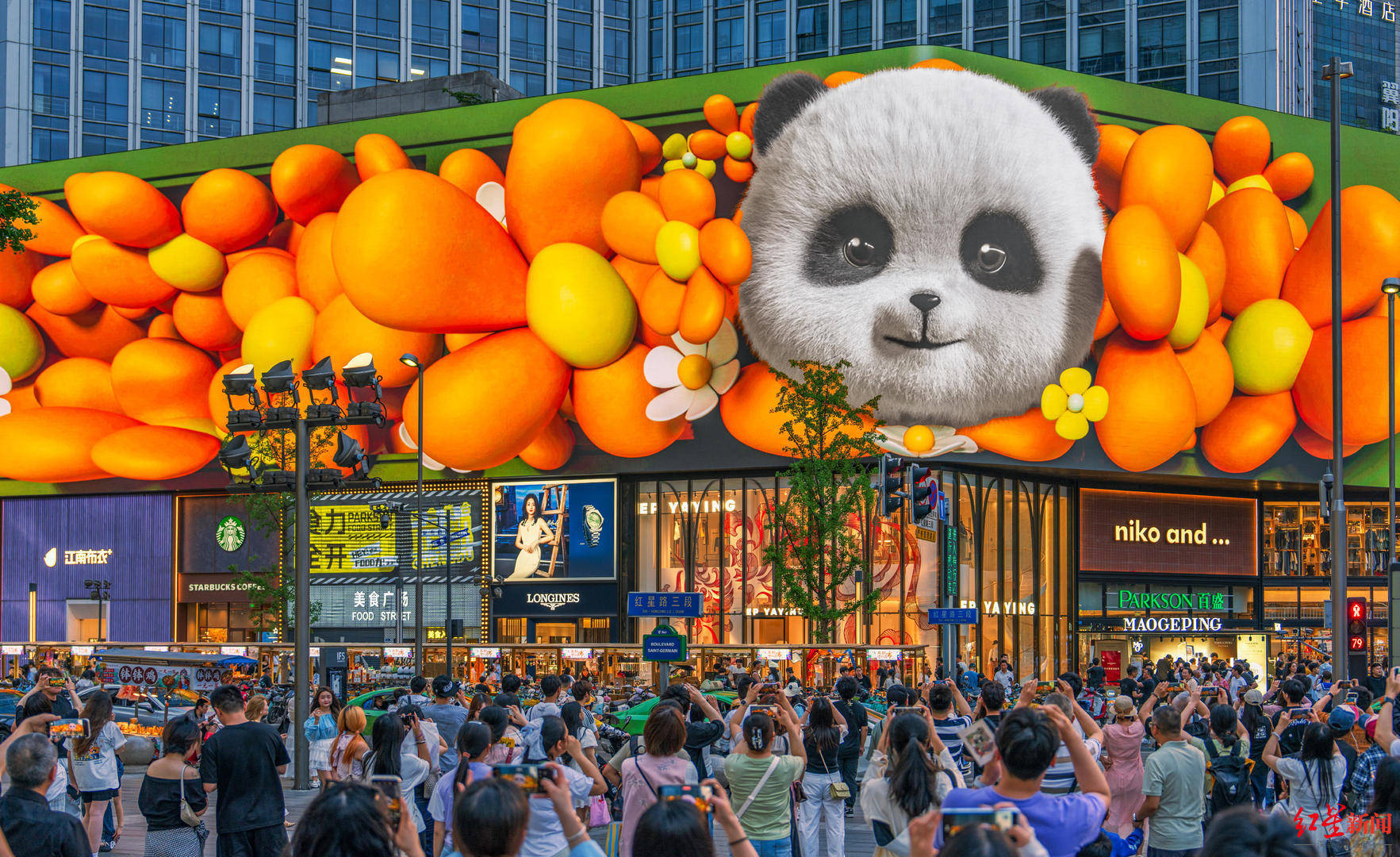
中新网成都1月28日电 (王利文 单鹏)"2026年,成都将大力发展晨间经济、夜间经济、免税经济、首发 经济、宠物经济""落地大型演唱会150场以上"……1月28日开幕的成都市第十八届人民代表大会第四次 会议上,政府工作报告中提出的一系列消费创新举措引发关注。 来源:中国新闻网 2025年1月1日,成都市民在户外遛狗,感受新年暖阳。记者 安源 摄 作为消费活力标杆城市,2025年,成都社会消费品零售总额总量已居副省级城市第一位,出台提振消费 26条政策举措,兑现消费品以旧换新补贴超870万件,发展"跟着演展赛剧游成都"票根经济,四川省首 个市内免税店建成投运,接待入境游客238万人次、同比增长44.3%。 在此基础上,成都将在2026年深挖消费潜力。其中包括深入实施提振消费专项行动,加快推进消费品以 旧换新;提振线下消费,擦亮新"十二月市"等特色消费品牌;创新消费模式,落地首店850家以上;提 升文旅消费,创新实施"跟着航线去营销"行动,优化入境游全周期服务。除落地150场以上大型演唱会 外,成都还将推动票根串联"吃住行游购娱"全链条,将举办糖酒会、国际车展等1060场以上会展活动, 举办国际体育赛事30项以 ...


两会热评③丨“副省级消费第一城”,为什么是成都?
Sou Hu Cai Jing· 2026-01-28 11:03
成都万亿级消费"成绩单",是市民的你一单我一单,是企业的左一单右一单。消费行为的背后,是信心 在2026年成都市政府工作报告中,城市消费"成绩单"十分亮眼:作为万亿级消费城市,成都2025年社会消费品零售总额增长5.5%,总量居副省级城市第1 位。 成都2023年晋身万亿级消费城市,此次再次升位,这一"成绩单"殊为不易。当前,外部环境的复杂性、严峻性、不确定性上升,国内有效需求仍显不足。相 比之下,成都、武汉、重庆等中西部核心城市消费稳中有升,增速高于东部沿海城市,消费重心呈现"西移"之势。 ↑春熙路太古里商圈夜景璀璨 势,只是一种结果,"事"在"势"之先。所谓事在人为,成都做对了什么? 简而言之,就是主动作为,开花结果。去年,成都亮出以《提振消费专项行动实施方案》为首的系统性政策组合拳,从供需两端综合发力,加快打造国际消 费中心城市,促进全方位提振消费。 立足传统消费,用好用活"两新"政策,兑现消费品以旧换新补贴超870万件,入选首批全国零售业创新提升试点城市;立足融合消费,打造"蓉城囍事"等品 牌,发展"跟着演展赛剧游成都"票根经济,"融"出文商旅体融合效力,入选国家首批促进体育消费和赛事经济试点城市;立 ...
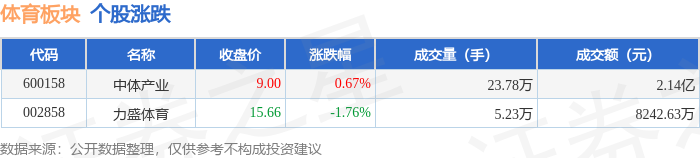
体育板块1月28日涨0.15%,中体产业领涨,主力资金净流出551.37万元
Zheng Xing Xing Ye Ri Bao· 2026-01-28 09:04
证券之星消息,1月28日体育板块较上一交易日上涨0.15%,中体产业领涨。当日上证指数报收于 4151.24,上涨0.27%。深证成指报收于14342.9,上涨0.09%。体育板块个股涨跌见下表: | 代码 | 名称 | 收盘价 | 涨跌幅 | 成交量(手) | 成交额(元) | | | --- | --- | --- | --- | --- | --- | --- | | 600158 | 中体产业 | 9.00 | 0.67% | 23.78万 | | 2.14亿 | | 002858 | 力盛体育 | 15.66 | -1.76% | 5.23万 | | 8242.63万 | 从资金流向上来看,当日体育板块主力资金净流出551.37万元,游资资金净流入867.98万元,散户资金净 流出316.61万元。体育板块个股资金流向见下表: | | | | 代码 名称 主力净流入(元) 主力净占比 游资净流入(元) 游资净占比 散户净占比 | | | | | --- | --- | --- | --- | --- | --- | --- | | 600158 中体产业 | -253.49万 | -1.19% | ...


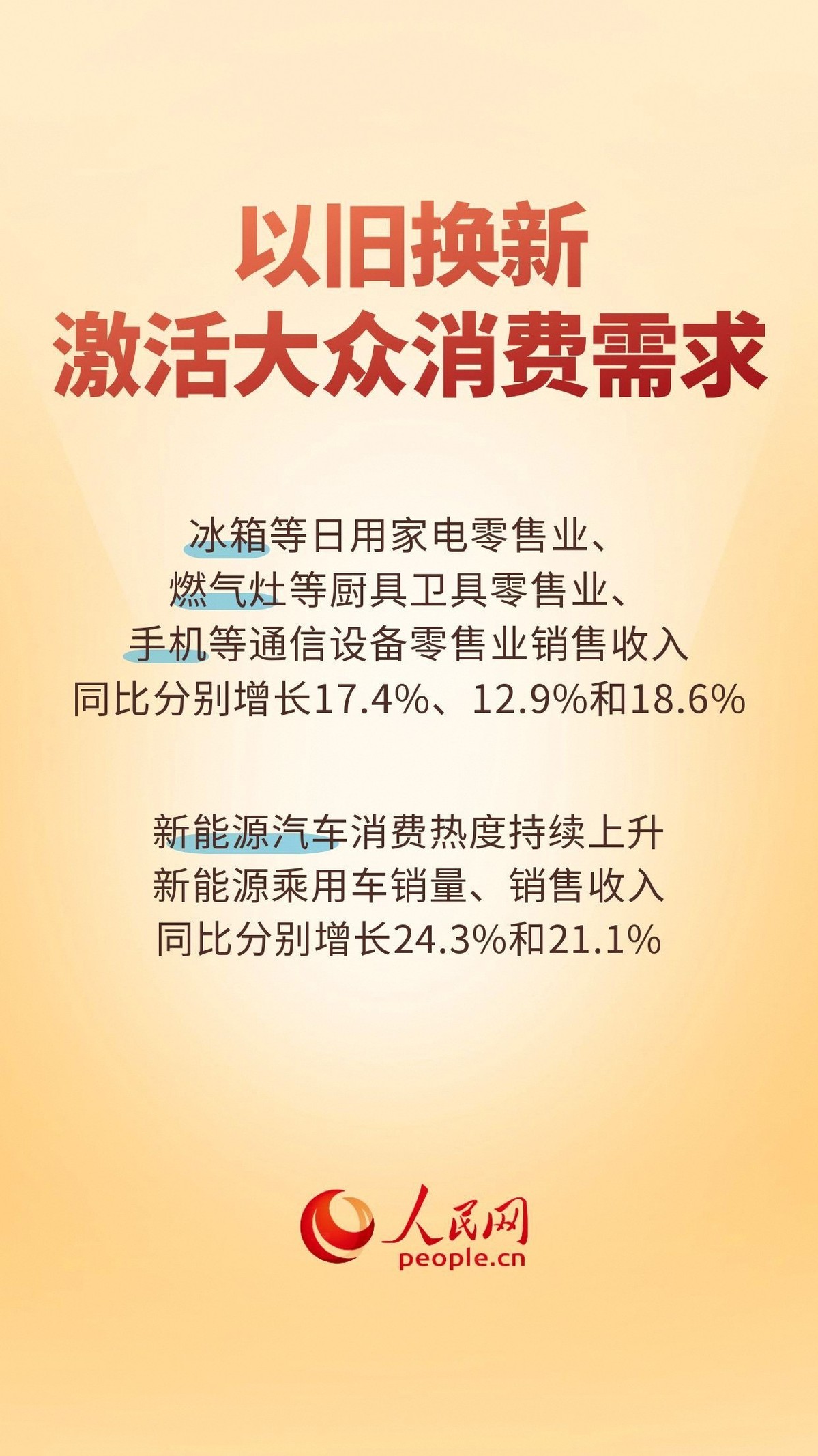
数读20256组数据透视消费市场活力涌动
Ren Min Wang· 2026-01-28 07:39
Group 1 - The core viewpoint highlights the significant growth in various sectors of cultural and tourism consumption, indicating a revitalization of consumer activity [2][3][4][5][9] - Revenue from artistic creation and performance sales increased by 17.3% year-on-year [2] - Sales revenue from travel agencies and related services, scenic spots, and leisure sightseeing activities grew by 11.2%, 26.1%, and 14.69% respectively [3] Group 2 - New consumption patterns are emerging, with internet life service platforms and food delivery sales increasing by 9.4% and 13.3% year-on-year [4] - Digital cultural consumption, represented by gaming and animation, shows significant potential with a 16.69% increase in sales revenue [4] - Health-related consumption is becoming a new hotspot, with sales revenue from health management, wellness services, and sports health services growing by 11.7%, 12%, and 16.5% respectively [5] Group 3 - The demand for elderly care, social assistance, and nursing home services is on the rise, indicating a sustained release of consumption potential [6] - The revenue from nursery services increased by 5.4% year-on-year, reflecting the ongoing development of childcare service systems [7] Group 4 - There is a continuous expansion of inbound consumption, with the number of outbound travelers eligible for tax refunds increasing by 305% year-on-year [9] - The sales volume of tax refund goods rose by 95.9%, and the total tax refund amount increased by 95.8% [9] - The number of regions implementing new tax refund policies has increased, with 12,930 stores offering tax refund services, including over 7,000 providing "buy and refund immediately" services [9]
社会服务行业2026年投资策略:消费回暖在即,关注细分赛道复苏节奏
Southwest Securities· 2026-01-28 04:43
Core Insights - The report highlights a recovery in consumer spending, particularly in the tourism sector, with domestic tourism expected to grow significantly in 2025, with a projected increase of 16.2% in travel volume and 9.5% in tourism revenue [4][24] - The human resources sector is poised for growth due to ongoing government support and the integration of AI technologies, which are expected to enhance efficiency and reduce operational burdens [4][40] - The sports industry is set to expand rapidly, with clear policy direction aiming for a total industry scale of 7 trillion yuan by 2030, indicating substantial growth potential [4][59] Tourism Industry - The domestic tourism market is projected to maintain high growth rates, with urban residents expected to travel 4.996 billion times, a 14.3% increase, and rural residents 1.526 billion times, a 22.6% increase in 2025 [24][27] - Despite the growth, the tourism sector has not yet returned to pre-pandemic levels, with tourism revenue as a percentage of GDP at only 4.5% in 2025, compared to 5.7% in 2019 [27][28] - Consumer willingness to spend on tourism remains strong, with tourism consumption ranking first among various spending categories [31][30] Human Resources Industry - The human resources sector is characterized as a strong cyclical industry, benefiting from macroeconomic recovery and increasing demand for flexible labor solutions [33][38] - The penetration rate of flexible employment in China is significantly lower than in developed countries, indicating substantial growth potential as the market matures [48][49] - Government policies are increasingly supportive of the human resources sector, with a focus on protecting the rights of flexible workers and enhancing the overall market environment [38][40] Sports Industry - The sports industry is expected to see accelerated growth, with the total industry scale projected to reach 3.8 trillion yuan by 2024, and a target of 7 trillion yuan by 2030 [59][56] - The government's "National Fitness Plan" aims to increase the sports industry's contribution to GDP, with a target of 2% by 2025 [59][56] - The expansion of sports events, including new golf tournaments, is anticipated to drive growth and diversify revenue streams for companies in the sector [67][69] Investment Recommendations - The report recommends focusing on companies like Huangshan Tourism (600054.SH) and Lisheng Sports (002858.SZ), which are expected to benefit from favorable policies and market conditions [4][64][67] - Huangshan Tourism is projected to see revenue growth of 13.05% in 2025, with a net profit increase of 19.83% [64] - Lisheng Sports is expected to achieve significant revenue growth of 30.02% in 2025, with a turnaround to profitability anticipated [67]
柯基体育发展(贵州)有限公司成立,注册资本500万人民币
Sou Hu Cai Jing· 2026-01-28 02:45
经营范围含法律、法规、国务院决定规定禁止的不得经营;法律、法规、国务院决定规定应当许可(审 批)的,经审批机关批准后凭许可(审批)文件经营;法律、法规、国务院决定规定无需许可(审批) 的,市场主体自主选择经营。(体育赛事策划;组织体育表演活动;体育竞赛组织;体育用品及器材批 发;非物质文化遗产保护;服装服饰零售;智能机器人的研发;服务消费机器人制造;信息咨询服务 (不含许可类信息咨询服务);体育中介代理服务;服务消费机器人销售;体育场地设施工程施工;体 育场地设施经营(不含高危险性体育运动);体育经纪人服务;城市公园管理;互联网销售(除销售需 要许可的商品);国内贸易代理;体育用品设备出租;电影摄制服务;体育保障组织;园区管理服务; 摄影扩印服务;体育消费用智能设备制造;会议及展览服务(出国办展须经相关部门审批);健身休闲 活动;游览景区管理;体育健康服务;知识产权服务(专利代理服务除外);户外用品销售;智能无人 飞行器销售;体育用品及器材制造;智能无人飞行器制造;日用品销售;票务代理服务;食品销售(仅 销售预包装食品);品牌管理;市场营销策划;广告设计、代理;广告制作;广告发布;日用百货销 售;组织文化艺术 ...
天津拟试点有奖发票 单张奖金最高800元
Sou Hu Cai Jing· 2026-01-28 01:11
民众如何参与抽奖? 有奖发票试点工作具体涉及零售、餐饮、住宿、文化艺术、娱乐、旅游、体育、居民服务业等领域,覆 盖日常消费主要场景,与居民"衣食住行"密切相关。 央广网天津1月28日消息(记者张强)据国家税务总局网站消息,商务部、财政部、国家税务总局1月23 日对外公示拟开展有奖发票试点城市名单,包括北京、天津、上海、重庆等50个城市入选。 2025年12月底,财政部、商务部、国家税务总局联合印发通知,支持50个左右城市开展有奖发票试点工 作,试点城市自行确定中奖发票最低票面额度(不低于100元)、中奖比例和奖项设置,单张发票奖项 金额原则上不超过800元,政策实施期为6个月。近期,三部门组织开展了有奖发票试点城市评审工作。 这一评审结果公示期为2026年1月23日至2026年2月2日。 3、将加强对参与试点工作相关人员的监督管理,防范徇私舞弊、人为操纵等行为。 4、试点城市将公布投诉举报方式,消费者可随时反映试点过程中发现的违法违规问题。 1、开奖过程由公证处公证,中奖结果公开透明,依法依规接受社会监督。 2、试点城市将充分利用技术手段强化有奖发票活动全过程监控,确保消费行为真实,严厉打击弄虚作 假骗取、套 ...
烟台入选拟开展有奖发票试点城市
Qi Lu Wan Bao· 2026-01-27 12:24
Core Viewpoint - Yantai has been selected as a pilot city for a national prize invoice initiative aimed at stimulating consumer spending through incentive policies [1] Group 1: Program Details - The prize invoice initiative is a collaborative effort by the Ministry of Finance, Ministry of Commerce, and State Taxation Administration [1] - The program will cover eight major consumer sectors: retail, catering, accommodation, cultural arts, entertainment, tourism, sports, and residential services [1] - The trial period for the initiative is set for six months, during which consumers can participate in a lottery by obtaining eligible invoices [1] Group 2: Participation Requirements - To qualify for the lottery, invoices must meet four key criteria: a minimum face value of 100 yuan, must be a general VAT invoice, the purchaser must provide their real name, and the invoice must be issued in the name of an individual consumer [1] - The maximum prize amount for a single invoice is 800 yuan [1] Group 3: Implementation Timeline - Yantai's relevant departments are actively working on the implementation plan and technical platform integration, aiming to launch the prize invoice activity before the Spring Festival [2] - Specific lottery rules, prize settings, and redemption processes will be clarified and announced through official channels [2]
税收数据显示:2025年“一老一小”消费潜力持续释放
Zhong Guo Qing Nian Bao· 2026-01-27 09:54
国家税务总局最新发布的税收数据显示,2025年,我国消费市场呈现多方面新亮点:家电、手机、新能 源汽车等消费需求有力释放,消费新模式新场景不断创新融合,银发群体展现较大消费潜力,境外游客 入境消费迸发活力。 具体来看,2025年,家电消费呈增长态势,冰箱等日用家电零售业、燃气灶等厨具卫具零售业、手机等 通信设备零售业销售收入同比分别增长17.4%、12.9%和18.6%;同时,新能源乘用车销量、销售收入同 比分别增长24.3%和21.1%,新能源汽车消费热度持续上升。 文旅融合点燃消费新活力。2025年,文艺创作与表演销售收入同比增长17.3%,沉浸式、场景式业态创 新推动文旅消费提质升级,旅行社及相关服务、名胜风景区、休闲观光活动销售收入同比分别增长 11.2%、26.1%和14.6%。2025年,体育会展服务、体育咨询服务销售收入同比分别增长12.2%、27.8%, 赛事经济打破传统消费时空边界,成为提振消费的新引擎。 "一老一小"的消费潜力也在持续释放。2025年,老年人养护、社会看护与帮助、疗养院服务消费同比分 别增长24.9%、23.1%和15.4%。随着社会协同推进托育服务体系建设,托儿所服务销售 ...
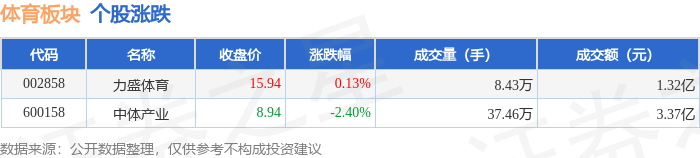
体育板块1月27日跌1.87%,中体产业领跌,主力资金净流出1484.27万元
Zheng Xing Xing Ye Ri Bao· 2026-01-27 08:49
| 代码 | 名称 | 收盘价 | 涨跌幅 | 成交量(手) | 成交额(元) | | | --- | --- | --- | --- | --- | --- | --- | | 002858 | 力盛体育 | 15.94 | 0.13% | 8.43万 | | 1.32亿 | | 600158 | 中体产业 | 8.94 | -2.40% | 37.46万 | | 3.37 Z | 证券之星消息,1月27日体育板块较上一交易日下跌1.87%,中体产业领跌。当日上证指数报收于 4139.9,上涨0.18%。深证成指报收于14329.91,上涨0.09%。体育板块个股涨跌见下表: | 代码 名称 主力净流入(元) 主力净占比 游资净流入(元) 游资净占比 散户净占比 | | | | | | | | --- | --- | --- | --- | --- | --- | --- | | 002858 力盛体育 | -700.67万 | -5.31% | 383.28万 | 2.91% | 317.39万 | 2.41% | | 600158 中体产业 | -783.60万 | -2.33% | 1368.27万 ...