智能网联汽车

Search documents
工信部就7项智能网联汽车强制性国标公开征求意见
Cai Jing Wang· 2026-01-09 02:05
工业和信息化部科技司近日发布公示,就《智能网联汽车自动泊车系统安全要求》等7项拟立项的强制 性国家标准制修订计划,向社会公开征求意见。公示时间为2026年1月8日至2026年1月13日。公众可通 过电子邮件或电话反馈意见。 ...
L3上路试点,自动驾驶如何真正跑起来?
Yang Shi Xin Wen· 2026-01-09 01:03
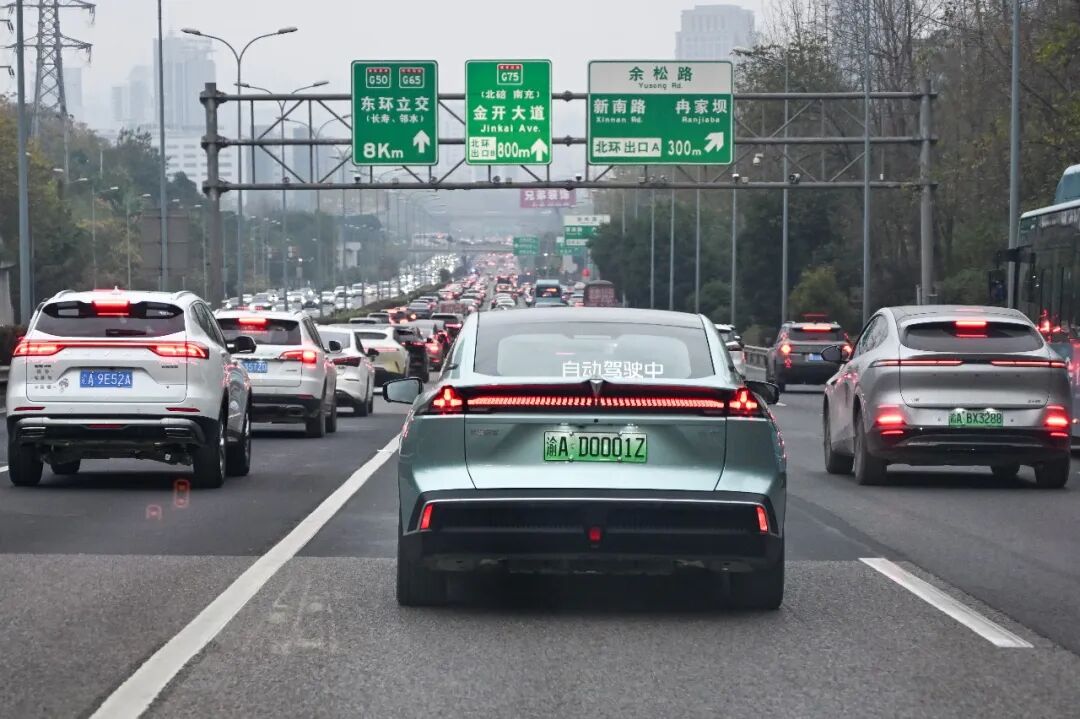
Core Viewpoint - The introduction of L3 level autonomous driving vehicles in Chongqing marks a significant step towards the commercialization of autonomous driving technology in China, with the first official license plate issued to Changan Automobile for its L3 vehicle [1][12]. Group 1: Definition and Classification of L3 Autonomous Driving - L3 level autonomous driving is classified as conditional automation, where the vehicle can drive itself in specific scenarios but requires the driver to take over when prompted by the system [3][5]. - The distinction between L2 and L3 levels lies in the role and responsibility of the driver versus the system, transitioning from "driver assistance" to "system-led" driving [3][5]. Group 2: Differences Between Testing and Pilot Programs - The L3 autonomous driving pilot program in Chongqing and Beijing involves vehicles that are mass-produced and issued formal vehicle licenses, unlike previous road tests that did not issue such licenses [6][7]. - The pilot program aims to transition from technical validation to mass application, focusing on safety and regulatory frameworks [6][7]. Group 3: Features and Performance of L3 Vehicles - The Changan SC7000AAARBEV model, one of the approved vehicles, demonstrated effective handling of various driving situations, including traffic congestion and sudden stops, showcasing its advanced autonomous capabilities [8][9]. - The vehicle is permitted to operate in specific congested areas with a speed limit of 50 km/h, emphasizing safety in complex driving conditions [9][11]. Group 4: Reasons for Chongqing's Leadership in Autonomous Driving - Chongqing's early adoption of supportive policies and regulations for autonomous driving testing has established a conducive environment for the development and application of such technologies [12][14]. - The city's unique geographical features provide a challenging testing ground for autonomous systems, allowing for thorough evaluation under diverse conditions [14][16]. Group 5: Future Considerations for Autonomous Driving in China - The successful implementation of L3 autonomous driving requires parallel advancements in legal regulations, traffic management, and public understanding of the technology [19][20]. - Clear definitions of responsibility in scenarios where human intervention is required are essential for the safe integration of autonomous vehicles into public roads [20][22].


从能源基地到科创高地 西部省份“十五五”谋新求变
Shang Hai Zheng Quan Bao· 2026-01-08 16:49
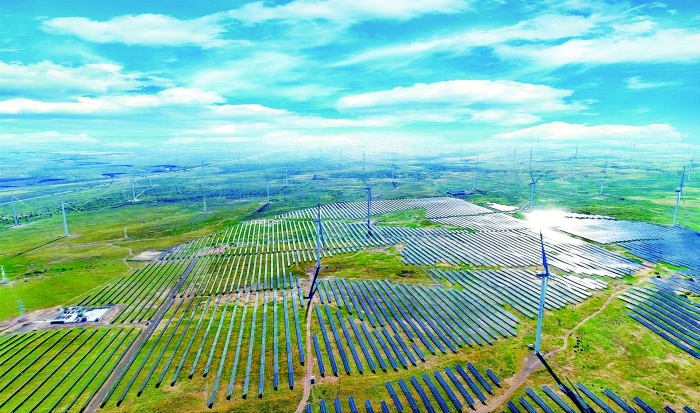
Group 1: Core Insights - The western region of China, comprising 12 provinces, is pivotal for clean energy development and plays a crucial role in national reform and stability [2][3] - The "14th Five-Year Plan" emphasizes the transformation of resource advantages into industrial advantages, promoting a multi-dimensional value creation model [2][4] - Ningxia is leading in new energy storage development, with a complete chain of wind, solar, and hydrogen energy, contributing to a billion-level clean energy industry cluster [3][4] Group 2: Industry Developments - Inner Mongolia aims to enhance traditional energy security while expanding new energy development, focusing on wind, solar, and hydrogen storage industries [4][5] - Gansu is set to become a significant base for new energy and equipment manufacturing, transitioning from an energy province to a strong energy province [4][6] - Sichuan plans to strengthen strategic emerging industries such as biomedicine and artificial intelligence, positioning itself as a key economic engine in the western development [6][7] Group 3: Open Cooperation - Guangxi is enhancing its port capabilities, aiming for a container throughput of over 10 million TEUs by 2025, facilitating international trade [7][8] - Yunnan is focusing on becoming a center for South Asia and Southeast Asia, leveraging various open platforms to enhance regional influence [7][8] - Inner Mongolia is expanding its open economy, aiming to strengthen trade relations with East Asia, Southeast Asia, and Europe [8][9]
广州:加快推进国家5G车联网先导区建设 支持在公共交通领域率先探索自动驾驶示范应用
Zheng Quan Shi Bao· 2026-01-08 11:46
Core Viewpoint - The Guangzhou Municipal Government has issued a plan to accelerate the construction of a strong advanced manufacturing city from 2024 to 2035, focusing on smart connected vehicles and intelligent transportation applications [1] Group 1: Smart Connected Vehicles - The plan supports the establishment of demonstration zones for smart connected vehicles based on broadband mobile internet [1] - It emphasizes the acceleration of the national 5G vehicle networking pilot zone construction [1] - The initiative includes the development of intelligent driving cockpit solutions and in-vehicle infotainment systems [1] Group 2: Autonomous Driving Applications - The plan encourages the public transportation sector to explore autonomous driving demonstration applications [1] - It aims to create world-class demonstration application cases in the field of autonomous driving [1] - The establishment of closed testing zones and several semi-open and fully open testing areas for smart connected vehicles is supported [1] Group 3: Road Testing and Advanced Systems - The plan promotes the acceleration of road testing for smart connected vehicles [1] - It supports the development of advanced driver assistance systems and tire pressure monitoring systems [1] - The initiative aims to enhance the overall infrastructure for intelligent transportation solutions [1]
广州:加快推进国家5G车联网先导区建设 支持在公共交通领域率先探索自动驾驶示范应用
Zheng Quan Shi Bao Wang· 2026-01-08 09:27
Core Viewpoint - The Guangzhou Municipal Government has issued a plan to accelerate the construction of a strong advanced manufacturing city from 2024 to 2035, focusing on smart connected vehicles and intelligent transportation applications [1] Group 1: Smart Connected Vehicles - The plan supports the establishment of demonstration zones for smart connected vehicles based on broadband mobile internet [1] - It emphasizes the acceleration of the national 5G vehicle networking pilot zone construction [1] - The initiative includes the development of intelligent cockpit solutions and in-vehicle infotainment systems, as well as advanced driver assistance systems [1] Group 2: Autonomous Driving Applications - The plan encourages the public transportation sector to explore autonomous driving demonstration applications [1] - It aims to create world-class demonstration application cases in the field of autonomous driving [1] - The establishment of closed testing zones and several semi-open and fully open testing areas for smart connected vehicles is supported [1] Group 3: Road Testing and Development - The plan promotes the acceleration of road testing for smart connected vehicles [1] - It includes support for tire pressure monitoring and air conditioning control systems as part of the vehicle technology development [1]
工信部等八部门:加快人工智能赋能工业母机、工业机器人
Cai Jing Wang· 2026-01-08 08:58
Core Viewpoint - The Ministry of Industry and Information Technology, along with eight other departments, has issued the "Implementation Opinions on the Special Action of 'Artificial Intelligence + Manufacturing'" to promote the integration of AI in manufacturing processes [1] Group 1: AI Empowerment in Manufacturing - The initiative aims to accelerate the iteration of intelligent equipment, focusing on enhancing the capabilities of industrial mother machines and industrial robots through AI [1] - Development of next-generation AI numerical control systems is emphasized to improve autonomous decision-making, analysis, and execution capabilities [1] Group 2: Smart Connected Vehicles - The plan includes conducting tests and safety assessments for smart connected vehicles equipped with autonomous driving features [1] - It aims to systematically advance product access and trial operations for these vehicles on public roads [1]

萧山经济技术开发区“新老并进”筑千亿集群
Hang Zhou Ri Bao· 2026-01-08 02:57
Core Insights - The article highlights the development of the Xiaoshan Economic and Technological Development Zone (Xiaojingkai) as a hub for advanced manufacturing, particularly in the smart connected vehicle sector, showcasing significant growth and investment in this area [3][4][7] Group 1: Industry Growth and Investment - Xiaojingkai is focusing on high-end manufacturing, with the smart connected vehicle industry being a key sector, projected to reach a scale of 100 billion yuan [3] - The introduction of key projects like Zeekr headquarters and Jidian Electronics is enhancing the automotive supply chain, with Jidian Electronics expected to generate an additional output value of 3 billion yuan [4] - From January to October 2025, the output value growth rate for 23 smart connected vehicle enterprises in Xiaojingkai reached 42.4%, with 13 key enterprises exceeding 1 billion yuan in growth rate at 44.6% [4] Group 2: Technological Innovation and Transformation - The modern textile and apparel industry in Xiaojingkai is revitalizing through "Artificial Intelligence +", with the region being a core area for this sector in Zhejiang Province [5] - Companies like Hangzhou Simei Clothing Co., Ltd. are expanding into specialized protective gear while holding multiple patents for sewing equipment, indicating a shift towards higher value in the supply chain [5] Group 3: Systematic Support and Ecosystem - A specialized working mechanism has been established to support the smart connected vehicle and aerospace industry clusters, tracking 26 projects with a total planned investment of 34.55 billion yuan [6] - Collaborations with high-level innovation platforms like Zhejiang University Hangzhou International Innovation Center are enhancing local manufacturing capabilities [6] - Xiaojingkai aims to create a modern industrial system that supports the "296X" advanced manufacturing cluster in Hangzhou, positioning itself as a key player in the global advanced manufacturing landscape [7]
辰致科技:iPCS项目域控平台获突破 智能网联汽车核心计算技术跻身国内领先
Zhong Guo Qi Che Bao Wang· 2026-01-08 01:19
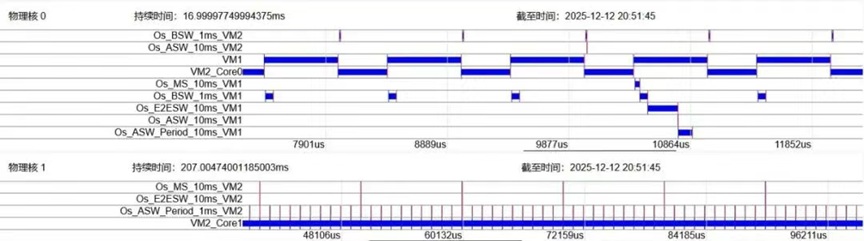
Core Insights - ChenZhi Technology has made significant breakthroughs in the development of a domain control general open computing platform through the iPCS project, positioning itself among the leading companies in the core computing field of intelligent connected vehicles [1][4] - The automotive industry's electronic and electrical architecture is rapidly evolving towards a "central computing + regional control" model, moving away from traditional distributed software architectures [1] Industry Challenges - The development model of "big chips + big software" has led to high communication costs, low integration efficiency, significant system debugging challenges, weak software IP protection, and insufficient business isolation, which are key obstacles to the large-scale implementation of domain controllers and the progress of "software-defined vehicles" [1] Technological Solutions - ChenZhi Technology has developed an integrated solution for the domain control general open computing platform, focusing on "virtualization" and "multi-level hardware isolation" as core technological pillars, enabling secure isolation of multiple business operations on a single hardware platform [3] - The solution supports independent development of functional modules, cross-entity secure integration, dynamic and flexible deployment of computing power, and lightweight firmware upgrades, facilitating efficient resource integration for OEMs [3] Collaborative Efforts - To strengthen the technical foundation of the project, ChenZhi Technology has formed a joint project team with the Innovation Research Institute, leveraging each party's technical expertise to overcome core technological challenges such as virtualization interrupt handling and virtual machine scheduling mechanisms [3] - The project team has also engaged in deep strategic collaborations with leading international companies like ETAS and NXP, enhancing the industrial adaptability of the solution with complete vehicle software platform solutions based on AUTOSAR standards [3] Innovation Highlights - During the project, over ten key technological topics were developed, with a notable highlight being the application of a self-developed time analysis tool that enables precise visualization of virtual machine scheduling and task scheduling timing [4] - The successful development of the domain control general open computing platform signifies a critical technological breakthrough for ChenZhi Technology in the "central computing + regional control" architecture, injecting new momentum into the technological upgrade of the intelligent connected vehicle industry [4] Future Directions - Looking ahead, ChenZhi Technology aims to continue promoting the open and standardized construction of the platform, with the goal of building a software ecosystem that spans across chips and vehicle models, thereby accelerating the pace of technological innovation for OEMs [4]
八部门聚力推出“人工智能+制造”专项行动 到2027年,我国人工智能关键核心技术实现安全可靠供给
Zheng Quan Shi Bao· 2026-01-07 18:01
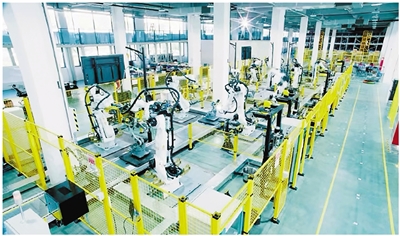
Core Insights - The integration of artificial intelligence (AI) with the real economy is set to profoundly change the production modes and economic forms in the manufacturing sector [1] - The "AI + Manufacturing" initiative aims to accelerate the application of AI technologies in manufacturing, enhancing new industrialization with a focus on creating new productive forces [1] Group 1: Goals and Objectives - By 2027, China aims to achieve secure and reliable supply of key AI technologies, maintaining a leading position in industry scale and empowerment levels globally [1] - The initiative plans to promote the deep application of 3 to 5 general large models in manufacturing, develop 100 high-quality industrial data sets, and implement 500 typical application scenarios [1] - The goal includes nurturing 2 to 3 globally influential ecosystem-leading enterprises and a number of specialized small and medium-sized enterprises [1] Group 2: Key Industries and Applications - Key industries targeted for AI empowerment in new industrialization include raw materials, equipment manufacturing, consumer goods, electronic information, and software and information technology services [1][2] - The initiative encourages leading enterprises and state-owned enterprises to explore new models and applications of AI in manufacturing [2] Group 3: Implementation Strategies - The initiative emphasizes strengthening AI computing power supply, supporting the development of intelligent chips, and fostering collaboration between hardware and software [2] - It aims to promote the iteration of intelligent equipment and the upgrading of intelligent terminals, integrating AI with industrial machinery, robots, and smart connected vehicles [2] - A mechanism for "data collaboration, model training, application development, and security assurance" will be explored to enhance the AI application process [2] Group 4: Collaboration and Funding - A cooperative mechanism involving departments, central and local governments, and industry collaboration will be established to promote the initiative [3] - The initiative encourages local governments to develop tailored policies and measures to guide enterprises in differentiated development [3] - It aims to leverage existing funding channels to support AI-related technology research and application tasks, utilizing the national AI industry investment fund to attract more social capital [3]
利好!八部门联合发布
中国基金报· 2026-01-07 12:28
Core Viewpoint - The article discusses the implementation of the "Artificial Intelligence + Manufacturing" initiative, aiming to enhance the integration of AI technologies in the manufacturing sector, thereby driving industrial upgrades and reshaping the global landscape by 2027 [2][4]. Overall Requirements - The initiative is guided by Xi Jinping's thoughts and aims to promote innovation-driven development, focusing on technology supply, application scenarios, and market leadership while ensuring safety and openness [5]. Innovation Foundation - Strengthening AI computing power supply through the development of advanced chips and cloud computing platforms [7]. - Developing high-performance algorithm models tailored for the manufacturing sector, enhancing real-time and reliable applications [7][8]. Application Expansion - Accelerating AI empowerment in key manufacturing sectors such as raw materials, equipment manufacturing, and consumer goods, while promoting benchmark solutions [9]. - Systematically transforming the entire manufacturing process, from design to production, using AI technologies to enhance efficiency and reduce costs [10][11]. Product Breakthrough - Promoting the iteration of intelligent equipment, including industrial robots and AI-driven medical devices, to enhance decision-making and operational capabilities [14]. - Supporting the development of smart terminals and software applications that integrate AI functionalities to improve user experience and operational efficiency [15]. Main Body Cultivation - Encouraging the growth of influential AI enterprises and supporting small and medium-sized enterprises in their digital transformation efforts [16]. - Establishing innovation centers and laboratories to enhance the supply of key technologies and foster industry collaboration [16]. Ecological Expansion - Strengthening standards and promoting open-source initiatives to build a globally influential AI ecosystem [18]. - Enhancing talent development in AI to meet industry needs and improve overall skill levels [19]. Safety Assurance - Improving safety capabilities in AI applications, focusing on data security and ethical management [20]. - Establishing governance mechanisms for AI safety, including risk monitoring and emergency response protocols [20]. International Cooperation - Encouraging enterprises to tailor AI products for different international markets and participate in global AI discussions [21][22]. Support Measures - Implementing a collaborative mechanism among departments to support the development of AI technologies and applications in manufacturing [23].