
有色金属矿采选业

Search documents
最新公布!CPI统计口径调整,新增洗碗机、医美服务等新消费分类
证券时报· 2026-02-11 09:02
Core Viewpoint - The article discusses the release of the Consumer Price Index (CPI) and Producer Price Index (PPI) data for January, marking the first data release based on the new 2025 benchmark, indicating a slight overall impact from the benchmark rotation on the indices [1][3]. Group 1: CPI Analysis - In January, the CPI increased by 0.2% month-on-month and year-on-year, with core CPI (excluding food and energy) showing a moderate increase [1][8]. - The CPI's year-on-year growth was affected by the Spring Festival's timing and international oil price fluctuations, with food prices decreasing by 0.7%, impacting the CPI by approximately 0.11 percentage points [8]. - The core CPI rose by 0.8% year-on-year, indicating a continued recovery in consumer demand, with a month-on-month increase of 0.3%, the highest in six months [8]. Group 2: PPI Analysis - The PPI rose by 0.4% month-on-month, marking the fourth consecutive month of increase, while the year-on-year decline narrowed to 1.4% [10]. - The increase in PPI is attributed to the ongoing construction of a unified national market, which has led to price increases in certain industries, such as cement and lithium-ion battery manufacturing [10][11]. - Input factors, including international metal prices, have influenced domestic prices, with significant increases in the prices of silver, copper, and aluminum [11]. Group 3: Benchmark Rotation Changes - The benchmark rotation introduced new categories reflecting modern consumption trends, such as home security devices and internet medical services, expanding the coverage of new economic sectors [3][4]. - The number of CPI survey points increased to approximately 120,000, covering around 620,000 specifications, which is a significant expansion compared to the previous benchmark [3]. - The new weightings in the CPI are more aligned with current consumer spending patterns, with an increase in the service category's weight and a decrease in consumer goods [5][6].


中国PPI环比连续4个月上涨
Zhong Guo Xin Wen Wang· 2026-02-11 08:48
Core Viewpoint - In January, China's Producer Price Index (PPI) increased by 0.4% month-on-month but decreased by 1.4% year-on-year, influenced by the ongoing construction of a unified national market, increased demand in certain industries, and the transmission of international commodity prices [1][2] Group 1: Monthly PPI Changes - The PPI rose by 0.4% month-on-month in January, marking a positive trend [1] - Key industries such as cement manufacturing and lithium-ion battery manufacturing saw prices increase by 0.1% month-on-month, continuing a four-month upward trend [1] - Prices for photovoltaic equipment and components shifted from a 0.2% decrease in the previous month to a 1.9% increase in January [1] Group 2: Sector-Specific Price Movements - The rapid development of digital technologies, including artificial intelligence, has led to a 0.5% month-on-month price increase in the computer communication and other electronic equipment manufacturing sector [1] - Specific price increases in this sector included electronic semiconductor materials and external storage devices, which rose by 5.9% and 4.0%, respectively [1] - Increased demand for gifts and food ahead of the Spring Festival contributed to a 4.1% increase in the price of arts and crafts and ceremonial goods, and a 0.3% increase in the agricultural and sideline food processing industry [1] Group 3: Impact of International Prices - The prices in China's non-ferrous metals and petroleum-related industries showed divergence due to external factors [1] - International prices for non-ferrous metals rose, leading to a 5.7% increase in the domestic non-ferrous metal mining and selection industry and a 5.2% increase in the non-ferrous metal smelting and rolling industry [1] - Conversely, fluctuations in international crude oil prices resulted in a 3.1% decrease in domestic oil extraction and a 2.5% decrease in refined petroleum product manufacturing prices [1] Group 4: Year-on-Year PPI Trends - Year-on-year, the PPI decreased by 1.4%, with the decline narrowing by 0.5 percentage points compared to the previous month [2] - The effectiveness of capacity governance in key industries is evident, with reduced year-on-year price declines in non-metallic mineral products, black metal smelting and rolling, and computer communication and other electronic equipment manufacturing [2]
年内首次 两市成交额不足2万亿元!但沪指走出7连阳 如何理解?
Mei Ri Jing Ji Xin Wen· 2026-02-11 08:39
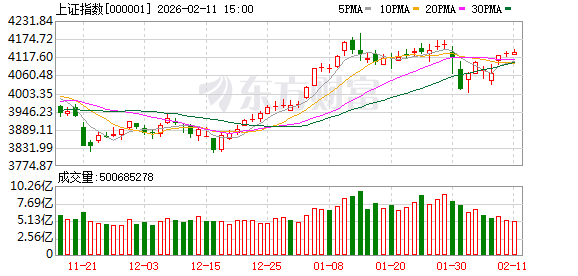
Market Performance - The three major indices showed mixed results, with the Shanghai Composite Index rising by 0.09%, while the Shenzhen Component Index fell by 0.35% and the ChiNext Index dropped by 1.08% [2] - Over 3,200 stocks in the market declined, and the trading volume in the Shanghai and Shenzhen markets decreased by 121.3 billion yuan, falling below 2 trillion yuan for the first time in 31 trading days [3] Sector Analysis - The chemical sector has shown strength recently, with the glass fiber concept rapidly rising, while the film and cinema sector experienced a collective decline [2] - The commercial aerospace concept, which had been consolidating, became active following the successful launch of the Long March 10 rocket but weakened in the afternoon [5] - Funds concentrated in cyclical stocks such as non-ferrous metals and chemicals emerged as the biggest winners of the day [7] Price Movements - Prices of rare earth products have significantly increased, with praseodymium-neodymium oxide and neodymium metal prices rising by approximately 50,000 yuan per ton [8] - The price of 65% black tungsten concentrate rose by 48.9% since the beginning of the year, while the price of ammonium paratungstate (APT) increased by 49.3% [8] - The latest data from the National Bureau of Statistics indicated a 22.7% increase in the price of non-ferrous metal mining and selection industries in January 2026 [10] Company Performance - Notable stock performances included Zhongji Xuchuang, which fell by 4.28%, and Xinyi Media, which rose by 5.09% [4] - The non-ferrous metal sector saw significant contributions to the Shanghai Composite Index's performance, with many leading stocks from this sector contributing to the index's rise [10] Market Outlook - Analysts suggest that in the current market environment, maintaining a rapid rotation among various hotspots is crucial for capturing opportunities [6] - The market is expected to become more active after the Spring Festival, with potential strong themes emerging post-holiday [15]

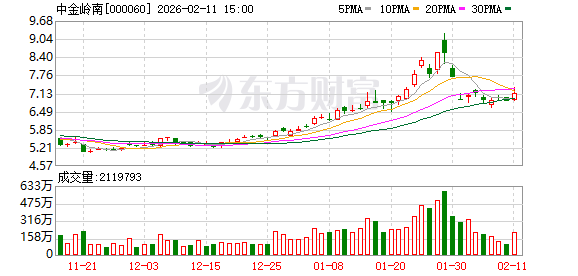
中金岭南:有色金属价格受多种因素影响,存在较大的不确定性
Zheng Quan Ri Bao· 2026-02-11 08:37
Group 1 - The core viewpoint of the article highlights the uncertainty surrounding the fluctuations in tungsten prices, which are influenced by macroeconomic factors, industry cycles, and market sentiment [2] - The company management emphasizes the importance of rationally viewing market volatility and assures that they will implement appropriate operational planning and strategic deployment [2] - The company advises stakeholders to refer to its periodic reports for accurate information regarding tungsten reserves and related operational data [2]

黄金饰品价格同比涨超7成!1月PPI环比连续4个月上涨
2 1 Shi Ji Jing Ji Bao Dao· 2026-02-11 07:58
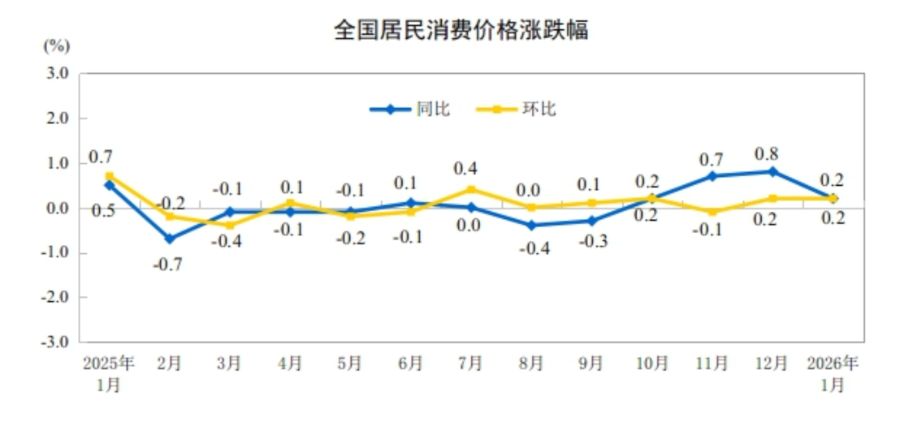
Group 1: Consumer Price Index (CPI) Insights - In January, the Consumer Price Index (CPI) increased by 0.2% month-on-month and year-on-year, with the core CPI (excluding food and energy) rising by 0.8% year-on-year, marking a six-month high [1][4][8] - The decline in food prices by 0.7% contributed to a decrease in the CPI's year-on-year growth, with the previous year's high base due to the Spring Festival affecting the current comparison [5][6] - The core CPI's month-on-month increase of 0.3% indicates a sustained recovery in consumer demand, with significant price increases in services such as air tickets and travel agency fees [7][8] Group 2: Producer Price Index (PPI) Insights - The Producer Price Index (PPI) rose by 0.4% month-on-month in January, marking the fourth consecutive month of increase, with a growth rate expansion of 0.2 percentage points compared to the previous month [1][9] - Year-on-year, the PPI decreased by 1.4%, but the decline was less severe than in the previous month, indicating a potential stabilization in industrial pricing [11] - Various sectors, including non-ferrous metal mining and manufacturing, showed significant price increases, while energy-related industries continued to experience price declines [10][11] Group 3: Economic Outlook - Analysts expect a potential rebound in CPI growth in February due to the timing of the Spring Festival, which may influence consumer spending patterns [6][11] - The overall inflation trend is anticipated to align with the central bank's goal of a "moderate recovery," with PPI growth expected to steadily rise while CPI remains relatively stable [11][12]
国家统计局:2026年1月份CPI同比上涨,PPI同比降幅收窄
Jin Rong Jie· 2026-02-11 07:43
Group 1 - In January, consumer demand continued to recover, with the Consumer Price Index (CPI) rising 0.2% month-on-month and 0.2% year-on-year, while the core CPI, excluding food and energy, increased by 0.8% year-on-year [1] - The year-on-year increase in CPI was affected by the timing of the Spring Festival, leading to a high base comparison from the previous year, particularly in food and service prices [1] - Food prices decreased by 0.7%, contributing to a 0.11 percentage point decline in CPI year-on-year, while energy prices fell by 5.0%, impacting CPI by approximately 0.34 percentage points [1] Group 2 - The core CPI continued to rise, with a month-on-month increase of 0.3%, marking the highest level in six months, driven by higher prices in air tickets and travel services [2] - The Producer Price Index (PPI) rose 0.4% month-on-month, marking the fourth consecutive month of increase, with significant contributions from sectors like cement manufacturing and lithium-ion battery production [2] - Year-on-year, PPI decreased by 1.4%, but the decline was narrower by 0.5 percentage points compared to the previous month, with notable price increases in non-ferrous metal mining and manufacturing sectors [3]
国家统计局:1月份PPI环比继续上涨,同比降幅收窄
Ren Min Wang· 2026-02-11 06:09
Group 1 - The Producer Price Index (PPI) increased by 0.4% month-on-month in January, while it decreased by 1.4% year-on-year, indicating a mixed trend in industrial prices [1][2] - The PPI has risen for four consecutive months, with the month-on-month increase expanding by 0.2 percentage points compared to the previous month [1] - The construction of a unified national market has driven price increases in certain industries, such as cement and lithium-ion battery manufacturing, both of which saw a 0.1% increase month-on-month [1] Group 2 - Increased demand in various sectors has contributed to price rises, particularly in the computer communication and electronic device manufacturing industries, which saw a 0.5% month-on-month increase [1] - The prices of electronic semiconductor materials and external storage devices rose significantly, by 5.9% and 4.0% respectively [1] - The prices in the non-ferrous metal mining and smelting industries increased by 5.7% and 5.2% respectively, driven by rising international metal prices [2] Group 3 - Year-on-year, the PPI decline has narrowed by 0.5 percentage points, with notable increases in non-ferrous metal mining (22.7%) and cultural and sports goods manufacturing (21.2%) [2] - Certain industries, such as non-metallic mineral products and black metal smelting, experienced price declines of 5.4% and 3.7% respectively, although these declines were less severe than in the previous month [2] - Energy-related industries continue to see price decreases, with oil and gas extraction prices down by 16.7% and coal mining prices down by 9.8% [2]
2026年中国有色金属行业展望
Zhong Cheng Xin Guo Ji· 2026-02-11 05:47
Investment Rating - The report maintains a stable outlook for the Chinese non-ferrous metals industry, with an expectation of high industry prosperity through 2026 [2]. Core Viewpoints - The non-ferrous metals industry is expected to maintain a high level of prosperity in 2026 due to tight supply at the mining end and resilient demand, despite potential disruptions from global fiscal and monetary policy adjustments, trade frictions, and geopolitical factors [2][3]. - The report highlights that the prices of copper and aluminum are expected to rise, while lead prices will fluctuate widely, and zinc prices may decline due to the release of new capacities and weak demand [3][4]. - The overall credit quality of the industry is projected to remain stable over the next 12 to 18 months, with profits concentrating in companies with high resource self-sufficiency and strong cost control capabilities [4][5]. Industry Fundamentals - The non-ferrous metals industry is closely linked to the macroeconomic cycle, with a consistent increase in the industry prosperity index since 2025, indicating ongoing positive performance [6][8]. - The report notes that the industrial added value of the non-ferrous metals mining and smelting industries has shown positive year-on-year growth since 2025, reflecting improved operational performance [6][8]. Financial Performance - The report indicates that the overall profitability of companies in the non-ferrous metals sector has improved due to rising prices and production volumes of core products, despite increasing debt levels [4][5]. - The financial health of companies is expected to remain manageable, with financing channels remaining open and debt repayment pressures being controllable [5][6]. Conclusion - The non-ferrous metals industry is anticipated to benefit from supportive policies in fiscal, monetary, and real estate sectors, which will bolster copper consumption and maintain high prices for aluminum and copper [4][24]. - The report emphasizes the importance of monitoring external factors such as U.S. monetary policy and geopolitical tensions, which could impact the industry's performance [9][10].


解读:2026年1月份CPI同比上涨 PPI同比降幅收窄
Guo Jia Tong Ji Ju· 2026-02-11 03:28
Group 1 - The core viewpoint of the articles indicates a continuous recovery in consumer demand, with the Consumer Price Index (CPI) showing a slight increase while the Producer Price Index (PPI) has also risen, reflecting various economic factors [1][4][5] Group 2 - In January, the CPI increased by 0.2% month-on-month and year-on-year, while the core CPI, excluding food and energy, rose by 0.8% year-on-year [1] - The decline in food prices, particularly a 0.7% drop, contributed to a decrease in the CPI's year-on-year growth rate, with fresh vegetable prices rising by 6.9% but showing a reduced growth rate compared to the previous month [2][3] - Energy prices fell by 5.0% in January, impacting the CPI negatively by approximately 0.34 percentage points, with gasoline prices down 11.4% year-on-year [2][3] Group 3 - The PPI increased by 0.4% month-on-month, marking the fourth consecutive month of growth, driven by the ongoing development of a unified national market and increased demand in certain sectors [4][5] - Specific industries such as cement manufacturing and lithium-ion battery production saw price increases, while the prices of photovoltaic equipment turned from a decline to an increase of 1.9% [4] - Year-on-year, the PPI decreased by 1.4%, but the decline was less severe than in the previous month, with notable increases in the prices of non-ferrous metal mining and manufacturing sectors [5]
港股异动 | 紫金矿业(02899)涨超3% 公司上调未来三年产量指引 机构称其长期产量增长强劲
Zhi Tong Cai Jing· 2026-02-11 03:19
Core Viewpoint - Zijin Mining (02899) has seen a stock increase of over 3% following the announcement of its production guidance for the next three years, indicating strong long-term growth potential in production [1] Group 1: Production Guidance - Zijin Mining has approved a three-year production plan for major mineral products from 2026 to 2028, with a long-term vision for 2035 [1] - The company has raised its gold production forecast for 2028 to between 130 to 140 tons, up from the previous guidance of 100 to 110 tons [1] - The expected compound annual growth rate (CAGR) for gold production from 2025 to 2028 is projected to be between 13% to 16% [1] Group 2: Copper Production - Zijin Mining has set a target for copper production to reach between 1.5 million to 1.6 million tons by 2028 [1] - The CAGR for copper production from 2025 to 2028 is anticipated to be between 11% to 14% [1] Group 3: Market Outlook - Citigroup believes that Zijin Mining's production will continue to grow steadily in the coming years due to existing mine expansion plans and acquisitions [1] - Bank of America Securities views the company's long-term production growth as strong, with strict cost control and reasonable valuation, while being optimistic about the outlook for gold and copper prices [1]
