高等教育

Search documents
文化中国行丨这座博物馆像一部西南“百科全书” 里面有些啥宝藏?
Yang Shi Wang· 2025-07-25 16:08
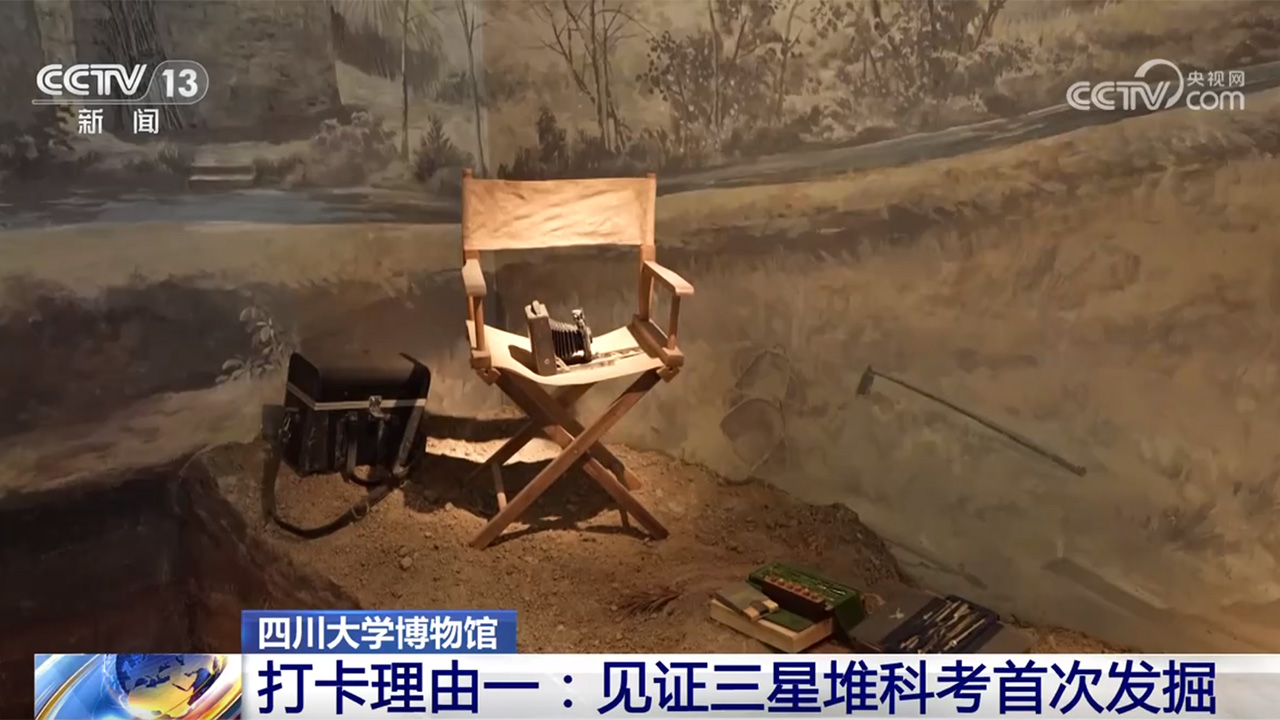
Core Viewpoint - The Sichuan University Museum, known as the "Gene Bank of Bashu Civilization," is a significant cultural institution in Southwest China, celebrating its 111th anniversary this year and housing over 80,000 unique artifacts and a million rare biological specimens [1][4]. Group 1: Historical Significance - The museum's predecessor, the Huaxi University Museum, conducted the first scientific excavation of the Sanxingdui site in 1934, marking a pivotal moment in archaeological history [2][15]. - The museum serves as a comprehensive repository of knowledge about the history, culture, and natural sciences of the Southwest region, akin to an "encyclopedia" of the area [4][15]. Group 2: Notable Exhibits - The museum features a complete set of shadow puppetry equipment from the 1930s, showcasing the vibrant cultural life of Chengdu during the late Qing and Republican periods [5]. - A Tang Dynasty statue of a Bodhisattva, despite missing arms, is highlighted for its artistic value and the story of its recovery after a flood in 1947 [10]. - The museum's collection includes a unique wedding sedan chair from the Republican era, known for its intricate craftsmanship and cultural significance [12]. - A rare collaborative landscape painting by Yuan Dynasty artists Huang Gongwang and Wang Meng is noted as a significant piece in the museum's collection [14]. Group 3: Cultural and Educational Activities - The museum offers a variety of engaging educational and cultural activities during the summer, aimed at making the museum a dynamic space for public interaction and learning [8]. - The museum's collections and activities reflect a commitment to interdisciplinary research across archaeology, anthropology, and history, contributing to a deeper understanding of the region's heritage [15][19].

白宫与美国多所大学谈判 哈佛或以巨额罚款换取联邦资金
news flash· 2025-07-25 12:01
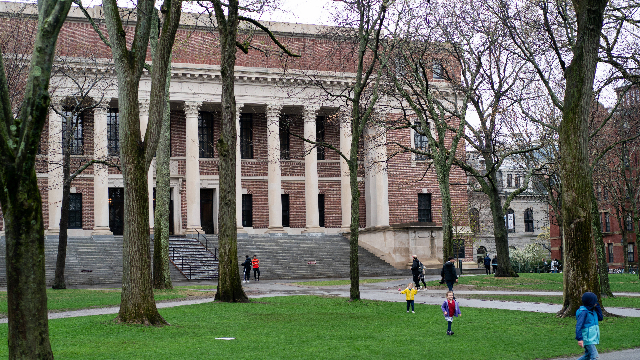
Core Point - The U.S. White House is seeking to impose fines on several universities accused of failing to curb anti-Semitism on campus, including demanding billions in compensation from Harvard University as a condition for continued federal funding [1] Group 1 - The White House's actions are aimed at addressing allegations of anti-Semitism in higher education institutions [1] - Harvard University is specifically mentioned as facing a demand for several hundred million dollars in compensation [1] - The fines are linked to the universities' eligibility for federal funding, indicating a potential shift in funding policies [1]
聚焦极端气候下建筑安全 哈工大研制“试验利器”
Xin Hua She· 2025-07-25 11:27
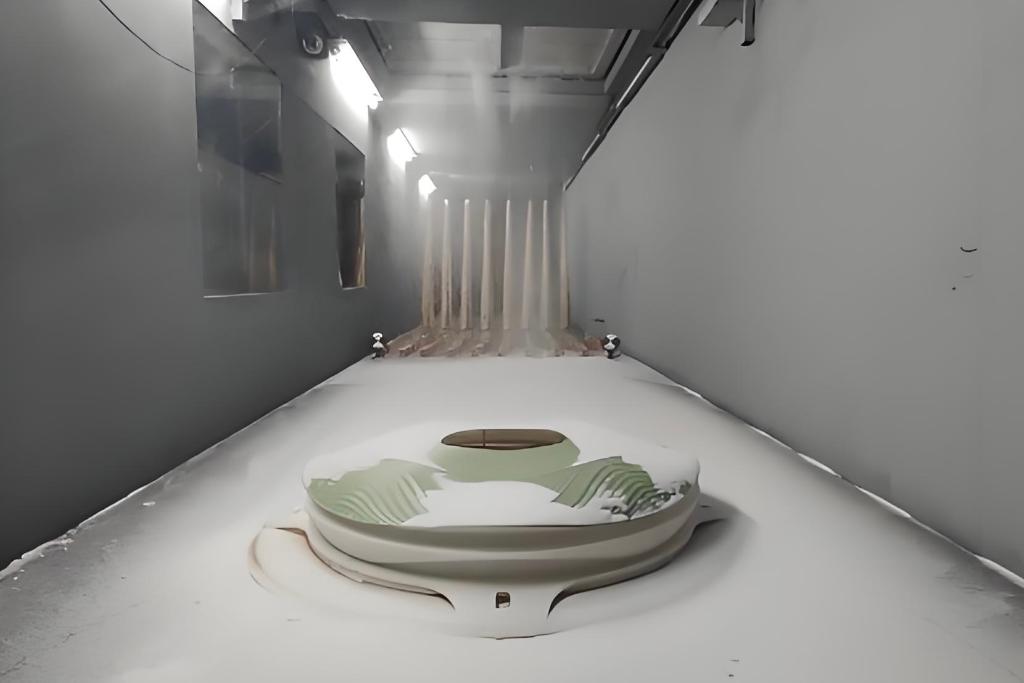
Group 1 - The core issue in traditional building structure design is the scientific determination of the impacts of extreme weather factors such as wind, rain, heat, and snow [1] - A major research project led by Harbin Institute of Technology has developed a comprehensive simulation system for testing the effects of these extreme weather conditions on large-span structures [1][2] - The system allows for the simulation of snow accumulation, melting, and other processes under various weather conditions, providing more accurate data for snow load studies on roofs [6] Group 2 - The testing environment includes extreme conditions such as artificial snow, heat radiation, and simulated rain, demonstrating the system's capabilities [2][4] - The system has been operational since March and has already provided technical support for several national major construction projects, ensuring accurate snow load assessments [6] - This technology also supports national polar strategies by offering reliable data for construction in extreme environments [6]
一波未平一波又起!美国国务院官宣调查哈佛交流访问学者项目,有何影响?
Di Yi Cai Jing· 2025-07-25 09:43
据新华社报道,美国国务院23日宣布正在对哈佛大学继续作为交流访问学者项目担保方的资格展开调 查,这是特朗普政府限制这所美国知名大学招收海外学生资格后的最新举措。 郭英剑表示:"根据我的判断,未来美国很可能会大幅限制交流访问学者项目,尤其是那些有官方资助 背景的项目。而签证发放延迟乃至个别项目被直接中止,恐怕都将成为常态。" 美国国务卿鲁比奥在一份声明中说,交流访问学者项目担保方必须遵守所有访问交流规定,保持报告透 明度,确保项目运作"不得损害美国外交政策目标或危害国家安全利益"。 声明中并未说明对哈佛展开此项调查的原因。 对于特朗普政府这一最新举措,哈佛大学发言人纽顿(Jason Newton)在声明中回应说,此次调查 是"美国政府再次采取的报复性举措",侵犯了哈佛大学的正当权利。该发言人同时强调,哈佛始终致力 于遵守交流访问学者项目的相关法规。 据媒体报道,国务卿鲁比奥已于23日致函哈佛大学校长加伯通知他相关调查正在进行。根据媒体获得的 信件副本,鲁比奥在信中要求哈佛在一周内提供与其签证项目相关的记录,并表示美国国务院计划约谈 与该项目相关的哈佛员工及签证持有者。 目前尚不清楚美国国务院要求哈佛大学提交哪些 ...
碳中和专业体现人才供给与产业发展的“同频共振”
Zhong Guo Huan Jing Bao· 2025-07-25 05:42
Core Viewpoint - The establishment of the "Carbon Neutrality Science and Engineering" major in universities reflects a synchronization between talent supply and industry development, addressing the significant talent gap in the carbon neutrality sector [1][2] Group 1: Talent Supply and Demand - There is a notable talent shortage in the carbon neutrality field, with an estimated gap of nearly one million professionals during the "14th Five-Year Plan" period, while the current workforce is around 100,000, most of whom have transitioned from other fields [1] - The new major aims to fill this talent gap by emphasizing systematic thinking and interdisciplinary integration, covering areas such as energy, environment, and artificial intelligence [1] Group 2: Curriculum and Training - The curriculum includes core courses like carbon emission monitoring and assessment, carbon sinks, and ecological restoration, with universities tailoring their programs based on their unique strengths [1] - For instance, Beijing University of Science and Technology integrates materials science with computer and economic management, while Kunming University of Science and Technology focuses on low-carbon governance aligned with local ecological characteristics [1] Group 3: Industry Alignment - The training of carbon neutrality professionals is closely aligned with industry needs, preparing graduates for roles in renewable energy research, industrial low-carbon technology transformation, carbon footprint accounting, and carbon asset management [2] - Collaborations with companies, such as the establishment of practice bases with Baowu Steel Group by Beijing University of Science and Technology, highlight the practical application of the training [2]
东北大学一溺亡学生来自“黄金班”!曾发言感谢中国黄金集团
Nan Fang Du Shi Bao· 2025-07-25 04:55
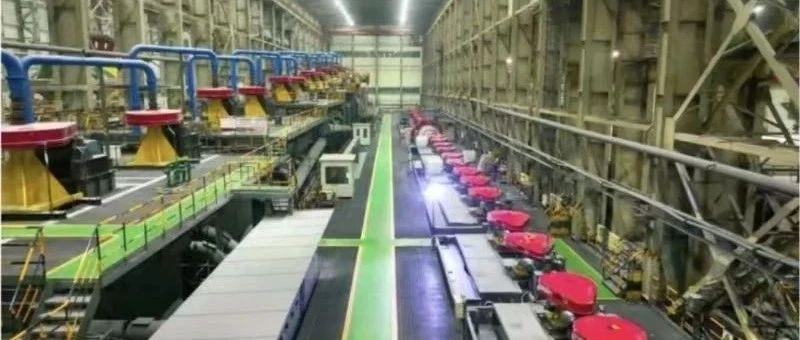
近日,6名东北大学学生在中国黄金集团内蒙古矿业有限公司下属选矿厂溺亡,令人痛惜。7月25日,南 都N视频记者注意到,2024年9月,在中国黄金-东北大学联合培养专业学位研究生班暨东北大学黄金学 院"黄金班"开班式上,遇难者小刘曾作为学生代表发言,表示感谢中国黄金集团和东北大学的联合培 养。 南都此前报道,7月23日10时20分许,东北大学6名学生在中国黄金集团内蒙古矿业有限公司乌努格吐山 铜钼矿选矿厂,参观学习浮选工艺过程中,因格栅板脱落坠入浮选槽。6人经全力施救,最终确认溺 亡,其中包括小刘。 开班式指出,"黄金班"开班标志着东北大学与中国黄金集团联合培养高层次人才又迈出了坚实的步伐, 双方全面战略合作必将为黄金行业的发展带来更加深远的影响。 小刘与另外两人分别作为学生代表交流发言,表示"感谢中国黄金集团和东北大学的联合培养,未来将 继续弘扬东北大学校训精神,为国家黄金事业贡献青春力量"。 目前,为尽快查明原因、明确事故性质、提出整改措施,内蒙古自治区政府已成立事故调查组,对这起 事故提级调查,并进驻现场。遇难者家属,正从重庆、四川等地赶往内蒙古。 据东北大学发布的消息,2024年9月10日,中国黄金-东北 ...

德育引领 深化创新创业教育改革
Xin Hua Ri Bao· 2025-07-24 23:39
Group 1 - The core viewpoint emphasizes the urgent need for deepening innovation and entrepreneurship education reform in higher education institutions to align with the national strategy for innovation-driven development and economic enhancement [1] - Higher education institutions should focus on cultivating high-quality talents with moral integrity, innovative spirit, and practical abilities, collaborating with government and enterprises to reshape the innovation and entrepreneurship education community [2][3] - The integration of ideological and political education with innovation and entrepreneurship education is crucial for shaping students' values and enhancing their understanding of socialist core values [3] Group 2 - Utilizing digital technologies such as big data and artificial intelligence to optimize the innovation and entrepreneurship education model, creating a comprehensive curriculum that includes various teaching modules [4] - The implementation of scenario-based teaching using virtual and augmented reality technologies to enhance students' practical skills and entrepreneurial capabilities through simulated experiences [5] - Strengthening practical education by expanding collaboration between higher education institutions and enterprises, establishing innovation and entrepreneurship practice bases, and providing students with real-world entrepreneurial experiences [7]

文化中国行丨超硬核!在高校宝藏博物馆一眼看遍宝藏飞机
Yang Shi Wang· 2025-07-24 23:07
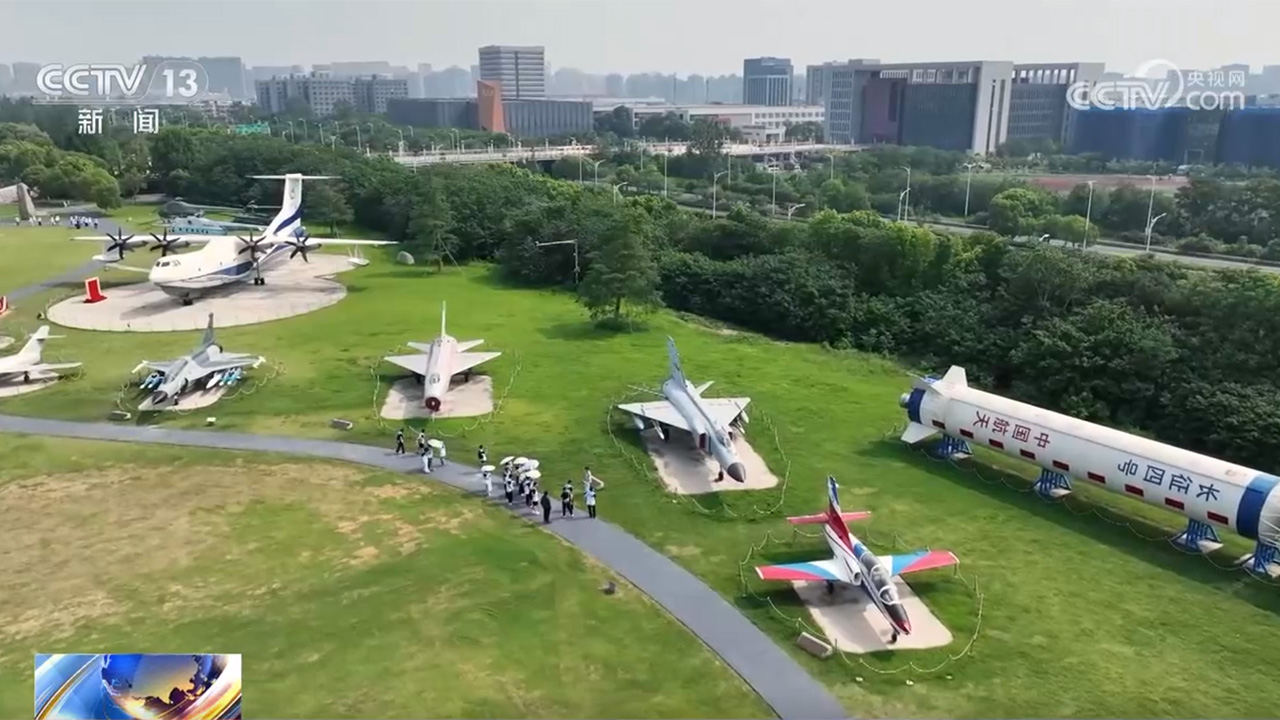
Core Viewpoint - The article highlights the significance of the Nanjing University of Aeronautics and Astronautics (NUAA) museum, showcasing its unique collections related to aviation and aerospace, and emphasizes the educational and cultural value it provides to the public during the summer season [1][2]. Group 1: Museum Features - The NUAA museum consists of three main sections: "Yufeng Garden," Aerospace Museum, and Aviation Museum, focusing on China's aviation and aerospace achievements [2]. - "Yufeng Garden" features significant aircraft such as the J-8II fighter jet, the first aircraft designed and manufactured in China (Initial Training Aircraft - ITA-5), and the AG600 "Kunlong," which is capable of operating on both land and water [2][4]. Group 2: Historical Significance - The museum houses three notable "firsts" in Chinese aviation: the first ITA-5, the first self-designed helicopter "Yan'an No. 2," and the first unmanned target aircraft "Chang Kong No. 1," all of which have deep connections to NUAA [4][5]. - The development of these aircraft marked significant milestones in China's aviation history, showcasing the university's contributions to the field [4][5]. Group 3: Educational Value - The Aerospace Museum offers hands-on experiences, allowing visitors to assemble satellite models and learn about the structure and function of various aerospace components [7]. - The museum also features categorized displays of rockets and satellites, enhancing public understanding of aerospace technology through interactive learning [7]. Group 4: AG600 "Kunlong" Aircraft - The AG600 "Kunlong" is highlighted as a major achievement in China's aviation sector, designed for firefighting and water rescue operations, capable of collecting 12 tons of water in just 20 seconds [10][11]. - The aircraft's design allows it to operate effectively in challenging conditions, such as high waves, making it a vital asset for emergency response [10][11]. Group 5: Legacy and Innovation - The museum reflects the legacy of innovation in unmanned aerial vehicles (UAVs), with historical developments dating back to the 1950s, showcasing the evolution of UAV technology in China [12][14]. - The "Chang Kong No. 1" unmanned target aircraft represents a significant technological advancement, enabling real-time sampling during nuclear tests, a capability previously held by only a few countries [14][15].
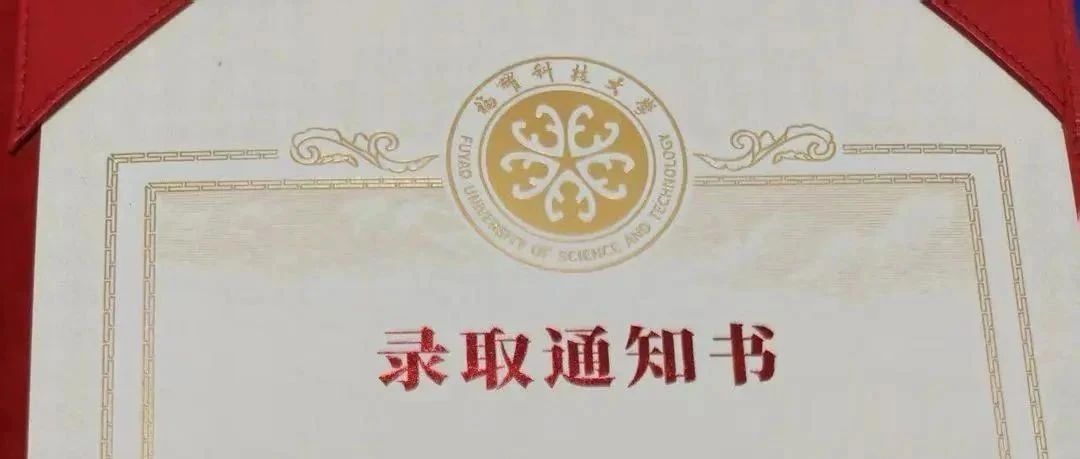
福耀科技大学50人招录完成,自称“小白鼠”的636分考生收到录取通知书,5省份投档线均超610分
第一财经· 2025-07-24 15:59
Core Viewpoint - The article highlights the successful first undergraduate enrollment of Fujian Fuyou University, attracting attention and recognition from students and parents, with a focus on integrating education with production and research [1][4]. Enrollment Details - Fujian Fuyou University has enrolled 50 undergraduate students from five provinces, with the highest admission scores exceeding 610 points across all regions [4]. - The highest scores for admission in various provinces include 683 in Henan, 657 in Fujian, 640 in Jiangxi, 635 in Guangxi, and 649 in Hunan, indicating competitive admission standards [4]. Institutional Philosophy - The university emphasizes a philosophy of "everything for students," aiming to cultivate innovative talents with social responsibility and a global perspective [5]. - The institution's approach is to combine research with practical production, preparing students to contribute directly to societal needs [1][5]. Comparison with Other New Universities - Other newly established research-oriented universities, such as Ningbo Dongfang University and Greater Bay Area University, have also seen strong enrollment results, with admission scores comparable to established 985 universities [5][6]. - The emergence of these new universities reflects a trend of rapid development in China's higher education landscape, characterized by high investment and a focus on cutting-edge fields [6][7]. Educational Trends - The article notes that traditional universities are also adapting by innovating their curriculum and talent cultivation models to compete with new institutions [7][8]. - Examples include the establishment of specialized colleges at Wuhan University and Tianjin University, focusing on interdisciplinary studies and emerging fields [8][9].
6名大学生溺亡涉事矿企3人被抓,多所高校发出紧急通知
第一财经· 2025-07-24 12:59
Core Viewpoint - The tragic incident involving six students from Northeast University highlights significant safety concerns in practical training environments, particularly in high-risk industries such as mining and metallurgy [1][2]. Group 1: Incident Overview - Six students from Northeast University drowned during a practical training session at the China National Gold Group Inner Mongolia Mining Company due to a grid plate falling into a flotation tank [1]. - The company has suspended operations at the affected workshop and taken criminal measures against three individuals, including the safety vice president and workshop director [1][3]. - The university has initiated internal accountability measures and suspended all on-site internships at mining locations [1][4]. Group 2: Educational Collaboration - The Northeast University College of Resources and Civil Engineering has established a long-term partnership with China National Gold Group Inner Mongolia Mining Company, which includes a provincial-level engineering practice education center approved in 2020 [2][3]. - The mining company is recognized for its significant production capabilities, with a processing capacity of 84,500 tons per day and an annual output of 76,000 tons of copper and 6,000 tons of molybdenum [3]. Group 3: Safety Awareness Initiatives - Following the incident, multiple universities issued urgent safety reminders for summer practical training, emphasizing the need for clear communication of safety risks and adherence to safety protocols [5][6]. - Institutions like Peking University and Hainan University have highlighted the importance of following designated safety routes and maintaining communication with accompanying safety personnel during site visits [7][8]. - The emphasis is placed on the responsibility of accompanying teachers to ensure student safety, including thorough pre-departure training and site inspections [8]. Group 4: Broader Context of Educational Safety - The incident has raised concerns among parents regarding the safety of educational trips, particularly in the context of summer study tours and practical training [10]. - Data indicates a significant increase in domestic travel during the summer, with a 50% and 33% rise in travel numbers compared to the previous year [10]. - The importance of safety measures in educational travel is underscored, with recommendations for thorough checks of organizing institutions and ensuring adequate insurance coverage for participants [11][12].