
资产管理

Search documents
贝莱德在美团-WH股的持股比例于10月20日从6.31%降至5.99%
Mei Ri Jing Ji Xin Wen· 2025-10-24 09:11
Group 1 - BlackRock's stake in Meituan-WH shares decreased from 6.31% to 5.99% as of October 20 [1]

崔春离任华泰资管董事长 总经理江晓阳代任
Xin Lang Cai Jing· 2025-10-24 08:46
Core Viewpoint - The chairman of Huatai Securities Asset Management, Cui Chun, has resigned effective October 24 due to job changes, with General Manager Jiang Xiaoyang taking over the chairman position [1] Company Overview - Cui Chun has been with Huatai Securities Asset Management since its establishment in 2015, serving in various roles including General Manager and Chairman [1] - Under Cui Chun's leadership, the company's asset management scale has significantly increased [1] Financial Performance - As of June 30, Huatai Securities Asset Management's total asset management scale reached 627.032 billion yuan, representing a year-on-year increase of 23.92% [1] - The public fund scale has surpassed 165.909 billion yuan [1] Future Developments - Cui Chun's next job arrangement is already in place and is awaiting further official announcement [1]

24家外资资管齐聚,多维度建言上海全球资管中心建设
Di Yi Cai Jing· 2025-10-24 08:28
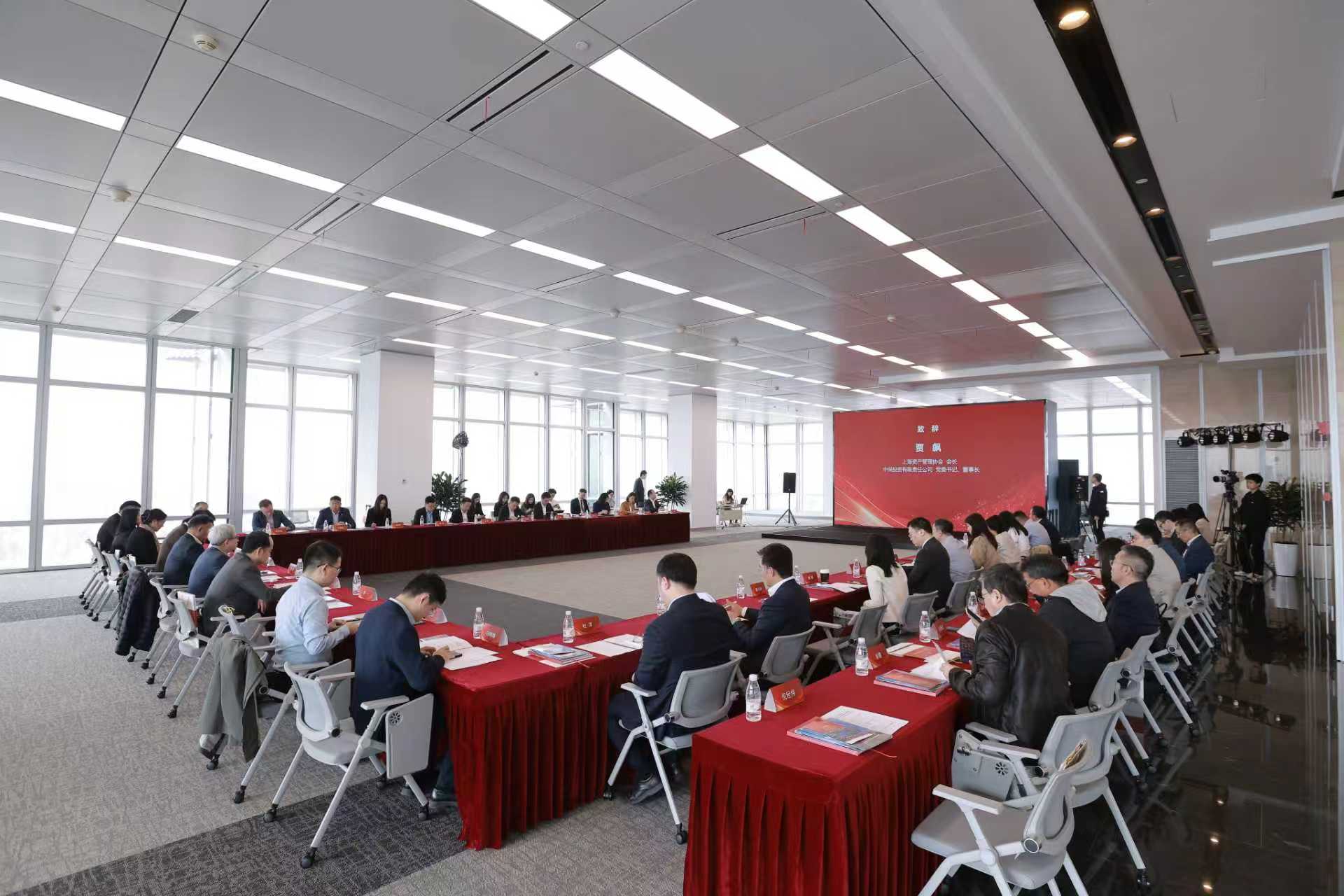
Core Viewpoint - Foreign asset management institutions have become a core force in promoting the internationalization of urban finance, particularly in Shanghai, which is accelerating the construction of an international financial center and a global asset management center [1][3]. Group 1: Current Status and Development of Foreign Asset Management Institutions - Foreign asset management institutions are entering a deep cultivation phase in China, actively participating in product innovation and investment management [5]. - Shanghai ranks among the top in the country for foreign asset management concentration, with 50% of domestic banks headquartered there and nearly 50% of joint venture fund management companies and foreign insurance companies [3]. - The Shanghai Asset Management Association has seen a continuous increase in foreign members, fostering an ecosystem for international asset management experience exchange and cross-field business cooperation [4]. Group 2: Policy and Market Environment - The financial sector's added value in Shanghai accounted for 15% of the city's GDP in 2024, with total financial market transactions exceeding 36.5 trillion yuan [4]. - Central and local governments are collaborating to support the development of foreign asset management, with recent policies aimed at expanding financial openness and enhancing the role of foreign financial institutions in Shanghai [4][8]. Group 3: Strategic Collaborations and Innovations - A strategic cooperation memorandum was signed between the Shanghai Asset Management Association and the Lujiazui Management Bureau, focusing on areas such as green finance, ESG investment, and pension asset management [6]. - The global ESG asset management scale has surged from approximately 170 billion to over 10 trillion dollars in the past five years, indicating a growing interest in sustainable investment practices [6]. Group 4: Challenges and Recommendations - Foreign institutions face challenges such as institutional differences, cross-border business restrictions, and difficulties in talent acquisition, necessitating policy support and institutional innovation [8][9]. - There is a consensus among foreign institutions on the need to strengthen talent and ecological support, with suggestions for Shanghai to implement measures to attract foreign financial talent [9].

贝莱德的比特币ETF引领华尔街进军区块链,平台XBIT或成新兴力量
Sou Hu Cai Jing· 2025-10-24 06:11
Group 1: Core Insights - The launch of Bitcoin ETFs by BlackRock signifies a pivotal shift, allowing large Bitcoin holders to transfer their wealth from blockchain to Wall Street, bridging traditional finance and digital assets [1][3] - BlackRock's ETF provides a new avenue for crypto wealth, enabling holders to exchange Bitcoin for ETF shares through a "physical swap" model, marking a new chapter in Bitcoin's integration into traditional finance [3][4] - The entry of large institutions into the crypto market raises concerns about the potential dilution of the decentralized nature of Bitcoin and blockchain technology [4] Group 2: Decentralized Exchanges - Amid the institutional wave led by BlackRock, decentralized exchanges (DEX) like XBIT are emerging as significant players in the digital currency trading landscape, allowing users to trade directly without third-party reliance [6][7] - XBIT's decentralized model leverages blockchain technology to enhance user control and privacy while avoiding security issues associated with centralized exchanges [6][7] - The challenge for decentralized platforms like XBIT is to maintain competitiveness in a market increasingly influenced by traditional financial giants, particularly with the introduction of products like Bitcoin ETFs [7][10] Group 3: Future of Blockchain - The gradual integration of traditional finance and crypto markets underscores the growing importance of blockchain technology in the global financial landscape [10] - The future may herald a dual integration era of "blockchain + traditional finance," with XBIT poised to play a crucial role in this financial transformation [10] - Both BlackRock's Bitcoin ETF and the rise of XBIT indicate that blockchain technology is driving innovation in financial markets, presenting both opportunities and challenges for investors [10]

盛树资产管理公司将中国总部设于海南自贸港,构建双向资本配置新平台
Jiang Nan Shi Bao· 2025-10-24 04:12
Core Viewpoint - Shengshu Asset Management Company is establishing its China headquarters in Hainan, marking a significant commitment to the Chinese market and highlighting Hainan's appeal as a free trade port [1][5]. Investment Strategy - The company plans an initial investment of $1 billion in Hainan, focusing on four key sectors: high-growth industries, stable assets, cutting-edge technology, and strategic reserve funds [2][3]. - Of the $1 billion, $400 million will target "core industries of the free trade port," including cross-border asset management, international shipping, healthcare technology, and digital economy applications [2]. - An additional $300 million will focus on high-growth sectors such as green energy, ESG investments, duty-free consumption, and digital tourism, aligning with China's policy priorities and global sustainable investment trends [2][3]. - $200 million will be allocated to quality infrastructure REITs, investing in mature assets that generate stable cash flow, such as transportation hubs and logistics centers [3]. - The remaining $100 million will serve as strategic reserve funds to respond to market changes and capture strategic opportunities [3]. Economic Impact - The investment strategy is projected to generate an average annual revenue of $2.6 billion over the next five years and create hundreds of high-value jobs in the region [3]. - Shengshu's entry is expected to bring substantial capital inflow and introduce international experience in institutional design, governance, financial products, and investment models to Hainan [5]. Governance and Compliance - The company is implementing an innovative "全民持股计划" (全民持股计划), allowing over 40% of equity to be held by founding partners, core employees, and individual investors, promoting a win-win governance framework [4]. - Strategic partnerships with law firms and consulting firms have been established to ensure compliance with Chinese regulations and optimize capital operation efficiency [4]. Future Outlook - Shengshu aims to become a key driver of financial innovation in Hainan over the next three years, establishing various specialized funds and functional institutions [5]. - The establishment ceremony on December 28, 2025, is anticipated to be a landmark event for Hainan's free trade port, symbolizing the integration of international capital with Chinese regulations [5][6]. - The entry of leading institutions like Shengshu is expected to deepen the financial ecosystem in Hainan, reshaping regional financial logic and enhancing local economic dynamics [6][7].
普洛斯:物流仓储市场出租率进入上行区间
Zheng Quan Shi Bao Wang· 2025-10-24 03:02
Group 1 - The logistics and warehousing market in China is showing signs of upward trends in rental rates and occupancy, indicating a turning point for both metrics [1] - In the first half of 2025, net absorption in logistics and warehousing across over 40 major hubs in China is projected to grow by 20% year-on-year, reaching 6.26 million square meters [1] - Emerging industries such as new energy vehicles, photovoltaics, and robotics are becoming new pillar industries, enhancing the sustainability of economic development and boosting investor confidence [1] Group 2 - Prologis is actively exploring asset upgrades in core locations of first to 1.5-tier cities in collaboration with the government to meet evolving urban development and client needs [2] - The company is focusing on optimizing asset management and operational capabilities while exploring multi-tier REITs markets to diversify investment products [2] - Prologis has achieved significant milestones in 2023, including a $1.5 billion investment from the Abu Dhabi Investment Authority, upgrading its partnership status, and securing a 2.5 billion RMB investment from a strategic shareholder in its computing center [2]
金融服务实体经济跑出“加速度”
Huan Qiu Wang· 2025-10-23 22:55
Group 1 - The geopolitical situation has become more complex since 2025, leading to increased volatility in international financial markets, yet China's financial system remains robust with strong market resilience, particularly due to a series of incremental policies implemented since September of last year [1] - The upcoming 2025 Financial Street Forum Annual Meeting will focus on the dual empowerment of finance and technology to promote high-quality industrial development [1] - The financial market in China has shown relative stability compared to Western countries, with major stock indices continuing to rise and the RMB exchange rate remaining stable [1] Group 2 - By mid-2025, China's banking sector total assets reached nearly 470 trillion yuan, ranking first in the world, with stock and bond market sizes ranking second globally [2] - The capital market has accelerated its support for technological innovation, exemplified by the significant performance increase of AI company Cambricon, which saw its stock price double this year [2] - The asset management scale in Beijing's Xicheng District exceeds 20 trillion yuan, accounting for over 50% of the city's total and more than one-eighth of the national total, highlighting the district's key role in connecting investor wealth needs with the financing demands of the real economy [2] Group 3 - The Central Financial Work Conference in late October 2023 emphasized the need to accelerate the construction of a financial powerhouse, reflecting China's strategic direction for financial development amid global turmoil [3] - The fundamental purpose of financial services should remain focused on supporting the real economy, with an emphasis on allocating funds to strategically significant sectors and industries [3] - There is a need for better market and technological infrastructure to reduce transaction and risk costs, particularly in digital finance, while maintaining a constant focus on risk prevention [3]
【环球财经】伦敦股市23日上涨
Xin Hua Cai Jing· 2025-10-23 19:09
新华财经伦敦10月23日电(记者赵小娜)英国伦敦股市《金融时报》100种股票平均价格指数23日报收 于9578.57点,较前一交易日上涨63.57点,涨幅为0.67%。欧洲三大股指当天全线上涨。 当天伦敦股市成分股中位于涨幅前五位的个股分别为:商业服务企业能多洁公司股价上涨8.32%,伦敦 证交所集团股价上涨7.18%,贵金属生产商弗雷斯尼洛股价上涨5.29%,英国石油股价上涨3.69%,奋进 矿业公司股价上涨3.02%。 当天伦敦股市成分股中位于跌幅前五位的个股分别为:易捷航空股价下跌2.80%,国际设备租赁商阿什 特德集团股价下跌2.54%,资产管理公司施罗德股价下跌1.85%,励讯集团股价下跌1.71%,金融投资公 司圣詹姆斯广场股价下跌1.63%。 欧洲其他两大主要股指方面,法国巴黎股市CAC40指数报收于8225.78点,较前一交易日上涨18.91点, 涨幅为0.23%;德国法兰克福股市DAX指数报收于24207.79点,较前一交易日上涨56.66点,涨幅为 0.23%。 (文章来源:新华财经) ...
Ingredients are there for international markets to keep outperforming U.S., says Oakmark's Coniaris
Youtube· 2025-10-23 15:58
Core Insights - The current international market presents significant investment opportunities due to a notable discount compared to US markets and improving earnings growth expectations [5][6][7] Investment Diversification - The average US investor holds approximately 8-9% of their portfolio in non-US stocks, while academic research suggests a target allocation of around 30% [3][4] - The increasing concentration in US equities has led to a growing interest in diversifying into international markets [2] Market Performance - International markets are currently trading at a 32% discount to US markets, which is significantly higher than the long-term average discount of 14% [6] - Earnings growth expectations for international markets, such as MSCI Europe, have risen from 7.5% to 11.5% over the year, while US earnings growth expectations have decreased from 14% to 13% [7] Growth Drivers - The growth in international markets is attributed to improving fundamentals and corporate governance reforms, particularly in regions like Europe and Japan [10][13] - Germany is implementing major fiscal reforms to stimulate economic growth, indicating proactive government measures [11] Opportunities in Specific Markets - There are emerging high-quality investment opportunities in international markets that were previously overlooked, suggesting a shift in market sentiment [9] - Japan is experiencing improvements in corporate governance, which may enhance investment attractiveness, while Korea is also making strides in focusing on shareholder value [13][14]
【2025外滩年会】摩根资管贾建国:AI 赋能资管核心业务环节升级
Xin Hua Cai Jing· 2025-10-23 14:04
Core Insights - The asset management industry urgently requires advanced technology to enhance both resource integration on the funding side and professional empowerment on the asset side [1] - AI technology is seen as a key driver for productivity enhancement in asset management institutions, enabling significant efficiency breakthroughs [1] - Morgan Asset Management has been implementing AI technology across core business areas, including research, investment, risk control, trading, and operations [1] Funding Side - Efficient absorption of various funding channels is necessary for asset management firms [1] - The integration of advanced technology is crucial for optimizing resource allocation in the funding aspect [1] Asset Side - AI technology is essential for providing comprehensive support to key roles such as asset management experts, researchers, and risk control specialists [1] - The focus is on building a core competitive advantage through improved information collection, capture, and analysis [1] AI Implementation - Morgan Asset Management has been deploying AI technology for an extended period, with a current emphasis on core business scenarios [1] - AI is enhancing the capabilities of investment experts by providing deeper industry insights, more accurate information analysis, and quicker market response abilities [1]