
高端装备

Search documents
权威发布丨来之不易成绩单彰显经济韧性活力
Ren Min Ri Bao· 2026-01-20 02:37
Economic Resilience and Growth - China's economy is expected to continue its strong resilience and vitality, achieving major goals for social and economic development by 2025, marking a successful conclusion to the "14th Five-Year Plan" [1] - The national economy is projected to grow steadily, with a focus on innovation-driven development, industrial quality improvement, digital empowerment, and green transformation [2] Innovation and Industrial Upgrading - China has become the first country with over 5 million valid domestic invention patents, with R&D expenditure reaching 39,262 billion yuan, maintaining the second position globally [2] - The added value of high-tech manufacturing and equipment manufacturing accounted for 17.1% and 36.8% of the total industrial added value, respectively [2] - The production of civil drones and industrial robots increased by 37.3% and 28% year-on-year, respectively [2] Green Energy Development - Clean energy generation from hydropower, nuclear power, wind, and solar sources grew by 8.8%, with non-fossil energy consumption rising by approximately 2 percentage points compared to 2024 [3] - The annual production and sales of new energy vehicles exceeded 16 million units [3] - The energy consumption per unit of added value in major energy-consuming industries showed significant reductions compared to 2024 [3] Consumer Market Expansion - The total retail sales of consumer goods surpassed 50 trillion yuan, growing by 3.7% year-on-year, with final consumption contributing 52% to economic growth [4] - Service retail sales increased by 5.5%, outpacing goods retail sales, indicating a shift towards balanced consumption between goods and services [4] - Online retail sales grew by 8.6%, driven by e-commerce and digital technologies [4] Household Consumption Trends - The average number of household cars reached 52.9 vehicles per 100 households, an increase of 1.7 vehicles from 2024 [6] - Policies promoting the replacement of old goods contributed to a 4.1% increase in retail sales of related products [6] - The added value of the equipment manufacturing industry is expected to grow by 9.2% year-on-year, reflecting accelerated industrial upgrades [6] Economic Policy and Support - The government is implementing proactive macroeconomic policies to ensure stable economic growth, including measures to stabilize employment and promote high-quality development [6] - The core Consumer Price Index (CPI) rose by 1.2% year-on-year, while the decline in industrial producer prices has narrowed [7] - Manufacturing profits increased by 5.0% from January to November 2025 [7] Future Economic Outlook - The economic foundation is solid, with significant growth in economic strength and technological capabilities during the "14th Five-Year Plan" period [8] - Positive economic trends are expected to continue, supported by new production capacities and macroeconomic policies [8] - International organizations have raised their growth forecasts for China's economy, indicating a favorable outlook for future development [9]
2025年主要发展目标任务顺利实现——来之不易成绩单彰显经济韧性活力
Ren Min Ri Bao· 2026-01-20 01:58
Economic Resilience and Growth - In 2025, China's economy is expected to continue its strong resilience and vitality, achieving major goals set for social and economic development during the "14th Five-Year Plan" [1] - The national economy is projected to maintain a steady growth trajectory, with a focus on innovation-driven development, industrial quality improvement, digital empowerment, and green transformation [2] Innovation and Industrial Upgrading - China has become the first country to possess over 5 million valid domestic invention patents, with R&D expenditure reaching 39,262 billion yuan, ranking second globally [2] - The added value of high-tech manufacturing and equipment manufacturing accounted for 17.1% and 36.8% of the total industrial added value, respectively [2] - The production of civil drones and industrial robots increased by 37.3% and 28% year-on-year [2] Green Energy Development - Clean energy generation from hydropower, nuclear power, wind, and solar sources grew by 8.8%, with non-fossil energy consumption rising by approximately 2 percentage points compared to 2024 [3] - The annual production and sales of new energy vehicles exceeded 16 million units [3] - Industrial added value reached 41.7 trillion yuan, growing by 5.8% year-on-year, contributing 35% to economic growth [3] Consumer Market Expansion - The total retail sales of consumer goods surpassed 50 trillion yuan, marking a 3.7% increase from 2024, with final consumption contributing 52% to economic growth [4] - Service retail sales grew by 5.5%, outpacing goods retail sales, indicating a shift towards balanced consumption between goods and services [4] - Online retail sales increased by 8.6%, driven by e-commerce and digital technologies [4] Policy Implementation and Economic Stability - Macro policies are being actively implemented to support high-quality economic development, including measures to stabilize employment and promote investment [7] - The policy of replacing old products with new ones has led to a 4.1% increase in retail sales of related goods, contributing to overall retail growth [7] - By the end of 2025, the number of cars per hundred households is expected to reach 52.9, an increase of 1.7 from 2024 [7] Technological and Industrial Integration - The added value of smart unmanned aerial vehicle manufacturing and smart vehicle equipment manufacturing grew by 57% and 26.2%, respectively [8] - The development of artificial intelligence and quantum technology is fostering new business opportunities and enhancing economic productivity [8] Positive Economic Outlook - Major international organizations have raised their growth forecasts for China's economy, reflecting a positive outlook for future development [10] - The focus on innovation, reform, and domestic circulation is expected to drive qualitative improvements and reasonable growth in the economy [10]
来之不易成绩单彰显经济韧性活力
Ren Min Ri Bao· 2026-01-20 01:57
Core Insights - China's economy demonstrates strong resilience and vitality, with significant progress expected in innovation, industrial quality improvement, digital empowerment, and green transformation by 2025 [1][2] Supply Quality Improvement - China becomes the first country with over 5 million valid domestic invention patents, with R&D expenditure reaching 39,262 billion yuan, maintaining the second position globally [2] - The added value of high-tech manufacturing and equipment manufacturing accounts for 17.1% and 36.8% of the total industrial added value, respectively [2] - The production of civil drones and industrial robots increases by 37.3% and 28% year-on-year [2] Green Leadership - Clean energy generation from hydropower, nuclear, wind, and solar grows by 8.8%, with non-fossil energy consumption rising by approximately 2 percentage points compared to 2024 [3] - The industrial added value reaches 41.7 trillion yuan, growing by 5.8% year-on-year, contributing 35% to economic growth [3] Consumption Trends - The total retail sales of consumer goods exceed 50 trillion yuan, growing by 3.7% compared to 2024, with final consumption contributing 52% to economic growth [4] - Service retail sales increase by 5.5%, outpacing goods retail sales, with service consumption accounting for 46.1% of per capita consumption expenditure [4] - Online retail sales grow by 8.6%, driven by e-commerce and digital technologies [4] Policy Effectiveness - The number of household cars reaches 52.9 per hundred households, an increase of 1.7 from 2024 [6][7] - Policies promoting consumption upgrades lead to a 4.1% increase in retail sales of six categories of goods [7] Technological and Industrial Innovation - The added value of smart unmanned aerial vehicle manufacturing and smart vehicle-mounted equipment manufacturing grows by 57% and 26.2%, respectively [8] - The core CPI rises by 1.2% year-on-year, while the decline in industrial producer prices narrows [8] Positive Economic Trends - The economic foundation remains solid, with over 36 trillion yuan added to the economy during the 14th Five-Year Plan [9] - The manufacturing purchasing managers' index returns to expansion territory, indicating positive growth trends [9] - New production forces and reform benefits continue to emerge, with significant advancements in artificial intelligence and digital economy [9] Supportive Development Environment - More proactive macro policies are expected to ensure stable economic operations, with a focus on key project implementations [10]
“双万亿”第三城,新目标定了
Mei Ri Jing Ji Xin Wen· 2026-01-20 01:40
Group 1: Core Insights - Guangzhou has become the third city in China to achieve a "double trillion" status in consumption and foreign trade during the 14th Five-Year Plan period, following Beijing and Shanghai [1][2] - By 2025, Guangzhou's airport is expected to handle over 83 million passengers, ranking among the top ten globally, while its port is projected to handle nearly 700 million tons of cargo, placing it in the top six worldwide [1] - The city aims to establish six advanced manufacturing clusters with outputs exceeding 100 billion yuan and ten service sectors with added value surpassing 100 billion yuan during the same period [1] Group 2: Economic Indicators - As of 2024, only seven cities in China have reached a consumption level of over one trillion yuan, including Guangzhou, which highlights the significance of its economic status [2] - The report indicates that Guangzhou's foreign trade volume also exceeds one trillion yuan, making it one of only seven cities to achieve this milestone [2] Group 3: Strategic Development - Guangzhou's government has outlined plans to enhance its role as a global supply chain innovation center, aiming to strengthen its core urban functions [3][4] - The city is leveraging its geographical advantages, including proximity to the Pearl River Delta manufacturing hub and its status as a major transportation and trade center, to transition from a trade hub to a supply chain management center [4] Group 4: Future Goals - The city has set ambitious goals for the 15th Five-Year Plan, focusing on increasing its visibility and resource allocation capabilities within the global resource network [3] - The government has previously articulated a vision to develop Guangzhou into a world-class city with both historical charm and modern vitality, as outlined in its urban planning documents [3]

2025年主要发展目标任务顺利实现 来之不易成绩单彰显经济韧性活力
Ren Min Ri Bao· 2026-01-20 00:57
Economic Resilience and Growth - China's economy is expected to achieve significant progress in innovation, industrial quality improvement, digital empowerment, and green transformation by 2025, marking a successful conclusion to the "14th Five-Year Plan" [1][2] - The total value of industrial output reached 41.7 trillion yuan, with a year-on-year growth of 5.8%, contributing 35% to economic growth, an increase of 1.8 percentage points from 2024 [3] Innovation and Technology - China has become the first country to possess over 5 million valid domestic invention patents, with R&D expenditure reaching 39,262 billion yuan, maintaining the second position globally [2] - The manufacturing value added in high-tech sectors accounted for 17.1% of total industrial output, with significant growth in smart manufacturing and green energy sectors [2] Consumer Market Dynamics - The total retail sales of consumer goods exceeded 50 trillion yuan, growing by 3.7% compared to 2024, with final consumption contributing 52% to economic growth, an increase of 5 percentage points [4] - Service consumption is gaining momentum, with service retail sales growing by 5.5%, outpacing goods retail sales [4] Policy Impact - Macro policies are being implemented to support economic stability and high-quality development, including measures to boost employment and investment [7] - The policy of replacing old products with new ones has led to a 4.1% increase in retail sales of related goods, contributing to overall retail growth [7] Green Energy and Sustainability - The construction of a clean, low-carbon, and efficient energy system is accelerating, with renewable energy generation increasing by 8.8% [3] - Non-fossil energy sources accounted for a larger share of total energy consumption, rising by approximately 2 percentage points from 2024 [3] Future Outlook - The economic foundation is solid, with significant growth in economic strength and technological capabilities during the "14th Five-Year Plan" period [9] - Positive trends in economic indicators, such as the manufacturing purchasing managers' index returning to expansion territory, suggest a favorable economic outlook for 2026 [9][10]
2025年主要发展目标任务顺利实现——来之不易成绩单彰显经济韧性活力(权威发布)
Ren Min Ri Bao· 2026-01-19 22:18
一个个数据,展现中国经济的强大韧性和活力。2025年,中国经济顶压前行、向新向优发展,经济社会 发展主要目标任务顺利实现,"十四五"圆满收官。1月19日,国务院新闻办新闻发布会上,国家统计局 局长康义介绍2025年国民经济运行情况,并回答记者提问。 消费向新 供给提质 成为世界上首个国内有效发明专利拥有量超500万件的国家 "2025年,我国在创新驱动、产业提质、数字赋能、绿色转型等方面取得不少新进展。"康义介绍。 科技硬实力不断跃升。全社会研究与试验发展经费投入达39262亿元,稳居世界第二位。我国成为世界 上首个国内有效发明专利拥有量超500万件的国家,PCT国际专利申请量连续6年位居全球第一。 产业向新力积聚成势,高端装备、绿色能源、智能制造等新兴领域持续投资扩产。规模以上装备制造 业、高技术制造业增加值占规模以上工业增加值的比重分别达36.8%和17.1%。低空经济"振翅高飞", 具身智能"敏思巧行",民用无人机、工业机器人产量同比分别增长37.3%、28%。 数字渗透力增强,数字产业、数字消费、数字基础设施全域拓展。规模以上数字产品制造业增加值同比 增长9.3%,信息传输、软件和信息技术服务业增加值 ...
解读2025中国经济数据:5%增长下的亮点与挑战
Xin Lang Cai Jing· 2026-01-19 10:45
Economic Overview - In 2025, China's GDP reached 140.19 trillion yuan, growing by 5.0% year-on-year, with a quarterly trend of 5.4%, 5.2%, 4.8%, and 4.5% [3][23] - The industrial added value increased by 5.9%, while the total retail sales of consumer goods reached 50.12 trillion yuan, growing by 3.7% [3][23] - Fixed asset investment (excluding rural households) declined by 3.8%, primarily due to the real estate sector's downturn [3][23] Trade Performance - The total import and export volume reached 45.47 trillion yuan, an increase of 3.8%, with exports at 26.99 trillion yuan (up 6.1%) and imports at 18.48 trillion yuan (up 0.5%) [3][23] - High-tech product exports grew by 13.2%, indicating a shift towards higher value-added goods [26][27] Employment and Income - The urban surveyed unemployment rate averaged 5.2%, up by 0.1 percentage points from the previous year [4][24] - The per capita disposable income for residents was 43,377 yuan, nominally increasing by 5.0% [4][24] Investment Trends - Fixed asset investment saw a notable decline, with real estate investment dropping by 17.2% [15][34] - Manufacturing investment grew by only 0.6%, a significant slowdown from the previous year's 9.2% [35][36] - Private investment decreased by 6.4%, indicating a lack of confidence among private enterprises [36] Consumer Behavior - Consumer spending showed signs of weakness, with retail sales growth declining throughout the year, particularly in the latter half [31][32] - Service consumption, however, grew by 5.5%, outpacing goods retail sales, reflecting a shift towards service-oriented spending [31][32] Future Outlook - The 2026 economic policy will focus on proactive fiscal measures and moderate monetary policies to stimulate demand and optimize supply [37][38] - Experts predict a GDP growth target of around 5% for 2026, supported by improved real estate conditions and increased project initiations [37][38] - Potential risks include ongoing challenges in the real estate market and local government debt issues [38][39]
140万亿元!中国经济再上新台阶
Xin Hua Wang· 2026-01-19 10:42
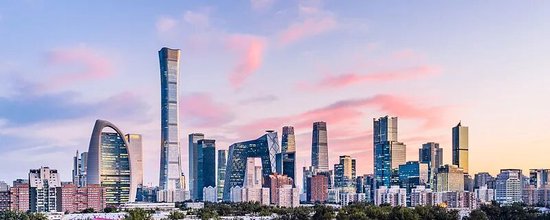
Economic Growth - China's GDP is projected to exceed 140 trillion yuan by 2025, marking a significant milestone in the "14th Five-Year Plan" period with a series of economic achievements [1] - The contribution rate of China to global economic growth is expected to reach around 30%, positioning it as a stable and reliable driver of the world economy [1] Economic Resilience - China's agricultural output has stabilized at 1.4 trillion jin for two consecutive years, and the manufacturing value-added has maintained the world's top position for 16 years [2] - The service sector's contribution to GDP has increased to 57.7%, showcasing a robust economic foundation [2] - China is projected to maintain its status as the world's largest goods trading nation, with total import and export value expected to surpass 45 trillion yuan by 2025 [2] Innovation and Technology - China has entered the top ten in global innovation index rankings, with R&D expenditure intensity reaching 2.8%, surpassing the OECD average for the first time [3] - Significant advancements in technology are evident, with notable achievements in various sectors, including the successful launch of the "Tianwen-1" mission and the introduction of the first electromagnetic aircraft carrier [3] - The domestic sales of new energy vehicles have exceeded 50%, and production of civilian drones and industrial robots has increased by 37.3% and 28%, respectively [3] Consumer Market Dynamics - The total retail sales of consumer goods have surpassed 50 trillion yuan, reflecting a 3.7% increase from the previous year, with new retail models experiencing double-digit growth [4] - The per capita disposable income of residents has increased by 5.0%, and the urbanization rate has reached 67.89%, indicating positive progress in public services and living standards [4] - The economic foundation remains strong, with long-term positive trends expected to continue, demonstrating resilience against economic challenges [4]
科技硬实力、产业向新力、数字渗透力、绿色引领力 全“新”视角读懂“四力”含金量
Yang Shi Wang· 2026-01-19 09:47
Core Insights - The core keyword for China's economic development in 2025 is "new," focusing on innovation-driven growth, industrial upgrading, digital empowerment, and green transformation [1] Group 1: Technological Strength - In 2025, China's R&D expenditure reached 39,262 billion yuan, maintaining the second position globally [3] - China became the first country with over 5 million valid domestic invention patents and has led the world in PCT international patent applications for six consecutive years [3] - Significant technological advancements include the successful maiden flight of the "Nine Sky" drone, the launch of the Tianwen-2 mission, and the commissioning of the first electromagnetic catapult aircraft carrier [3] Group 2: Industrial Upgrading - The low-altitude economy is rapidly developing, with production of civil drones and industrial robots increasing by 37.3% and 28% respectively compared to the previous year [7] - The number of smart factories is steadily increasing, and industrial internet applications are covering 41 major industrial categories [7] - Continuous investment and expansion in high-end equipment, green energy, and smart manufacturing are yielding significant results [10] Group 3: Digital Empowerment - The value added by the digital product manufacturing industry grew by 9.3%, while the information transmission, software, and IT services sector increased by 11.1% [11] - New consumption models and scenarios are expanding rapidly, driving online retail sales up by 8.6% [11] - The construction of new infrastructure such as 5G, gigabit optical networks, and the Internet of Things is progressing smoothly [11][13] Group 4: Green Transformation - Clean energy generation from hydropower, nuclear power, wind, and solar sources increased by 8.8% compared to the previous year [14] - Production of green energy equipment and materials has seen rapid growth, with annual production and sales of new energy vehicles exceeding 16 million units [14] - Major energy-consuming industries like building materials, steel, and non-ferrous metals have significantly reduced energy consumption per unit of added value [14][16]
2025年广东高技术产品出口同比增长15%
Zhong Guo Xin Wen Wang· 2026-01-19 09:34
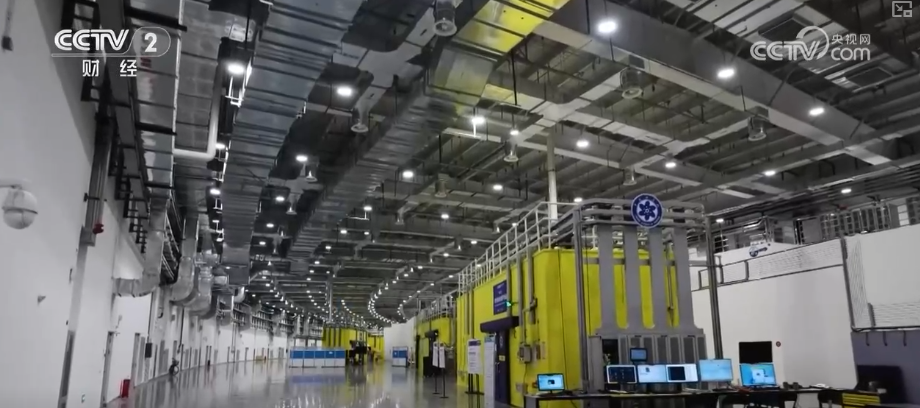
Core Insights - Guangdong's high-tech product exports are projected to reach 1.14 trillion yuan by 2025, marking a 15% year-on-year increase and surpassing the trillion yuan milestone for the first time [1] - Key high-tech products driving this growth include lithium batteries, measuring instruments, medical devices, machine tools, 3D printers, and automotive parts, which account for approximately 30% of the national export share in these categories [1] - The province's bonded logistics imports and exports are expected to reach 1.93 trillion yuan in 2025, reflecting a 9.1% year-on-year growth, which is 4.7 percentage points higher than the overall foreign trade growth rate [1] Group 1 - The construction of comprehensive bonded zones in Guangdong has made significant progress, with imports and exports projected at 945.57 billion yuan in 2025, a 9.5% increase year-on-year, exceeding the provincial foreign trade growth rate by 5.1 percentage points [2] - The Guangdong Free Trade Zone is expected to see imports and exports of 815.25 billion yuan in 2025, representing a 13.3% year-on-year growth, which is 8.9 percentage points higher than the overall foreign trade growth rate [2] - The Hengqin area of the Guangdong Free Trade Zone is accelerating the integration of the Guangdong-Macao industry, focusing on "four new" industries, with a year-on-year growth of 150% in imports and exports [2] Group 2 - Guangdong's foreign trade imports have maintained a year-on-year growth for 13 consecutive months, with a projected growth of 7.9% in 2025, ranking first among major foreign trade provinces in the country [2] - The large-scale market potential continues to be released, providing a source of vitality for the high-quality development of Guangdong's foreign trade and offering global opportunities to share the Guangdong market [2] - Despite the complex and severe external environment with increasing uncertainties, the fundamental strengths, advantages, and potential of Guangdong's foreign trade remain unchanged [2]