
半导体制造

Search documents
港股三大指数延续涨势,加密货币相关个股走强
Xin Lang Cai Jing· 2025-05-08 09:52
Market Performance - The Hong Kong stock market showed a general upward trend, with the Hang Seng Index rising by 0.37%, the Hang Seng China Enterprises Index increasing by 0.7%, and the Hang Seng Tech Index up by 0.56%, marking a six-day consecutive rise for the Hang Seng Index [2][3] Sector Performance - The military, automotive, and cryptocurrency-related stocks performed well, while semiconductor and gold stocks weakened [3] - Military stocks surged due to external events, with China Aerospace Science and Industry Corporation, China Shipbuilding Industry Corporation, and Aerospace Technology Holdings rising by 6.23%, 6.02%, and 2.50% respectively [3] - Ideal Automotive led the automotive sector, with Ideal Automotive-W, Geely Automobile, and Great Wall Motors increasing by 4.96%, 4.41%, and 4.25% respectively [3] - Cryptocurrency-related stocks also saw significant gains, with New Fire Technology Holdings, Boya Interactive, and OK Blockchain rising by 19.75%, 10.38%, and 9.49% respectively [3] Company News - Ideal Automotive announced the launch of the Ideal L series smart upgraded models, with the Ideal L6 priced at 249,800 yuan and 279,800 yuan for its two configurations [3] - Geely Automobile plans to acquire all issued shares of Zeekr, in which it currently holds approximately 65.7% [3] - Bitcoin surpassed $99,000, leading to a rise in related Hong Kong stock ETFs, with gains of 5.56%, 5.40%, and 5.13% for various Ethereum ETFs [3] Gold Stocks - Gold stocks experienced a decline, with Chifeng Jilong Gold Mining, Zhaojin Mining Industry, and China Gold International falling by 4.72%, 2.18%, and 2% respectively [4] - The drop in gold stocks is attributed to easing signals regarding US-China tariffs, despite the People's Bank of China increasing its gold reserves to 73.77 million ounces by the end of April [4] Market Outlook - Dongwu Securities indicated that the rebound in the Hong Kong stock market relies on continued inflow of southbound funds and foreign capital return, with the Hong Kong dollar reaching a strong exchange guarantee at 7.75 [4] - Zheshang Securities suggested a "cautiously optimistic" strategy as the market trends have entered a right-side phase on weekly and monthly levels [4]
投资连亏后豪赌16亿 半导体能否给“六个核桃”补脑?
Xin Lang Zheng Quan· 2025-05-08 08:49
Core Viewpoint - Yangyuan Beverage, known for its "Six Walnuts" brand, is facing declining performance and has announced a capital increase of 1.6 billion yuan in Changjiang Storage Technology Holding Co., aiming to acquire 0.99% of its shares [1][7]. Group 1: Financial Performance - In 2024, Yangyuan Beverage reported revenue of 6.058 billion yuan, a year-on-year decrease of 1.69%, and a significant drop of approximately one-third from its peak revenue of 9.117 billion yuan [1][3]. - The company's net profit attributable to shareholders was only 1.722 billion yuan, down from a previous high of 2.837 billion yuan, representing a "halving" of profits [1][3]. Group 2: Historical Context - Yangyuan Beverage was originally a small state-owned enterprise under Hengshui Laobai Gan Group, facing bankruptcy before being restructured in 2005 [2]. - The company saw rapid growth from 2008 to 2015, with revenue increasing from 285 million yuan to 9.117 billion yuan, achieving a compound annual growth rate (CAGR) of 64.09% [2]. Group 3: Market Challenges - The decline in performance is attributed to macroeconomic shocks, consumer preference shifts, and the failure of the company's single-product strategy [3]. - In 2024, new product lines contributed only slightly over 10% to revenue, with walnut milk still accounting for 88.70% of total revenue [3]. Group 4: Investment Strategy - Yangyuan Beverage has attempted to diversify through cross-industry investments, including real estate, AI, and renewable energy, but these efforts have not yielded satisfactory returns [4][5]. - From 2023 to 2024, the company reported negative investment returns of 129 million yuan and 126 million yuan, respectively [6]. Group 5: Recent Developments - The recent capital increase in Changjiang Storage is seen as a potential turning point for Yangyuan Beverage, as the semiconductor industry is gaining attention from various investment platforms [7][8]. - Changjiang Storage has made significant advancements in the semiconductor field, including the successful mass production of 232-layer 3D NAND flash chips, positioning it at the forefront of global storage technology [7][8].

华虹半导体:2025年第一季度净利润380万美元
news flash· 2025-05-08 08:46
金十数据5月8日讯,华虹半导体(01347.HK)公告,2025年第一季度销售收入5.41亿美元,同比增长 17.6%,环比增长0.3%。毛利率9.2%,同比上升2.8个百分点,环比下降2.2个百分点。母公司拥有人应 占溢利380万美元,上年同期为3180万美元,上季度为亏损2520万美元。预计2025年第二季度销售收入 约5.5亿至5.7亿美元,毛利率约7%至9%。 华虹半导体:2025年第一季度净利润380万美元 ...
英飞凌第二财季营收35.9亿欧元,预估36.1亿欧元。英飞凌目前预计,受关税影响,2025年的同比增速将略有下降。英飞凌预计第三财季营收37亿欧元,市场预估38.4亿欧元。
news flash· 2025-05-08 05:40
英飞凌第二财季营收35.9亿欧元,预估36.1亿欧元。 英飞凌目前预计,受关税影响,2025年的同比增速将略有下降。 英飞凌预计第三财季营收37亿欧元,市场预估38.4亿欧元。 ...

双主业转型未见成效 皇庭国际2024年营收大幅下滑43.86%
Xi Niu Cai Jing· 2025-05-08 03:29
Core Viewpoint - Shenzhen Huangting International Enterprise Co., Ltd. reported a significant decline in revenue for the fiscal year 2024, primarily due to reduced income from the sale of investment properties and a contraction in certain business segments [2][4]. Financial Performance - The company achieved an operating revenue of 658 million yuan, a substantial year-on-year decrease of 43.86% [2]. - The net loss attributable to shareholders narrowed by 43.16% to 640 million yuan, indicating an improvement in loss margins [2]. - Fair value losses on investment properties decreased significantly to 189 million yuan from 338 million yuan in 2023 [4]. - Asset impairment losses fell to 92.27 million yuan, contributing to the reduction in overall losses [4]. Business Segments - Revenue from commercial operation services was 355 million yuan, showing a slight decline of 1.95%, with a maintained gross margin of 90.56% [4]. - Property management service revenue dropped to 229 million yuan, down 21.43%, attributed to fewer managed projects and increased market competition [4]. - Revenue from the power semiconductor business was 72.67 million yuan, reflecting a 43.69% decrease due to industry demand fluctuations and pricing pressures [4]. Strategic Initiatives - The company has initiated a dual business transformation strategy focusing on "semiconductors + commercial management" to address volatility in the real estate sector, though results have been minimal thus far [4]. - Management acknowledged challenges such as market uncertainty and insufficient talent reserves, indicating a need for enhanced cost control and accounts receivable management [5]. Financial Health - Total assets have decreased to 8.033 billion yuan, with net assets at only 358 million yuan, resulting in a high debt ratio of 95.55% [5]. - The company has not distributed profits, prioritizing operational and debt repayment needs [5].


DRAM,颠覆性方案
半导体行业观察· 2025-05-08 01:49
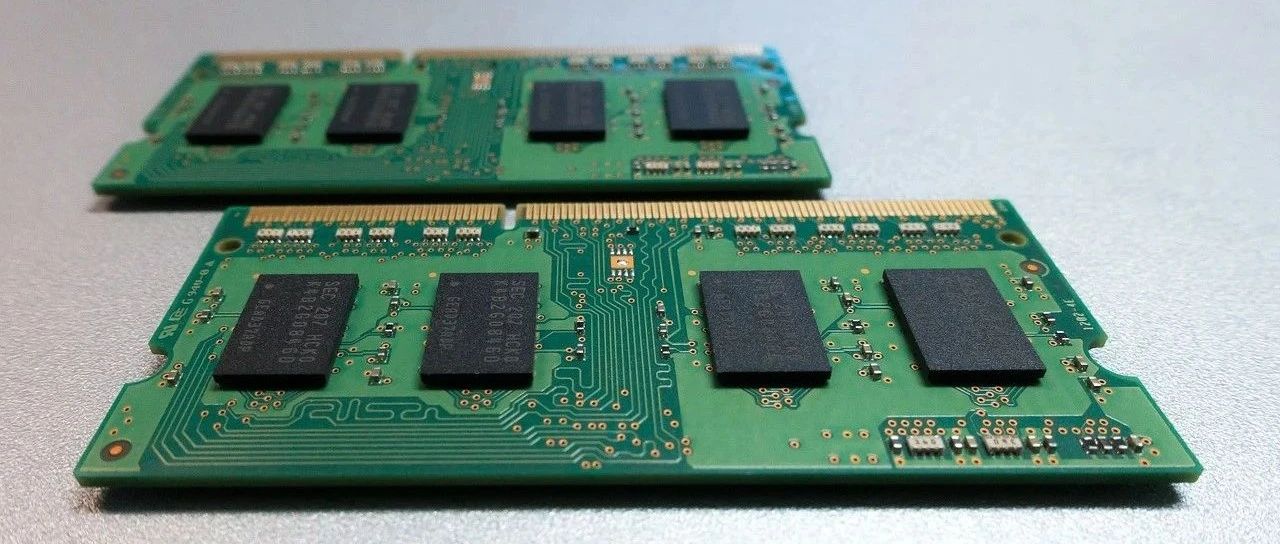
Core Viewpoint - NEO Semiconductor has announced a revolutionary new technology for DRAM memory, introducing two new 3D X-DRAM cell designs: 1T1C and 3T0C, which are expected to undergo concept validation testing by 2026. These designs can accommodate 512 Gb (64 GB) per module, ten times more than currently available modules, with a read/write speed of 10 nanoseconds and a retention time exceeding 9 minutes, addressing the bottlenecks in DRAM technology [1][3][20]. Summary by Sections 1T1C and 3T0C Overview - The new 1T1C unit integrates one capacitor and one transistor, utilizing a structure similar to 3D NAND to reduce manufacturing costs while enhancing data retention using IGZO (Indium Gallium Zinc Oxide) channels [5][9]. - The 3T0C unit integrates three transistors with IGZO channels, designed for current sensing operations, making it suitable for emerging memory computing and AI applications [16][46]. Performance and Efficiency - The 1T1C and 3T0C designs demonstrate unprecedented density, power efficiency, and scalability, with a retention time of up to 450 seconds and a significant reduction in refresh power [20][19]. - The technology allows for a bandwidth increase of 16 times while significantly lowering power consumption and heat generation, making it a transformative innovation for AI applications [19][20]. Manufacturing Process - The 3D X-DRAM technology is based on innovative floating body cell (FBC) technology, leveraging existing NAND processes for easy scalability and cost-effectiveness [19]. - The manufacturing process involves minimal modifications to existing DRAM production lines, ensuring faster development cycles and higher scalability [38][39]. Variants of 3D X-DRAM - The 3D X-DRAM technology platform now includes three variants: - 1T1C (one transistor, one capacitor) for high-density DRAM applications [43]. - 3T0C (three transistors, zero capacitor) optimized for current sensing, ideal for AI and memory computing [46]. - 1T0C (one transistor, zero capacitor) suitable for high-density DRAM and memory computing [46]. Industry Impact - NEO's CEO, Andy Hsu, stated that the introduction of 1T1C and 3T0C is redefining the possibilities of memory technology, breaking through the scaling limitations of current DRAM [44].
关税高压下赴美生产?中国卖家:已劝退
Hu Xiu· 2025-05-07 12:42
Core Viewpoint - The article discusses the potential shift of Chinese cross-border e-commerce companies to assemble products in the U.S. as a response to high tariffs imposed by the U.S. on Chinese goods, suggesting that this could be a viable path for some businesses [1][10]. Group 1: Cost and Operational Challenges - High labor costs in the U.S. make it challenging for companies to establish large-scale manufacturing operations, leading many to consider only simple assembly processes [3][7]. - The assembly operations in the U.S. are often small-scale, with many factories employing only a handful of workers, which raises concerns about investment returns and operational risks [9]. - The U.S. has seen a trend where companies are exploring the assembly of products locally to avoid high tariffs on finished goods, as components incur lower tariffs [6][10]. Group 2: Regulatory and Market Considerations - The "Made in USA" label comes with strict regulations from the Federal Trade Commission (FTC), requiring that products must be almost entirely made in the U.S. to qualify, which complicates the assembly strategy [14][16]. - A significant portion of U.S. consumers actively seek "Made in USA" products, with many willing to pay a premium, indicating a potential market advantage for companies that can meet these standards [13][16]. - Despite the potential benefits, many companies are hesitant to invest in U.S. manufacturing due to high costs compared to other regions like Southeast Asia, where production is cheaper [17][24]. Group 3: Current Trends and Future Outlook - Many entrepreneurs are currently in a wait-and-see mode regarding U.S. manufacturing investments, with some purchasing land but not actively developing it [20][24]. - The fluctuating tariff policies create uncertainty, making it difficult for companies to commit to long-term investments in U.S. manufacturing [24][25]. - The feasibility of establishing end-stage assembly operations in the U.S. will depend on the stabilization of tariff rates and the ability to generate sufficient profit margins from local assembly [25].
六个核桃母公司,豪掷16亿入局半导体
阿尔法工场研究院· 2025-05-07 11:57
Core Viewpoint - The recent investment of 1.6 billion yuan by Yangyuan Beverage in Changjiang Storage Technology Holdings represents 93% of the company's projected net profit for 2024, indicating a strategic shift towards the semiconductor industry and a commitment to diversifying its business model [2][10][15]. Investment Details - Yangyuan Beverage's subsidiary, Quan Hong Investment, has completed a cash investment of 1.6 billion yuan, acquiring a 0.99% stake in Changjiang Storage, which values the company at over 160 billion yuan [3][9]. - The investment is part of Yangyuan's strategy to explore equity investment as a business operation model, aiming to enhance its investment capabilities and secure shareholder interests [5][15]. - The investment was initially kept confidential for 17 months due to commercial secrecy concerns, highlighting the strategic nature of the deal [5][6]. Changjiang Storage Overview - Changjiang Storage, established in 2016, is a leading player in the domestic storage chip industry, being the only supplier in China to commercialize 3D NAND technology [3][6]. - The company has a diverse product range, including 3D NAND flash memory and embedded storage chips, with applications across various sectors such as mobile communication and data centers [6][10]. Financial Performance - As of September 2024, Changjiang Storage reported a net asset value of 134.736 billion yuan and a net profit of 531 million yuan for 2023, although it faced a loss of 84.21 million yuan in the first three quarters of 2024 due to industry fluctuations [9][10]. - The recent investment by Yangyuan Beverage is significant, as it represents a substantial portion of the company's projected net profit for 2024, indicating a bold move into the semiconductor sector [10][15]. Market Trends - The semiconductor industry is experiencing increased investment activity, with approximately 50 listed companies in China announcing major asset restructuring or investment plans in this sector by December 2024 [17][19]. - The demand for semiconductor products is rising due to advancements in AI, IoT, and 5G technologies, making this sector attractive for cross-industry investments [19]. Investment Challenges - Despite the potential benefits, the semiconductor industry poses challenges such as high technical barriers, rapid technological changes, and significant capital requirements, which could impact the financial stability of companies engaging in cross-industry mergers and acquisitions [19].
Is Intel Stock a Bargain or a Burden? Cheap Stock, High Stakes
MarketBeat· 2025-05-07 11:01
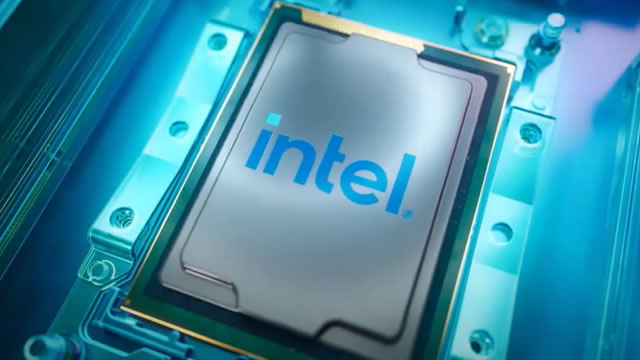
Core Viewpoint - Intel is currently trading near its 52-week low around $20, presenting a potentially inexpensive investment opportunity in the semiconductor sector, but faces a cautious consensus rating from analysts and a weak financial outlook following a better-than-expected first quarter [1] Financial Performance - Q1 2025 non-GAAP earnings per share (EPS) were $0.13, a 28% year-over-year decrease, with revenue flat at $12.7 billion compared to the previous year [2] - GAAP results showed a larger net loss of -$0.19 per share, and non-GAAP gross margin declined to 39.2%, projected to fall further to about 36.5% in Q2 [2][3] Q2 Outlook - The forecast for Q2 includes a non-GAAP EPS of $0.00 and lower sequential revenue, attributed to a challenging macroeconomic climate, possible tariffs, and shifts in product mix [3] - The foundry services division (IFS) continues to be a financial burden with an operating loss of $2.3 billion in Q1, and profitability for IFS is expected to take several more years [3] Competitive Landscape - Intel faces intense competition, particularly from Nvidia in the AI accelerator market and AMD in client and data center CPUs [4] - There are risks associated with delays or lower-than-expected yields in the ramp-up of the next-generation Intel 18A manufacturing process, leading to increased Sell ratings from analysts [4] Valuation Metrics - Despite market negativity, Intel's valuation metrics suggest potential undervaluation, with a historically low price-to-book ratio around 0.84 and a price-to-sales ratio of about 1.67 [5][6] Strategic Initiatives - CEO Lip-Bu Tan's restructuring plan includes a workforce reduction exceeding 20%, targeted operating expenses of $17 billion in 2025, and reduced capital spending targets [7] - Successful execution of these measures could improve Intel's margins and profitability [7] Long-Term Potential - Intel has significant long-term potential, particularly in the foundry business and regaining process technology leadership with Intel 18A [8] - The company benefits from an established global manufacturing presence, a large pool of engineering talent, an extensive patent portfolio, and strong brand recognition [9] Execution Challenges - The success of Intel's strategic plan hinges on execution, particularly in delivering the Intel 18A process node on schedule and achieving competitive yields [10][11] - Demonstrating competitive performance and efficiency of new products, as well as securing high-profile external customers in the foundry business, are essential milestones [12] Investment Profile - Intel represents a high-risk, potentially high-reward investment, with its stock appearing inexpensive based on asset valuations [13] - The potential for recovery is counterbalanced by immediate risks, including poor financial performance and formidable competition [14]

六个核桃,投了个千亿芯片独角兽
3 6 Ke· 2025-05-07 03:27
Core Viewpoint - Yangyuan Beverage is attempting to refresh its public perception through a significant investment in Changjiang Storage Technology, indicating a strategic shift towards the semiconductor industry [1][2][10]. Investment Details - Yangyuan Beverage's subsidiary, Quan Hong Investment, has invested 1.6 billion yuan in Changjiang Storage, acquiring a 0.99% stake, valuing Changjiang Storage at approximately 161.6 billion yuan [2][3]. - The investment represents over 90% of Yangyuan Beverage's projected net profit for 2024, highlighting the scale of this cross-industry investment [2][6][10]. Company Background - Yangyuan Beverage, known for its walnut beverage "Six Walnuts," has faced declining revenues and profits since 2016, prompting the need for diversification [9][10]. - The company has a history of investments through its subsidiary, Quan Hong Investment, which has engaged in various sectors, although past investments have not yielded expected high returns [7][9]. Changjiang Storage Overview - Changjiang Storage, established in 2016, is a leading player in the domestic storage chip industry, being the only supplier to commercialize 3D NAND technology in China [2][4]. - The company has a diversified business model, including chip design, manufacturing, and solutions, and has seen its net assets reach 134.736 billion yuan as of September 2024 [5][4]. Market Context - The semiconductor industry is experiencing increased investment activity, with many companies entering the sector through mergers and acquisitions, driven by favorable policies and the growing demand for semiconductor products [11][12]. - The investment by Yangyuan Beverage aligns with a broader trend of companies diversifying into the semiconductor space, which is seen as a sector with significant growth potential [11][12].