
智慧农业

Search documents
杭州“AI+青创联盟”成立
Xin Hua Wang· 2025-09-30 01:58
Core Insights - The establishment of the "AI + Youth Innovation Alliance" aims to integrate artificial intelligence with modern agriculture, focusing on technology empowerment, financial support, and talent cultivation [1] Group 1: Alliance Formation - The alliance was launched on September 26 during the "Youth Entering the Countryside for Common Prosperity" conference, involving 11 universities, research institutions, and enterprises [1] - The initiative seeks to break down "technology silos" and "entrepreneurial barriers" in the agricultural sector [1] Group 2: Role of New Forces - New agricultural innovators, represented by "farm creators," are seen as a bridge between new technologies and the agricultural industry [1] - The focus is on accurately translating production needs to ensure that AI technologies are effectively applied in agriculture [1] Group 3: Educational and Research Collaboration - The alliance emphasizes the need for AI technology to closely align with industry realities, particularly in identifying agricultural production pain points [1] - Collaboration between local agricultural characteristics and university research is expected to enhance innovation and reduce entrepreneurial costs for agricultural innovators [1]
【杨凌】扮靓“国际农业会客厅”
Shan Xi Ri Bao· 2025-09-28 22:49
Core Insights - Yangling Agricultural Science City is emerging as a hub for agricultural technology innovation and international cooperation, showcasing advanced agricultural practices and technologies [1][4]. Group 1: Technological Advancements - The Yangling Smart Agriculture Demonstration Park features automated vertical farming systems that can grow vegetables in just 42 days, significantly enhancing space utilization and yield [2][3]. - The park integrates over 1,100 advanced agricultural technologies and has trained 400,000 individuals since its inception, promoting a model of "technology-led, enterprise-driven, multi-party collaboration, and government support" [3][9]. Group 2: International Collaboration - Yangling has established 10 agricultural technology demonstration parks overseas, promoting advanced agricultural techniques such as water-saving agriculture and quality seed breeding, impacting over 30 million acres [4][6]. - The China-Kyrgyzstan Apple Demonstration Park serves as a comprehensive agricultural cooperation platform, integrating breeding, demonstration, training, and trade, with an expected yield of over 1,000 kg per acre next year [6][7]. Group 3: Trade and Economic Impact - The successful operation of the China-Kyrgyzstan Apple Demonstration Park exemplifies the potential for Chinese agricultural technology to enhance local agricultural structures and industry upgrades [7][8]. - The establishment of joint laboratories and training bases in countries like Kazakhstan and Uzbekistan aims to foster agricultural technology cooperation and support regional agricultural modernization [9].
四川推出智慧农业行动计划
Zhong Guo Chan Ye Jing Ji Xin Xi Wang· 2025-09-27 23:51
Core Insights - The Sichuan Provincial Department of Agriculture and Rural Affairs has issued the "Sichuan Smart Agriculture Action Plan (2025-2028)", aiming to establish high-level smart farms, pastures, and fish farms by 2028 [1] Group 1: Smart Agriculture Development - Sichuan has initiated three major actions and ten key tasks to enhance public service capabilities, expand key areas, and innovate applications in smart agriculture [1] - The plan includes the establishment of 200 smart farms, 50 smart pastures, and 20 smart fish farms by 2028 [1] Group 2: Technological Integration - Smart agriculture will incorporate technology throughout the entire agricultural process, improving seedling survival rates to over 95% through smart seedling production lines [2] - The use of drones for pest control and planting has significantly increased operational efficiency, allowing for the completion of 50 acres in a single day [2] Group 3: Smart Farm Features - Smart farms will utilize environmental monitoring, precise management of water, fertilizers, and pesticides, as well as automated inspection and transportation [2] - The phased approach includes digital upgrades for various crops and the establishment of pilot projects for facility-based agriculture [2] Group 4: Smart Pastures and Fish Farms - Smart pastures will focus on livestock such as pigs, cattle, and sheep, employing technologies for individual monitoring and disease diagnosis [3] - Five smart fish farms will be constructed, focusing on specific fish industries and incorporating monitoring and management systems [3] Group 5: Data Platform Development - Sichuan plans to build a provincial agricultural and rural big data platform to enhance data sharing and integration across various departments [4] - The platform aims to facilitate dynamic resource management and precise input of water, fertilizers, and pesticides based on data analysis [4] Group 6: Land Utilization Efficiency - The establishment of digital land records is expected to significantly improve land development efficiency and help maintain arable land boundaries [5]

托普云农:9月26日召开董事会会议
Mei Ri Jing Ji Xin Wen· 2025-09-26 10:17
每经AI快讯,托普云农(SZ 301556,收盘价:94.09元)9月26日晚间发布公告称,公司第四届第十六 次董事会会议于2025年9月26日在公司会议室以现场及通讯结合的方式召开。会议审议了《关于召开 2025年第二次临时股东会的议案》等文件。 2024年1至12月份,托普云农的营业收入构成为:智慧农业行业占比100.0%。 截至发稿,托普云农市值为80亿元。 每经头条(nbdtoutiao)——5年增长33倍,这类新险种卖爆了,身边很多人都需要,30多家险企蜂拥而 入⋯⋯ (记者 曾健辉) ...
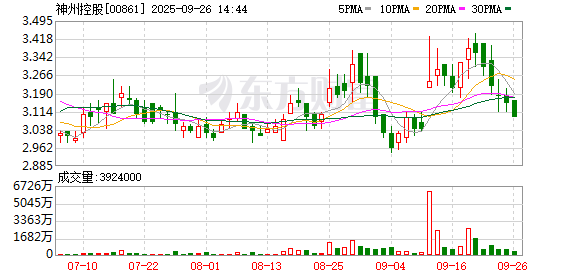
神州控股科捷携手四大行业知名品牌 共创智慧供应链新标杆
Zheng Quan Ri Bao· 2025-09-26 06:44
Group 1 - The core viewpoint of the article highlights the strategic partnerships formed by KJ Supply Chain Co., Ltd. with four major brands across different industries to enhance digital transformation and intelligent upgrades in supply chain management [2][3]. - KJ Supply Chain will provide customized smart supply chain solutions based on the specific characteristics and needs of each industry partner [2][3]. - The collaboration with Lenovo focuses on local storage and rapid allocation of goods, leveraging KJ's extensive warehousing network of over 160 locations [2][4]. Group 2 - The partnership with Jianmin Pharmaceutical aims to optimize supply chain management, enhance operational efficiency, and reduce delivery times and damage rates [3][4]. - KJ Supply Chain will offer one-stop operational services for e-commerce channels in collaboration with Zhenyan Biotechnology, utilizing major platforms like Tmall, JD, and Amazon [3][4]. - The cooperation with Heidi Garden will explore innovative paths in smart agriculture, establishing a standardized operational system across the entire supply chain from procurement to delivery [3][4]. Group 3 - KJ Supply Chain has a strong foundation in the smart supply chain sector, with a peak order processing capacity of 5 million orders per day and coverage in approximately 300 cities nationwide [4]. - The company has also established overseas warehouse networks in several Southeast Asian countries, indicating its capability in both domestic and cross-border logistics [4]. - Future plans include continuing to focus on customer needs and leveraging industry experience and technological innovation to deepen the application of smart supply chains across various sectors [4].


“数字信用标签”来了
Ren Min Ri Bao Hai Wai Ban· 2025-09-26 03:50
Core Viewpoint - The National Market Supervision Administration has issued guidelines to accelerate the digitalization of quality certification, leveraging AI and big data to enhance the credibility of agricultural products, smart products, and digital services [1][2]. Group 1: Goals and Timeline - The guidelines set specific goals in two phases: by 2030, to improve the top-level institutional design for quality certification digitalization and establish digital evaluation rules; by 2035, to fully develop a clear and innovative quality certification digital technology system [2]. Group 2: Focus Industries - The digital certification will initially focus on industries such as industrial internet, smart manufacturing, green low-carbon initiatives, and industrial software, promoting the transition from traditional to smart and green manufacturing [3]. - In agriculture, the guidelines encourage integrating quality certification into smart farms and fisheries, enhancing intelligent perception, precise control, and full-chain traceability management [3]. - The service sector will also be targeted, with a focus on creating a systematic service certification support system for education, healthcare, elderly care, smart cities, digital communities, and fintech [3]. Group 3: Consumer Experience - The ultimate goal of digital quality certification is to make trust transmission more efficient and consumer choices simpler, allowing consumers to scan a QR code to access comprehensive information about a product's supply chain [4]. - This system aims to eliminate concerns about product origins and quality, providing transparency through a single code that reveals all relevant information [4].
破解盐碱地难题,智慧农业如何点绿成“金”?
Qi Lu Wan Bao Wang· 2025-09-25 23:04
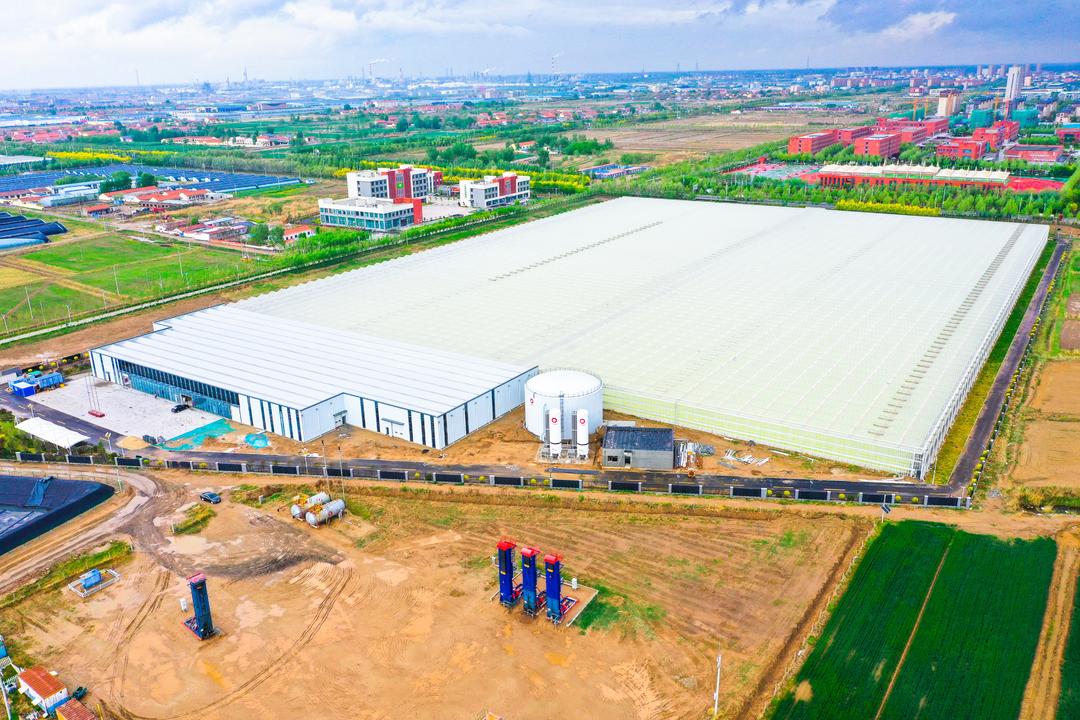
Core Insights - The article highlights the transformation of a saline-alkali land in Shandong Lijin into a high-tech vegetable factory, the Kaisheng Haofeng (Lijin) Smart Agriculture Demonstration Park, which produces high-quality cherry tomatoes year-round without relying on traditional farming methods [1][3]. Group 1: Agricultural Innovation - The demonstration park utilizes an intelligent management system to monitor and control 240 parameters such as temperature, humidity, and nutrient levels, allowing for a yield of 30 kg per square meter, which is 5 to 6 times higher than traditional greenhouses [3][6]. - The facility employs a soil-less cultivation method using rock wool substrates and bee pollination techniques, achieving clean production with zero heavy metals, zero pesticide residues, and zero hormones [6]. Group 2: Economic Impact - The park has created over 200 local jobs, with an average annual income increase of 60,000 yuan per person, significantly improving the livelihoods of local villagers [5]. - Workers like Qin Shuai have reported substantial income increases, earning around 300 yuan daily through piecework, compared to previous jobs with monthly incomes below 3,000 yuan [5]. Group 3: Market Reach and Sustainability - The products are marketed through a nationwide sales network, leveraging e-commerce platforms like Tmall, JD.com, and offline retailers, ensuring delivery to consumers' tables within 48 hours [5]. - The park serves as a replicable model for agricultural transformation in saline-alkali regions, promoting a shift towards standardized, chain-oriented, and smart agricultural practices [6].
迈向更智能更高效的农业生产
Jing Ji Ri Bao· 2025-09-25 22:07
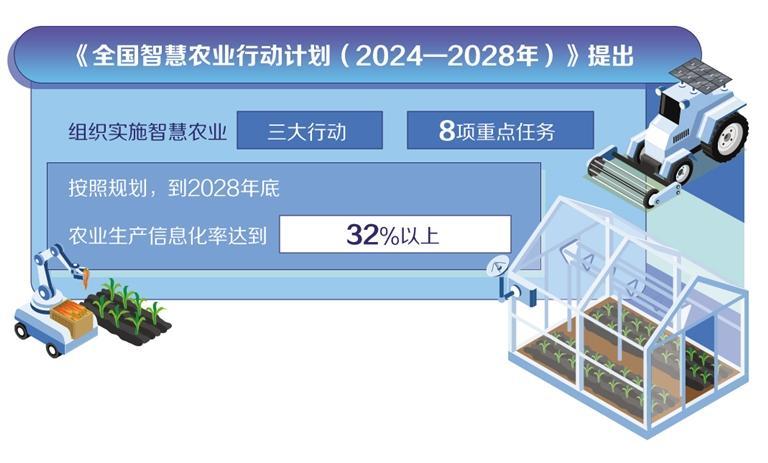
Core Insights - The application of artificial intelligence (AI) in agriculture is rapidly advancing, with various innovations such as four-legged robots for smart farming and automated pollination robots being introduced [2][3] - The Chinese government has issued policies to accelerate the digital transformation of agriculture, emphasizing the integration of AI in breeding systems and agricultural management [2][4] Group 1: Current Developments in Smart Agriculture - Companies are utilizing AI technologies, such as drones and sensors, to enhance crop monitoring and pest control, leading to a reduction in pesticide costs by 10% to 20% [3] - The implementation of the "National Smart Agriculture Action Plan (2024-2028)" aims to promote smart agriculture through policy support, technology innovation, and service enhancement [4][6] Group 2: Benefits of AI in Agriculture - AI applications in agriculture are automating repetitive tasks like pesticide spraying and harvesting, which traditionally relied on human labor [4] - The use of IoT data allows farmers to make precise decisions regarding fertilization, irrigation, and crop management, thereby reducing costs and increasing efficiency [4][6] Group 3: Challenges Facing AI Adoption - There are significant challenges in data acquisition and sharing, with issues such as data fragmentation and lack of standardization hindering model training and application [7] - High costs of technology implementation and insufficient infrastructure in rural areas limit the widespread adoption of AI solutions [7] Group 4: Future Trends and Recommendations - By 2028, it is expected that the integration of information technology in agriculture will significantly enhance productivity and efficiency, with a target of achieving over 32% informationization in agricultural production [8] - The development of customized AI solutions tailored to the needs of smallholders is recommended to facilitate technology adoption and improve agricultural outcomes [9]
科技兴农结满喜人“致富果”
Ke Ji Ri Bao· 2025-09-25 01:25
Core Insights - The recent harvest festivals across China highlight the integration of technology in agriculture, showcasing innovations such as agricultural robots and smart farming equipment [1][2] - The emphasis on seed innovation during the harvest festival reflects the importance of agricultural research and development in enhancing crop yields and modernizing agriculture [1] - The Chinese government is prioritizing agricultural technology innovation, aiming to position the country among the global leaders in agricultural science and technology [2] Group 1: Agricultural Innovations - Agricultural robots and "unmanned farms" were focal points at the harvest festival, demonstrating advancements in automation within the sector [1] - Smart agricultural devices, such as spore capture instruments and pest monitoring equipment, were showcased, indicating a shift towards data-driven farming practices [1] - The introduction of new seed varieties, such as "Chuan Garlic 3" and "Black Bright 59" eggplant, underscores the role of research institutions in developing innovative agricultural solutions [1] Group 2: Technological Integration - The use of blockchain and AI to create a comprehensive trust system for agricultural products was highlighted, showcasing the potential for enhanced traceability and accountability in the supply chain [2] - Projects like "carbon sink farmland," which allows for the calculation and trading of carbon emissions per acre, illustrate the intersection of agriculture and environmental sustainability [2] - The overall level of agricultural technology innovation in China is reported to be among the top globally, reflecting significant progress in the sector [2]
聚焦强链补链 南京溧水举办产业链高质量发展推介会
Yang Zi Wan Bao Wang· 2025-09-24 08:24
Core Insights - The 2025 Lishui Industrial Chain High-Quality Development Promotion Conference was held, featuring 37 projects with a total investment of approximately 16 billion yuan, focusing on sectors such as new energy, intelligent manufacturing equipment, new pharmaceuticals, and smart agriculture [1][2] Investment Projects - A total of 37 industrial investment projects were signed, with significant investments in various sectors, including a 1 billion yuan project for the Hong Kong Blanford terminal manufacturing base, which is expected to generate an annual output value of 1 billion yuan and tax revenue of 30 million yuan upon reaching full production [2] - The Yiyang Optical Materials and Touch Display Module R&D and Production Base project has an investment of 1 billion yuan, aiming for an annual production capacity of 1 million display modules [2] - The project for the recovery and R&D production base of 30,000 tons of lithium iron phosphate battery cathode materials has a planned investment of 500 million yuan, with an expected annual output value of 600 million yuan and tax revenue of 30 million yuan [2] - The Budatech Yangtze River Delta Semiconductor Packaging and Testing Production Center has a total investment of 120 million yuan, projected to achieve an output value of 150 million yuan and tax revenue of 4.5 million yuan upon reaching full production [2] Industrial Development Strategy - Lishui District is recognized as the only high-quality manufacturing development pilot area in the city, focusing on a modern industrial system characterized by "two new and two smart" industries, with 819 large-scale enterprises and an industrial output value exceeding 100 billion yuan [3] - The district has released 50 industrial cooperation opportunities to promote collaboration in new technologies and products, covering key industries such as new energy vehicles, intelligent manufacturing, and artificial intelligence [3] Investment Fund Initiatives - Lishui District is establishing a district-level state-owned enterprise investment fund, managed by Nanjing Zijin Venture Capital Fund Management Co., Ltd., targeting investments in "two new and two smart" industries to enhance project implementation efficiency [3] Future Development Vision - The district aims to create an optimal business environment by integrating resources and services, with a five-year development vision focused on becoming a hub for intelligent manufacturing and a culturally rich area [4] - A recent roadshow event titled "New Cooperation New Foundation" showcased four projects, allowing financial institutions to evaluate their feasibility and investment value, thereby facilitating capital alignment with local industrial upgrades [4]