科研

Search documents
“2025自然指数—科研城市”排名发布
Mei Ri Shang Bao· 2025-11-18 03:00
Core Insights - The "Nature Index" report published by "Springer Nature Online" highlights that Hangzhou has risen from 13th to 10th place in the global ranking of research cities for 2024, marking its first entry into the top ten [1] - The report also details Hangzhou's performance across five major scientific disciplines, showing strong research potential, particularly in chemistry and environmental sciences [1] Group 1: Research City Rankings - The top ten global research cities for 2024 are Beijing, Shanghai, New York metropolitan area, Boston metropolitan area, Nanjing, Guangzhou, San Francisco Bay Area, Wuhan, Baltimore-Washington, and Hangzhou [1] - China now holds more than half of the top ten positions in the global research city rankings, with Guangzhou moving from 8th to 6th place, surpassing the San Francisco Bay Area [1] Group 2: Research and Development in Hangzhou - Hangzhou has established a stable long-term support mechanism for basic research and has become one of the first provincial capitals to set up a regional innovation development joint fund under the National Natural Science Foundation [2] - In 2024, Hangzhou's R&D expenditure reached 85.166 billion yuan, an increase of 8.3% from the previous year, with an R&D expenditure intensity of 3.90%, up by 0.15 percentage points [2] - The city's high-tech industry accounted for 72.28% of the industrial added value from January to September, with a 4.6% growth in high-tech industry investment, representing 14.6% of fixed asset investment [2]
北京“双榜”稳居全球前三背后的创新密码
Bei Jing Shang Bao· 2025-11-17 16:40
Core Insights - Beijing has maintained its position as the top global research city for nine consecutive years and ranks third in the International Science and Technology Innovation Center for four years [1] - The reports highlight Beijing's robust investment in research and development (R&D), with a consistent R&D intensity of around 6%, placing it among the leading innovation cities globally [2] R&D Investment - Beijing's R&D investment intensity remains at a high level of 6%, providing a solid foundation for original innovation and key technological breakthroughs [2] - The city has established four national laboratories and restructured national key laboratories, enhancing collaboration with national research forces [2] - The establishment of the "Original Innovation Fund" aims to optimize the investment structure, increasing the proportion of basic research from 18% to align with top global institutions [2] Innovation Ecosystem - Over 300 technology companies are established daily in Beijing, surpassing Silicon Valley, with 115 unicorns and 1,035 "little giant" enterprises by the end of 2024, leading the nation [4] - The innovation ecosystem is characterized by a collaborative framework involving universities, research institutions, and a supportive policy environment [4][5] - The unique combination of top talent, cutting-edge knowledge, and significant application scenarios creates a competitive advantage for Beijing's innovation landscape [5] Challenges and Strategic Responses - Despite its achievements, Beijing faces challenges such as reduced international cooperation, land resource constraints, and low patent conversion rates [6] - To address these challenges, Beijing aims to build an open innovation network and extend its industrial chain to surrounding areas [6] - The city must remain vigilant against potential declines in innovation vitality and strive for continuous self-reform to maintain its competitive edge [7]
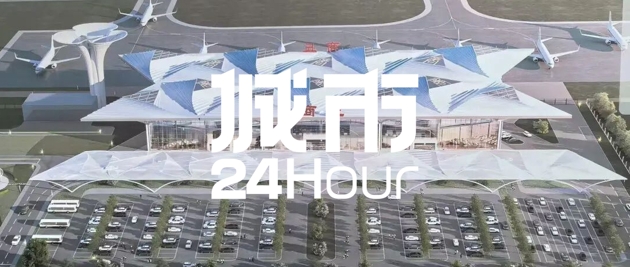
城市24小时 | 坐标中部大省,“航空第六城”来了
Mei Ri Jing Ji Xin Wen· 2025-11-17 15:34
Core Points - The construction of Shangqiu Airport in Henan Province officially commenced on November 17, with a total investment of approximately 800 million yuan, aiming to enhance the region's transportation infrastructure and economic development [1][6][7] - The airport is designed to accommodate 900,000 passengers and 3,600 tons of cargo by 2030, and 2.8 million passengers and 7,800 tons of cargo by 2050, positioning it as a key hub in the national transportation network [1][6][8] Investment and Economic Impact - The airport is a crucial component in establishing Shangqiu as a "public-rail-water-air" hub city, which is expected to boost external openness and promote high-quality economic and social development [1][6] - The development of the airport is part of a broader strategy to improve Henan's aviation infrastructure, which has lagged behind its extensive railway network, with the province currently ranking low in the number of airports [6][7] Regional Development Strategy - The airport's construction is aligned with Henan's goal to create a comprehensive airport network covering the province and surrounding areas, with plans for additional airports and expansions by 2025 [6][8] - The establishment of Shangqiu Airport is anticipated to enhance the region's role as a growth pole in coordinated regional development and contribute to the construction of a unified national market [1][6][8]

法国开发无人机热点定位工具监测火灾复燃
Xin Hua She· 2025-11-17 10:00
科西嘉岛消防与救援部门已开始使用该工具。一名科西嘉岛消防员说:"这一工具满足了现场的真实需 求。火势稳定后,为防止复燃,消防员对热点的巡查可能需要数天、覆盖广大区域,并占用大量人力与 后勤资源。基于无人机的Argos让我们的行动更精准、更省时。" 据介绍,该工具还可用于搜寻在山区失踪人员或被雪掩埋者。(完) 新华社巴黎11月17日电(记者罗毓)法国国家科学研究中心与科西嘉大学的研究人员开发出一种通过无 人机对热点定位的工具,可用于监测火灾复燃。 法国国家科学研究中心近日发布公报说,仅在2025年,欧盟境内就有近40万公顷森林被烧毁,而气候变 化又加剧了火灾风险。余烬区域在消防员控制住火势后,仍有复燃可能。 为此,研究人员开发出这款名为Argos的工具,通过对无人机热成像的处理,可以计算热点的全球定位 系统(GPS)位置,并直接传送给在现场作业的人员。这样一来,它们就能被精确地显示在卫星地图 上,或集成进应用程序。 ...
北京连续9年登顶全球科研城市 四年稳居国际科创中心前三
Bei Jing Shang Bao· 2025-11-17 01:36
北京在今年国际科技创新中心指数排名中也表现亮眼,连续4年位列第三,和旧金山—圣何塞、纽约一 同进入第一梯队。 除北京外,今年中国还有20个城市入围该榜单全球百强,其中14个城市排名上升,南京、杭州和武汉位 势显著提升。粤港澳大湾区跃升两个位次至第四名,在前十强中进步最显著。上海排名第十。 北京商报讯(记者 张茜琦)11月16日,科技创新中心与科研城市论坛在京举行。论坛现场发布《自然 指数—科研城市2025》和《国际科技创新中心指数2025》两份权威报告。数据显示,北京连续9年稳坐 全球科研城市榜首,同时连续4年位居国际科技创新中心排名第三,彰显全球顶尖科研实力。 北京已连续9年领跑"自然指数—科研城市"排名。此次报告对2024年全球主要城市及都市圈在自然指数 高质量期刊上的科研产出变化开展评估:中国城市首次在十强榜单中占据超半数席位,北京、上海、南 京、广州、武汉和杭州6个城市入围。其中,北京科研产出增幅超9%。 ...
规模最大动物大脑模拟系统构建
Ke Ji Ri Bao· 2025-11-17 01:29
Core Insights - The article discusses a groundbreaking achievement by American scientists who have created the largest and most detailed animal brain simulation system to date, replicating the structure and function of the mouse cerebral cortex [1][2] - This simulation includes nearly 10 million neurons, 26 billion synapses, and 86 interconnected brain regions, marking a significant advancement in understanding brain mechanisms and moving towards brain construction [1] Group 1: Simulation Details - The simulation was made possible by the supercomputer "Fugaku," which can perform quintillion calculations per second, enabling the processing of vast amounts of data and complex simulations [1] - The project was led by the Allen Institute for Brain Science in collaboration with Japanese institutions, utilizing real neurobiological data from the Allen Cell Types Database and the Allen Connectivity Atlas to create an accurate biological foundation for the virtual brain [1] Group 2: Research Applications - The specialized neuron simulator "Neulite" translates mathematical equations into biologically realistic neuron behaviors, allowing virtual neurons to generate electrical impulses, transmit signals, and form dynamic networks [2] - This model enables scientists to explore brain mechanisms in unprecedented ways, simulating neurological diseases like Alzheimer's and epilepsy, tracking how lesions spread in neural networks, and studying the formation of brain waves and the neural basis of attention [2] Group 3: Future Directions - The achievement provides a new tool for understanding the neural basis of cognition and consciousness, potentially revealing early changes in brain diseases before symptoms appear and accelerating drug development processes [2] - Despite this significant progress, the team acknowledges that it is only the first step towards full brain simulation, with the real challenge being to accurately replicate the complexity of biological physics for greater scientific value [2]
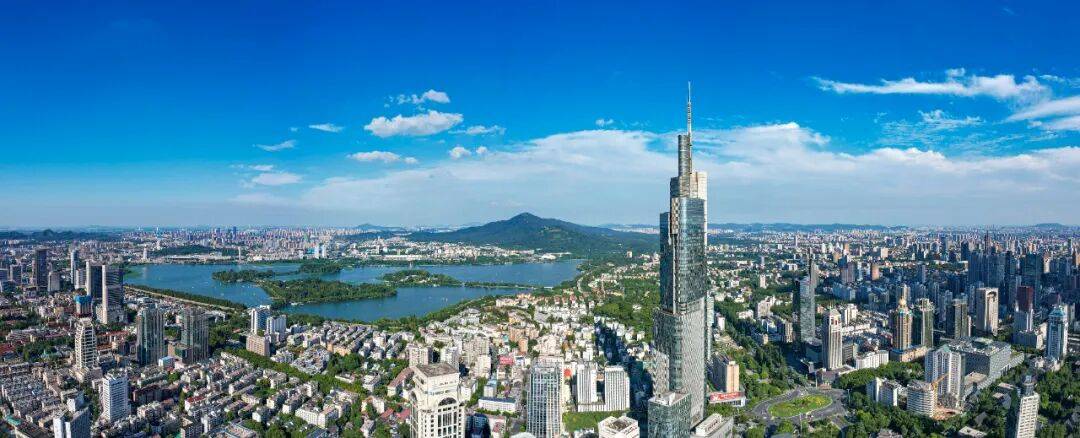
南京,全球第五!
Sou Hu Cai Jing· 2025-11-17 00:47
Core Insights - China occupies more than half of the top ten global research cities for the first time, increasing from five to six cities from 2023 to 2024 [1][3] - Beijing remains the top research city globally since 2016, followed by Shanghai in second place, with Nanjing, Guangzhou, Wuhan, and Hangzhou ranking fifth, sixth, eighth, and tenth respectively [1][3] Research Output Changes - The 2024 edition of the Nature Index highlights the latest research output changes in major global cities, with Nanjing and Guangzhou making significant contributions alongside Beijing and Shanghai [3] Nanjing's Innovation Strength - Nanjing ranks third in the "China City Technology Entrepreneurship Evaluation Report 2025" and ninth in the "2024 Global Innovation Index" [4] - The city is fifth in the National Innovation Capability Evaluation Report by the Chinese Academy of Sciences [4] Scientific Achievements - Nanjing scientists have made notable contributions, including the discovery of the earliest multicellular eukaryotic fossil, recognized in the top ten scientific breakthroughs of 2024 by the journal Science [7] - The city secured two positions in the "Top Ten Scientific Advances in China" by the National Natural Science Foundation of China for 2024 [7] Research and Development Infrastructure - Nanjing hosts over 50 higher education institutions, 120 national-level R&D platforms, and more than 10,000 high-tech enterprises, fostering a robust innovation ecosystem [10] - The city has established 34 national key laboratories and completed major technological infrastructure projects to support innovation [10] Policy Support for R&D - Nanjing has implemented various policies to promote R&D, including incentives for technology transfer organizations and support for specialized small and medium enterprises engaged in key technology tasks [12] - Recent measures aim to enhance the quality of specialized small and medium enterprises, particularly those involved in national key technology initiatives [12] Future Prospects - Nanjing is poised to advance its technological entrepreneurship and research capabilities, focusing on both foundational research and practical applications [14]
规模最大动物大脑模拟系统构建 包含近1000万个神经元、260亿个突触
Ke Ji Ri Bao· 2025-11-16 23:42
Core Insights - The article discusses a groundbreaking achievement by American scientists who have created the largest and most detailed simulation of an animal brain to date, specifically the mouse cortex, using advanced supercomputing capabilities [1][2]. Group 1: Simulation Details - The virtual model replicates nearly 10 million neurons, 26 billion synapses, and 86 interconnected brain regions, providing a new platform for understanding brain mechanisms [1]. - The simulation was made possible by Japan's supercomputer "Fugaku," which can perform quintillions of calculations per second, enabling the processing of vast amounts of data and complex simulations [1]. Group 2: Research Applications - Scientists can now explore brain mechanisms in unprecedented ways, simulating neurological diseases such as Alzheimer's and epilepsy, tracking how pathologies spread within neural networks [2]. - The model allows for rapid hypothesis testing and repeated experimentation in a digital environment, significantly enhancing research efficiency compared to traditional animal experiments [2]. Group 3: Future Goals - While this achievement marks a significant step, the team acknowledges that the true challenge lies in capturing the biological complexity of the brain, with the long-term goal of achieving a digital reconstruction of the human brain [2].
记者探访高交会 见证高校科研成果加速创新
Yang Shi Wang· 2025-11-15 23:08
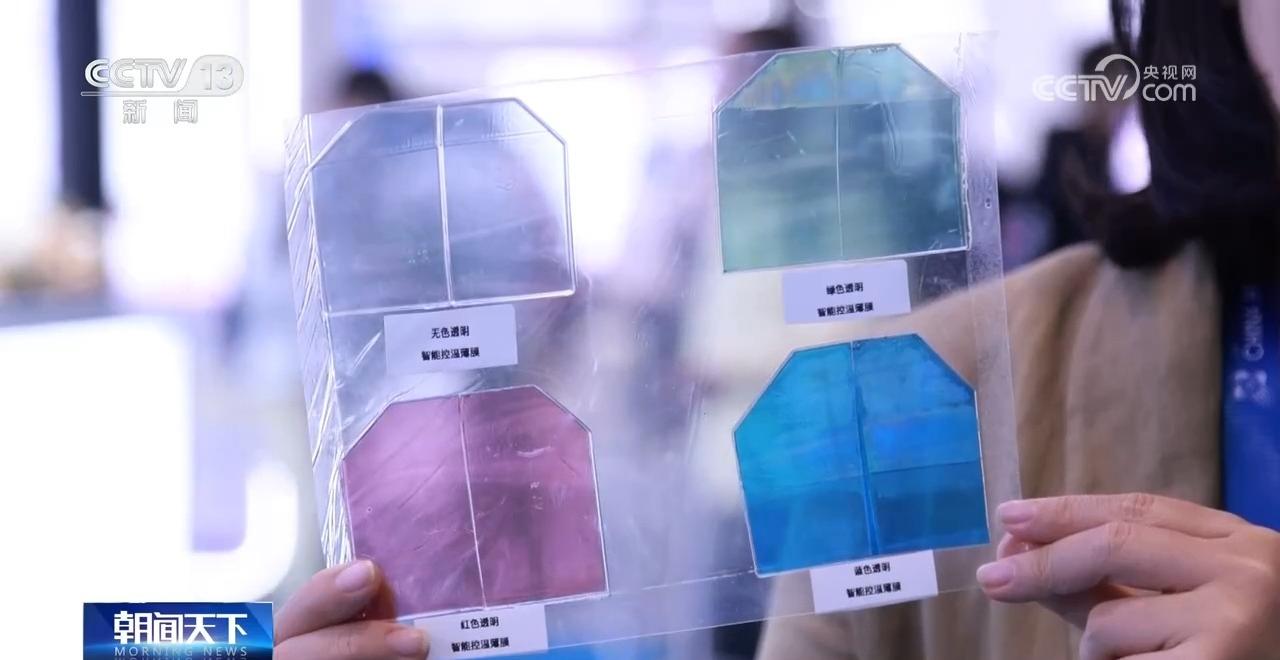
Group 1 - The event showcased over a hundred universities and research institutions presenting cutting-edge research achievements, including a zero-power intelligent temperature control film that can provide "warm in winter and cool in summer" solutions, indicating significant potential in various fields such as building carbon reduction and energy efficiency [1] - The intelligent temperature control material can dissipate excess heat at high temperatures and switch to a warming mode when temperatures drop, with a cost controlled at approximately 100 yuan per square meter or lower [3] - A wearable AI device for predicting sudden cardiac death was also presented, addressing issues of discomfort and signal noise in traditional devices, and utilizing deep learning algorithms to accurately identify abnormal ECG features for early intervention in cardiovascular diseases [3] Group 2 - The new ECG device can collect data continuously for up to a week, compared to the traditional 24-hour collection period, and includes models for noise reduction to enhance signal quality [5]
南京大学最新Nature子刊:韦斯团队开发基于AI的分子结构生成器,应对多氟化合物危机
生物世界· 2025-11-15 01:06
Core Viewpoint - Exposomics is a discipline that studies all environmental exposure factors throughout an individual's life and their association with health, aiming to understand how external exposures influence disease occurrence, complementing genomics and metabolomics [2] Group 1: Research Development - The core challenge in exposomics is converting mass spectrometry data into chemical structures, complicating the tracking of millions of chemical substances in humans and the environment [3][6] - A research team from Nanjing University developed a Molecular Structure Generator (MSGo) that can directly generate chemical structures from mass spectrometry data, discovering unknown perfluorinated compounds in the exposome [6][7] Group 2: Methodology and Performance - MSGo utilizes a Transformer neural network trained on virtual spectral data, achieving a 48% correct identification rate of structures in the validation set and outperforming expert levels in detecting novel perfluorinated compounds in wastewater samples [6][7] - The application of probability-guided masking techniques on virtual spectral data is key to enhancing the performance of MSGo [6]