
半导体制造

Search documents
纳芯微2024年财报:营收增长49.53%,净利润亏损扩大至4.03亿
Jin Rong Jie· 2025-04-09 14:09
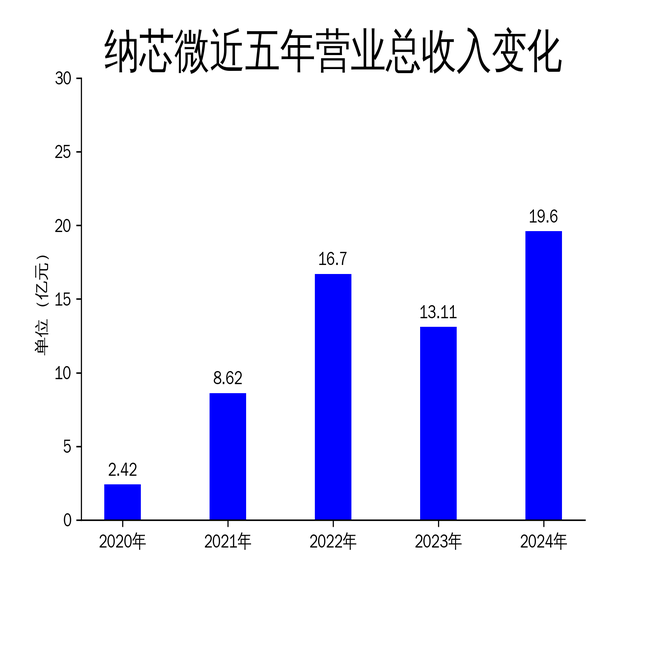
然而,营收的增长并未带来利润的同步提升。公司净利润亏损扩大至4.03亿元,扣非净利润更是达 到-4.57亿元。这一现象反映出公司在市场竞争中的价格压力以及成本控制的不足。尽管公司在研发、 市场开拓和供应链体系建设等方面投入了大量资源,但这些投入在短期内并未转化为利润,反而加剧了 亏损。 2025年4月9日,纳芯微发布2024年年报。报告显示,公司全年实现营业总收入19.60亿元,同比增长 49.53%;然而,归属于上市公司股东的净利润为-4.03亿元,同比亏损扩大31.95%。尽管营收表现亮 眼,但净利润的持续下滑暴露出公司在成本控制和市场竞争中的严峻挑战。 营收增长背后的隐忧 纳芯微2024年营收达到19.60亿元,同比增长49.53%,主要得益于汽车电子领域的强劲需求。新能源汽 车渗透率的提升,带动了公司相关产品的放量。此外,麦歌恩磁传感器产品的出色表现也为营收增长贡 献了力量,其在2024年11月至12月期间实现营业收入7318.72万元。 2024年,纳芯微完成了对麦歌恩的战略收购,并通过深度整合实现了产品品类和技术矩阵的横向拓展。 麦歌恩的加入为公司带来了工业编码器、开关与锁存器、线性位置传感器等多 ...


英特尔18A良率,新进展
半导体芯闻· 2025-04-09 10:46
如果您希望可以时常见面,欢迎标星收藏哦~ 来源:内容编译自 cnyes ,谢谢。 知名投资机构KeyBanc Capital Markets 分析师John Vinh 发布报告指出,英特尔在最新的尖端制 程工艺Intel 18A 技术取得了积极的进展,并有望获得任天堂(Nintendo)的GPU 订单。 John Vinh 表示,Intel 18A 预计在2025 年下半年由Panther Lake 率先采用,其包括良率和缺陷 密度在内的KPI 正朝着正确的方向发展,并且处于可接受的水平。 今年2 月下旬,英特尔透过官网正式上线了对于其最尖端的Intel 18A 制程工艺的介绍,并称其已 经「准备就绪」。 参考链接 https://news.cnyes.com/news/id/5930537 点这里加关注,锁定更多原创内容 *免责声明:文章内容系作者个人观点,半导体芯闻转载仅为了传达一种不同的观点,不代表半导体芯闻对该 观点赞同或支持,如果有任何异议,欢迎联系我们。 根据官网的介绍,Intel 18A 采用了RibbonFET 环栅(GAA) 晶体管技术,可实现电流的精确控 制,同时还率先采用了业界首创的Po ...


港股收盘(04.09) | 恒指收涨0.68% 大消费股、半导体股走势强劲 中芯国际(00981)大涨超10%
智通财经网· 2025-04-09 08:53
智通财经APP获悉,港股今日低开高走,三大指数午后强势拉红,恒科指数一度涨超3%。南向资金持 续加码托举大市,全日净买额超355亿港元,创历史最高单日净买入纪录。截止收盘,恒生指数涨 0.68%或136.81点,报20264.49点,全日成交额4123.85亿港元;恒生国企指数涨1.41%,报7535.68点; 恒生科技指数涨2.64%,报4689.19点。 银河证券指出,中长期来看,港股市场配置价值较高的三大主线分别是:第一,在国内扩内需、稳消费 等政策刺激下,消费行业业绩有望继续改善,从而促进当前估值水平处于历史中低水平的消费股上涨。 第二,科技政策支持与产业趋势将迎来共振,相关公司业绩改善预期较强,科技板块有望持续上涨。第 三,港股高股息策略仍具备吸引力,尤其是积极进行市值管理的央企高股息标的。 蓝筹股表现 小米集团-W(01810)表现亮眼。截至收盘,涨7.71%,报41.9港元,成交额274.28亿港元,贡献恒指87.55 点。汇丰研究报告指出,小米受美国关税政策的影响小于苹果的供应商,因为其对美国市场的依赖极 低,而且其产品定位对于不确定的经济前景更具防御性。大和认为,近期小米集团的股价在车祸和配 ...


上海硅产业集团股份有限公司 关于发行股份及支付现金购买资产并募集配套资金暨关联交易事项的进展公告
Zhong Guo Zheng Quan Bao - Zhong Zheng Wang· 2025-04-08 23:06
登录新浪财经APP 搜索【信披】查看更多考评等级 本公司董事会及全体董事保证本公告内容不存在任何虚假记载、误导性陈述或者重大遗漏,并对其内容 的真实性、准确性和完整性依法承担法律责任。 2025年3月7日,公司召开第二届董事会第二十六次会议和第二届监事会第十四次会议,审议通过了《关 于公司发行股份及支付现金购买资产并募集配套资金暨关联交易方案的议案》《关于〈上海硅产业集团 股份有限公司发行股份及支付现金购买资产并募集配套资金暨关联交易预案〉及其摘要的议案》等与本 次交易相关的议案,具体内容详见公司于2025年3月8日披露在上海证券交易所网站的相关公告。 根据相关规定,经向上海证券交易所申请,公司股票(证券简称:沪硅产业,证券代码:688126)于 2025年3月10日开市起复牌,具体内容详见公司于2025年3月8日披露的《上海硅产业集团股份有限公司 关于披露发行股份及支付现金购买资产并募集配套资金暨关联交易预案的一般风险提示暨公司股票复牌 的公告》(公告编号:2025-013)。 自预案披露以来,公司及其他相关方正在积极推进本次交易的相关工作。截至本公告披露日,本次交易 所涉及的尽职调查、审计、评估等工作正在 ...

台积电熔断!
国芯网· 2025-04-07 13:18
国芯网[原:中国半导体论坛] 振兴国产半导体产业! 不拘中国、 放眼世界 ! 关注 世界半导体论坛 ↓ ↓ ↓ 4月7日消息,受特朗普抛出的"对等关税"政策影响,中国台湾地区股票交易市场出现 "跳水式暴 跌", 台积电 开盘近下跌10%, 触发台股熔断机制! 今日是台湾地区清明连假结束后的首个台股交易日,据台媒报道,开盘后台股便出现"跳水式暴 跌"。大盘一开盘便狂泻2000点,不仅失守具有象征意义的2万点重要关卡,还创下了台股史上"最 大开盘跌点纪录"。 台积电开盘跳空跌停价848元,为去年8月初以来低位,也是 16 年 4 个月以来首次开盘即跳空跌 停。台积电上一次盘中触及跌停是2024年8月 5 日,因美股收黑走低。上一次开盘即跳空跌停是 16 年 4 个月前的 2008 年 12 月 2 日,当时次级房贷危机引发全球金融海啸。 据报道,岛内"三大权值股"台积电、鸿海、联发科同步亮灯跌停,电子、AI、金融等板块全面溃 散,盘面血流成河。 岛内有机构表示,美国政府4月2日公布关税政策不仅冲击全球股市、引发多个经济体表态反制,全 球贸易战升温,市场担忧美国经济未来发展打击美股与台股投资人信心,不利台股近期表现 ...
HBM,占半壁江山了
半导体芯闻· 2025-04-07 11:07
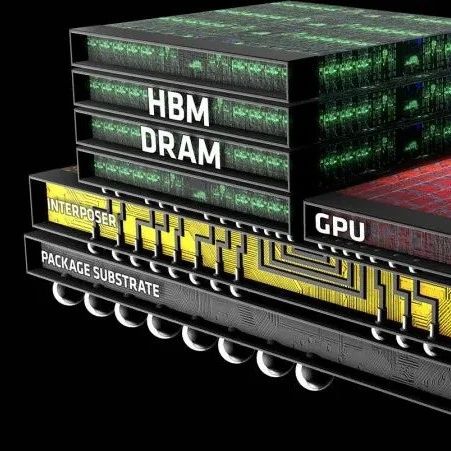
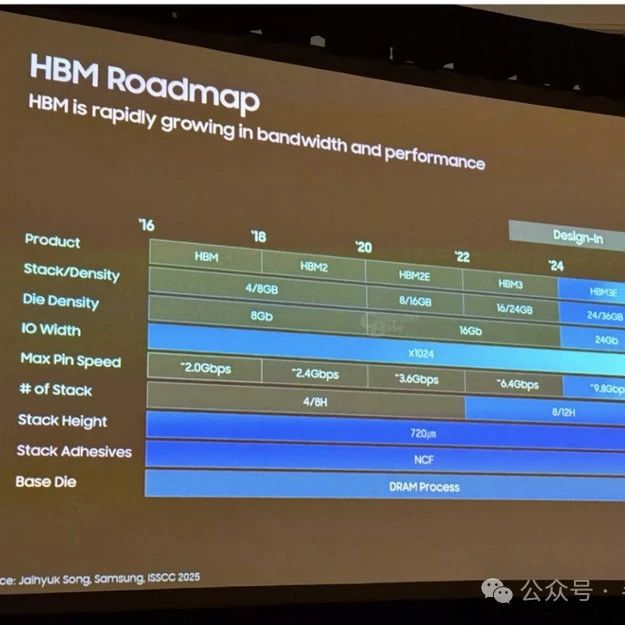
Group 1 - SK Hynix plans to maintain its overwhelming technological leadership in the High Bandwidth Memory (HBM) market by launching next-generation products, including HBM4E [1][2] - The company will begin mass production of the sixth generation HBM, HBM4 12-layer products, this year, followed by timely supply of the seventh generation HBM4E [1] - HBM's share in SK Hynix's overall DRAM sales is rapidly increasing, expected to exceed 50% this year, up from over 40% in the fourth quarter of last year [2] Group 2 - SK Hynix has already sold out its HBM shipments for this year and anticipates potential early sell-out in the first half of next year, which will include both HBM3E and HBM4 12-layer products [2] - The company emphasizes the importance of customized HBM solutions to meet diverse market demands, reflecting a commitment to customer-specific needs [1]
美国SiC,难兄难弟
半导体行业观察· 2025-04-04 03:46
Core Viewpoint - Silicon Carbide (SiC) is recognized as a transformative material in the electric vehicle and renewable energy sectors, but major US players like Onsemi and Wolfspeed are facing significant challenges due to market demand slowdown and intense competition from Chinese firms [2][19]. Group 1: Onsemi's Challenges and Transformation - Onsemi reported disappointing Q4 2024 earnings with revenue of $1.72 billion, a nearly 15% year-over-year decline, significantly below analyst expectations [4]. - The company anticipates further revenue decline in Q1 2025, projecting between $1.35 billion and $1.45 billion, lower than the market expectation of $1.69 billion [4]. - Onsemi's stock has plummeted over 37% in 2024, reflecting deep market concerns about its fundamentals [4]. - The company is facing fierce competition from Chinese and European SiC manufacturers, which pressures its cost and technology [7]. - To address these challenges, Onsemi is implementing a restructuring plan that includes a 9% workforce reduction, expected to incur costs of $50 million to $60 million in 2025 [7][8]. - Onsemi is pursuing growth through acquisitions, including a $1.15 billion purchase of Qorvo's SiC JFET business and a proposed $6.9 billion acquisition of Allegro Microsystems to enhance its technology in automotive and industrial markets [8][19]. - The company is transitioning to a Fab-lite model, integrating nine factories and focusing on higher-margin chip self-manufacturing to improve efficiency and reduce costs [8]. Group 2: Wolfspeed's Survival Crisis - Wolfspeed, once a pioneer in wide bandgap semiconductors, is now facing a severe survival crisis due to aggressive capital expenditures and operational losses [9][10]. - The company reported revenues of less than $900 million in 2024, with a net loss exceeding $600 million, and carries over $5 billion in net debt [10][12]. - Wolfspeed's ambitious investments in 200mm SiC wafer technology have led to cash flow depletion, with production facing significant delays and low yield rates [10][12]. - The company has drastically cut its 2026 capital expenditure forecast from $1.2 billion to $300 million and halted a $3 billion factory project in Germany, indicating a retreat from aggressive expansion plans [13][14]. - Despite signing supply agreements with major EV manufacturers, Wolfspeed's outlook is clouded by delayed orders and competitive pressures from Chinese firms [13][14]. - The company is seeking $750 million in funding through the CHIPS Act, but political uncertainties raise doubts about the realization of this funding [14][19]. Group 3: Structural Challenges in the US SiC Market - Both Onsemi and Wolfspeed are experiencing a mismatch between capital and demand cycles, having made aggressive investments during the 2021-2023 boom, only to face declining EV demand in 2024 [16]. - The rise of domestic SiC companies in China is intensifying competition, with firms like Tiankong Heda and BYD Semiconductor rapidly closing the technology gap while leveraging cost advantages [16][17]. - Despite support from the CHIPS Act, US companies face policy uncertainties and inefficiencies that hinder the formation of a competitive industry cluster compared to China's integrated supply chain strategy [17]. - The future of the SiC market will increasingly depend on technological innovation, production efficiency, and cost control capabilities as demand continues to grow amid global energy transitions [17].


下一代HBM:三大技术,定生死!
半导体行业观察· 2025-04-03 01:23
Core Viewpoint - SK Hynix emphasizes that the commercialization of the next generation of HBM (High Bandwidth Memory) requires technological advancements across various fields, particularly in power efficiency, and closer collaboration with major foundries is expected [1][3]. Group 1: Development Focus of HBM - SK Hynix's next generation HBM development focuses on three main tasks: bandwidth, power, and capacity [3]. - The bandwidth is a critical measure of data transfer speed, with the number of I/O ports for HBM4 expected to double compared to HBM3E, reaching 2,048 [3]. - Future HBM is anticipated to improve in power consumption and capacity, with the number of DRAM stacks expected to increase from a maximum of 12 to 16 or even 20 layers [3][4]. Group 2: Challenges in HBM Production - To stack more layers of the next generation HBM within a limited height specification of 775 micrometers, the spacing between each DRAM must be reduced [4]. - SK Hynix is advancing hybrid bonding technology, which connects DRAMs directly without bumps, thus reducing chip thickness and improving power efficiency [4][5]. - However, hybrid bonding faces challenges in commercialization due to high technical difficulty and issues with mass production and reliability [5]. Group 3: Competitive Landscape - Samsung has successfully produced 16-layer stacked HBM3 memory using hybrid bonding technology and plans to mass-produce HBM4 using this technology [6][8]. - Micron Technology is on track with its HBM4 development, expecting to start mass production in 2026, with HBM4E following shortly after [12]. - Micron's HBM4 will utilize 1β (5th generation 10nm class) DRAM technology, integrating up to 16 DRAM chips per stack, each providing 32 GB capacity, with a peak bandwidth of 1.64 TB/s [12][13]. Group 4: Future Projections - The HBM4 and HBM4E are seen as crucial for the ongoing expansion of AI performance, with expectations for significant improvements in density and bandwidth [22]. - Nvidia's upcoming AI accelerators are projected to utilize HBM4 technology, with the Rubin Ultra expected to feature up to 1TB of memory capacity [20][22]. - The competitive landscape is intensifying, with both Samsung and SK Hynix planning to adopt advanced foundry processes for HBM4 production, aiming for enhanced performance and efficiency [16][17].

中芯国际重要公告!
国芯网· 2025-04-02 12:16
Core Viewpoint - The recent reduction in shareholding by the National Integrated Circuit Industry Investment Fund (大基金) in SMIC marks the first decrease in nearly four years, with its stake dropping from 7.05% to 6.91% [2][5]. Group 1: Shareholding Changes - The shareholder Xin Xin (Hong Kong) Investment Co., Ltd., a wholly-owned subsidiary of the National Fund, has seen a change in its equity stake in SMIC [5]. - The National Fund initially invested in SMIC in 2015, acquiring 4.7 billion shares, and held 15.76% of the company before its listing on the STAR Market [5]. - The last reduction in shareholding by the National Fund occurred in the second quarter of 2021, and since then, the number of shares held remained unchanged until the recent reduction [5]. Group 2: Market Reactions and Implications - Analysts suggest that the recent reduction may be a normal capital recovery operation by the National Fund, allowing for reinvestment into more promising semiconductor sectors or emerging companies [6]. - Concerns have been raised among investors regarding the impact of this reduction on SMIC's financial status, R&D progress, and market confidence, especially given the competitive landscape and challenges such as technology blockades and supply uncertainties [6].
台基股份: 募集资金存放与使用情况鉴证报告
Zheng Quan Zhi Xing· 2025-04-02 11:33
Core Viewpoint - The report provides a comprehensive overview of Hubei Taiji Semiconductor Co., Ltd.'s fundraising activities, detailing the management and utilization of raised funds in accordance with regulatory requirements, confirming that the funds have been used appropriately and effectively [1][2][3]. Fundraising Overview - The company raised a total of RMB 619.5 million through its initial public offering (IPO) in 2010, with a net amount of RMB 588.05 million after deducting underwriting fees and other expenses [3][4]. - As of December 31, 2024, the company has cumulatively invested RMB 727.28 million from the raised funds into various projects [4][5]. Fund Management - The company has established a dedicated management system for the raised funds, ensuring they are stored in special accounts and used strictly for designated purposes [5][6]. - The company has opened special accounts at several banks and has implemented a three-party supervision agreement to ensure compliance with fund usage regulations [5][6]. Fund Utilization - The company has utilized RMB 7.06 million of the raised funds in the current year, with a total cumulative investment of RMB 72.73 million in various projects [8][9]. - The company has also generated interest income of RMB 139.23 million from the raised funds as of December 31, 2024 [4][9]. Changes in Fund Projects - The company has focused on its core business of power semiconductors, resulting in the transfer of 88% of its stake in Beijing Bian Spring Film and Television Co., Ltd. in 2021, with the remaining funds being permanently allocated to working capital [8][10]. - There have been no significant changes in the location or method of implementation for the fundraising projects during the reporting period [10]. Compliance and Reporting - The company has ensured that all disclosures regarding the storage and usage of raised funds are timely, truthful, accurate, and complete, adhering to regulatory requirements [9][10].
