
农业科技

Search documents
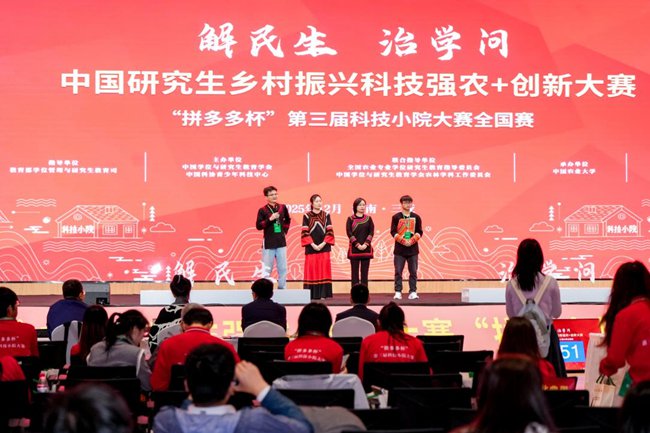
“拼多多杯”第三届科技小院大赛落幕 六支队伍荣获一等奖
Xin Lang Cai Jing· 2026-01-04 07:36
Core Insights - The "Pinduoduo Cup" Third Technology Courtyard Competition concluded successfully, focusing on transforming classroom theories into practical agricultural solutions for rural revitalization and agricultural strength [1][3] - The competition involved 247 teams from 87 graduate institutions, with 22 teams advancing to the finals, showcasing significant student innovation in addressing real agricultural issues [1][2] Group 1: Competition Overview - The competition theme was "Solving Livelihood Issues, Addressing Academic Questions," aimed at providing talent and technological support for rural revitalization [1] - The event featured a new competition format with five tracks, allowing for comprehensive exchanges and displays among participating teams [10][11] - The "Academician Flying Team" was introduced to enhance the evaluation process by providing direct insights into the students' work in the field [10][11] Group 2: Pinduoduo's Role - Pinduoduo has been a key supporter of the competition since 2020, facilitating project implementation and agricultural product sales through its platform [2][11] - The company launched a "billion support" plan to assist in the development of agricultural technology and promote youth entrepreneurship [11][12] - Pinduoduo's involvement has led to significant market breakthroughs for products developed by the technology courtyards, enhancing sales and creating job opportunities in local communities [4][7][8] Group 3: Success Stories - The Hebei Quzhou Liu Village Technology Courtyard successfully established a company to address low profitability in high-quality wheat cultivation, leading to increased local income [2][4] - The Sichuan Ebian Bamboo Technology Courtyard developed a comprehensive production model, significantly increasing bamboo yield and creating innovative bamboo products that gained national attention [6][10] - The success of these projects illustrates the effective integration of agricultural innovation with market strategies, resulting in sustainable income sources for local farmers [7][8][11]


12位科学家走红毯 湖北新年“第一会”继续聚焦科技创新
Di Yi Cai Jing· 2026-01-04 06:41
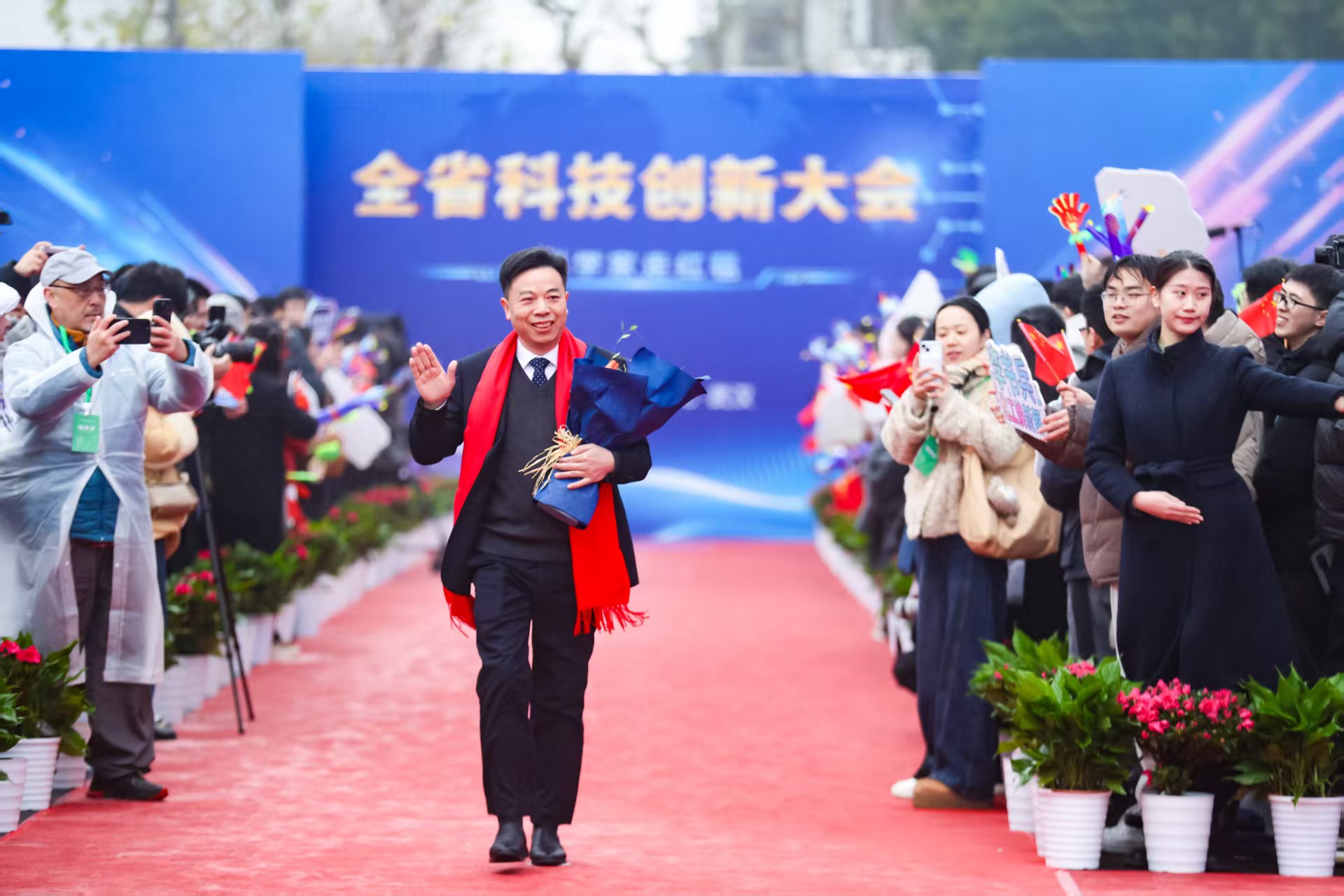
Group 1 - The 2026 Hubei Provincial Science and Technology Innovation Conference was inaugurated with a red carpet event featuring 12 prominent scientists, highlighting the province's commitment to innovation [1][2] - New academicians from Hubei, including Yinzhuoping and Tang Huiming, have made significant contributions in fields such as display manufacturing and landslide prevention, showcasing the province's scientific talent [2][3] - Hubei has seen a record number of 11 scientists elected as academicians in 2025, indicating a strong intellectual foundation for innovation [2] Group 2 - Emerging innovative forces include teams from Huazhong Agricultural University and Wuhan University, which have developed groundbreaking technologies in areas like aquaculture and organic silicon production, contributing to environmental sustainability and economic benefits [3][4] - Hubei ranks first in central China for innovation levels, with significant advancements in basic research and core technologies, such as the development of a 100nm silicon-based GaN RF PDK [4][6] - The province has established numerous national and regional innovation platforms, with expectations to add over 5,000 high-tech enterprises by 2025, reflecting a robust growth trajectory in technology commercialization [3][6] Group 3 - Hubei's industrial R&D institution coverage has increased significantly, from 12.96% in 2020 to 31.8%, indicating a growing emphasis on research and development within the industrial sector [6] - The province aims to enhance its original innovation capabilities and establish a nationally influential science and technology innovation center in Wuhan, focusing on collaborative innovation between enterprises and research institutions [6]
12位科学家走红毯,湖北新年“第一会”继续聚焦科技创新
Di Yi Cai Jing· 2026-01-04 06:31
Core Insights - Hubei Province has achieved a historic high with 11 scientists being elected as new academicians in the 2025 "Two Academies" selection, marking a significant milestone in the region's scientific community [4] Group 1: New Academicians and Their Contributions - New Chinese Academy of Sciences academician Yin Zhouping has developed inkjet printing equipment for display manufacturing and advanced bonding technology for chip manufacturing, contributing to the integrated circuit industry [3] - New Chinese Academy of Sciences academician Tang Huiming has established an integrated landslide prevention system, shifting disaster response from post-disaster rescue to pre-disaster warning [3] - New Chinese Academy of Engineering academician Liu Quansheng has created innovative results in deep resource development, generating over 20 billion yuan in economic benefits across more than 40 major national projects [3] Group 2: Emerging Innovations and Achievements - The Hubei Province has a strong educational foundation, with a high number of national science and technology awards and numerous key laboratories, contributing to a robust innovation ecosystem [5] - Significant breakthroughs in key technologies include the development of a 100nm silicon-based gallium nitride RF PDK and intelligent shield tunneling adaptive control technology [6] - The "Wuhan No. 1" satellite, developed by Wuhan University, has achieved positioning accuracy better than 5 meters, with weight and cost significantly lower than comparable international satellites [7] Group 3: Future Directions and Goals - Hubei aims to enhance its original innovation capabilities and establish a major technology infrastructure cluster, positioning Wuhan as a nationally influential technology innovation center [8] - The province plans to promote collaborative innovation between enterprises and research institutions, implementing favorable policies for R&D expenses and enhancing the commercialization of scientific achievements [8] - Hubei's industrial enterprises' R&D institution coverage has increased from 12.96% in 2020 to 31.8% currently, indicating a growing commitment to technological advancement [7]
荆楚提升创新策源力——湖北加快打造科技创新高地
Xin Hua Wang· 2026-01-04 02:45
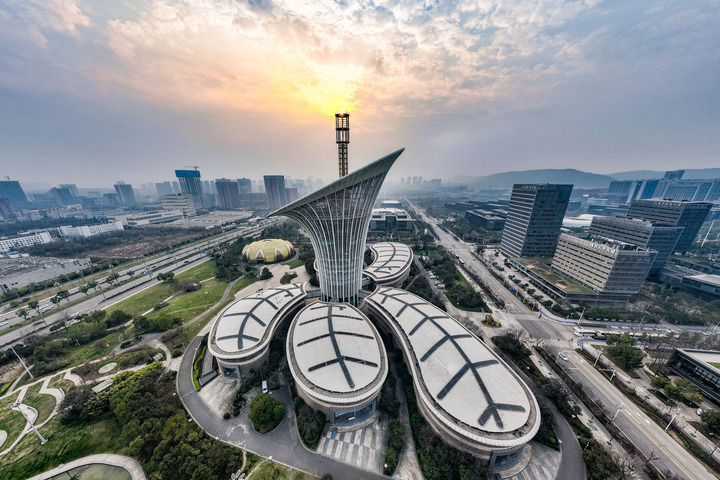
Group 1 - Hubei is accelerating the establishment of a nationally influential technology innovation hub, enhancing its innovation capabilities to support the construction of a strong technology nation [1][3] - The discovery of a key gene that enables rice to withstand high temperatures has been recognized as a significant scientific breakthrough, providing new strategies for cultivating high-quality, heat-resistant rice [3][4] - Hubei has established a robust matrix of high-energy scientific forces, including a national laboratory and numerous key laboratories, contributing to its leadership in various research fields [4][5] Group 2 - Hubei's comprehensive technology innovation index has increased by 6.98 percentage points since 2020, ranking first in Central China and among the top in the nation [5][8] - The province has initiated the construction of provincial-level manufacturing pilot platforms, fostering a collaborative ecosystem for research and innovation among over 300 enterprises, universities, and research institutions [8][10] - The "Sharp Knife" project has successfully transformed 42 technological achievements into products, with a significant portion achieving international advanced levels [7][10] Group 3 - Hubei's industrial enterprises' R&D institution coverage has risen from 12.96% in 2020 to 31.8%, indicating a strong focus on innovation [12] - The number of technology-based small and medium-sized enterprises in Hubei has surged from 7,439 at the end of the 13th Five-Year Plan to 46,532, ranking fourth in the nation [12][13] - Hubei aims to become a crucial strategic support point for the rise of Central China, with a strong emphasis on technology innovation as the primary driving force for development [13]
研报掘金|中金:中央农村工作会议近日召开,推荐温氏股份、海大集团等养殖产业龙头
Ge Long Hui A P P· 2026-01-02 03:59
Core Viewpoint - The Central Rural Work Conference held on December 29-30, 2022, emphasizes the importance of stabilizing grain and oil production, reflecting increased policy focus on oilseed crops due to high external dependence [1] Group 1: Agricultural Policy and Strategy - The conference highlights the need to enhance agricultural technology and equipment to support comprehensive production capacity under constraints of arable land and labor resources [1] - It stresses the importance of expanding farmers' participation in industrial development and improving the mechanism for linking farmers with agricultural enterprises [1] Group 2: Industry Recommendations - The report recommends leading companies in the livestock industry, including Wens Foodstuff Group, Haida Group, Dekang Agriculture, and Shengnong Development, with target prices of 25 yuan, 62 yuan, 111 HKD, and 22 yuan respectively, rated as "outperforming the industry" [1] - It also suggests agricultural technology leaders such as Longping High-Tech and Topcloud Agricultural Technology, with target prices of 12 yuan and 130 yuan, rated as "outperforming the industry" [1]

潍坊马上红: 产业骏马齐奔腾,潍坊双向赋能启新程
Xin Lang Cai Jing· 2026-01-02 02:41
Core Viewpoint - Weifang is poised to become a trillion-yuan city during the "15th Five-Year Plan" period, aiming to establish itself as a significant economic growth hub in northern China and a model for the integration of modern agriculture and advanced manufacturing [1][12]. Group 1: Economic Development Goals - Weifang aims to enter the ranks of trillion-yuan cities and become a regional sub-center city during the "15th Five-Year Plan" [1]. - The city is focusing on becoming a national model for the integration of modern agriculture and advanced manufacturing [1][12]. Group 2: Advanced Manufacturing Growth - Weifang's high-tech output in its high-tech zone reached 90.9%, with R&D investment accounting for 7.4% of GDP [5]. - The city has established four trillion-yuan industrial clusters in power equipment, new-generation information technology, food industry, and high-end chemicals [5]. - Weifang has been recognized as a top 100 park for high-quality development and advanced manufacturing [5]. Group 3: Agricultural Innovation - Weifang has developed advanced agricultural technologies, including AI systems for real-time monitoring and optimization of crop growth [9]. - The city has achieved a significant reduction in reliance on imported vegetable seeds, moving from 70% dependence to 70% self-research [10]. - Weifang is recognized as a national model city for modern facility agriculture, with a focus on technological innovation in agriculture [10]. Group 4: Talent and Innovation Ecosystem - The city has established long-term cooperation mechanisms with numerous research institutions and universities, enhancing the talent pool in high-tech sectors [6]. - Weifang has 2,239 high-tech enterprises and 4,036 technology-based SMEs, with high-tech industries accounting for 61.39% of the city's output [6]. Group 5: Future Development Plans - The city plans to accelerate project construction and improve the business environment, focusing on rural revitalization, urban renewal, and marine economy [11]. - Weifang aims to strengthen its position as a national agricultural modernization model and a city of advanced manufacturing during the "15th Five-Year Plan" [12][13].

从黄河口到天山下,山东盐碱地治理方案让3000万亩地破“碱”重生
Da Zhong Ri Bao· 2026-01-02 01:10
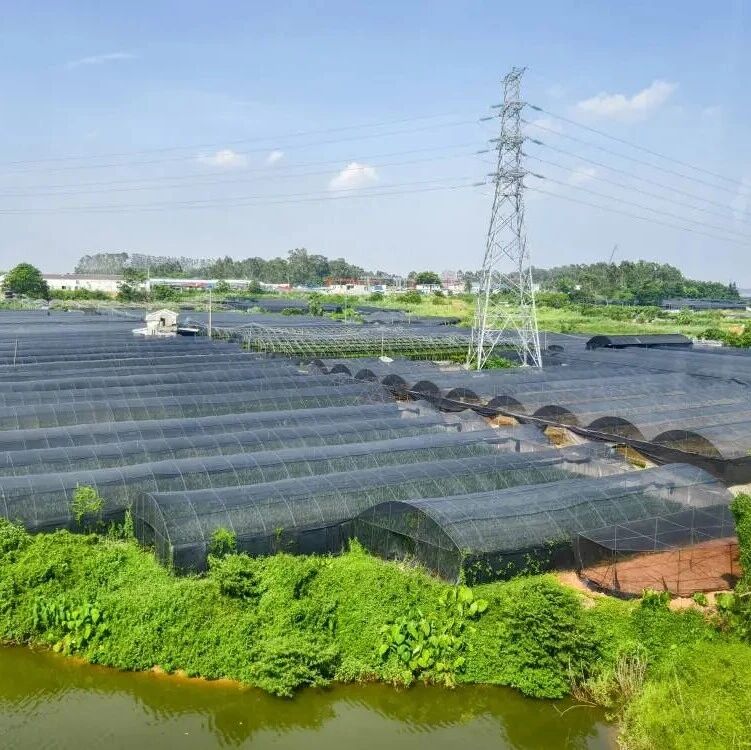
Core Insights - The article discusses the successful implementation of a saline-alkali land management program in Shandong, China, which has transformed 30 million acres of previously barren land into productive agricultural areas [2][3][4] Group 1: Saline-Alkali Land Management - The National Saline-Alkali Land Comprehensive Utilization Technology Innovation Center has reported a significant increase in the area of saline-alkali land management, reaching 30 million acres [2] - Shandong has completed a pilot project for the comprehensive utilization of saline-alkali land, adding and transforming 15.07 million acres of arable land, which is expected to yield an additional 7.3 million jin of grain annually [2][3] - The total saline-alkali land in China is approximately 1.5 billion acres, with 500 million acres having potential for development [5][6] Group 2: Technological Innovations - The article highlights the innovative techniques developed for managing saline-alkali soils, including the use of plastic membranes and vacuum pumps to reduce soil salinity from 12-16‰ to around 3‰ [9] - The National Saline-Alkali Land Comprehensive Utilization Technology Innovation Center has successfully bred 87 new varieties of salt-tolerant crops, significantly accelerating the breeding process [11][10] Group 3: Economic Potential and Crop Diversity - The article emphasizes the economic potential of saline-alkali land, showcasing the successful cultivation of economically valuable crops such as goji berries, which can yield up to 5,000 yuan per acre in their fourth year [18] - The Shandong saline-alkali land management program is promoting a diversified approach to land use, including the cultivation of medicinal herbs and the development of renewable energy sources in severely saline areas [19][20] Group 4: National and Global Implications - The initiative in Shandong represents a significant national effort to address food security and agricultural productivity in the face of global challenges, including hunger and limited arable land [4][6] - The techniques and innovations developed in Shandong are being replicated in other regions of China, such as Inner Mongolia and Gansu, demonstrating the program's scalability and potential for broader application [15][16]
经济大省挑大梁丨江苏南京:跃马扬鞭开新局 砥砺奋斗创未来
Xin Lang Cai Jing· 2026-01-01 14:36
Group 1 - President Xi Jinping's New Year message emphasizes the importance of innovation for high-quality development, resonating with the logistics industry, particularly with companies like Yunmanman that leverage AI to improve efficiency in freight matching [5] - The agricultural sector is highlighted as a key area for technological empowerment, with companies collaborating with research institutions to introduce new vegetable varieties and modern farming techniques, thereby increasing production efficiency and farmer income [6] - The cultural and technology integration is identified as a core strategy for the film industry in Nanjing, aiming to enhance the quality of cultural content and promote local stories through innovative formats like micro-short films [8] Group 2 - The healthcare sector is encouraged to focus on grassroots medical services, with professionals committing to provide accessible healthcare and community support, reflecting the broader goal of improving public health and well-being [14] - The women's development sector is set to implement a comprehensive plan to enhance the welfare of women and children, focusing on education, economic empowerment, and legal rights, which aligns with the national development goals [12] - Community governance initiatives are being strengthened to improve local services and enhance the quality of life for residents, showcasing a commitment to modernizing community management and engagement [11]

21社论丨科技与产业双轮驱动,筑牢乡村振兴根基
21世纪经济报道· 2026-01-01 06:58
Core Viewpoint - The recent Central Rural Work Conference emphasizes the importance of strengthening key agricultural technologies and promoting efficient transformation of scientific achievements to address critical issues in rural development and modernize agriculture [1][2]. Group 1: Agricultural Modernization - The modernization of agriculture relies on technological innovation to enhance development momentum, with the agricultural science and technology contribution rate reaching 63.2% in 2024 and total grain production exceeding 1.4 trillion jin for the first time [1][2]. - Challenges remain in food security, agricultural production efficiency, and environmental resource issues that need urgent attention [1]. Group 2: Key Technology and Results Transformation - Key technology breakthroughs and results transformation are essential for transitioning agriculture to a "technology-driven" model, focusing on critical areas such as seed industry foundations and high-end agricultural machinery development [2]. - A collaborative transformation mechanism involving research institutions, leading enterprises, cooperatives, and farmers is crucial for addressing existing issues in technology promotion and acceptance [2]. Group 3: County-Level Prosperity Industries - Cultivating and expanding county-level industries is fundamental for broadening farmers' income channels and achieving common prosperity, with a focus on leveraging counties as key hubs connecting urban and rural areas [2][3]. - The potential for farmers' operating income can be maximized by exploring new channels for participation in industrial development, particularly in extending income sources beyond primary production [3]. Group 4: Synergy Between Technology and County Industries - Agricultural technology development and the cultivation of county-level industries are mutually supportive, with technological breakthroughs providing support for industry competitiveness and county industries offering practical applications for technological advancements [4]. - A robust policy support system is necessary to establish a "technology-industry-wealth" cycle, including increased financial investment in agricultural technology and infrastructure, innovative financial services, and improved rural governance [4][5].
3000万亩盐碱地用上山东“治碱方”
Da Zhong Ri Bao· 2026-01-01 01:53
Core Insights - The article discusses the successful implementation of a new technology for reclaiming saline-alkali land in Shandong, China, which has transformed 30 million acres of previously barren land into arable land [2][3] Group 1: Technology and Innovation - The National Saline-Alkali Land Comprehensive Utilization Technology Innovation Center has developed a new "saline-alkali treatment" technology that has been applied to 30 million acres, significantly increasing agricultural productivity [2][4] - A new method developed by Shandong Qianshun Soil and Water Management Technology Co., Ltd. involves creating a "barrier wall" with plastic film and using dual-layer "salt-absorption channels" to effectively reduce soil salinity from 12-16‰ to around 3‰ [3] - The center has established the first national accelerated breeding facility for salt-tolerant plants, resulting in the cultivation of 87 new salt-alkali resistant crop varieties [4] Group 2: Agricultural Impact - The reclamation efforts have led to the addition and transformation of 15.07 million acres of farmland, with an expected annual increase in grain production of 73 million pounds [2] - The successful cultivation of crops such as goji berries on previously saline-alkali land has demonstrated the economic potential, with farmers reporting earnings of 5,000 yuan per acre [2] - The initiative aims to expand beyond Shandong, with plans to establish three sub-centers and 16 experimental stations across China to tailor solutions for different soil types [4] Group 3: International Collaboration - The technology and methods developed in Shandong are attracting international interest, with individuals from countries like Kenya seeking to apply these techniques to their own saline-alkali lands [4]