科技小院

Search documents
新春见闻|探访阿波迪科技小院:中国春节“撞上”巴西狂欢节
Xin Lang Cai Jing· 2026-02-19 08:40
Group 1 - The Chinese Lunar New Year coincides with Brazil's Carnival, highlighting cultural exchange and collaboration between China and Brazil in agricultural technology [1][2] - The China-Brazil Family Agricultural Mechanization Technology Center project, initiated in November 2024, aims to enhance agricultural efficiency and reduce costs for local farmers in Brazil [1][2] - The project has already demonstrated significant results, with Chinese agricultural machinery helping local farmers reduce work time by 80% and production costs by 60-80% [1][2] Group 2 - Local farmers and agricultural experts in Apodi celebrate the Lunar New Year with cultural activities, fostering community engagement and collaboration [2] - The project aligns with Brazil's poverty alleviation goals, contributing to a reduction in the number of impoverished individuals from over 30 million to 10 million [2] - The technology center serves as a platform for agricultural research and cultural exchange, enhancing understanding between Chinese and Brazilian communities [3]
370个科技小院通过质量监测
Xin Lang Cai Jing· 2026-02-10 21:07
Core Viewpoint - The Ministry of Education, Ministry of Agriculture and Rural Affairs, and China Association for Science and Technology have announced the results of quality monitoring for agricultural professional degree graduate training units and technology small courtyards, with 42 training units and 370 technology small courtyards passing the quality assessment [1][2] Group 1 - "Technology small courtyards" represent a graduate training model where agricultural professional degree students are stationed in agricultural production lines to address practical issues in agriculture while completing theoretical studies [1] - The approved technology small courtyards cover various sectors including grain crops, animal husbandry, and food processing, with a focus on enhancing the quality of agricultural professional degree graduate training [1] - The three departments require training units to strengthen leadership in technology small courtyard construction, establish management systems, and optimize training programs to support the national rural revitalization strategy [1] Group 2 - Continuous support for technology small courtyard construction will be provided, including the establishment of a national service management platform and biannual quality monitoring to promote standardized construction and improve graduate training quality [2] - The integration of technology small courtyards with local agricultural technology promotion systems and farmer training is encouraged to meet local industry development needs [1]
郑军:推动科技小院从建起来到强起来
Jing Ji Ri Bao· 2026-02-10 00:07
Core Insights - The Ministry of Education, Ministry of Agriculture and Rural Affairs, and China Association for Science and Technology have jointly issued a notification to monitor the quality of agricultural graduate education institutions and technology small courtyards by 2025, marking the first quality assessment of these entities [1][2] Group 1: Development and Support of Technology Small Courtyards - Technology small courtyards have evolved from a grassroots practice initiated by China Agricultural University to a nationally advocated model, with the first systematic support document issued in 2022 [2] - The 2024 Central Document No. 1 includes provisions for supporting technology small courtyards to benefit rural communities [2] - Despite their potential, technology small courtyards face challenges such as a lack of sustainable mechanisms and risks of "hollowing out," relying heavily on the enthusiasm of founding experts and temporary project funding [2][3] Group 2: Mechanism, Localization, and Effectiveness - A stable and sustainable development ecosystem for technology small courtyards requires a multi-stakeholder governance model involving local governments, universities, leading enterprises, cooperatives, and village collectives [3] - The value of technology small courtyards lies in their ability to address local agricultural issues, necessitating a participatory approach to problem definition and technology adaptation [3][4] - An effective evaluation system focusing on long-term social contributions is essential, assessing industrial, social, educational, and academic impacts [4]
推动科技小院从建起来到强起来
Xin Lang Cai Jing· 2026-02-09 22:25
Core Insights - The Ministry of Education, Ministry of Agriculture and Rural Affairs, and China Association for Science and Technology have jointly issued a notification to monitor the quality of agricultural graduate education institutions and technology small courtyards by 2025, marking the first quality assessment of these entities [1][2] Group 1: Development and Support of Technology Small Courtyards - Technology small courtyards have evolved from a grassroots practice initiated by China Agricultural University to a nationally advocated model, with the first systematic support document issued in 2022 [2] - The 2025 Central Document emphasizes support for technology small courtyards to benefit rural areas and farmers [2] - Despite their growth, technology small courtyards face challenges such as a lack of sustainable mechanisms and risks of "hollowing out," relying heavily on the enthusiasm of founding experts and temporary project funding [2][3] Group 2: Mechanism, Localization, and Effectiveness - A stable and sustainable development ecosystem for technology small courtyards requires a multi-stakeholder governance community involving local governments, universities, leading enterprises, cooperatives, and village collectives [3] - The value of technology small courtyards lies in addressing local agricultural issues, necessitating a participatory approach to problem definition and technology adaptation [3][4] - An effective evaluation system focusing on comprehensive social contributions is essential, assessing industrial, social, educational, and academic impacts over the long term [4]
科技小院,扎根乡土茁壮生长(深阅读)
Ren Min Ri Bao· 2026-01-30 02:33
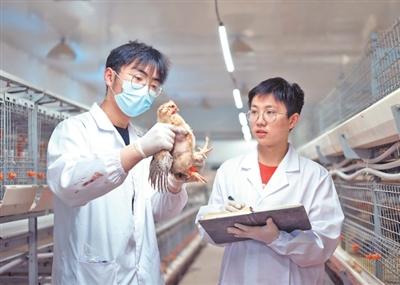
Core Viewpoint - The article highlights the integration of agricultural education and practical rural development through "Science and Technology Small Courtyards," which aim to enhance agricultural productivity and support rural revitalization in China [5][6]. Group 1: Science and Technology Small Courtyards - The "Science and Technology Small Courtyard" initiative promotes the combination of classroom learning and rural practice, fostering a love for agriculture and developing skills for agricultural advancement [5]. - In Hunan's Xifu Village, the establishment of a modernized breeding industry has attracted young talent, with the local agricultural university collaborating to enhance livestock research and production [6][7]. - The initiative has led to significant outcomes, including the training of over 1,500 local farmers and the establishment of multiple demonstration points, resulting in an increase in local income by over 18 million yuan [8]. Group 2: Specific Case Studies - In Guizhou's Qixingguan District, the establishment of a prickly pear technology small courtyard has improved local farmers' skills and increased planting efficiency, with over 8,000 farmers trained [9][10]. - The prickly pear cultivation area has expanded to over 3,400 acres, with a yield increase of 34.9% and a vitamin C content increase of 46.2%, generating an annual output value exceeding 7 million yuan [10]. - In Xinjiang's Bole City, a technology small courtyard focused on ecological restoration of desertified grasslands has successfully cultivated over 20,000 acres of land, improving grass yield and involving nearly 1,000 local herders [11][12].

科技小院,扎根乡土茁壮生长
Ren Min Ri Bao· 2026-01-29 23:08
Core Insights - The article emphasizes the integration of classroom learning with rural practice to cultivate a love for agriculture and develop skills for agricultural prosperity, as highlighted by President Xi Jinping's message to students at China Agricultural University [2] - The "Rural Comprehensive Revitalization Plan (2024-2027)" aims to promote agricultural education and production practice through initiatives like "Science and Technology Small Courtyards" [2] Group 1: Hunan Changsha County Xifu Village - The Xifu Science and Technology Small Courtyard has become a model for modern livestock industry development, attracting young talent and transforming the local economy [4] - The courtyard was established in 2018, utilizing pilot funds to build research facilities and has since hosted over 100 graduate students annually from Hunan Agricultural University [4][5] - The initiative has led to significant research outcomes, including a study on the growth patterns of meat chickens, which was successfully implemented by a local enterprise [4] Group 2: Guizhou Qixingguan District Longfeng Village - The establishment of the Qixingguan Pear Technology Small Courtyard has provided training to over 8,000 farmers, enhancing their skills and increasing the efficiency of pear cultivation [8] - The courtyard has developed a high-yield management system for pear farming, resulting in a 34.9% increase in yield and a 46.2% increase in vitamin C content, generating an annual output value exceeding 7 million yuan [8] - Local farmers, like Li Xingfa, have transformed into certified "technology farmers," helping others in the community with agricultural practices [7][8] Group 3: Xinjiang Bole City Grassland Ecological Restoration - The Bole Grassland Ecological Restoration Technology Small Courtyard focuses on selecting and cultivating native grass species to combat desertification and improve grassland quality [9][10] - The initiative has successfully increased vegetation coverage from 5%-15% to 60% and raised grass yield from 40 kg/mu to approximately 70 kg/mu [11] - Over 20,000 mu of land has been successfully planted, involving nearly 1,000 local herders in the planting and management processes, leading to increased income [11]
省政协委员阮云泽:科技小院赋能农业创新
Hai Nan Ri Bao· 2026-01-23 01:31
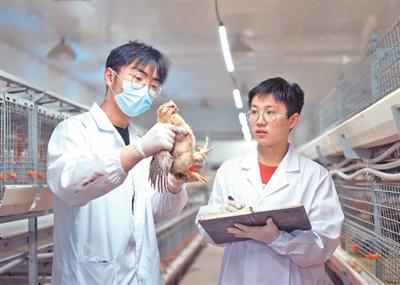
Core Insights - The article emphasizes the role of technology in supporting rural revitalization, highlighting the innovative practices emerging from "technology small courtyards" in Hainan [1][2][3] Group 1: Technology Small Courtyards - Technology small courtyards are becoming a significant force in rural revitalization, showcasing unique practical examples across Hainan [1] - Innovations in agriculture, such as effective waste management and organic fertilizer production, are being driven by collaborations within technology small courtyards [1] - The integration of technology, industry, and talent is crucial for the sustainability and effectiveness of these initiatives [2] Group 2: Systematic Approach to Rural Revitalization - Rural revitalization is described as a systematic project that requires strong technological support, organic industry linkage, and sustainable business models [2] - The focus is on creating a complete empowerment path that enhances product quality through technology and expands market access for farmers [2] - The significance of agricultural technology innovation is underscored, emphasizing the need for practical solutions that address real-world challenges [3] Group 3: Context of Hainan Free Trade Port - The construction of the Hainan Free Trade Port amplifies the importance of rural revitalization efforts [3] - Agricultural technology innovation must be grounded in local realities and respond to actual needs [3] - There is a call for talent development to be closely tied to practical experiences, ensuring that skills are honed in addressing genuine issues [3]
(乡村行·看振兴)福建长泰:当玉米地来了群“田秀才”
Xin Lang Cai Jing· 2026-01-13 11:31
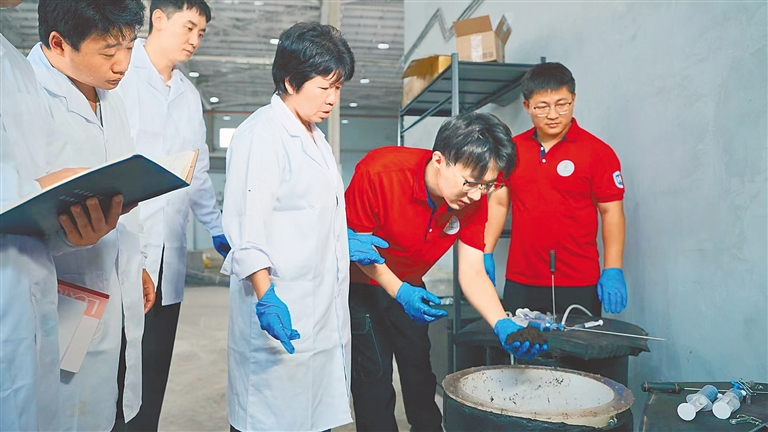
Core Viewpoint - The establishment of the "Technology Courtyard" in Changtai, Fujian, aims to improve agricultural practices and enhance the efficiency of sweet corn cultivation through innovative techniques and farmer education [1][2][3] Group 1: Agricultural Practices - The average fertilizer application in the region is 360 pounds per acre, significantly exceeding the recommended 180 pounds, leading to soil acidification and nutrient imbalance [1] - The introduction of "reduced fertilizer and increased efficiency technology" has resulted in cost savings of over 500 yuan per acre [1] - The "one-time fertilization technology" simplifies the traditional 3-4 applications per season to just 1-2, while also increasing planting density from approximately 2,500 to over 3,600 plants per acre, pushing yields beyond 3,000 pounds per acre [2] Group 2: Farmer Engagement and Education - The "Technology Courtyard" has conducted nearly 200 training sessions, reaching over 5,000 participants and promoting new agricultural techniques across approximately 5,000 acres [2] - The initiative focuses on guiding farmers to see reduced costs and stable yields before gradually introducing high-quality varieties and green technologies [2] - The program has successfully trained 106 innovative agricultural talents, with graduates contributing to local agricultural enterprises [3]
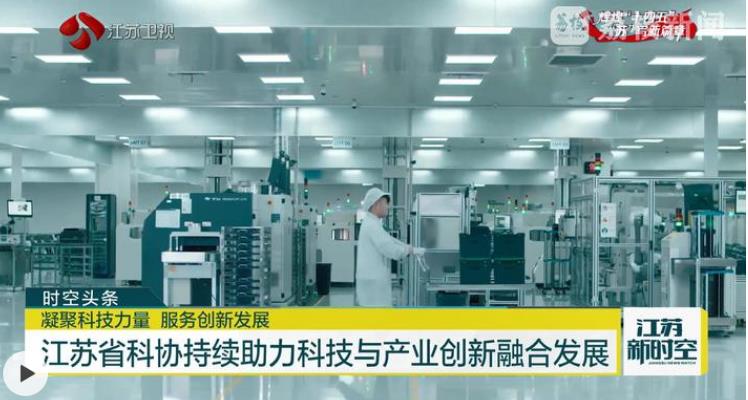
【辉煌“十四五” “苏”写新篇章】江苏省科协持续助力科技与产业创新融合发展
Xin Lang Cai Jing· 2026-01-13 09:25
Core Insights - Jiangsu Provincial Association for Science and Technology has played a pivotal role in promoting technological self-reliance and innovation over the past five years, leading initiatives that integrate technological and industrial innovation [2] - The establishment of technology small courtyards has significantly boosted agricultural productivity, with specific examples showing an increase in flower production from 300,000 to 500,000 stems [2] - The association has successfully connected research and industry, fostering the development of over ten new lily varieties and directly impacting nearly 100 households involved in the lily industry [2] Summary by Sections - **Technological Innovation and Agricultural Development** - Jiangsu has established 129 provincial-level technology small courtyards across 13 cities, covering over 30 agricultural sectors [2] - The technology small courtyards have been instrumental in enhancing agricultural practices, leading to increased economic benefits for farmers [2] - **Collaboration with National Academies** - The association has signed strategic cooperation agreements with 63 national academies, facilitating over 150 collaborations with provincial parks [2] - This initiative aims to enhance industry innovation capabilities and modernize industrial chains [2] - **Talent Development and Scientific Literacy** - Jiangsu has focused on building a talent pipeline, with 30 individuals elected as academicians in the past five years, ranking third nationally [2] - The province has supported 3,018 young talents in their research careers, contributing to a significant increase in the scientific literacy rate among citizens, now at 17.15% [2]
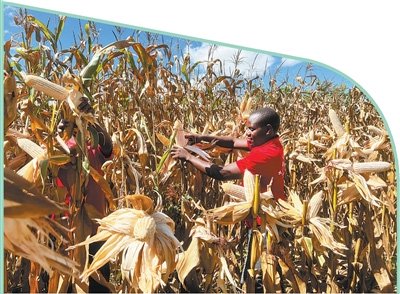
培养本土技术人才 赋能农业生产变革——科技小院,从中国创新走向全球推广
Xin Lang Cai Jing· 2026-01-12 08:45
Core Insights - The article discusses the impact of the China-Africa Agricultural Technology Centers, highlighting their role in enhancing agricultural productivity and training local farmers in Malawi, Zambia, and Brazil through innovative agricultural practices and technology transfer [14][15][20]. Group 1: Malawi Agricultural Technology Center - The Malawi China-Africa Agricultural Technology Center has implemented a model combining scientific research, technical training, and demonstration to improve local agricultural practices, significantly increasing maize yields and addressing food security [14][16]. - The project has trained over 100 students from 13 African countries, establishing six technology centers that cover 240 villages and 200,000 acres of farmland, with maize yields quadrupling in surrounding areas [16][17]. - Local farmers, such as Joyce Phiri, have seen substantial increases in crop yields and have begun sharing knowledge with their communities, demonstrating the project's success in fostering agricultural innovation [16][17]. Group 2: Zambia Soybean Technology Center - The Zambia Soybean Technology Center has achieved nearly a 40% increase in soybean yields, utilizing a closed-loop production model that integrates crops, fungi, and fertilizers [17][18]. - The center has established a 150-acre soybean demonstration base and trained over 300 individuals, creating a network of core soybean growers and enhancing local agricultural practices [18][19]. - Local farmers have adopted new techniques, leading to improved crop management and productivity, with a focus on practical, localized training methods [19]. Group 3: Brazil Agricultural Mechanization Technology Center - The China-Brazil Family Agricultural Mechanization Technology Center has significantly improved production efficiency, reducing labor time by 80% and production costs by 60%-80% through the introduction of Chinese agricultural machinery [20][21]. - The center has established two operational technology centers, with a focus on training local farmers and providing precise technical support to enhance agricultural practices [21][22]. - Collaborative efforts between Chinese and Brazilian institutions have fostered cultural exchange and the development of local agricultural talent, strengthening the agricultural sector in Brazil [22].