
消费电子

Search documents
CES中企展位最大面积背后:45岁的TCL,正站在全球化的新起点
Di Yi Cai Jing Zi Xun· 2026-01-07 07:03
Core Viewpoint - The China-Korea Business Forum held on January 5, 2026, highlighted the deepening economic cooperation between China and South Korea, with TCL as a key player in global market expansion and technological innovation [1][3]. Group 1: Economic Cooperation - The forum was attended by over 400 participants, including government officials and business leaders from both countries, emphasizing the importance of collaboration in various sectors [1]. - TCL aims to strengthen its global presence by collaborating with South Korean companies, particularly in technology-intensive industries [1][6]. - The cooperation between TCL and South Korean firms covers materials, equipment, and core electronic categories, enhancing supply chain stability [6][7]. Group 2: Technological Advancements - TCL is focusing on next-generation display technologies, including Mini LED and printed OLED, to enhance its product offerings and maintain competitive advantages [13][14]. - The company has made significant strides in AI integration, showcasing products like AI-powered air conditioners and AR glasses at CES [15][14]. - TCL's R&D efforts have led to breakthroughs in display technology, positioning the company as a leader in the global market [13][16]. Group 3: Market Position and Growth - TCL's global TV shipment volume is projected to reach 29 million units in 2024, ranking second worldwide, with a market share of 14.3% [16]. - The company has seen substantial growth in Mini LED TV shipments, with a year-on-year increase of 153.3% and a market share of 29.4% [16]. - TCL's strategic partnerships and technological advancements are expected to further enhance its market position and global influence [16].


CES中企展位最大面积背后:45岁的TCL,正站在全球化的新起点
第一财经· 2026-01-07 07:00
Core Viewpoint - The article highlights the deepening economic cooperation between China and South Korea, particularly in the technology and manufacturing sectors, with TCL as a key player aiming to expand its global presence and technological capabilities through partnerships with South Korean companies [1][5][7]. Group 1: Economic Forum and Cooperation - The China-Korea Business Forum held on January 5, 2026, featured over 400 attendees, including government officials and business leaders from both countries, emphasizing the importance of collaboration in enhancing global supply chain influence [1]. - TCL, celebrating its 45th anniversary, is focused on strengthening its global layout and aims to replicate its success internationally by collaborating with South Korean firms [1][7]. Group 2: Technological Advancements and Strategic Partnerships - Chinese manufacturing possesses systemic advantages in the global value chain, driven by a complete supply chain, high efficiency, and innovation, with a shift towards quality and sustainability in manufacturing [4]. - TCL has established strategic partnerships with major South Korean companies like Samsung and LG, covering various sectors including semiconductor displays and smart terminals, enhancing its supply chain stability [7][8]. Group 3: Market Expansion and Competitive Landscape - TCL is actively participating in the competitive South Korean market, which is characterized by advanced technology and strong brand presence, using it as a benchmark for its product capabilities [9]. - The company has achieved significant milestones, such as being the first globally to mass-produce Mini LED TVs and leading in printed OLED technology, which bolsters its confidence in global competition [9][19]. Group 4: Future Prospects and Innovations - TCL plans to deepen cooperation with South Korean firms in key product areas like small-sized screens and photovoltaic technology, anticipating increased demand for high-end materials and equipment [8]. - The company is also focusing on next-generation display technologies and AI applications, showcasing innovations at CES, including the world's first printed OLED vehicle screen and advanced AI products [17][19]. Group 5: Global Market Performance - TCL's global TV shipment is projected to reach 29 million units in 2024, ranking second worldwide, with a market share of 14.3%, and a notable increase in Mini LED TV shipments by 153.3% [19][20]. - The company has established a unique path in the global supply chain by leveraging deep cooperation and cutting-edge technology, enhancing its manufacturing advantages while penetrating core technology fields [20].
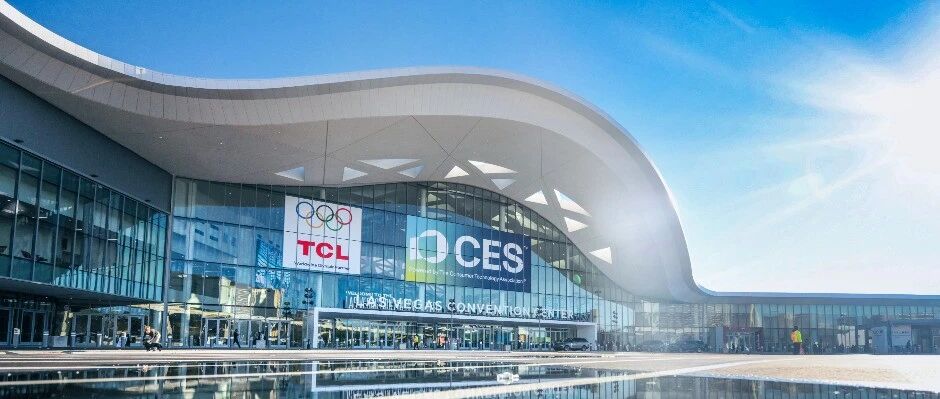
TCL携印刷OLED车载屏及独立通信AR眼镜亮相CES 2026
Feng Huang Wang· 2026-01-07 06:22
Group 1 - TCL participated in CES 2026 with a booth area of 2,453 square meters, making it the largest Chinese brand at the event for several consecutive years [1] - The company showcased the TCL X11L SQD-Mini LED TV and the world's first printed OLED car display, which utilizes over 90% material efficiency and targets high-end smart cockpit interaction scenarios [1] - TCL's subsidiary, Thunderbird Innovation, launched the Thunderbird X3 Pro Project eSIM, a consumer-grade AR glasses with independent communication capabilities, supporting 4G networks without needing a mobile phone [1] Group 2 - From 2019 to 2024, TCL's cumulative R&D investment exceeded 60 billion yuan, with a total of 119,352 patents filed as of November last year [2] - In the North American market, TCL ranks second in TV shipments and has established an R&D center in Silicon Valley, along with a manufacturing base in Mexico [2] - According to Counterpoint Research, Thunderbird Innovation held a 24% market share in the global AR glasses market in Q3 2025, leading in shipment volume for two consecutive quarters [1]
四大芯片巨头CEO齐聚,联想CES释出系列重磅合作
Xin Lang Cai Jing· 2026-01-07 06:08
Core Insights - Lenovo has moved its global innovation technology conference to CES 2026, marking the largest scale in the event's history, with key figures from major tech companies like NVIDIA, AMD, Intel, and Qualcomm in attendance [1] - Lenovo's CEO emphasized that the new wave of computing power will stem from the explosion of AI inference [1] Group 1: AI Strategy and Product Development - Lenovo is focusing on "hybrid AI," which encompasses diverse AI models to meet user needs and the ability for cross-device collaboration among smart devices [3] - The company introduced three key technologies: Intelligent Model Orchestration, Agent Core, and Multi-agent Collaboration, aimed at matching models to user needs, understanding user intent, and enabling collaborative AI operations [3] - Lenovo's AI super intelligent agent, Lenovo Qira, was launched for overseas markets, showcasing cross-device collaboration capabilities among various devices [5] Group 2: Cloud and Local Model Integration - The Qira model has shifted from purely local calls to a combination of cloud and edge collaboration, although local models may lose about 40% of their capabilities compared to cloud models [5][6] - Lenovo's AI strategy involves optimizing partner models rather than developing them in-house, with a focus on integrating cloud models into their existing scheduling system [6] - The company plans to implement cross-device task distribution, allowing users to execute commands across devices [6] Group 3: Partnerships and Market Positioning - Major chip manufacturers are aligning with the trend of enterprise AI transformation, with NVIDIA's CEO stating that companies need to integrate advanced models with their data to build proprietary intelligent systems [8] - Lenovo announced a significant partnership with NVIDIA to establish an "AI Cloud Super Factory," aiming to support large-scale AI models and quadruple their business collaboration over the next 3-4 years [9] - Lenovo will also be among the first to adopt AMD's Helios architecture and collaborate with Intel on AI PCs, indicating a strong commitment to AI-driven enterprise solutions [10]

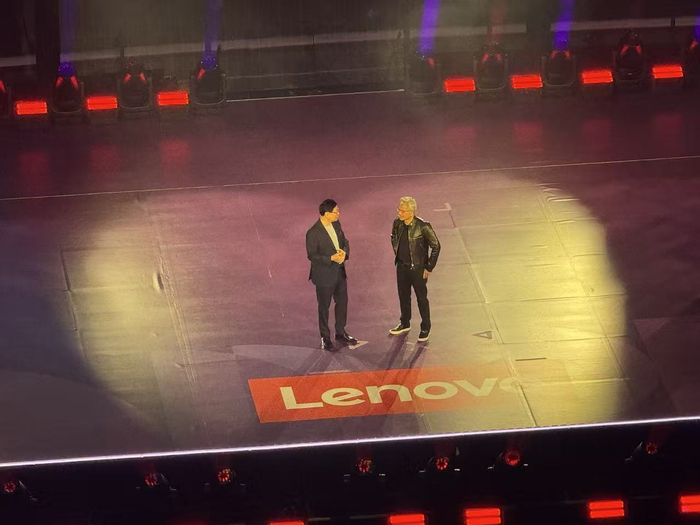
联想在CES展会上发布Qira人工智能平台和概念设备
Xin Lang Cai Jing· 2026-01-07 05:51
联想1月6日在拉斯维加斯举行的CES展会上发布名为Qira的人工智能平台,可在联想和摩托罗拉品牌的 产品上协同工作。联想补充称,该AI工具在系统层面集成。由于进行了深度软件整合,用户无需像使 用ChatGPT等热门聊天机器人那样打开单独应用,即可使用相关功能。 联想集团发布新的人工智能(AI)平台以及多款概念设备,这家全球最大的个人电脑生产商试图证明其有 能力在炙手可热的AI领域占据一席之地。 除了AI平台外,联想还展示了全新的Legion概念笔记本电脑,其屏幕可向侧面延展,带来更宽的显示体 验。联想表示,Qira也是其AI眼镜概念的核心,该产品可与连接的智能设备无线协同工作,并提供实时 翻译、图像识别与情境理解等功能。 ...
大摩调研:内存价格飙升,安卓和PC都遇冲击,但苹果今年不涨价
Hua Er Jie Jian Wen· 2026-01-07 05:38
Core Insights - A "cost storm" in the hardware industry is being driven by a surge in memory prices, with DRAM contract prices expected to rise by 40-70% and NAND prices by 30-35% in Q1 2026, significantly exceeding previous forecasts [1][2] - Most OEM manufacturers, except Apple, are expected to raise prices substantially in the first half of 2026, potentially leading to a decline in shipments of Android smartphones and Windows PCs throughout the year [1][3] - Apple has locked in favorable memory prices and plans to maintain product pricing, which may allow it to gain market share in the iPhone and Mac segments in 2026 [1][4] Memory Price Surge - TrendForce predicts DRAM contract prices will increase by 40-70% in Q1 2026, compared to an earlier estimate of 15-23%, while NAND prices are expected to rise by 30-35%, up from 15-25% [2] OEM Manufacturer Strategies - The anticipated price increases are prompting customers to place orders early, leading to strong performance in Q4 2025 and Q1 2026, but demand is expected to weaken in the second half of 2026 [3] - Server OEMs are likely to see a 5% increase in general server shipments in Q1 2026, contrary to the typical seasonal decline of 10-15% [3] - Dell and HP may initiate significant layoffs to protect operating margins due to rising cost pressures [8] Apple’s Market Position - Apple is maintaining stable product prices despite rising memory costs, which is expected to help it achieve growth in iPhone and Mac shipments in 2026 [4][5] - Apple plans to launch a low-cost MacBook priced at $599 in the first half of 2026, which could further enhance its market share in the PC segment [5] HDD Supply Crisis - The HDD supply shortage is worsening, with a projected shortfall of 200EB over the next 12 months, up from a previous estimate of 100-150EB [6] - HDD manufacturers are reallocating production capacity from consumer-grade to cloud storage applications to meet increasing demand [7] AI Server Market Dynamics - The demand for AI servers is strong, but profit margins remain low, with major OEMs facing ongoing price competition [10]

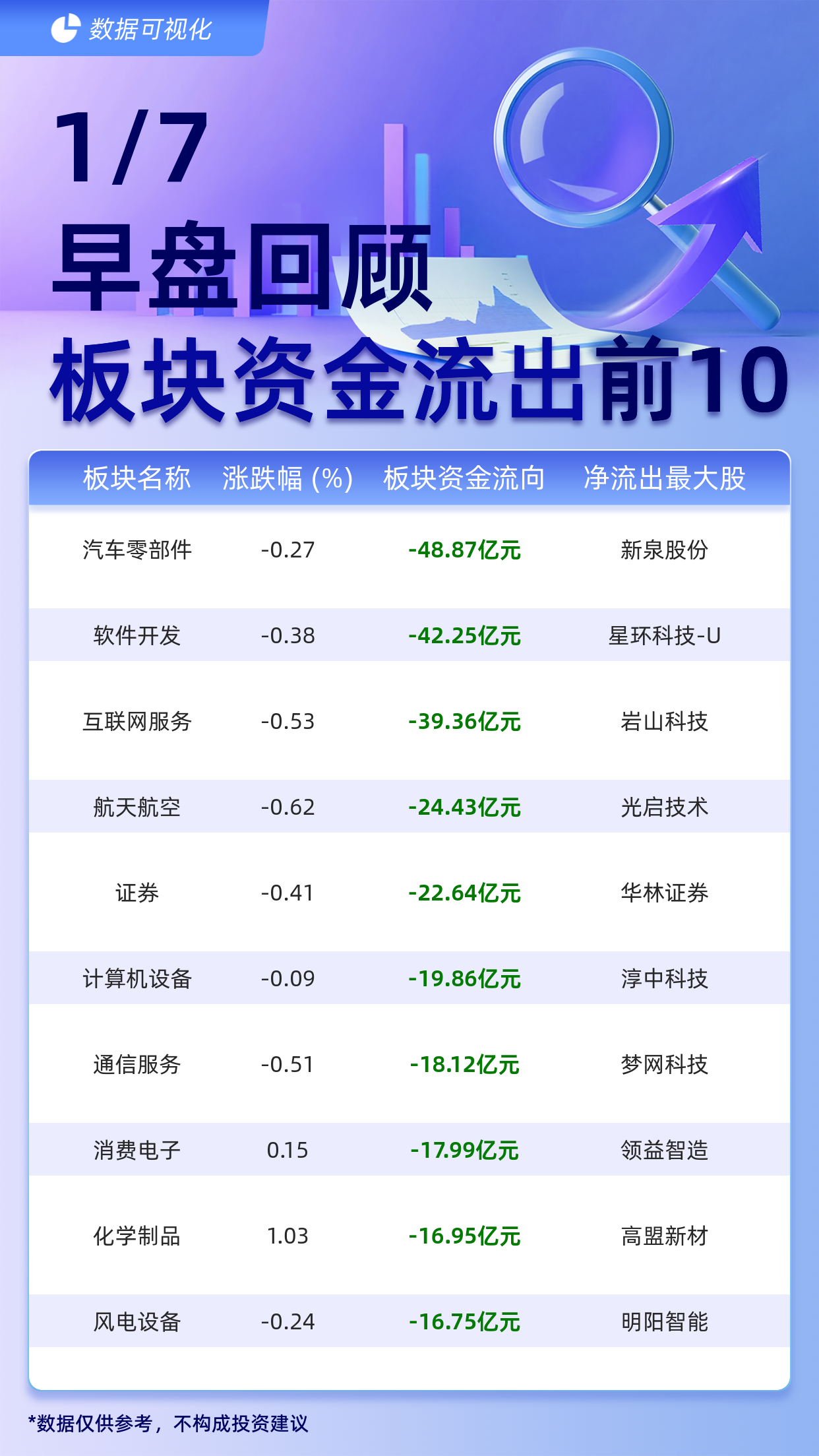
主力板块资金流出前10:汽车零部件流出48.87亿元、软件开发流出42.25亿元
Jin Rong Jie· 2026-01-07 04:05
Core Viewpoint - The major market experienced a net outflow of 34.15 billion yuan in principal funds as of January 7, with significant withdrawals across various sectors [1]. Group 1: Sector Performance - The top ten sectors with the largest net outflows were: - Automotive Parts: -4.88 billion yuan, with a decline of 0.27% [2] - Software Development: -4.22 billion yuan, with a decline of 0.38% [2] - Internet Services: -3.94 billion yuan, with a decline of 0.53% [2] - Aerospace: -2.44 billion yuan, with a decline of 0.62% [2] - Securities: -2.26 billion yuan, with a decline of 0.41% [2] - Computer Equipment: -1.99 billion yuan, with a decline of 0.09% [2] - Communication Services: -1.81 billion yuan, with a decline of 0.51% [3] - Consumer Electronics: -1.80 billion yuan, with an increase of 0.15% [3] - Chemical Products: -1.70 billion yuan, with an increase of 1.03% [3] - Wind Power Equipment: -1.68 billion yuan, with a decline of 0.24% [3] Group 2: Individual Company Withdrawals - The companies with the largest net outflows in their respective sectors included: - Xinquan Co., Ltd. in Automotive Parts [2] - Star Ring Technology in Software Development [2] - Yanshan Technology in Internet Services [2] - Guangqi Technology in Aerospace [2] - Hualin Securities in Securities [2] - Chunzong Technology in Computer Equipment [2] - Mengwang Technology in Communication Services [3] - Lingyi Technology in Consumer Electronics [3] - Gaomeng New Materials in Chemical Products [3] - Mingyang Smart Energy in Wind Power Equipment [3]
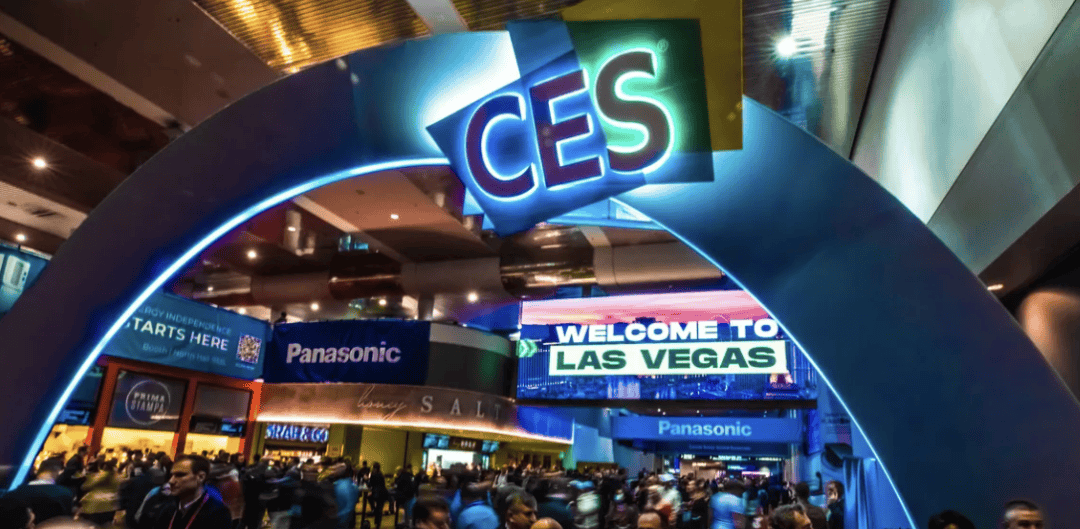
CES 2026 正式开幕;英伟达挑战特斯拉FSD,马斯克:希望他们成功;小米公布 KOL 事件处理结果|极客早知道
Sou Hu Cai Jing· 2026-01-07 03:52
Group 1: CES 2026 Highlights - CES 2026 opened on January 6, showcasing over 4,100 exhibitors, including major companies like Nvidia, AMD, Qualcomm, Lenovo, and TCL, with expected attendance surpassing 150,000 [3] - The event emphasized the integration of AI across various consumer electronics sectors, moving beyond basic applications to fundamentally reshape chips, displays, appliances, and transportation [3] - Key focus areas included "Robotics and Embodied Intelligence," "Smart Vehicles," "AI Hardware," and "Fun Tech" [3] Group 2: xAI Funding and User Growth - Elon Musk's AI startup xAI announced the completion of a $20 billion Series E funding round, exceeding its initial target of $15 billion, with participation from investors like Valor Equity Partners and Qatar Investment Authority [4] - xAI reported approximately 600 million monthly active users on its X platform and Grok, planning to use the new funding to expand data center capacity and further develop the Grok model [4] Group 3: AI Industry Predictions - AMD CEO Lisa Su predicted that the AI industry will grow to over 5 billion daily users within five years, with a significant increase in computing power expected to exceed 10 YottaFLOPS [6] - Since the launch of ChatGPT, active AI users have surged from 1 million to 1 billion, a milestone that took the internet decades to achieve [6] Group 4: AI in Healthcare - Over 40 million Americans reportedly use ChatGPT daily for health and medical information, with many viewing it as a helpful ally in navigating the complexities of the healthcare system [7] - In remote areas with limited medical resources, users send nearly 600,000 health-related messages weekly, with about 70% of these conversations occurring outside traditional office hours [7] Group 5: Strategic Partnerships - Boston Dynamics and Google DeepMind announced a new AI partnership to integrate the Gemini Robotics AI model with Boston Dynamics' Atlas humanoid robot [8] - Qualcomm and Google deepened their decade-long collaboration in the automotive sector, focusing on integrating Snapdragon digital chassis solutions with Google’s automotive software and cloud services [9][10] Group 6: Innovations in Automotive Technology - Nvidia introduced the Alpamayo series of open AI models aimed at addressing autonomous driving safety challenges, with plans to launch on U.S. roads later this year [11] - A new foldable steering wheel designed for Level 4 autonomous driving was unveiled, which folds away when the vehicle is in self-driving mode, enhancing passenger experience [19][21] Group 7: AI Content Growth on Social Media - Douyin reported a 200% increase in viewership of AI learning content, with significant growth in the number of users engaging with technology-related videos [15] - The platform's AI content interest user base grew by 105%, reflecting a rising trend in AI-related content creation and consumption across all age groups [15]



联想在天幕剧场再定义AI智能体验
Xin Lang Ke Ji· 2026-01-07 03:16
Core Insights - Lenovo showcased a range of significant AI products and concept devices at the Tech World conference, emphasizing its vision of providing smarter AI for everyone [1] - The highlight of the event was the introduction of Lenovo Qira, a new cross-device personal AI super agent system designed to enhance user experience across multiple platforms [1] Product Launches - Lenovo introduced several new AI PCs, including the Yoga Pro 9i Aura Edition with Intel Core Ultra 9 series processor, starting at $1899.99, and the Yoga Slim 7x featuring Qualcomm Snapdragon X2 Elite processor, weighing 1.17 kg with a thickness of 13.9 mm and a battery life of up to 29 hours [2] - In the commercial segment, Lenovo launched the ThinkPad X1 Carbon and ThinkPad X1 2-in-1 Aura Edition, along with the ThinkCentre X AIO Aura Edition, which features modern design and smart capabilities [2] - Concept products showcased included the ThinkPad Rollable XD Concept with a dynamic expandable display, Legion Pro Rollable Concept gaming laptop, and AI smart glasses weighing only 45 grams with up to 8 hours of usage time [2] Collaborations and Partnerships - Motorola unveiled two flagship smartphones, including the new motorola razr fold, which is the first foldable device in the razr series, featuring an 8.1-inch display and advanced camera system [3] - Lenovo partnered with AMD to launch the new AI inference server ThinkSystem SR675i, equipped with AMD chips to provide robust AI inference capabilities for various workloads [3] - Lenovo also released a special edition device series for the FIFA World Cup 26, covering multiple product lines including ThinkPad, ThinkBook, Yoga, Legion, IdeaPad, and Motorola [3]
联想与高通宣布深化AI 原生可穿戴设备合作 杨元庆:市场规模有望突破十亿台
Ge Long Hui· 2026-01-07 03:14
Core Viewpoint - Qualcomm and Lenovo are deepening their strategic partnership to focus on innovation in AI-native wearable devices, showcasing the Motorola Maxwell concept product as a key outcome of their collaboration [1][2] Group 1: Partnership and Market Potential - The collaboration between Qualcomm and Lenovo, which has lasted for twenty years, aims to leverage their combined expertise in various fields, including smartphones and AI PCs, to create innovative wearable devices [1] - Lenovo's CEO, Yang Yuanqing, highlighted the potential of the wearable device market, projecting it to exceed one billion units [1] Group 2: Technological Advancements - Cristiano Amon emphasized that the next generation of smart wearable devices is evolving into "personal intelligent companions," requiring robust computing power, advanced connectivity, and cutting-edge AI capabilities [2] - The Snapdragon platform will utilize heterogeneous computing architecture, dedicated NPU, and low-power Wi-Fi and 5G technologies to meet the intelligent demands of these devices while ensuring all-day battery life [2] Group 3: Future Developments - The collaboration will extend to AI PCs and smartphones, with the second-generation Snapdragon X series processors enhancing edge and cloud AI collaboration, injecting new momentum into the all-scenario smart device market [2] - Both companies aim to push technological boundaries, enabling users to work and create more freely and efficiently, thereby accelerating the formation of a one billion unit wearable device market [2]